100+ GBP Photos = 520% More Calls: Window Treatment Upload Strategy
So, you're running a window treatment business and wondering how to get more people to call you. It turns out, the pictures you use in your ads matter. A lot. We're talking about a potential 520% jump in calls, just by using better photos. This isn't some magic trick; it's about showing potential customers what they can get and making them want to learn more. Let's break down how to pick and use photos that actually bring in business.
Key Takeaways
- Using good photos for your window treatment ads can lead to a big increase in phone calls, potentially over 500%.
- The right pictures show off different styles, good installation work, and how your products improve a home's feel.
- Make sure your photos meet the technical needs for online ads and test different versions to see what works best.
- Photos are important for ads on Google, Facebook, and Instagram, helping people see your offers and engage.
- Good photos on your ads need to match your landing pages and be tracked to see how they lead to calls, so you can improve your strategy.
Maximizing Lead Generation Through Visuals
The Impact of High-Quality Photos on Call Volume
So, you're selling window treatments, right? Think about it: people can't touch or see your blinds or curtains in person when they're browsing online. That's where photos come in. Really good photos can make a huge difference in whether someone picks up the phone or just clicks away. We've seen it happen: businesses that put effort into their pictures get way more calls. It’s not just about showing what a window treatment looks like; it’s about showing how it can change a room. A blurry, dark picture just won't cut it. People want to see the texture, the way the light hits it, and how it fits into a nice-looking space. It’s like walking into a store versus looking at a catalog; the in-person experience is always better, and great photos try to replicate that online.
Understanding the "Window Treatment 520% More Calls Photos" Phenomenon
That 520% number? It’s not just a random statistic. It comes from real-world testing where businesses swapped out mediocre photos for stunning ones. The result was a massive jump in phone inquiries. Why such a big jump? Because visuals grab attention. In a crowded online space, a beautiful image stops people mid-scroll. It sparks interest and makes them think, "Hey, that could look good in my house." This immediate visual appeal is what drives that initial contact. It’s a clear signal that investing in professional photography isn't just an expense; it's a direct path to more potential customers reaching out. This is a core part of any good lead generation strategy.
Strategic Photo Selection for Lead Conversion
Picking the right photos is more than just grabbing the prettiest ones. You need to think about what will make someone want to call you. Here’s a quick rundown:
- Show Variety: Display different styles, colors, and materials. Think modern, traditional, rustic: cover your bases.
- Highlight Quality: Close-ups showing fine stitching, durable hardware, or premium fabrics can really sell the quality.
- Context is Key: Show the window treatments in actual room settings. This helps potential customers visualize them in their own homes.
- Focus on Benefits: Does a certain treatment block light effectively? Show a room with soft, diffused light. Does another offer privacy? Show a cozy interior with a hint of the outside world.
When choosing images, always ask yourself: "Does this photo make someone want to learn more and, specifically, pick up the phone to ask about it?" If the answer is shaky, it's probably not the right shot for your main advertising. The goal is to create desire and answer unspoken questions before they're even asked.
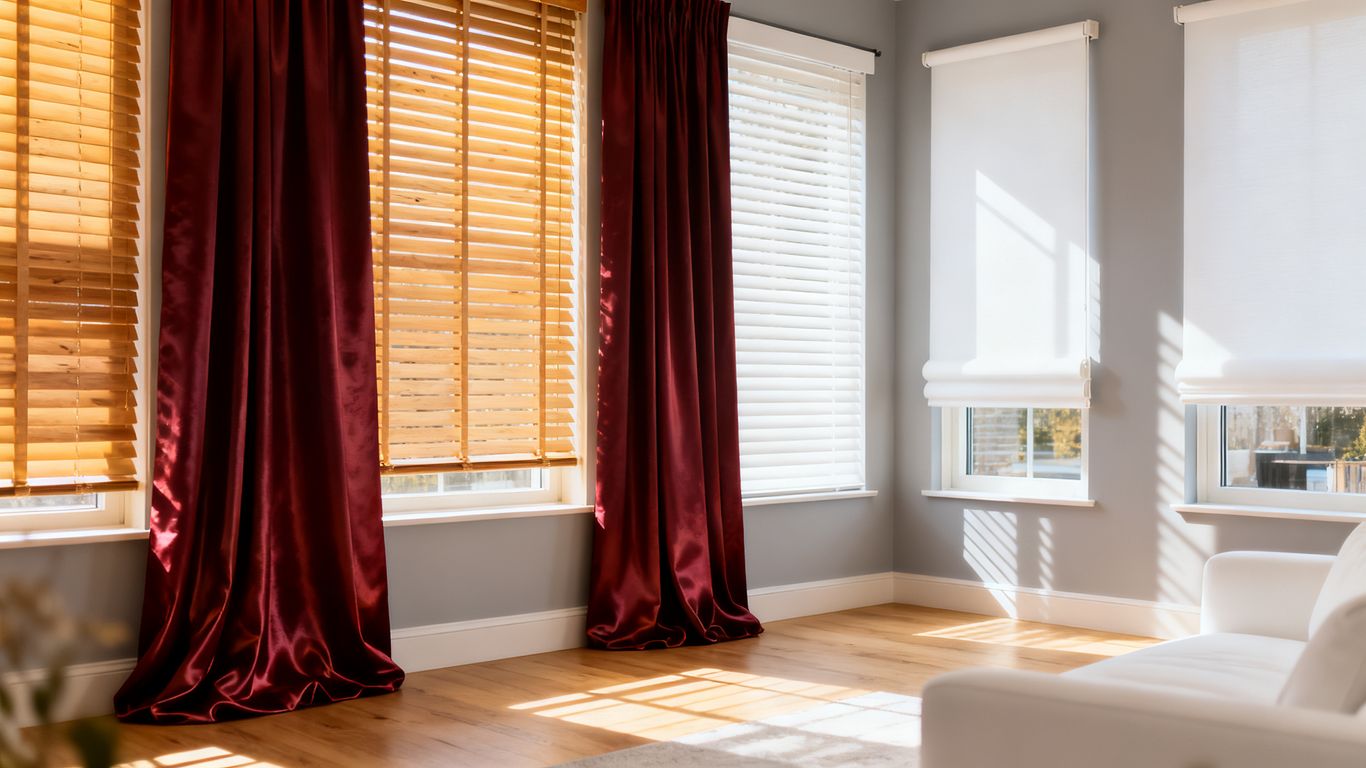
Think about your target audience. Are they looking for something budget-friendly, or are they after high-end luxury? Your photos should speak directly to their needs and aspirations. A picture of a simple, clean-lined roller shade might appeal to a minimalist, while a luxurious, draped velvet curtain speaks to someone looking for opulence. Matching the visual to the buyer's mindset is how you start turning browsers into callers. It’s about making that connection, and good photos are the bridge.
Crafting Compelling Visual Narratives
So, you've got great photos, but are they actually telling a story? It's not just about showing a window treatment; it's about showing what that treatment does for a home and the people in it. Think about it: a picture of a fancy blind is okay, but a picture of that blind perfectly blocking out the morning sun so a family can sleep in? That's a story. That's what gets people thinking, 'Yeah, I need that.'
Showcasing Diverse Window Treatment Styles
People have different tastes, right? Some like sleek and modern, others prefer cozy and traditional. Your photos need to reflect that variety. If you only show one type of shutter, you might miss out on customers looking for Roman shades or elegant drapes. It’s like going to a restaurant and only seeing one dish on the menu: you’d probably leave.
- Modern Roller Shades: Clean lines, simple operation, perfect for minimalist spaces.
- Classic Roman Shades: Soft folds, elegant fabric, adds a touch of sophistication.
- Sturdy Shutters: Timeless appeal, great for light control and privacy.
- Flowing Drapes: Adds warmth, texture, and a luxurious feel to any room.
The goal is to make potential customers see their own homes reflected in your work.
Highlighting Installation Excellence
Anyone can hang a curtain rod, but doing it right? That’s a skill. Your photos should subtly show the care and precision that goes into your installations. Are the blinds perfectly level? Is the fabric hanging just right? These details matter. They show professionalism and build trust. A poorly installed window treatment looks bad, no matter how nice the treatment itself is. We want to show off that clean, professional finish that makes the whole room look better. It’s about the final look, and that comes from good installation.
A well-executed installation isn't just about aesthetics; it's about functionality and longevity. Customers are investing in a solution, not just a product, and seeing proof of quality workmanship can significantly influence their decision.
Capturing Lifestyle Benefits Through Imagery
This is where the real magic happens. Forget just showing the product; show the result. How does that new window treatment change the way someone lives? Maybe it’s about creating a cozy movie night atmosphere, or perhaps it’s about blocking glare so someone can finally read their book in peace. Think about:
- Energy Savings: Photos showing how blinds can block harsh sun, implying lower cooling costs.
- Privacy: Images of a family enjoying their living room without feeling exposed to the outside.
- Light Control: Pictures demonstrating how shades can create the perfect ambiance for any activity, from bright mornings to dim evenings.
It’s about painting a picture of a better everyday life, made possible by your window treatments. This is a big part of visual storytelling, making your ads more than just ads. They become aspirational.
| Benefit Category | Example Scenario | Photo Focus |
|---|---|---|
| Comfort | Reducing glare on a TV screen | Close-up of a window with blinds angled to block sun, showing a clear TV in the background. |
| Ambiance | Creating a relaxing bedroom | Soft, diffused light coming through sheer curtains, with a neatly made bed visible. |
| Practicality | Easy cleaning and maintenance | A shot showing how easily a specific type of blind can be wiped down. |
Optimizing Photo Assets for Digital Campaigns
So, you've got these amazing photos of window treatments, right? That's great, but just having them isn't enough. We need to make sure they're ready to work hard for us online. Think of it like getting your car ready for a road trip: you wouldn't just fill it with gas and hope for the best. You check the tires, the oil, all that stuff. Same idea here, but for your pictures.
Technical Specifications for Online Advertising
Different ad platforms have different rules about image sizes and file types. It’s not super exciting, but it matters. If your photo is too big, it might not load properly, or worse, the platform might reject it. We want smooth sailing, not technical headaches. Generally, you'll want to stick to common formats like JPG or PNG. For ad sizes, it really depends on where you're placing them. Google Ads, for instance, has specific dimensions for different ad types, like display ads or responsive search ads. Meta platforms (Facebook and Instagram) have their own preferred aspect ratios too. Getting these specs right means your ads look sharp and professional, not blurry or cut off.
Here’s a quick look at some common needs:
- File Format: JPG or PNG are usually safe bets.
- File Size: Keep it reasonable. Too large and it slows things down; too small and it looks bad.
- Dimensions: Match the platform's requirements. A square image might work on Instagram, but a landscape one might be better for a banner ad.
A/B Testing Photo Variations for Performance
This is where things get interesting. We can actually test different versions of our photos to see which ones do better. It’s like trying out two different headlines for your ad to see which one gets more clicks. For photos, maybe you test a close-up of the fabric texture versus a wider shot showing the whole window. Or perhaps a photo with a person in it versus one without. We track which version leads to more calls or inquiries. It’s a smart way to figure out what actually grabs people’s attention and makes them want to pick up the phone. This kind of testing is key to improving your digital asset strategy.
Ensuring Brand Consistency Across Visuals
When people see your ads, they should get a consistent feel for your brand. That means your photos should all look like they belong together. If one ad has a super bright, modern photo and another has a dark, traditional one, it can be confusing. We want a cohesive look. This doesn't mean every photo has to be identical, but they should share a similar style, color tone, or mood. It helps build recognition and trust. Think about how big brands always use similar colors and styles: it’s on purpose. Your window treatments deserve that same polished presentation.
Making sure your photos are technically sound and tested for performance is how you turn a good picture into a lead-generating machine. It’s about being smart with the visual elements you use.
Leveraging Photography in Paid Media Strategies

So, you've got these amazing photos of window treatments, right? The ones that make people stop scrolling. Now, how do we get them in front of the right people? That's where paid media comes in. It's not just about throwing money at ads; it's about being smart with your visuals.
Integrating Photos into Google Ads Campaigns
Google Ads can be a bit tricky, but visuals make a huge difference. Think about your search ads. While text is king, image extensions can really grab attention. For display ads, though, your photos are everything. You want to show off those beautiful window treatments in action, not just a plain product shot. The goal is to make someone think, 'Wow, I need that for my house!'
When setting up campaigns, consider these points:
- Targeting: Who are you trying to reach? Homeowners? Interior designers? Make sure your ad targeting matches your ideal customer.
- Ad Groups: Group similar products or styles together. If you're running ads for Roman shades, keep those images and ad copy together.
- Call to Actions: What do you want people to do? Call you? Visit a specific page? Make it clear and easy.
It's about making sure the right eyes see your best work. You can find some great marketing ideas for photographers that apply here, like building a local network to understand your audience better [063a].
Utilizing Visuals on Meta Platforms for Engagement
Facebook and Instagram are visual playgrounds. This is where your high-quality photos can really shine. People are there to be inspired, and beautiful home interiors are a big part of that. Use carousel ads to show different angles or styles of window treatments. Video ads, even short ones featuring your photos, can be super effective too.
Think about the user journey. Someone sees a stunning photo of a living room with custom blinds. They click. What happens next? Your landing page needs to match that initial visual appeal. If the ad promises a modern look, the landing page should deliver it. It's all connected.
The Role of Photos in Performance Max Campaigns
Performance Max (PMax) campaigns are Google's all-in-one solution. They use machine learning to find customers across all of Google's channels. This means your images are being shown everywhere: Search, Display, YouTube, Gmail, Discover. Because of this broad reach, the quality and variety of your photos are super important. You need assets that work across different placements.
Here’s a quick breakdown of what PMax needs:
- High-Resolution Images: Clear, crisp photos are a must.
- Variety: Show different products, styles, and settings.
- Lifestyle Shots: Images of people enjoying the window treatments.
- Square and Landscape Formats: To fit various ad slots.
When using Performance Max, remember that Google's system will test your assets to see what performs best. Providing a good mix of high-quality images gives the algorithm more options to find winning combinations. It's like giving a chef a wide array of fresh ingredients to create a masterpiece.
Getting your photography strategy right for paid media is key to turning those views into actual leads. It's not just about having good pictures; it's about using them strategically to connect with potential customers and guide them toward making that call. You might want to look into developing a photography sales and promotion strategy to make sure your pricing and campaigns are set up for success [32a8].
Beyond the Click: Converting Views to Calls
So, you've got these amazing photos, right? They're making people stop scrolling and actually look. That's a huge win. But the real goal isn't just getting eyes on your pictures; it's getting those eyes to pick up the phone. We need to make sure that when someone sees a beautiful shot of a custom drapery or a sleek set of blinds, their next thought is, "I need to call them about this." It’s about turning that visual interest into actual business.
Designing Landing Pages That Complement Ad Creatives
Think of your landing page as the next step after the photo grabs their attention. If your ad shows off a modern roman shade, the landing page shouldn't be a confusing mess of unrelated text. It needs to feel like a natural continuation. The colors, the style, the overall vibe: it should all match what they just saw. If the photo promised a certain look, the page needs to deliver on that promise immediately. We want to make it super easy for them to see more of what they liked and find the contact info.
- Visual Harmony: Ensure the landing page's design echoes the style and colors of the ad image.
- Clear Call to Action: Make the phone number prominent and easy to find. A "Call Us Today" button works wonders.
- Relevant Information: Briefly showcase similar styles or highlight the benefits of the product featured in the ad.
The transition from seeing a great photo to taking action needs to be smooth. If there's a big disconnect, people will just bounce. It's like seeing a delicious-looking cake in a bakery window and then going inside to find they only sell broccoli.
Tracking Photo Performance and Call Attribution
How do you know which photos are actually working to get calls? You've got to track it. It’s not enough to just see clicks; we need to know which images are leading to phone conversations. This is where tracking comes in. By setting up proper tracking, you can see which ad variations, and by extension, which photos, are driving the most valuable leads. This helps you understand what's really connecting with potential customers and optimize your advertising budget.
Here’s a simple way to think about it:
| Photo Style | Impressions | Clicks | Calls Generated |
|---|---|---|---|
| Modern Blinds | 10,000 | 200 | 15 |
| Classic Drapery | 12,000 | 180 | 10 |
| Plantation Shutters | 8,000 | 250 | 22 |
This kind of data shows you that while classic drapery might get a lot of views, modern blinds and shutters are bringing in more actual calls. It's about looking past the surface metrics.
Iterative Improvement Based on Visual Data
Once you have that performance data, you can’t just sit on it. You need to use it to get better. If you see that photos of a certain style, like those sleek plantation shutters, are bringing in way more calls, then it makes sense to feature more of those. Maybe you need to tweak the angle, the lighting, or even the background in your photos. It’s a constant process of trying things, seeing what works, and then doing more of that. This is how you can really benchmark phone leads and see continuous improvement. Don't be afraid to swap out underperforming images for new ones based on what the data tells you. It’s all about making those visuals work harder for you.
Getting people to see your stuff is great, but what happens next? We're talking about turning those eyeballs into actual phone calls for your business. It's not magic, it's smart strategy. Ready to make more people pick up the phone and connect with you? Visit our website today to learn how!
So, What's the Takeaway?
Look, we saw it with our own eyes: more good photos of window treatments meant way more people picked up the phone. It’s not rocket science, but it’s also not something you can just wing. Spend a little time getting decent pictures, maybe hire someone if you have to, and then get them in front of the right people on platforms like Google and Facebook. We’ve seen it work time and time again for businesses just like yours. Don't just take our word for it, try it out. You might be surprised how much a few solid images can change your business.
Frequently Asked Questions
Why are good pictures so important for getting calls?
Think about it: when people search for window treatments, they want to see what they might buy. Great photos show off how nice your blinds or curtains look in real homes. This makes people more likely to pick up the phone and ask you about them, instead of just scrolling past. It’s like showing off your best work: it grabs attention and makes people interested.
What does '520% More Calls' mean with photos?
This number means that businesses using really good pictures, especially of their window treatments, saw a huge jump, over five times more, in phone calls from potential customers. It shows that investing in quality photos isn't just about looking pretty; it directly helps you get more people wanting to talk to you about your services.
How do I pick the best photos to get leads?
You should choose pictures that clearly show the different styles you offer and how well they're installed. Also, try to capture the feeling or lifestyle the window treatments create, like a cozy living room or a bright kitchen. Photos that show happy customers or beautiful finished projects work best to convince people to call.
Where should I use these great photos?
You can use your best photos everywhere online! Put them in your Google Ads, on Facebook and Instagram ads, and even in special campaigns like Google's Performance Max. Make sure the pictures fit the ad type and the platform you're using. Good visuals help your ads stand out and get noticed.
How do photos help turn clicks into actual phone calls?
When someone clicks on your ad, they land on your website. Your landing page should have photos that match the ad they clicked on. This keeps them interested and makes them feel confident about your business. Clear calls to action, like a phone number or a button to call, placed near these matching photos, make it easy for them to contact you.
How do I know if my photos are actually working?
You need to track everything! See which photos get the most clicks on your ads and which ones lead to people calling you after they visit your website. By looking at this data, you can figure out which pictures are the money-makers and use more of those. It’s all about learning what works best and doing more of it.