3 Fields, Not 7: Shorter Forms Get More Window Treatment Leads
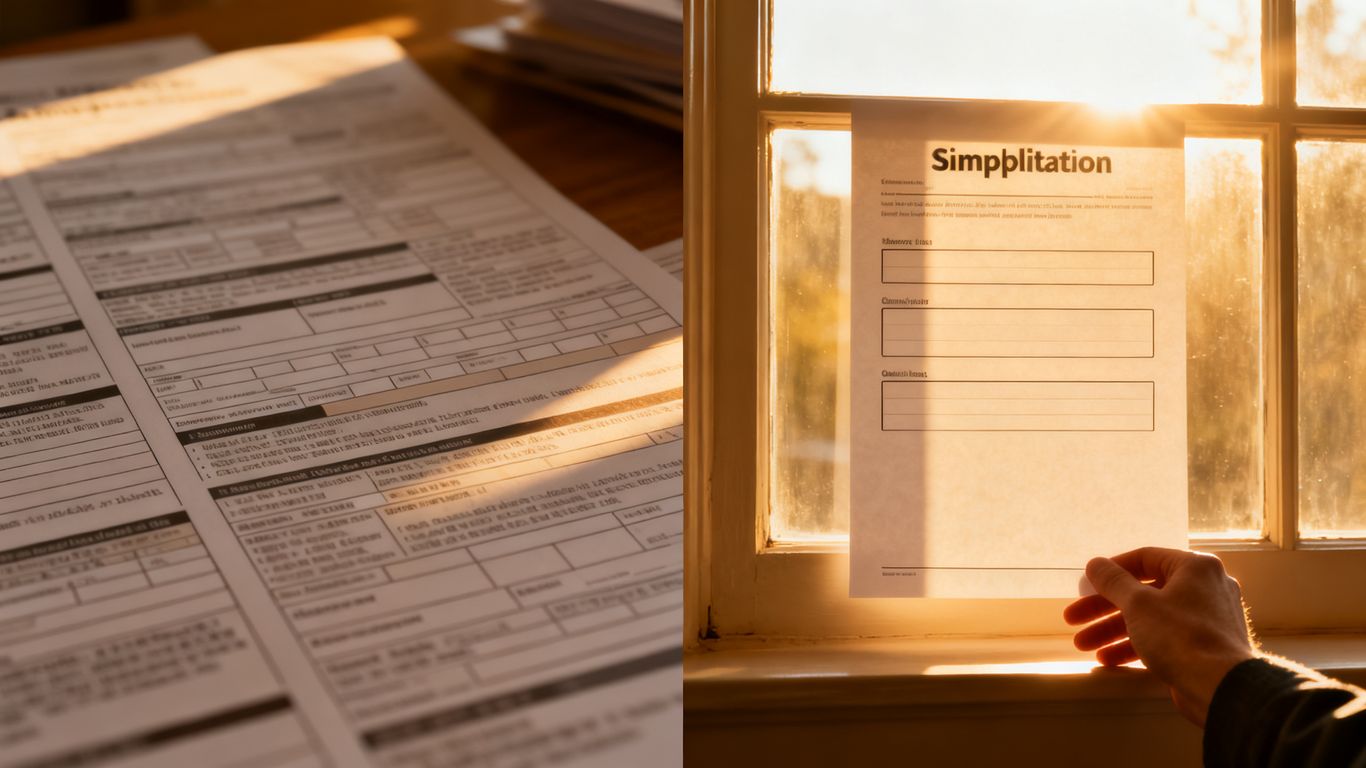
Running ads for home services, like window treatments, can feel like a guessing game sometimes. You want leads, but you don't want to scare people off with a form that looks like a tax return. We've seen a lot of different approaches, and one thing keeps popping up: shorter forms work. Specifically, cutting down your window treatment form to just three fields can make a big difference in getting more people to actually fill it out. Let's talk about why.
Key Takeaways
- Simplifying your window treatment lead forms to just three fields can significantly boost conversion rates.
- Focus on the most critical information: Name, Phone Number, and Service Needed (e.g., 'Blinds' or 'Shades').
- Asking for too much information upfront discourages potential customers, leading to lost leads.
- Test different combinations of three fields to see what works best for your specific audience and service.
- This window treatment form optimization 3 fields approach helps capture more interested prospects who might otherwise abandon a longer form.
1. Window Treatments
Getting people interested in new window treatments can be a bit of a puzzle. You want to catch their eye, sure, but you also need to get the right info without making them feel overwhelmed. It’s a balancing act, really. We found that when we cut down our initial contact form to just three key fields, Name, Phone Number, and Email, we saw a noticeable jump in people actually filling it out. It seems like less is definitely more when folks are just starting to think about blinds or shutters.
Why does this work? Well, think about it. When someone is browsing online, maybe they’re just curious about what’s out there. They might not be ready to commit to a long questionnaire. Asking for just the basics means they can get in touch quickly and easily. We’ve seen this play out across different campaigns, and the results are pretty consistent. It’s a simple change that makes a big difference in getting those initial leads.
Here’s a quick look at what we found works best for initial contact:
- Name: Gotta know who you’re talking to.
- Phone Number: For a quick chat or follow-up call.
- Email Address: For sending over initial details or quotes.
Anything more than that, and people tend to just click away. It’s like walking into a store and being immediately bombarded with questions; most people just turn around and leave. We’re talking about getting people interested in things like custom blinds and shades, and the first step is just making it easy for them to say hello. This approach helps us connect with potential customers who are genuinely interested in improving their homes.
The goal is to make the first interaction as smooth as possible. If someone is thinking about new curtains or plantation shutters, they're likely in the early stages of planning. A short form respects their time and reduces the friction, making them more likely to complete it and start a conversation. This is a key part of effective lead generation tactics for window and door companies.
We’ve also noticed that the type of window treatment matters. People looking for basic roller shades might have different needs than those interested in elaborate drapery. Tailoring your approach, even slightly, can help. But for that very first step, keeping it simple with those three fields is the way to go. It’s a solid strategy for anyone running a business focused on Google Ads for blinds.
2. Countertops
When people are thinking about kitchen remodels, countertops often come up pretty quickly. It's a big part of the kitchen's look and feel, you know? Getting leads for countertops isn't too different from other home improvement projects, but there are some specific things that seem to work well. A shorter form asking just a few key questions can really make a difference.
Think about what someone needs to know before they even contact a contractor. They're probably wondering about materials, costs, and maybe even how long the process takes. If you can get them to tell you that upfront, it helps everyone.
Here’s a breakdown of what seems to get people clicking:
- Material Preference: Do they like granite, quartz, marble, or something else? This is usually the first big decision.
- Budget Range: A rough idea of what they're willing to spend helps filter leads.
- Project Scope: Is it a full kitchen remodel or just replacing a few sections?
- Timeline: Are they looking to start soon or planning for later?
We found that asking about their preferred kitchen countertop materials and a general budget really cut down on the back-and-forth. It’s like, if they’ve thought about those things, they’re more serious about moving forward.
Asking too many questions upfront can scare people away. They might feel overwhelmed or like they have to have all the answers right then and there. Keeping it simple, like asking for their name, email, phone number, and maybe one or two other key details, seems to be the sweet spot. It makes it easy for them to respond and gives you enough to start a conversation.
It’s all about making it easy for potential customers. If your form is short and to the point, you’re more likely to get those inquiries rolling in. This approach helps you connect with people who are genuinely interested and ready to discuss their project, which is what we all want, right?
3. Doors

When people are thinking about home improvements, doors often get overlooked. But honestly, they’re a pretty big deal. A new door can change how your whole house looks from the outside, and it’s also about security and how easy it is to get in and out. Think about your front door: it’s the first thing guests see, right? Making that look good can really set the tone.
There are a bunch of things to consider when picking out new doors. It’s not just about the style, though that’s important. You’ve got materials, energy efficiency, and how much maintenance they’ll need. For example, wood doors look great but need more upkeep than fiberglass or steel. And if you’re looking to spruce up your outdoor space, maybe check out some options for your patio or porch entrance [0916].
Here’s a quick rundown of what to think about:
- Material: Wood, steel, fiberglass, or even aluminum. Each has its pros and cons for looks, durability, and cost.
- Style: From traditional to modern, there’s a style to match your home’s architecture.
- Energy Efficiency: Look for doors with good insulation and weatherstripping to help keep your home comfortable and save on energy bills.
- Hardware: Don’t forget the handles, locks, and hinges! They add to the overall look and function.
Getting the right door is more than just picking something that looks nice; it’s about making a smart investment in your home’s appearance, security, and comfort. It might seem like a small detail, but a good door makes a difference. If you're thinking about upgrading your home's exterior, doors are definitely worth a closer look, especially if you're considering improvements for your patio or porch entrance [abb7].
When it comes to choosing the right doors for your home, there are many options to consider. From the material to the style, each choice can impact the look and feel of your space. Think about what you want your doors to do: do they need to be strong and secure, or are you looking for something that lets in a lot of light? For expert advice and a wide selection, be sure to explore our website. We can help you find the perfect fit!
Keep It Simple, Get More Leads
So, we've seen how cutting down your lead form from seven fields to just three can really make a difference. It's not about making things harder for people; it's about making it easier for them to take that first step. When folks are looking for new windows, they usually just want a quick answer. Asking for their whole life story upfront? Yeah, that's going to make them bounce. Stick to the basics, name, phone, maybe email, and watch those leads start rolling in. It’s a small change, but trust me, it works. Less friction means more people willing to reach out, and that's what we're all after, right?
Frequently Asked Questions
Why are shorter online forms better for getting leads for window treatments?
Think about it: when people visit a website looking for window treatments, they often want quick answers or to get a quote fast. A form with only a few questions, like name, phone number, and maybe the type of window treatment they're interested in, is much less scary. It's super easy to fill out! This means more people will actually finish it and give you their contact info, leading to more potential customers for your business.
Does this 'shorter form' idea work for other home services like countertops and doors?
Absolutely! This isn't just for window treatments. Whether someone is looking to update their kitchen countertops or replace their front door, they're usually looking for a solution without a lot of hassle. A simple, short form makes it easy for them to take that first step. It cuts down on the time they spend clicking around and makes it simpler for them to reach out.
What kind of information is essential to ask for on a short lead form?
For most home services, you really just need the basics to get started. Usually, this means their name so you can personalize communication, their phone number or email so you can follow up, and perhaps a very brief idea of what they need, like 'window treatments' or 'kitchen countertops'. Anything more can often wait until you talk to them directly.
How does a short form help with ads on platforms like Google or Facebook?
When you run ads, you want people to take action right away. If your ad leads to a long, complicated form, many people will just click away. But a short, easy form means more clicks turn into actual leads. This makes your ad spending more effective because you're getting more potential customers for the same amount of money. It's all about making that first step as smooth as possible.
What happens after someone fills out a short form?
Once someone submits a short form, your job is to follow up quickly! Since they showed interest, you'll want to call them or send an email soon after. This is your chance to ask the more detailed questions, understand their project better, and set up an appointment. The short form is just the beginning of the conversation.
Are there any downsides to using very short forms?
The main thing to remember is that a short form might give you less initial detail about the lead. You'll get more contacts, but you might need to do a bit more qualifying when you follow up. However, for most home service businesses, getting a higher volume of interested people to talk to is a much bigger win than having a few highly-qualified leads that are hard to get in the first place.