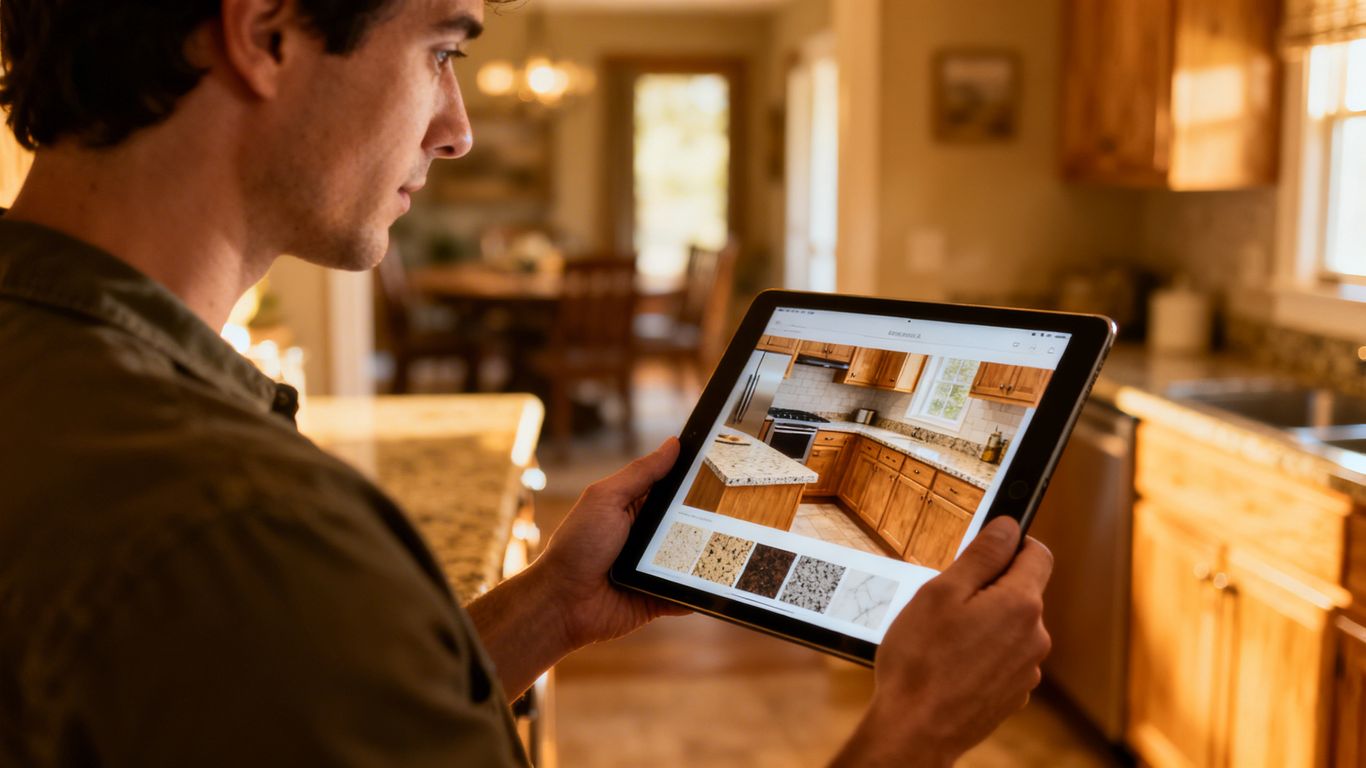
So, you've got folks checking out your countertops, right? Maybe they're looking at quartz, granite, or even something like butcher block. They spend some time on your site, maybe even add something to a cart or fill out a form. But then... poof! They disappear. This is where countertop retargeting in a 30-day window becomes your secret weapon. It's all about bringing those almost-customers back before they end up buying from someone else. Think of it as a friendly nudge, reminding them why they liked your stuff in the first place.
Key Takeaways
- A 30-day retargeting window is ideal for countertop shoppers, capturing interest while it's still fresh.
- Show ads for specific countertop materials (like quartz or granite) to users who viewed them.
- Remind potential customers about kitchen islands or other related products they showed interest in.
- Use dynamic ads on platforms like Meta (Facebook/Instagram) to show the exact products they looked at.
- Don't forget about users who started a quote or added to a cart – they're close to buying.
1. Quartz Countertops
Quartz countertops have really become a go-to for a lot of homeowners lately, and it's not hard to see why. They're made from natural quartz crystals mixed with resins and pigments, which gives them a super consistent look. This engineered nature means they're incredibly durable and low-maintenance.
One of the biggest draws is how tough they are. Quartz is one of the hardest minerals on earth, so these countertops can handle a lot of daily wear and tear. They resist scratches and chips pretty well, which is a big plus in a busy kitchen. Plus, because they're non-porous, they don't soak up spills like some natural stones can. This makes them pretty good at fighting off stains from things like wine or coffee, and it also means they're more hygienic since bacteria has a harder time getting in.
When it comes to looks, quartz offers a huge range of styles. You can find everything from solid colors that look sleek and modern, to patterns that mimic the look of granite or marble, but without the natural variations you'd get with those materials. This consistency is a big selling point for people who want a very specific aesthetic.
Here's a quick rundown of why people pick quartz:
- Durability: Stands up well to daily use, resisting scratches and impacts.
- Low Maintenance: Doesn't need sealing and is easy to clean with just soap and water.
- Stain Resistance: The non-porous surface prevents most common kitchen spills from setting in.
- Variety: Available in a wide array of colors and patterns to match any kitchen style.
- Consistency: Offers a uniform look, unlike natural stones which can have unique variations.
Cleaning is usually a breeze. A damp cloth with a little mild soap is typically all you need for everyday messes. For tougher spots, a gentle, non-abrasive cleaner should do the trick. You just want to avoid harsh chemicals or abrasive scrubbers that could potentially dull the finish over time.
While quartz is tough, it's not indestructible. Extreme heat can still cause damage, so it's always a good idea to use trivets or hot pads under hot pots and pans. Also, some very strong chemicals, like oven cleaners, should be kept away from the surface.
Compared to some natural stones, quartz can sometimes be a bit more expensive upfront, but many find the long-term benefits of its durability and ease of care make it a worthwhile investment for their kitchen remodel.
2. Granite Countertops
Granite countertops have been a go-to for homeowners for years, and for good reason. They're tough, look great, and add real value to a kitchen. When you're thinking about granite, remember it's a natural stone, meaning every slab is unique. You'll find a huge range of colors and patterns, from speckled black and white to deep reds and earthy browns. This natural variation is part of its charm, but it also means you should always try to see the actual slab you'll be getting before you commit.
The durability of granite is a major selling point; it's resistant to scratches and heat, making it a practical choice for busy kitchens. However, it's not completely maintenance-free. Granite is porous, so it needs to be sealed regularly – usually once a year – to prevent stains from seeping in. If you spill something like red wine or oil, it's best to wipe it up right away.
Here's a quick look at why people choose granite:
- Durability: Stands up well to daily use.
- Heat Resistance: Can handle hot pots and pans for short periods.
- Unique Beauty: Each slab has its own distinct look.
- Increased Home Value: A popular feature that buyers like.
When it comes to cost, granite can vary quite a bit. Simpler patterns and colors are generally more affordable, while exotic or rare types can get pretty pricey. Installation is also a factor, as it requires skilled labor to cut and fit the heavy slabs properly.
While granite is known for being tough, it's still a good idea to use cutting boards and trivets to protect your investment. Regular sealing is key to keeping it looking its best and preventing stains. Think of it like taking care of a nice piece of furniture; a little attention goes a long way.
3. Marble Countertops
Marble countertops have a certain timeless appeal, don't they? They're often associated with luxury and classic kitchens. When you think of marble, you probably picture those beautiful, veined slabs that just look so elegant. It's a natural stone, quarried from the earth, and each piece is totally unique. That's part of its charm – no two kitchens will ever look exactly the same.
The biggest thing to know about marble is that it's a softer stone compared to granite or quartz. This means it can scratch and etch more easily. If you're someone who loves to cook and isn't too worried about a little wear and tear over time, marble might be for you. It develops a patina, which some people really like – it tells a story of your kitchen's life. But if you want a surface that looks pristine forever with minimal effort, you might want to look elsewhere.
Here's a quick rundown of what to expect:
- Appearance: Known for its distinctive veining and elegant look. Comes in various colors like white, black, gray, and even pinkish or greenish hues.
- Durability: Softer than granite, prone to etching from acids (like lemon juice or vinegar) and scratching. It can also stain if spills aren't wiped up quickly.
- Maintenance: Requires regular sealing to help protect against stains and etching. Needs careful cleaning with pH-neutral cleaners.
- Cost: Generally in the mid to high price range, depending on the type and rarity of the marble.
When you're looking for the right marble, it's good to see the actual slabs in person. You can discover the ideal marble slabs for your home, whether for kitchen countertops or bathroom vanities. Seeing the patterns and colors up close really helps you decide what will work best in your space. It's a big decision, and you want to be sure you love it.
Marble is a metamorphic rock, formed from limestone that has been subjected to heat and pressure. This process creates the beautiful crystalline structure and veining that marble is famous for. While it's beautiful, its natural composition makes it more porous and susceptible to damage than some other countertop materials.
4. Butcher Block Countertops
Butcher block countertops bring a warm, natural feel to any kitchen. They're made from solid wood, often glued together in strips, which gives them that distinctive look. This material is a favorite for those who love a rustic or farmhouse style, but it can also work in more modern settings if you choose the right wood and finish.
When you're thinking about butcher block, consider the type of wood. Different woods have different looks and durability. Here's a quick rundown:
- Maple: A popular choice, it's hard, durable, and has a light, consistent grain. It's great for a clean look.
- Oak: Known for its strength and prominent grain patterns, oak offers a classic, sturdy appearance.
- Walnut: This wood has a rich, dark color and beautiful grain, adding a touch of luxury.
- Cherry: Offers a warm, reddish tone that deepens with age.
Caring for butcher block is a bit different from other countertop materials. It's wood, after all, so it needs some attention to stay looking good and prevent issues.
- Sealing and Oiling: Most butcher block countertops come unfinished or pre-oiled. You'll need to regularly apply food-safe mineral oil or a beeswax blend to keep the wood from drying out, cracking, or staining. This is especially important for surfaces that will see a lot of use, like where you chop food.
- Cleaning: Use a damp cloth and mild soap for everyday cleaning. Avoid harsh chemicals or abrasive scrubbers, as these can damage the wood's finish.
- Dealing with Scratches and Dents: Minor scratches and knife marks can often be sanded out and re-oiled. For deeper damage, you might need to do a more thorough sanding and refinishing.
Butcher block countertops are a living surface. They change over time, developing a patina that tells the story of your kitchen's use. While this means they require more maintenance than, say, quartz, many homeowners find the unique character and warmth they add to be well worth the effort. Just be prepared to commit to regular oiling and gentle cleaning to keep them in top shape.
5. Laminate Countertops
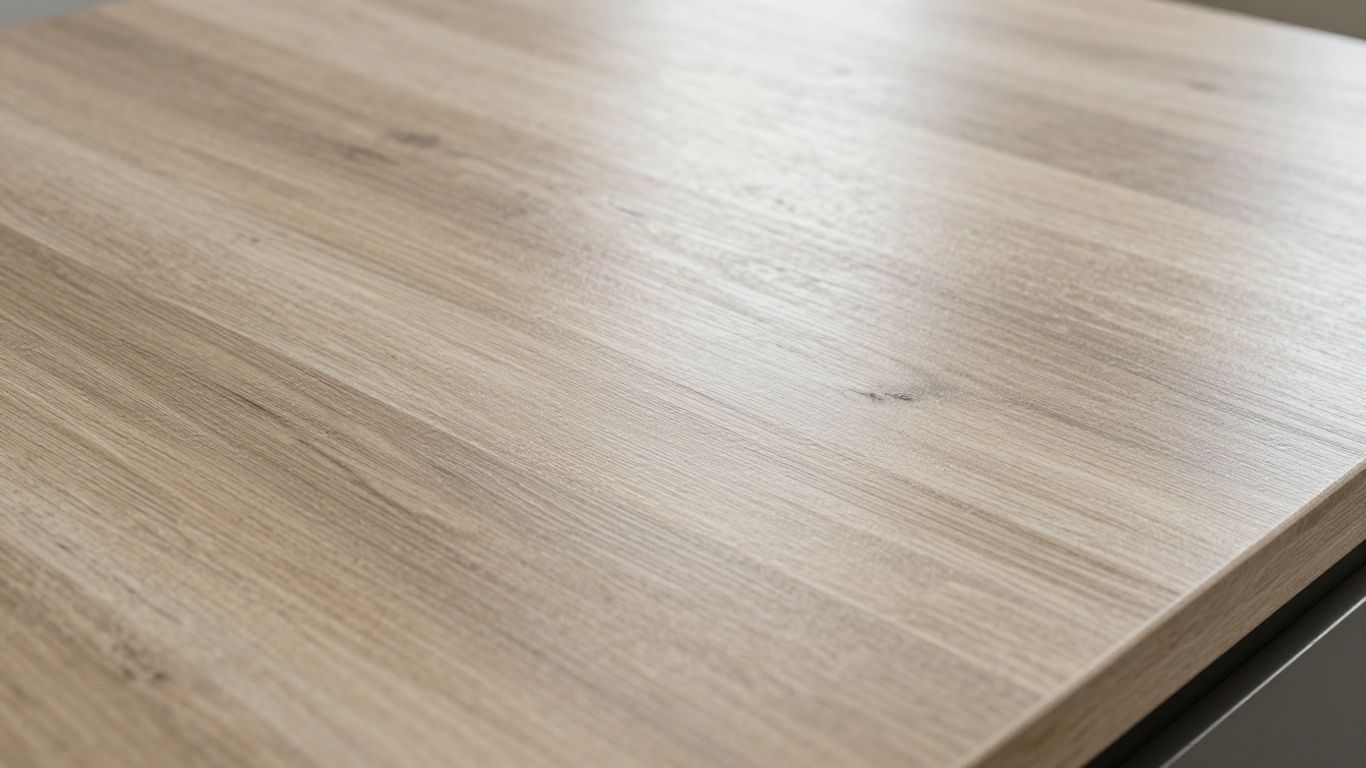
Laminate countertops have come a long way from the slightly flimsy, easily damaged options of the past. Today's laminate offers a surprisingly durable and budget-friendly alternative for kitchens. They're made by pressing together layers of particleboard or fiberboard, then covering them with a decorative layer and a clear protective topcoat. This construction makes them quite resistant to everyday wear and tear.
One of the biggest draws of laminate is its affordability and the sheer variety of looks you can achieve. You can find laminate that mimics the appearance of granite, marble, wood, and even concrete, often at a fraction of the cost of the real thing. This makes it a fantastic choice if you're working with a tighter budget but still want a stylish kitchen.
Here's a quick look at why laminate is a popular choice:
- Cost-Effective: Significantly cheaper than natural stone or solid wood.
- Variety: Available in countless colors, patterns, and textures.
- Low Maintenance: Easy to clean with soap and water.
- DIY Friendly: Relatively simple to install, which can save on labor costs.
However, it's not all sunshine and rainbows. Laminate isn't as heat-resistant as stone, so you'll want to use trivets for hot pots and pans. It can also scratch or chip if you're not careful, especially with sharp knives. While modern laminates are much tougher, they still aren't indestructible.
When considering laminate, think about how you use your kitchen. If you're a heavy-duty cook who needs a surface that can take a beating, you might want to look at other options. But for a stylish, practical, and affordable update, laminate is definitely worth a second look.
Installation is usually pretty straightforward. You'll typically get pre-formed pieces that connect at the seams. For a really clean look, especially around sinks, you might want to get professional help, but for many basic countertop runs, a handy homeowner can manage it. Just be sure to measure twice and cut once!
6. Stainless Steel Countertops
Stainless steel countertops have a really distinct look, you know? They give off a very professional, almost commercial kitchen vibe. But don't let that fool you; they're actually quite popular in homes these days. They're incredibly durable and can handle a lot of wear and tear.
One of the biggest pluses is how easy they are to clean. Spills? No problem. Heat? They're pretty resistant. They don't stain easily either, which is a huge relief when you're cooking up a storm. Plus, they have this modern, clean aesthetic that works with a lot of different kitchen designs. If you're looking for something that's both tough and looks sharp, stainless steel is a solid option.
Here's a quick rundown of why people choose them:
- Durability: They're built to last, resisting chips and cracks.
- Heat Resistance: You can place hot pans directly on them without worry.
- Hygiene: Non-porous surface means fewer places for germs to hide.
- Modern Look: Their shiny finish adds a contemporary feel.
Now, they aren't perfect for everyone. Some folks find the metallic look a bit too cold, and they can show fingerprints and scratches if you're not careful. But honestly, a lot of those scratches just add to the character over time. They're a practical choice for busy kitchens.
7. Soapstone Countertops
Soapstone countertops are a bit different from the usual suspects like granite or quartz. They're made from a metamorphic rock called steatite, which is mostly talc. This gives them a really smooth, almost soapy feel – hence the name.
One of the biggest draws of soapstone is its natural, matte look and the way it ages. Unlike other materials that might stain or scratch easily, soapstone develops a patina over time. This means it gets darker and richer with use, which some people absolutely love. It's a countertop that tells a story.
Here's a quick rundown of what you get with soapstone:
- Durability: It's pretty tough and resistant to heat. You can put hot pans directly on it without worry.
- Non-porous: This is a big one. Because it doesn't have tiny holes, it won't absorb liquids like wine or oil. This makes it pretty stain-resistant right out of the box.
- Maintenance: Most people choose to oil their soapstone to keep the color consistent and enhance that patina. It's not hard, just something to keep in mind.
- Appearance: It usually comes in dark grays and blacks, but you can find lighter shades too. The surface is typically smooth, but you can get it with a bit more texture if you like.
When you're thinking about soapstone, remember it's a softer stone than granite. So, while it's heat and stain-resistant, you might get nicks or scratches if you're really rough with it. But honestly, most people find these marks just add to its character. It's a material that really fits well in kitchens that get a lot of use and have a more rustic or traditional vibe.
Choosing soapstone means you're opting for a countertop that's not afraid to show its age. It's a material that changes with your life, becoming more beautiful the more you use it. It's a commitment to a certain aesthetic, one that values warmth and natural evolution over a perpetually pristine surface.
8. Silestone Countertops
Silestone countertops are a popular choice for kitchens, and for good reason. They're made from a mix of natural quartz and resins, which gives them a really durable surface. This blend makes them resistant to scratches, stains, and even heat to a certain degree. If you're someone who does a lot of cooking or entertaining, this kind of toughness is a big plus.
When people are looking at Silestone, they're often comparing it to other engineered stones or even natural options like granite. The consistency in color and pattern is a major selling point for Silestone. You don't get those unpredictable veins or mineral deposits you might find in natural stone, so what you see in the showroom is pretty much what you get installed.
Here's a quick look at some common Silestone benefits:
- Durability: Stands up well to daily kitchen wear and tear.
- Low Maintenance: Doesn't require sealing like many natural stones.
- Variety: Comes in a wide range of colors and finishes.
- Hygienic: The non-porous surface makes it harder for bacteria to grow.
Many homeowners appreciate that Silestone offers a consistent look across their kitchen. This predictability can be a relief when planning a remodel, as it simplifies matching cabinets and other design elements.
Of course, like any material, there are things to consider. While heat resistant, it's not completely impervious, so using trivets for very hot pans is still a good idea. Also, the price point can be higher than laminate or some other materials, but many feel the longevity and low upkeep justify the cost. If you're in the market for a countertop that looks good and can handle the demands of a busy kitchen, Silestone is definitely worth a closer look during your shopping process.
9. Caesarstone Countertops
Caesarstone is a big name in the engineered quartz countertop world. They've been around for a while, making a pretty solid reputation for themselves.
What makes Caesarstone stand out is their consistent quality and wide range of designs. They use a lot of natural quartz mixed with resins and pigments. This means you get a surface that's tough and looks good, without the natural variations you'd find in stone like granite or marble.
Here's a quick look at some of their popular collections:
- Classico Collection: Think classic, timeless looks. This is where you'll find a lot of their solid colors and subtle patterns that mimic natural stone.
- Motions Collection: These designs have more movement and veining, giving a bolder statement.
- Supernatural Collection: This line aims to replicate the look and feel of natural stones like marble and travertine, but with the durability of quartz.
- Metropolitan Collection: For a more industrial or modern vibe, this collection features concrete and metal looks.
When you're thinking about Caesarstone, remember it's a non-porous material. This is a big plus because it means it doesn't soak up spills like wine or oil. Cleaning is usually pretty straightforward – a damp cloth and some mild soap usually do the trick.
One thing to keep in mind is that while quartz is super durable, it's not indestructible. Extreme heat can still cause damage, so using trivets under hot pots and pans is still a good idea. Also, harsh chemicals can sometimes affect the resin binders, so stick to gentle cleaners.
They offer a pretty good warranty, which is always a nice bit of peace of mind when you're making a big purchase like countertops. If someone is looking at quartz, Caesarstone is definitely a brand worth considering because they've got a lot of options to fit different kitchen styles.
10. Kitchen Islands
Kitchen islands have become a pretty standard feature in many homes, and for good reason. They're not just extra counter space, though that's a big plus. Think about it: a well-placed island can totally change how you use your kitchen. It can be a prep zone, a casual dining spot, or even a place to gather when you're entertaining. The right island can make your kitchen feel bigger and work better.
When you're thinking about adding or upgrading an island, there are a few things to consider. It's not just about picking a countertop material, though that's important too. You need to think about the size, how it fits with the rest of your kitchen layout, and what you'll actually use it for.
Here are some common uses for kitchen islands:
- Food Preparation: Extra space for chopping veggies, mixing dough, or plating meals.
- Dining Area: Adding stools or a small overhang for quick breakfasts or snacks.
- Storage: Built-in cabinets, drawers, or open shelving for pots, pans, or small appliances.
- Workstation: Integrating a sink, cooktop, or even a small wine fridge.
- Social Hub: A place for family and friends to hang out while you cook.
The placement of your island is key. It needs to allow for easy movement around it, usually with at least 36-42 inches of clearance on all sides. Too little space and it feels cramped; too much and it can feel disconnected from the main kitchen work triangle.
Some islands are fixed, built right into the kitchen's design, while others are mobile carts that you can move around. Mobile islands are great if you have a smaller kitchen or need flexibility. Fixed islands often offer more integrated storage and can be designed to match your existing cabinets perfectly. Whatever you choose, it's about making your kitchen work harder for you.
Thinking about adding a kitchen island? These versatile additions can totally change how you use your kitchen. They offer extra counter space for cooking and a casual spot for eating. Plus, they can really boost your kitchen's style! Want to see some amazing island ideas and learn how to pick the perfect one for your home? Visit our website today for inspiration and expert tips!
Don't Let Countertop Shoppers Slip Away
So, we've talked about how retargeting can really help you grab those people looking for countertops before they end up on a competitor's site. It’s not some magic trick, just a smart way to stay in front of folks who’ve already shown interest. Setting up a 30-day retargeting campaign on platforms like Meta or Google means you’re showing up again when they’re still thinking about their kitchen or bath. It’s about being there at the right time, with the right message, so they remember you when they’re ready to buy. Give it a shot; it might just be the thing that brings more customers through your door.
Frequently Asked Questions
What is retargeting and why is it important for countertop businesses?
Retargeting is like a friendly reminder. Imagine someone visits your website looking at beautiful granite countertops but doesn't buy. Retargeting shows them ads for your granite countertops again on other websites they visit. This helps keep your business top-of-mind so they choose you instead of a competitor when they're ready to buy.
How does a 30-day retargeting window work?
A 30-day window means we'll show ads to people who visited your site in the last 30 days. It's long enough to catch shoppers who are still deciding but not so long that we're bothering people who have already made their choice.
What kind of ads work best for retargeting countertop shoppers?
Showing off your best work! High-quality pictures or short videos of finished countertops, especially ones similar to what the shopper looked at, are very effective. You can also highlight special offers or your unique selling points, like free installation or a wide selection.
Should I show the same ad to everyone who visited my site?
Not exactly. It's smarter to show ads related to what they were interested in. If someone looked at quartz, show them quartz ads. If they checked out marble, show them marble ads. This makes the ads feel more relevant and increases the chances they'll click.
How can retargeting help me beat competitors?
When shoppers are comparing options, seeing your ads consistently reminds them of your business and what you offer. If competitors aren't retargeting effectively, you have a better chance of capturing those undecided customers before they slip away.
What happens if someone clicks on a retargeting ad?
If they click, they'll go back to your website, ideally to a page that matches the ad they clicked on. This makes it easy for them to continue their shopping journey, learn more, or even request a quote. It's another step towards making a sale!