5-Minute Response Time: The Hidden LSA Factor Countertop Shops Miss
When you're running a countertop shop, getting leads is the name of the game. You probably know about Google Local Services Ads (LSAs) and how they can bring in customers looking for quartz, granite, or marble. But are you thinking about how fast you respond to those leads? It's easy to get caught up in the day-to-day, but a slow stone fabricator LSA response time can cost you jobs. Seriously, I see it all the time with clients. A quick reply makes a huge difference, and many shops just aren't doing it. Let's break down why that matters for different countertop materials.
Key Takeaways
- A fast stone fabricator LSA response time is critical for converting leads into customers.
- Customers contacting you through LSAs expect quick callbacks, often within minutes.
- Slower response times increase the chance a lead will contact a competitor.
- The material of the countertop (e.g., quartz, granite, marble) doesn't change the need for speed.
- Implementing a system for rapid LSA lead follow-up can significantly boost your business.
1. Quartz Countertops
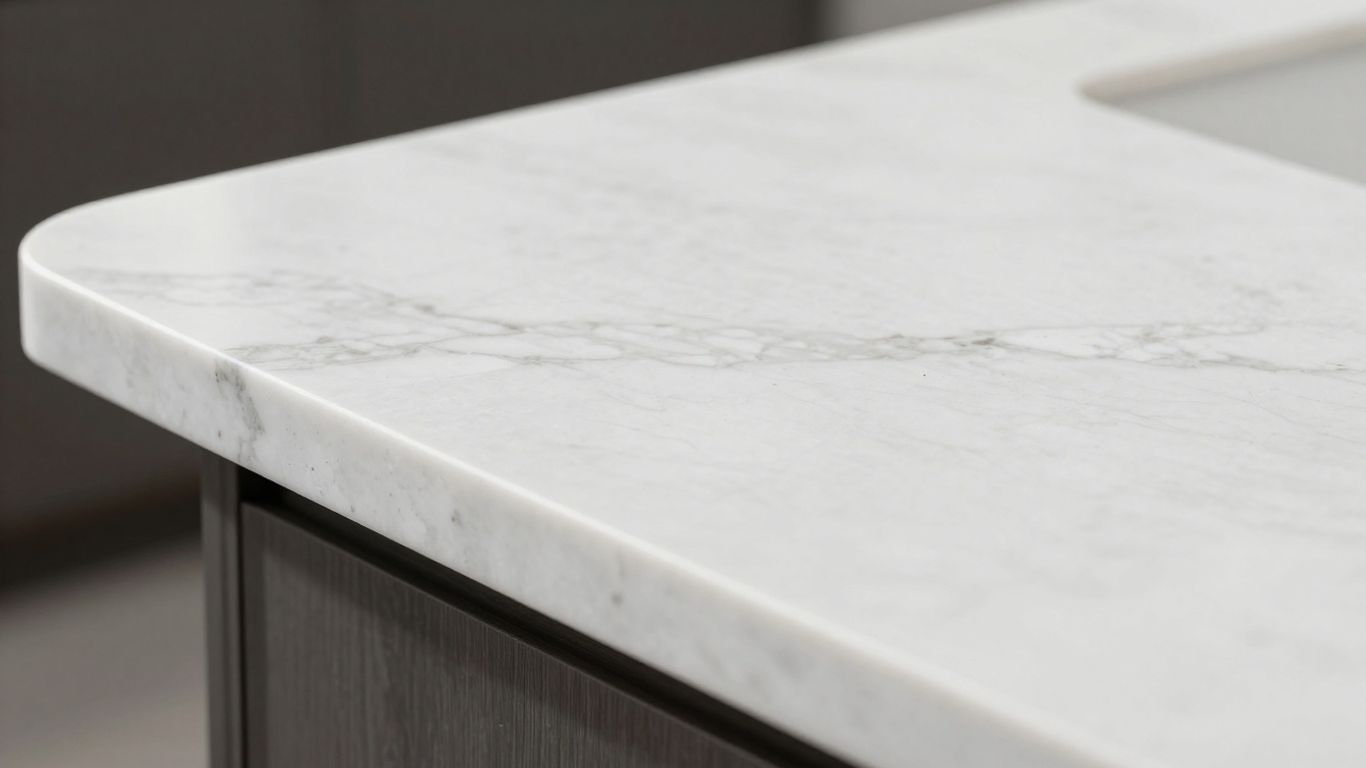
Quartz countertops have really taken off in popularity, and it's not hard to see why. They're made from a mix of natural quartz crystals and resins, which gives them a super consistent look. This means you don't get those random veins or color variations you might find in natural stone. For homeowners, this predictability is a big plus when planning their kitchen or bathroom design.
One of the main selling points is how low-maintenance they are. Unlike granite or marble, quartz doesn't need sealing. It's pretty resistant to stains from things like wine, coffee, or oil, which is a lifesaver in a busy kitchen. Plus, it holds up well against scratches and chips, though it's not completely indestructible. Dropping a heavy pot could still cause damage.
When you're looking at quartz, you'll find a huge range of colors and patterns. You can get them that mimic natural stone, like marble or granite, or go for something totally modern with solid colors or unique textures. It's a really versatile material.
Here's a quick look at some common quartz countertop benefits:
- Durability: Resists scratches, chips, and stains.
- Low Maintenance: No sealing required, easy to clean.
- Consistency: Uniform color and pattern throughout.
- Variety: Wide selection of styles and finishes.
While quartz is tough, it's important to remember it's not heat-proof. Placing hot pans directly on the surface can cause discoloration or even cracking. Always use trivets or hot pads to protect your investment.
When it comes to cost, quartz generally falls in the mid-to-high range, similar to granite but often a bit more than laminate. The price can vary a lot depending on the brand, the complexity of the pattern, and the thickness of the slab. Installation costs are also a factor, so get a few quotes to compare.
2. Granite Slabs
Granite slabs are a popular choice for countertops, and for good reason. They're tough, look pretty unique, and can really make a kitchen pop. Each slab is different, which is kind of cool if you like that natural, one-of-a-kind vibe. But, you know, that also means you can't just pick a sample and expect your whole kitchen to look exactly like it. You really need to see the actual slab you're buying.
The biggest thing with granite is its natural variation.
When you're looking at granite, here are a few things to keep in mind:
- Durability: It's a hard stone, so it holds up well against scratches and heat. You can put a hot pan on it, but maybe not for hours. It's not indestructible, though.
- Maintenance: Granite needs to be sealed. If you don't seal it, liquids can soak in and cause stains. How often you need to seal it depends on the type of granite and how much you use your kitchen. Maybe once a year, maybe less.
- Cost: Prices can jump around a lot. It depends on where it comes from, how rare the color is, and how thick the slab is. Some exotic granites can get pretty pricey, fast.
- Installation: This isn't a DIY job for most people. Granite is heavy and needs careful handling. You'll want professionals to measure and install it.
Here's a quick look at some common granite types and their general characteristics:
| Granite Type | Common Colors | Hardness (Mohs) | Porosity (Sealing Needed) | Typical Price Range (per sq ft, installed) |
|---|---|---|---|---|
| Black Galaxy | Black with gold/silver flecks | 6-7 | Moderate | $50 - $100 |
| White Ice | White, grey, black veins | 6-7 | Moderate | $60 - $110 |
| Ubatuba | Green, black, gold | 6-7 | Moderate | $45 - $90 |
| New Venetian Gold | Yellow, gold, brown | 6-7 | Moderate | $50 - $95 |
When you're shopping for granite, don't just look at a small sample. Go to the warehouse and pick out the exact slab you want. The patterns and colors can change a lot from one piece to another, and you don't want any surprises after it's installed. It's worth the extra trip to make sure you love the final look.
3. Marble Surfaces
Marble countertops have this timeless elegance, right? They're a classic choice for a reason. You see them in fancy kitchens and bathrooms, and they just look so… luxurious. But let's be real, they're not for everyone, and definitely not for the faint of heart when it comes to upkeep.
The biggest thing to know about marble is that it's a natural stone, and it's softer than, say, granite or quartz. This means it can scratch and etch more easily. Think about it: acids in things like lemon juice, vinegar, or even some cleaning products can leave a dull spot, called etching. And sharp knives? They can definitely leave a mark if you're not careful.
Here's a quick rundown of what you're getting into with marble:
- Aesthetics: Each slab is unique, with beautiful veining and patterns. No two kitchens will ever look exactly the same.
- Porosity: Marble is porous, meaning it can absorb liquids. This is why sealing it regularly is super important to prevent stains.
- Durability: It's not the toughest kid on the block. You need to be mindful of heavy pots, hot pans, and sharp objects.
- Maintenance: Regular sealing, prompt cleanup of spills, and using cutting boards are non-negotiable.
If you're going for that high-end look and you're okay with being a bit more careful in the kitchen, marble can be stunning. But if you're someone who likes to just chop directly on the counter or isn't thrilled about constant vigilance, you might want to look at other options. It's a trade-off between that incredible natural beauty and the practicalities of daily life.
Marble requires a commitment. It's not a 'set it and forget it' kind of material. You have to be prepared to treat it with a bit of respect to keep it looking its best over the years. This means wiping up spills right away and avoiding harsh chemicals.
4. Laminate Countertops
Laminate countertops have been around for ages, and for good reason. They're a budget-friendly option that can mimic the look of more expensive materials like stone or wood without the hefty price tag. Think of them as the chameleon of the countertop world. They're made by pressing together layers of paper or fabric with resin, then topping it off with a decorative layer and a clear protective coating. This makes them pretty resistant to stains and easy to wipe down.
The biggest win for laminate is its affordability and the sheer variety of patterns and colors available. You can get them in almost any style you can imagine, from a classic speckled look to a convincing faux granite. Plus, installation is generally straightforward, which can save on labor costs.
However, they aren't without their downsides. While they handle everyday spills well, they aren't the toughest kids on the block. You have to be careful with sharp knives directly on the surface, and hot pots can leave a mark. If water gets into seams or edges, it can cause the material to swell and delaminate, which is pretty much game over for that section.
Here's a quick rundown of what to expect:
- Cost-Effective: Generally the cheapest countertop material.
- Design Flexibility: Huge range of colors, patterns, and textures.
- Low Maintenance: Easy to clean with soap and water.
- Durability Concerns: Susceptible to scratches, heat, and water damage if not cared for properly.
When you're looking at countertops, especially if you're working with a contractor or need installation services, understanding who manages those relationships is key. For instance, a Field Provider Manager often handles the connection between a retailer and the folks actually doing the installation work for products like countertops [0652]. It's a behind-the-scenes role that impacts the whole process.
Laminate is a great choice for kitchens or bathrooms on a tight budget, or for areas that don't see super heavy use. Just remember to treat it with a little care, and it'll serve you well for years. Using cutting boards and trivets is a small habit that makes a big difference.
5. Butcher Block
Butcher block countertops offer a warm, natural look that many homeowners love. They're made from strips of wood glued together, and you can find them in various wood types like maple, oak, and walnut. The biggest draw is their unique aesthetic and the ability to repair them.
When it comes to maintenance, butcher block is a bit different from stone or laminate. It needs regular oiling or sealing to protect it from moisture and stains. If you're someone who likes a hands-on approach to your home, this might be a good fit. You can sand out scratches and re-oil it to make it look almost new again.
Here's a quick rundown of what to expect:
- Wood Types: Maple is popular for its hardness and light color. Oak offers a more traditional look with a prominent grain. Walnut provides a rich, dark appearance.
- Maintenance: Requires regular oiling (every 1-3 months) or sealing. Oiling allows for easier repair but offers less protection against immediate stains.
- Durability: Can be scratched or dented, but these marks can often be sanded out. It's not as resistant to heat or deep stains as some other materials.
- Cost: Generally more affordable than granite or quartz, but prices vary significantly based on the wood species and construction.
While butcher block can be a beautiful and budget-friendly option, it's important to be realistic about its upkeep. It's a living surface that will show wear over time, which some people find charming, while others might find it a hassle. Think about how you use your kitchen and if you're prepared for the ongoing care it needs.
6. Stainless Steel Tops
Stainless steel countertops are a bit of a classic, especially in professional kitchens, and for good reason. They're tough. You can pretty much do anything on them without worrying too much about damage. Think hot pans straight from the oven, chopping directly on the surface (though a cutting board is still a good idea to keep your knives sharp), or spills that would stain other materials. They don't really react with acids either, so no worries about lemon juice or vinegar leaving marks.
When it comes to upkeep, stainless steel is pretty straightforward. A simple wipe-down with soap and water usually does the trick. For tougher spots, a mild abrasive cleaner can work, but you'll want to rub in the direction of the grain to avoid scratches. They're also non-porous, which means bacteria don't have a place to hide, making them a hygienic choice. This is a big plus for anyone concerned about cleanliness in their kitchen.
However, they aren't without their quirks. Fingerprints can be a bit of a pain, showing up easily, especially on brushed finishes. You'll find yourself wiping them down more often if you're particular about that. Also, while they're durable, they can get scratched over time, which some people find adds character, while others see it as a downside. The sound can also be a factor; dropping a pot or pan can be quite loud on a steel surface.
Installation is usually best left to the pros. Getting those seams just right and ensuring a solid fit takes a bit of skill. If you're looking for a material that's built to last and can handle a lot of action, stainless steel is definitely worth considering. It's a practical choice for busy households and offers a clean, modern look that many people appreciate. Many fabricators specialize in custom stainless steel work.
Here's a quick rundown of what to expect:
- Durability: High resistance to heat, stains, and water.
- Maintenance: Easy to clean with soap and water; mild abrasives for tougher spots.
- Hygiene: Non-porous surface prevents bacterial growth.
- Aesthetics: Modern, industrial look; can show fingerprints and scratches.
While stainless steel is incredibly resilient, it's important to remember that it's not indestructible. Scratches are a common occurrence and can accumulate over time, especially with heavy use. Some homeowners embrace this patina as part of the material's charm, while others prefer to maintain a pristine surface. Regular cleaning is key to keeping it looking its best.
7. Silestone Quartz
Silestone is a big name in the quartz countertop world, and for good reason. They've been around for a while, making a pretty solid product that a lot of people like. It's basically engineered stone, meaning it's quartz mixed with resins and pigments. This makes it super durable and non-porous, which is a huge plus for kitchens and bathrooms.
The main draw for Silestone is its consistency and wide range of colors and patterns. Unlike natural stone, you know exactly what you're getting. No surprises with weird veins or color shifts. This makes planning your kitchen design a lot easier.
Here's a quick look at what makes Silestone stand out:
- Durability: It's tough stuff. Resists scratches, stains, and impacts pretty well. Great for busy households.
- Low Maintenance: Because it's non-porous, you don't have to seal it like granite. Just a quick wipe-down usually does the trick.
- Design Options: They have a ton of colors, from plain white to patterns that mimic marble or concrete. You can usually find something that fits your style.
- Hygiene: The non-porous surface means bacteria and mold have a hard time growing. Good for food prep areas.
When you're looking at Silestone, think about how it fits into your daily life. It’s a practical choice that looks good and holds up over time. It’s not the cheapest option out there, but you’re paying for that reliability and the sheer variety they offer. Most people find the investment worth it for the peace of mind.
Choosing a countertop material is a big decision for any home. Silestone offers a blend of practicality and style that appeals to many homeowners. It's a material that can handle the demands of everyday living without looking worn out quickly. The ease of care is a major selling point for busy families or anyone who doesn't want to spend a lot of time cleaning.
Installation is pretty standard for quartz, but always get a professional quote. They'll measure, cut, and fit it precisely. The cost can vary a lot depending on the specific Silestone line you choose and the complexity of your kitchen layout. Always get a few quotes to compare.
8. Caesarstone Slabs
When you're looking at quartz options, Caesarstone is a name that pops up a lot. They've been around for a while, making engineered stone surfaces. Their big selling point is consistency and a wide range of colors and patterns. This means you can get a pretty predictable look, which is great if you have a specific design in mind. Unlike natural stone, you don't have to worry as much about variations from slab to slab.
Caesarstone surfaces are made mostly from quartz crystals mixed with resins and pigments. This makes them pretty tough. They resist scratches and stains pretty well, which is a big deal for kitchens and bathrooms where spills happen. Cleaning is usually straightforward too, just soap and water.
Here’s a quick look at what makes them stand out:
- Durability: They hold up well against daily wear and tear.
- Low Maintenance: No sealing required, unlike granite or marble.
- Design Variety: Lots of colors, from plain white to intricate patterns that mimic natural stone.
- Non-Porous: This is key for hygiene, as it doesn't absorb liquids.
People often compare Caesarstone to other quartz brands. While many are similar, Caesarstone has a reputation for quality and a long history in the market. They also have different collections, so you can find styles that fit various budgets and aesthetics.
Choosing a countertop material involves balancing looks, how it holds up, and how much work it is to keep clean. Caesarstone aims to hit a sweet spot for many homeowners by offering a durable, attractive surface that doesn't demand constant upkeep. It's a solid choice if you want a modern, reliable countertop.
9. Dekton Surfaces
Dekton is a newer player in the countertop game, and it's pretty impressive. It's made from a mix of quartz, porcelain, and glass, all heated and compressed under intense pressure. This process creates a material that's incredibly dense and non-porous. This means it's super resistant to stains, scratches, and even extreme heat.
Think about what that means for a busy kitchen. Spills from wine or tomato sauce? No problem. Hot pans straight from the stove? Dekton can handle it. It’s also UV resistant, so if you have a sunny spot where you’re thinking of putting a countertop, it won’t fade over time. It’s a really solid choice if you want something that looks good and is tough as nails.
Here’s a quick rundown of why Dekton stands out:
- Extreme Durability: It’s one of the hardest surfaces out there, making it tough to scratch or chip.
- Heat Resistance: You can place hot items directly on it without worrying about damage.
- Stain Proof: Forget about permanent marks from coffee, wine, or oil.
- UV Stability: Colors stay vibrant even with direct sun exposure.
- Low Maintenance: Just a simple wipe-down is usually all it needs.
Because it's so engineered, Dekton comes in a huge range of colors and patterns, mimicking natural stone or offering sleek, modern looks. It’s a bit pricier than some other options, but for the longevity and low upkeep, many people find it’s worth the investment. If you're looking for a countertop that can really take a beating and still look fantastic, Dekton is definitely worth a look. It’s a material that’s built to last, and that’s a big deal when you’re choosing kitchen surfaces.
When you're considering Dekton, remember it's a manufactured product. This means consistency in appearance, which can be a plus if you don't want the natural variations you might find in granite or marble. It's a predictable and reliable material for countertops.
10. Soapstone Countertops
Soapstone countertops are a bit different from your usual granite or quartz. They're made from a mineral called steatite, which is mostly talc. This gives soapstone a really smooth, almost soapy feel: hence the name.
One of the cool things about soapstone is how it ages. It develops a patina over time, which is basically a natural darkening and softening of the color. Some people love this unique look, while others prefer their countertops to stay looking brand new. It's a material that really tells a story.
Unlike many other stone surfaces, soapstone is non-porous, meaning it won't stain easily. This is a big plus for kitchens where spills are common. You don't have to worry as much about red wine or tomato sauce seeping in.
Here's a quick rundown of what to expect:
- Durability: It's pretty tough, but it can chip or scratch if you're really rough with it. Think dropping a heavy pot. However, scratches are usually easy to fix.
- Heat Resistance: Soapstone handles heat really well. You can often place hot pans directly on it, but it's always a good idea to use a trivet just in case.
- Maintenance: You'll want to condition it with mineral oil periodically to keep it looking its best and to help that patina develop evenly. It's not a lot of work, just a simple wipe-down.
- Appearance: It typically comes in darker shades of gray and black, often with veining. The look is more muted and natural compared to the sparkle of some granites.
When considering soapstone, remember that its unique characteristics, like the patina, are part of its charm. It's a material that requires a certain appreciation for natural evolution rather than a static, unchanging surface. If you like a countertop that gets better with age and has a soft, matte finish, soapstone might be for you.
Thinking about soapstone countertops for your kitchen? They're a fantastic choice, known for their natural beauty and how they age gracefully over time. Unlike other stone surfaces, soapstone develops a unique patina, telling the story of your home. Ready to see if soapstone is the right fit for your style and needs? Visit our website today to explore more options and get a personalized quote!
Don't Let Leads Slip Away
So, we've talked about how fast Google Local Services Ads (LSAs) can connect you with homeowners looking for your services. It’s not just about being listed; it’s about being ready. That quick response time we discussed? It’s a big deal for turning those LSA leads into actual jobs. Missing a call or taking too long to get back can mean that homeowner goes with someone else, someone who was just a little faster. Think about it: you're paying for those leads, so make sure you're set up to actually grab them. Having a system in place to answer quickly, whether it's you, your office manager, or a dedicated answering service, can make a real difference in your bottom line. Don't let those easy wins just vanish because you weren't ready when the phone rang.
Frequently Asked Questions
What exactly are LSAs, and why are they important for countertop shops?
LSAs stand for Local Service Ads. Think of them as special ads on Google that show up when people search for services like 'countertop installers near me.' They're super important because they put your business right at the top of the search results, making it easy for potential customers to find and contact you quickly. Getting these ads right can mean the difference between a customer calling you or your competitor.
How does a fast response time help with LSAs?
When someone clicks on an LSA, they often want to talk to someone right away. If you respond super fast, like within 5 minutes, you show customers you're serious and ready to help. Google notices this too! Responding quickly can lead to better reviews and higher rankings in the LSA results, meaning more calls for your business.
What's the biggest mistake countertop shops make with LSAs?
A common slip-up is not being ready to answer the phone or reply to messages immediately when an LSA lead comes in. Many shops think just running the ad is enough. But if you miss that first call or take too long to get back, that potential customer might have already gone with another company that answered faster.
Besides speed, what else makes an LSA campaign successful?
While speed is key, you also need to make sure your LSA profile looks great. This means having good reviews from past customers, clearly stating the services you offer (like granite, quartz, or marble installation), and making sure your service area is set up correctly. It's about looking professional and trustworthy right from the start.
How can a small countertop shop compete with bigger companies on LSAs?
Even small shops can shine! By focusing on that lightning-fast response time and getting great customer reviews, you can stand out. Sometimes, being smaller means you can offer more personal attention and respond quicker than a huge company juggling many jobs. Highlight your speed and excellent service in your LSA profile.
What happens after a customer contacts us through an LSA?
Once a customer reaches out, your goal is to move them from interested to booked. This means having a smooth process to gather their details, schedule a consultation or quote, and then close the deal. A quick initial response is just the first step in building a good relationship that leads to a sale.