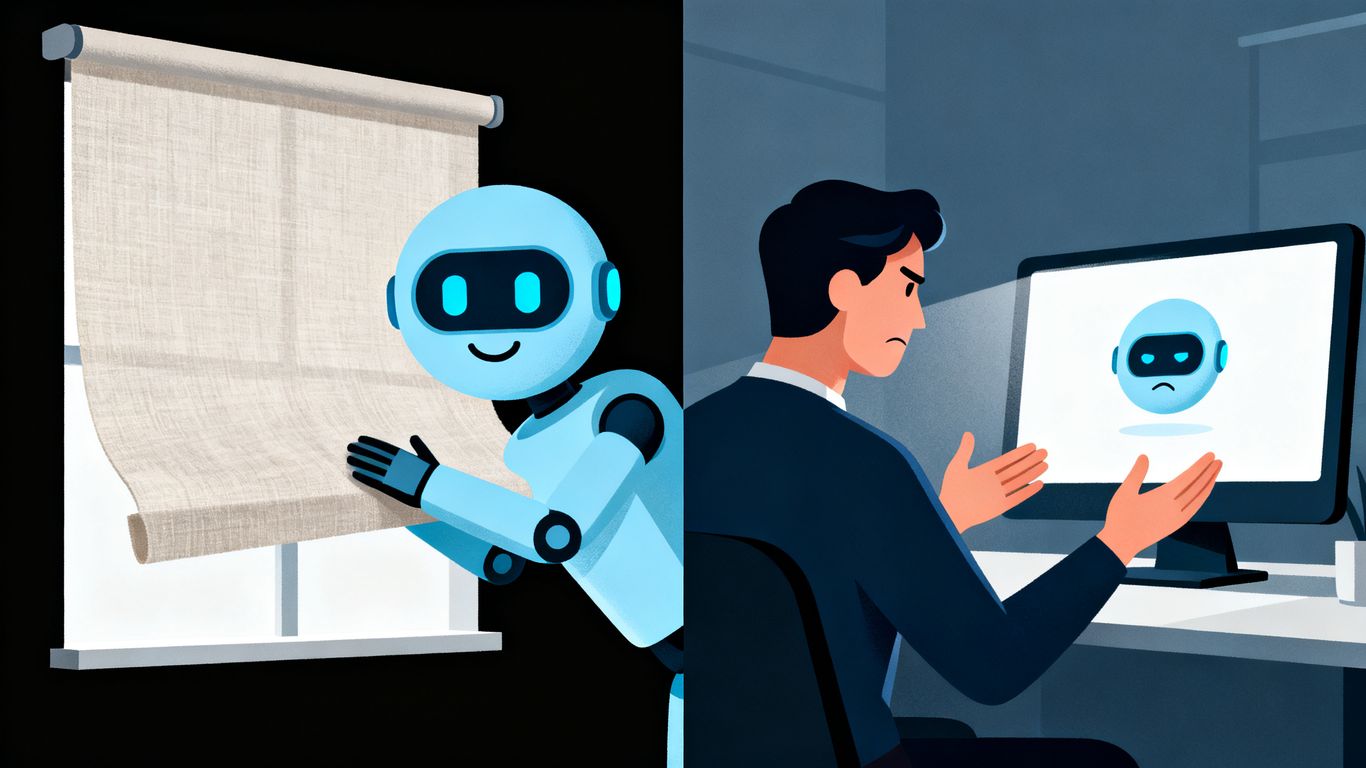
So, you're thinking about putting one of those AI chatbots on your window treatment website. The idea is that it could help people book appointments, right? Like, make things easier for them and for you. But then you start wondering, will it actually help, or will it just get in the way? We're going to look at how these window treatment AI chatbot booking tools can work, what could go wrong, and how to make sure they actually help your business instead of just annoying people.
Key Takeaways
- AI chatbots can help customers find window treatment options and schedule consultations, simplifying the buying process.
- When an AI chatbot works well, it can guide users to the right products and book appointments without needing a person.
- There's a risk that a poorly designed chatbot can confuse customers or fail to answer their specific questions about window treatments.
- To make window treatment AI chatbot booking effective, the AI needs good training on your specific products and services.
- The goal is for AI to assist, not replace, the human element entirely, especially for complex decisions in window treatment sales.
Integrating AI Chatbots Into Window Treatment Sales
Understanding the Role of AI in E-commerce
So, AI chatbots are showing up on more and more websites, and window treatment businesses are no exception. It’s not just about having a fancy tech feature; it’s about changing how people shop online. Think about it – when you’re looking for new blinds or curtains, you might have a lot of questions. AI can step in to answer those right away, even if it's late at night. This immediate availability can make a big difference in keeping a potential customer engaged. It’s a way to make the online shopping experience feel a bit more like talking to someone in a store, but without the pressure. These tools are getting pretty good at capturing visitor information and starting the sales conversation, which is a big deal for lead generation.
AI Chatbot Functionality for Window Treatments
What can these bots actually do for window treatments? Well, they can guide customers through different product types, ask about room dimensions, and even help figure out the best material for a specific need, like blackout for a bedroom or light-filtering for a living room. They can also handle common questions about measuring, installation, or care instructions. Some are even programmed to help with basic design choices, suggesting colors or styles that might match a customer's existing decor. It’s like having a virtual assistant who knows the product catalog inside and out.
- Answering frequently asked questions about materials and styles.
- Collecting basic customer information like name, email, and project type.
- Providing links to relevant product pages or measurement guides.
- Scheduling initial consultations or quote requests.
Setting Expectations for AI Booking Tools
It’s important to be realistic about what AI can do, especially when it comes to booking. While chatbots can certainly simplify the initial steps, they aren't quite ready to handle every single complex scenario. They're best used for straightforward tasks and gathering information. Trying to push them too far, too fast, can lead to frustration for both the customer and the business. For window treatments, a bot might be able to help a customer book a free in-home measurement, but it probably can't negotiate pricing or handle a highly custom design request on its own. It’s about finding that sweet spot where the AI assists without getting in the way.
Setting clear expectations upfront is key. Customers should understand that the chatbot is a tool to help them get started, not a replacement for human interaction when complex decisions need to be made. This transparency prevents disappointment and builds trust.
Implementing these tools effectively means starting with a clear goal in mind and making sure the bot is trained on good information. You want to put it where customers are already looking for help. Investing in the right technology and then continually tweaking how it works is how you get the most out of it for improving sales processes.
Enhancing Customer Experience with AI Booking
So, how can these AI chatbots actually make things better for folks looking for new window treatments? It's not just about having a bot on the site; it's about making the whole process smoother and more helpful. The goal is to take the guesswork out of buying blinds or curtains online.
Streamlining the Consultation Process
Think about it: you're on a website, maybe late at night, and you have questions. Instead of waiting for business hours or digging through FAQs, a chatbot can jump in. It can ask you about your room size, the kind of light you get, and what style you're going for. It's like having a quick chat with a knowledgeable assistant right there.
- Initial Questions: The bot can gather basic info like room dimensions and window type.
- Style Preferences: It can ask about your decor – modern, traditional, minimalist?
- Light Control Needs: Do you need blackout, light filtering, or just privacy?
This initial information gathering means that when you do talk to a human, they already have a head start. It cuts down on repetitive questions and gets you closer to a solution faster. It’s a bit like how some sites use AI to help you find the right product.
Personalized Product Recommendations
Based on what you tell the chatbot, it can start suggesting specific products. If you say you have a sunny west-facing room and want to keep it cool, the bot can point you towards energy-efficient blinds. If you mention a nursery, it might suggest cordless options for safety. It's not just random suggestions; it's tailored to what you've said.
This kind of guided selection can prevent overwhelm. Instead of scrolling through hundreds of options, customers get a curated list that actually fits their needs.
Facilitating Appointment Scheduling
Once you've got a better idea of what you want, the next step is often getting measurements or a final consultation. AI chatbots can make this super easy. They can check available slots in a calendar and let you book an appointment right then and there, without even leaving the chat window. This is a big win for busy people who don't have time to play phone tag.
- Check Availability: The bot accesses real-time appointment schedules.
- Select Time: You pick a date and time that works for you.
- Confirmation: You get an immediate confirmation, often with calendar integration.
Potential Pitfalls of Window Treatment Chatbots
While AI chatbots sound great on paper for window treatment sites, they can sometimes cause more headaches than they solve. It’s not always smooth sailing, and customers can get pretty frustrated if the bot isn't up to snuff. The biggest issue is when the chatbot becomes a barrier instead of a helper.
When AI Becomes an Obstacle
Imagine you’re just trying to get a quick answer about blackout blinds, and the chatbot keeps asking you the same questions or sending you in circles. That’s a fast way to lose a potential sale. Sometimes, the bot just doesn't understand what you're asking, even if it seems simple to you. It might be programmed to handle common questions, but anything outside that box can lead to confusion. This can happen if the bot isn't trained well on the specific types of window treatments a company sells, like custom shutters versus standard blinds.
Addressing Complex Customer Inquiries
Window treatments aren't always straightforward. People have questions about specific fabric types, light filtering levels, energy efficiency ratings, or how to measure for oddly shaped windows. A chatbot might struggle with these detailed, nuanced questions. If a customer needs to know if a certain fabric is hypoallergenic or how to clean a specific type of shade, a bot might just offer a generic answer or, worse, a link to a FAQ page that doesn't quite cover it. This is where human interaction really shines. For instance, a customer might be looking for a solution for a very specific business need, and the chatbot simply isn't equipped to handle that level of detail.
Maintaining the Human Touch in Sales
Buying window treatments is often a significant purchase for a homeowner. It involves aesthetics, functionality, and a good chunk of money. People often want to talk to a real person to get reassurance, discuss design ideas, or get help with the final decision. If a chatbot is the only point of contact, especially for complex orders or custom requests, it can feel impersonal and make customers hesitant. It's like trying to pick out paint colors from a robot – you miss the expert advice and personal touch.
Chatbots are tools, and like any tool, they can be misused or poorly implemented. If the goal is to book appointments, but the chatbot consistently fails to gather the necessary information or understand the customer's availability, it's not serving its purpose. This can lead to missed appointments, incorrect bookings, and a generally poor impression of the company's service.
Optimizing AI Chatbot Performance for Bookings
So, you've got an AI chatbot on your window treatment site, and you want it to actually help people book appointments, not just confuse them. That's the goal, right? It's not enough to just have the tech; you've got to make sure it's working well. Think of it like tuning up a car – you want it running smoothly before you take it on a long trip.
Training AI for Specific Product Knowledge
This is where the real work happens. Your chatbot needs to know about blinds, shades, shutters, and all the fabrics and features that come with them. If a customer asks about blackout cellular shades for a nursery, the bot should know what that means and what options are available. It's not just about general chat; it's about specific product details. The more detailed the training data, the better the chatbot can answer questions and guide users.
Here’s a breakdown of what that training looks like:
- Product Catalog Integration: Feeding the AI detailed information about every product, including dimensions, materials, colors, and operating mechanisms.
- Common Questions & Answers: Compiling a list of frequently asked questions about window treatments and providing accurate, helpful answers.
- Scenario-Based Learning: Training the AI on typical customer interactions, like someone looking for energy-efficient options or child-safe blinds.
Measuring Chatbot Effectiveness
How do you know if your chatbot is actually doing a good job? You need to track its performance. It's not just about how many people talk to it, but what happens afterward. Did they book an appointment? Did they get frustrated and leave? Looking at AI search trends can give you an idea of how users are interacting with your site.
Here are some key metrics to watch:
- Conversion Rate: What percentage of chatbot interactions lead to a booked appointment?
- Resolution Rate: How often does the chatbot successfully answer a user's question or complete a requested task without needing human intervention?
- Customer Satisfaction Scores (CSAT): After an interaction, ask users to rate their experience. This gives you direct feedback.
- Abandonment Rate: At what point do users stop interacting with the chatbot? This can highlight areas where the bot is failing.
Iterative Improvement of AI Interactions
Once you start measuring, you'll find things to fix. Maybe the bot misunderstands certain terms, or perhaps it offers solutions that aren't quite right. That's okay! The beauty of AI is that it can learn and improve. You'll want to regularly review the chat logs, identify patterns of errors or confusion, and use that information to retrain the AI. This continuous cycle of experience optimization is what turns a basic chatbot into a genuinely useful tool.
The goal isn't to replace human interaction entirely, but to make the initial steps of the customer journey smoother and more efficient. A well-trained chatbot can handle routine inquiries, freeing up your sales team for more complex needs and closing deals.
The Future of AI in Window Treatment Sales
So, what's next for AI chatbots in the world of blinds and curtains? It's not just about answering questions anymore. We're looking at a future where these tools get way smarter, almost like having a virtual assistant who knows your inventory inside and out. The goal is to make the entire buying process smoother, from the first click to the final installation.
Predictive Analytics for Customer Needs
Imagine a chatbot that doesn't just react to what you ask, but anticipates what you might need. By looking at past customer behavior, browsing patterns, and even external trends, AI can start guessing what kind of window treatments a customer might be interested in. For example, if it's getting hotter outside, the AI might proactively suggest energy-saving blinds or shades. It's about getting ahead of the curve and offering solutions before the customer even realizes they need them. This kind of proactive approach can really change how people shop for home goods.
Seamless Integration with CRM Systems
Right now, sometimes the information from a chatbot doesn't quite make it into the main customer database. That's changing. The future involves AI chatbots that talk directly and smoothly with your Customer Relationship Management (CRM) system. This means every interaction, every question asked, and every preference noted by the chatbot gets logged automatically. It gives your sales team a complete picture of the customer, making their follow-up much more informed and personal. Think of it like this:
- Customer interacts with chatbot.
- Chatbot logs key details (product interest, budget, style preference) into CRM.
- Salesperson receives a notification with a summary of the interaction.
- Salesperson contacts customer with tailored information.
This connection helps avoid repetitive questions and makes the customer feel like they're being listened to throughout their journey. It's a big step up from just having a standalone chat tool. This kind of integration is becoming standard practice in many online sales environments, making customer service more efficient.
Evolving AI Capabilities for Enhanced Bookings
We're moving beyond simple appointment setting. Future AI chatbots will likely handle more complex booking scenarios. This could include:
- Coordinating installation times based on installer availability.
- Suggesting add-on services like professional cleaning or repair.
- Handling rescheduling requests with minimal human intervention.
The technology is advancing rapidly, and the focus is shifting towards making AI tools more intuitive and less like a rigid script. The aim is to create an experience that feels helpful and natural, not robotic.
Ultimately, the aim is to make the booking process so easy that customers barely have to think about it. It's about using AI to remove friction and make the path to purchasing window treatments as straightforward as possible.
Get ready for a big change in how we sell window treatments! Artificial intelligence, or AI, is making things smarter and easier for everyone. Imagine AI helping customers find the perfect blinds or curtains in a snap. This tech is changing the game, making shopping for your home more fun and efficient. Want to see how AI can help you pick out amazing window coverings? Visit our website today to learn more!
So, Chatbots: Friend or Foe?
Look, figuring out if those AI chatbots on window treatment sites are actually helping people book appointments or just getting in the way is still a bit of a toss-up. For some folks, they’re a quick way to get answers and maybe even set up a consultation without waiting for a human. But for others, it feels like another hurdle, a robotic voice that doesn't quite get what they need. It really comes down to how well the chatbot is set up and if it can actually solve problems, not just ask a bunch of questions. If it’s clunky and unhelpful, it’s probably just annoying. But if it can genuinely speed things up and guide customers smoothly, then maybe it’s worth keeping around. We'll have to see how this plays out as more companies jump on board.
Frequently Asked Questions
What exactly is an AI chatbot on a window treatment website?
Think of an AI chatbot as a smart computer helper on a website. For window treatments, it can answer your questions about blinds, shades, or shutters. It can also help you figure out what might look best in your home and even help you set up a time to talk to a real person or schedule an in-home measurement.
Can a chatbot really help me book an appointment for window treatments?
Yes, it can! A good chatbot can guide you through the process. It might ask about the rooms you need treatments for, the style you like, and your budget. Based on your answers, it can suggest products and then offer to book a consultation or measurement appointment with a specialist.
Will the chatbot understand what I want for my windows?
Chatbots are getting smarter all the time. They are trained with lots of information about different window treatments. While they can handle many common questions and guide you to the right products, sometimes for very unique styles or tricky window shapes, you might still need to chat with a human expert.
Is it annoying to talk to a chatbot instead of a person?
Sometimes, yes, if the chatbot isn't very helpful or keeps asking the same questions. But when they work well, they can be super fast at giving you basic info or helping you book an appointment, especially if you're just browsing late at night or on a weekend when no one else is available.
What happens if the chatbot can't answer my question?
A well-designed chatbot will know when it's stuck. It should then offer to connect you with a live person, like a sales rep or customer service agent, who can take over and give you the specific help you need. It's like a helpful assistant that knows when to pass the ball.
How does a chatbot help the window treatment company?
For the company, chatbots can handle lots of simple questions and tasks, freeing up their human staff to focus on more complex sales or customer issues. They can also collect information from visitors, helping the company understand what customers are looking for and making the sales process smoother when a real person steps in.