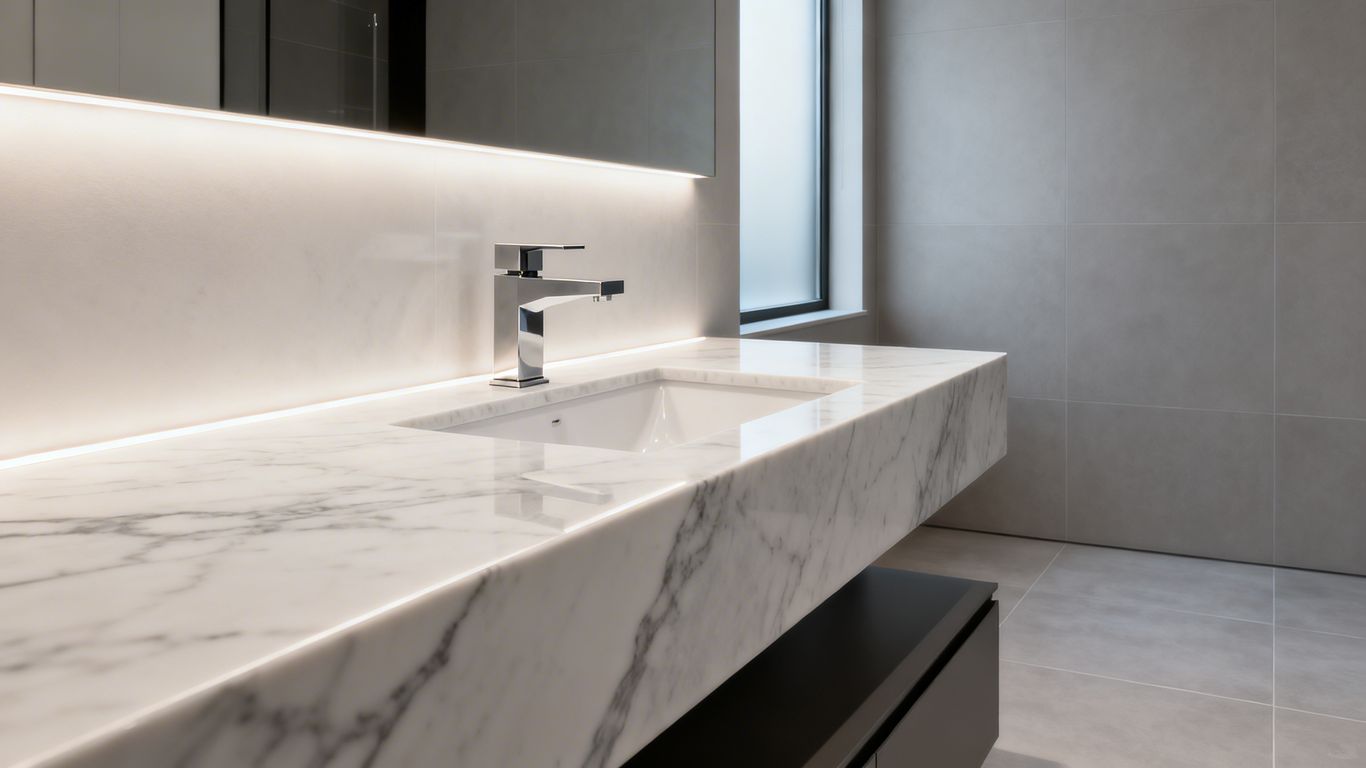
You know, most home service businesses focus on the big jobs, like a full bathroom remodel. And sure, those are great. But what about the smaller, often overlooked opportunities? I'm talking about bathroom vanity countertops. It's a simple add-on, a chance to make a bit more money from customers you're already working with. We see it all the time: businesses missing out on this easy win because they aren't thinking about the countertop bathroom vanity cross sell. Let's talk about how to change that.
Key Takeaways
- Think about adding countertop sales to your bathroom services. It's an easy way to get more money from jobs you're already doing.
- Show homeowners different countertop materials and styles when they're thinking about bathroom updates. Make it easy for them to see what looks good.
- Use good pictures of countertops on your website and in your ads. Before-and-after photos can really show people the difference a new countertop makes.
- Train your team to talk about countertops with customers. Make the process of picking and paying for a countertop simple.
- Keep track of how many customers buy countertops when you offer them. This helps you see what's working and what's not for your countertop bathroom vanity cross sell.
Unlock Hidden Revenue With Bathroom Vanity Countertops
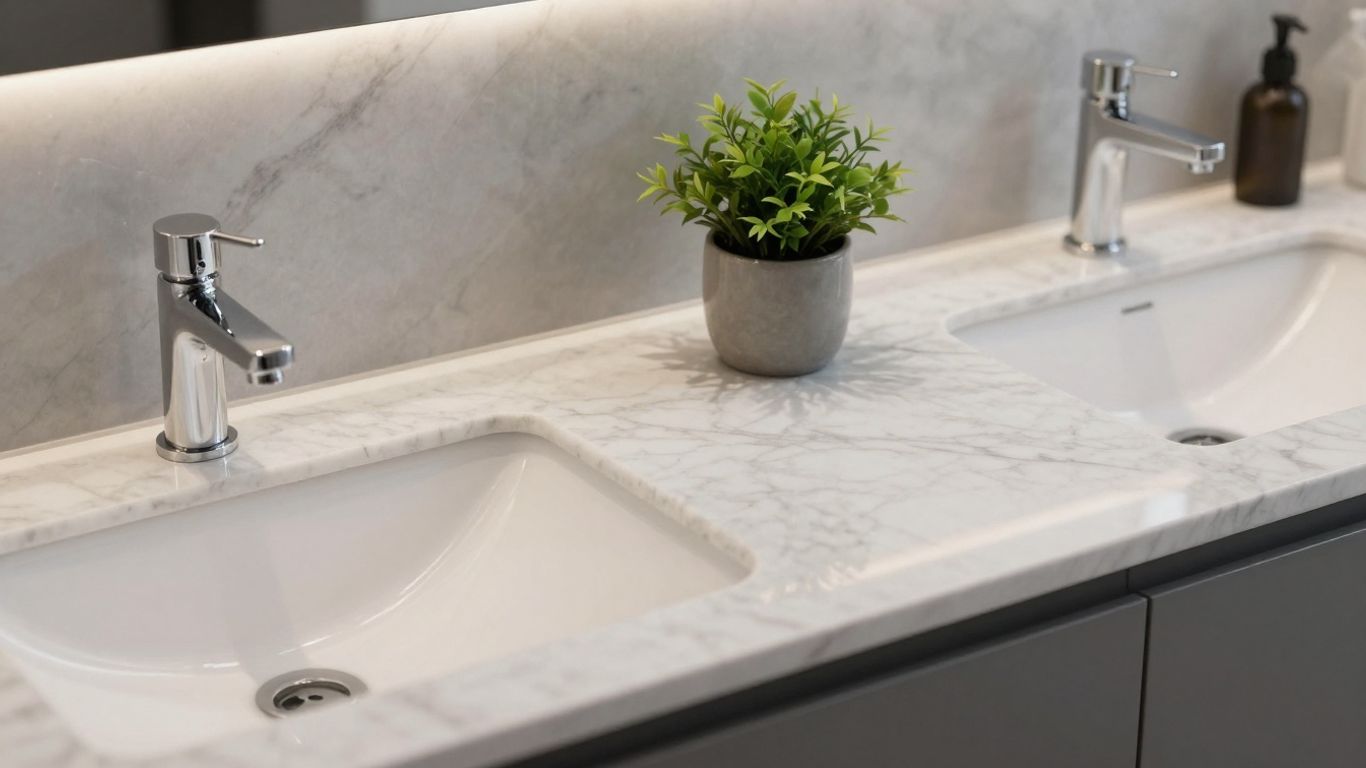
You know, most businesses that work on bathrooms – think plumbers, tile installers, cabinet makers – they often miss out on a big chunk of money. It’s right there, sitting on the vanity. We’re talking about the countertop. It’s a part of the bathroom that gets a lot of attention, and it’s a perfect spot to add more services or products without a ton of extra work.
The Untapped Potential of Countertop Cross-Selling
Think about it. When someone is getting a new vanity, they often need a new countertop too, right? Or maybe they’re just looking to update the countertop. It’s a relatively smaller project compared to a full bathroom remodel, but it can make a huge difference in how the whole room looks and feels. This is where you can step in and offer more. Instead of just doing the main job, you can suggest a new countertop as an add-on. It’s a simple way to increase the total sale amount.
Why Bathroom Vanities Are Prime Cross-Sell Candidates
Vanities are central to any bathroom. They’re functional, but they’re also a big style statement. People spend time choosing the vanity cabinet, the sink, and the faucet. The countertop ties it all together. Because it’s so visible, homeowners are often willing to spend a bit more to get it just right. It’s not just about having a place to put your toothbrush; it’s about the look and feel of the entire space. Plus, a worn-out or outdated countertop can make even a new vanity look old.
Integrating Countertops into Your Existing Service Offerings
Adding countertop services doesn't have to be complicated. If you’re already doing bathroom renovations, you can easily add countertop installation to your list. You could partner with a local stone fabricator or even start offering a few popular material options yourself. It’s about making it easy for the customer. They’re already trusting you with their bathroom; why wouldn’t they let you handle the countertop too?
Here’s a quick look at how countertop upgrades can add to a project:
| Service Provided | Average Project Cost | Potential Countertop Add-on Revenue |
|---|---|---|
| Vanity Cabinet Installation | $1,500 - $4,000 | $500 - $2,000 |
| Full Bathroom Remodel | $15,000 - $50,000+ | $750 - $3,000+ |
| Plumbing Fixture Upgrade | $300 - $1,000 | $400 - $1,500 |
Many homeowners see the countertop as the finishing touch. It’s the piece that really makes the vanity pop. If you can present good options and make the process simple, they’ll likely say yes.
Strategic Marketing for Countertop Cross-Selling
So, you've got these great bathroom vanity countertops, but how do you actually get people to buy them, especially when they're already thinking about a bathroom upgrade? It’s not just about having them; it’s about making sure the right people see them at the right time. This is where smart marketing comes in, turning those potential add-ons into actual sales.
Targeting Homeowners Ready for Bathroom Upgrades
Think about who is most likely to be in the market for a new countertop. It’s usually someone already planning a bigger bathroom project. They might be looking for a full remodel, or maybe just updating a few key pieces. How do you find these folks?
- Watch for renovation signals: People searching online for "bathroom remodel ideas," "new vanity," or even "tile installation" are probably in the planning stages.
- Connect with related services: If you offer plumbing, tiling, or general contracting, you're already talking to people who might need a countertop. Make sure your team asks about it.
- Local data: Keep an eye on home sales in your area. New homeowners often want to put their own stamp on things, and the bathroom is a common starting point.
You want to be the first thing they think of when they realize their current vanity top just won't cut it for their dream bathroom. It’s about being present when the need arises.
Leveraging Digital Ads for Countertop Visibility
Online ads can be super effective if you aim them right. You don't want to just blast ads to everyone; you want to reach people who are actively looking for what you offer.
- Search Engine Marketing (SEM): Bid on keywords like "quartz bathroom vanity top," "granite countertop for small bathroom," or "custom vanity tops near me." This puts your business right in front of people searching for solutions.
- Social Media Targeting: Platforms like Facebook and Instagram let you target users based on interests (like home improvement, interior design) and demographics. You can even target people who have recently moved or are looking at home renovation content.
- Retargeting: If someone visited your website but didn't buy, show them ads later. They might have just been browsing initially, but a reminder could be what they need.
Crafting Compelling Offers for Vanity Countertops
Just showing a picture isn't always enough. You need to give people a reason to choose your countertops now. Think about what makes a deal too good to pass up.
- Bundled Discounts: Offer a small discount if they buy the countertop along with a new vanity cabinet or installation service. This makes the combined purchase more attractive.
- Limited-Time Promotions: Create urgency with offers like "10% off all marble vanity tops this month only" or "Free sink with countertop purchase through April."
- Package Deals: Create pre-set packages. For example, a "Small Bathroom Refresh" package that includes a popular countertop material, a sink, and installation at a set price. This simplifies the decision for customers.
| Offer Type | Description | Potential Benefit |
|---|---|---|
| Bundle Discount | Countertop + Vanity Cabinet Discount | Increases average order value |
| Seasonal Promotion | "Spring Refresh" - Discount on specific colors | Drives immediate sales, clears inventory |
| Service Add-on | Free Sink Installation with Countertop Purchase | Reduces perceived cost of installation, adds value |
By focusing your marketing efforts on the right people at the right time with attractive offers, you can significantly boost your countertop sales.
Maximizing Your Countertop Bathroom Vanity Cross Sell
So, you've got customers looking at bathroom vanities. Great! But are you just selling them the cabinet and sink, or are you thinking about what goes on top? That countertop is where a lot of extra money can be made, and it's often overlooked. Making the most of this cross-sell opportunity means being smart about how you present it. It's not just about having countertops available; it's about making them an attractive, easy choice for your customer.
Bundling Countertops with Related Bathroom Services
Think about what else people need when they're upgrading a bathroom vanity. It's not just the counter. You can bundle the countertop with other services to make it a no-brainer for the customer and a bigger sale for you. This makes the whole process simpler for them, and you look like you've thought of everything.
- Plumbing Fixtures: Offer a package that includes the countertop, sink, faucet, and even the drain assembly. Customers often need these replaced at the same time.
- Backsplashes: Many people want a backsplash to match their new countertop. This is a natural add-on that increases the sale value.
- Installation Services: Make sure your countertop installation is part of the deal. If they're already getting a vanity installed, adding the countertop installation is a logical step.
- Mirror or Lighting Upgrades: Sometimes, a new vanity and countertop make the old mirror or light fixture look out of place. Offer these as optional add-ons.
Showcasing Material Options and Design Trends
People want their bathrooms to look good, and the countertop plays a big part in that. You need to show them what's possible and what's popular right now. Don't just list materials; show them why they'd want one over the other.
- Quartz: Popular for its durability and low maintenance. Comes in tons of colors and patterns, mimicking natural stone without the upkeep.
- Granite: A classic choice, known for its unique patterns and heat resistance. Each slab is different, offering a one-of-a-kind look.
- Marble: Offers a luxurious, high-end feel with its distinctive veining. It's softer and requires more care, but the look is hard to beat.
- Solid Surface: A more budget-friendly option that's non-porous and easy to repair. Can be molded into different shapes.
Keep an eye on what's trending. Right now, people are liking more natural-looking patterns and colors, but also bold statement pieces. Showing examples of these trends can help customers visualize their own space.
Educating Customers on Countertop Benefits
Most customers aren't countertop experts. They need you to explain why a certain material is a good choice for their bathroom. Focus on practical benefits and how it fits their lifestyle.
When a customer is choosing a bathroom vanity countertop, they're often thinking about looks first. But it's your job to guide them toward a material that also fits their daily life. Think about how they use the bathroom. Is it a busy family bathroom that needs to withstand spills and cleaning? Or is it a more serene master bath where aesthetics might take priority? Explaining the pros and cons in simple terms helps them make a decision they'll be happy with long-term.
- Durability: How well does it hold up to moisture, stains, and daily use? This is key for bathrooms.
- Maintenance: How easy is it to clean and keep looking good? Some materials need sealing, others just a wipe-down.
- Aesthetics: What kind of look does it give the bathroom? Does it fit the style they're going for?
- Cost: Be upfront about the price differences between materials. Help them find something that fits their budget without sacrificing too much on quality or looks.
The Power of Visuals in Promoting Vanity Countertops
Let's be honest, when people are thinking about redoing their bathroom, they're not just imagining a new sink or a fresh coat of paint. They're picturing the whole look, and a big part of that is the countertop. If you're not showing off how great those vanity countertops can look, you're missing a huge opportunity. Good visuals are what make people stop scrolling and start dreaming about their next bathroom project.
High-Quality Imagery for Your Website and Ads
Think about your own online shopping habits. You see a product, and the first thing you do is look at the pictures, right? Same goes for bathroom vanities. You need clear, bright photos that show off the countertop's texture, color, and how it fits with different cabinet styles. Don't just show a close-up of the material; show the whole vanity in a well-lit bathroom setting. This helps customers imagine it in their own space.
- Lighting is key: Natural light is usually best. Avoid harsh shadows.
- Multiple angles: Show the countertop from the front, side, and maybe a shot showing the sink integration.
- Context matters: Display the countertop with popular faucet styles and backsplash options.
Before-and-After Transformations
People love seeing dramatic changes. A "before" picture of an old, worn-out countertop next to a "stunning after" shot of a brand-new vanity top can be incredibly persuasive. It shows the real impact a new countertop can have on the entire bathroom's feel. It's not just about a new surface; it's about a whole new look and feel for the room.
Showing the tangible results of a countertop upgrade makes the investment feel much more real and desirable for potential customers. It bridges the gap between imagination and a concrete possibility.
Virtual Showrooms and Design Tools
Not everyone can visit a physical showroom. Virtual tools let customers "try on" different countertop materials and colors without leaving their homes. Imagine a tool where they can upload a picture of their current bathroom and see how different countertop options would look. This kind of interactive experience can really boost engagement and help customers feel more confident in their choices. It takes the guesswork out of the process and makes it more fun.
Streamlining the Cross-Sell Process
Making it easy for customers to add a vanity countertop to their bathroom remodel is key. If the process feels complicated, people will just skip it. We need to make sure our teams are ready and the steps are clear.
Training Your Sales Team on Countertop Options
Your sales folks are the front line. They need to know what they're talking about when it comes to countertops. This isn't just about listing materials; it's about understanding what works for different bathrooms and budgets.
- Material Basics: Cover the pros and cons of quartz, granite, marble, solid surface, and laminate. What's durable? What looks high-end? What's budget-friendly?
- Edge Profiles: Show them the common edge styles – from simple eased edges to more decorative ogees. Explain how they affect the look and cost.
- Color and Pattern Matching: Train them on how to help customers pick a countertop that goes with existing or planned tile, paint, and fixtures.
- Common Pitfalls: What questions do customers usually ask? What mistakes do people make when choosing? Prepare your team to answer these.
Simplifying the Quoting and Selection Process
Nobody likes a confusing quote. When a customer is already thinking about a new vanity, adding a countertop should be straightforward. A clear, itemized quote makes the decision much easier.
Here’s a simple breakdown for a quote:
| Item | Description | Price |
|---|---|---|
| Vanity Cabinet | [Size, Style, Color] | $XXX.XX |
| Countertop Material | [Quartz, Granite, etc. - Specific Name] | $XXX.XX |
| Sink | [Undermount, Drop-in, Material] | $XXX.XX |
| Faucet Holes | [Number of holes, spacing] | Included |
| Edge Profile | [Eased, Beveled, Ogee, etc.] | $XX.XX |
| Installation Fee | [Labor for countertop and sink installation] | $XXX.XX |
| Total | $XXXX.XX |
Make sure the selection part is visual too. Having samples readily available, or even good digital displays, helps customers picture the final look.
The goal here is to remove friction. If a customer is already investing in their bathroom, making the countertop addition a no-brainer saves them time and mental energy. It feels like a natural next step, not another hurdle.
Ensuring Seamless Installation Coordination
Once the sale is made, the work isn't done. The installation needs to go smoothly. This means good communication between the sales team, the fabrication shop, and the installation crew.
- Clear Measurement Process: Have a standard procedure for measuring the vanity space accurately. Double-checking is always a good idea.
- Fabrication Timeline: Let the customer know upfront how long fabrication will take. Manage expectations about lead times.
- Installation Scheduling: Coordinate with the customer to find a convenient time for installation. Confirm details like access to the bathroom and any necessary prep work.
- Post-Installation Check: A quick follow-up after installation to make sure the customer is happy can prevent future issues and build loyalty.
Measuring Success in Countertop Cross-Selling
So, you've put in the work to start cross-selling vanity countertops. That's great! But how do you know if it's actually paying off? You can't just guess. We need to look at the numbers. Tracking your results is the only way to see what's working and what's not. It helps you figure out if your efforts are bringing in more money and if customers are happy with the whole deal.
Tracking Conversion Rates for Cross-Sell Opportunities
This is pretty straightforward. You want to know how often a customer who buys a vanity or a bathroom remodel also ends up buying a countertop from you. It’s like seeing how many people who buy a car also buy the extended warranty. You can track this by looking at your sales records.
Here’s a simple way to think about it:
- Total Vanity Sales: How many vanities did you sell?
- Countertops Sold with Vanities: Out of those, how many had a countertop added?
- Conversion Rate: (Countertops Sold with Vanities / Total Vanity Sales) x 100
Let's say you sold 100 vanities last month, and 30 of those included a countertop purchase. Your conversion rate would be 30%.
Analyzing Customer Lifetime Value
This goes a bit deeper. It's not just about one sale. It's about how much money a customer spends with you over their entire relationship with your business. When you successfully cross-sell a countertop, you're likely increasing that customer's total spending. This means they might be more loyal and come back for other services later.
Think about it this way:
- A customer buys a vanity and countertop. That's one transaction.
- Later, they need a new faucet and decide to get it from you because they had a good experience.
- Maybe they're remodeling another bathroom and remember you for the vanity, countertop, and tile.
Each of these adds up. A higher customer lifetime value means your business is healthier in the long run.
Gathering Feedback for Continuous Improvement
Numbers tell part of the story, but customers tell the rest. After a sale, especially one involving a cross-sell, ask for feedback. Was the process easy? Did they feel pressured? Did they like the countertop options? This information is gold.
You can collect feedback through:
- Short email surveys after the job is done.
- A quick phone call a week or two after installation.
- Asking directly during follow-up service calls.
Sometimes, the best ideas for improving your sales process come directly from the people you're selling to. They'll tell you what's confusing, what's missing, and what they really want. Listening to them isn't just good customer service; it's smart business strategy. It helps you tweak your approach so you can sell more effectively next time.
By combining the hard data from your sales reports with the soft insights from customer feedback, you get a clear picture of how well your countertop cross-selling is really doing. Then you can make smart changes to do even better.
Figuring out if your countertop sales are going well is super important. Are customers buying extra items like sinks or backsplashes along with their countertops? Tracking these extra sales, or cross-selling, helps you see what's working. It's like keeping score to know if you're winning! Want to learn more about how to boost these sales and make your business even better? Visit our website today to get all the tips and tricks!
Don't Leave Countertop Sales on the Table
So, we've talked about how countertops are often overlooked when it comes to marketing, but they're right there, waiting to be sold alongside other bathroom projects. Think about it: someone's already looking to upgrade their bathroom, maybe they're getting new cabinets or a new sink. Adding a countertop to that mix? It’s a natural next step, and a pretty easy upsell. If you’re running ads for bathroom remodels or even just vanities, make sure you’re not forgetting to mention countertops. It’s a simple change to your ad copy or your landing page, but it could mean a lot more money coming in. Don't let those potential sales just walk away because you weren't thinking about the whole picture.
Frequently Asked Questions
Why should I think about selling countertops for bathroom vanities?
Selling countertops for bathroom vanities is a smart move because many people updating their bathrooms want new countertops too. It's an easy extra sale you might be missing out on. Think of it as a bonus sale that makes your customers happier and brings more money into your business.
How can I make countertops a part of what I already offer?
You can easily add countertops to your current services. If you already do bathroom remodels or installs, just include countertops as an option. You can also bundle them with other bathroom updates, like new sinks or faucets, to make it a complete package deal for your customers.
What's the best way to show off countertop options?
Show off your countertop choices with great pictures! Use clear, attractive photos on your website and in your ads. Before-and-after pictures of bathrooms you've worked on are also super effective. Imagine letting people see how a new countertop can totally change a bathroom's look!
How do I get customers interested in bathroom vanity countertops?
Target people who are already thinking about fixing up their bathrooms. You can use online ads, like on Google or Facebook, to reach them. Offer special deals or packages that include countertop upgrades to make the offer more tempting. Make it clear why a new countertop is a great idea.
What materials are popular for bathroom vanity countertops?
Lots of materials look great! Quartz is a favorite because it's strong and doesn't stain easily. Granite is also popular for its natural beauty. Marble offers a classic, fancy look, though it needs a bit more care. Even solid surfaces and some types of engineered stone are good choices, each with its own style and benefits.
How can I make selling countertops easier for my team?
Train your sales team well! Make sure they know all the different countertop materials, their pros and cons, and what styles are trending. Give them simple tools to help customers pick and get prices quickly. The smoother the process, the more likely customers are to buy.