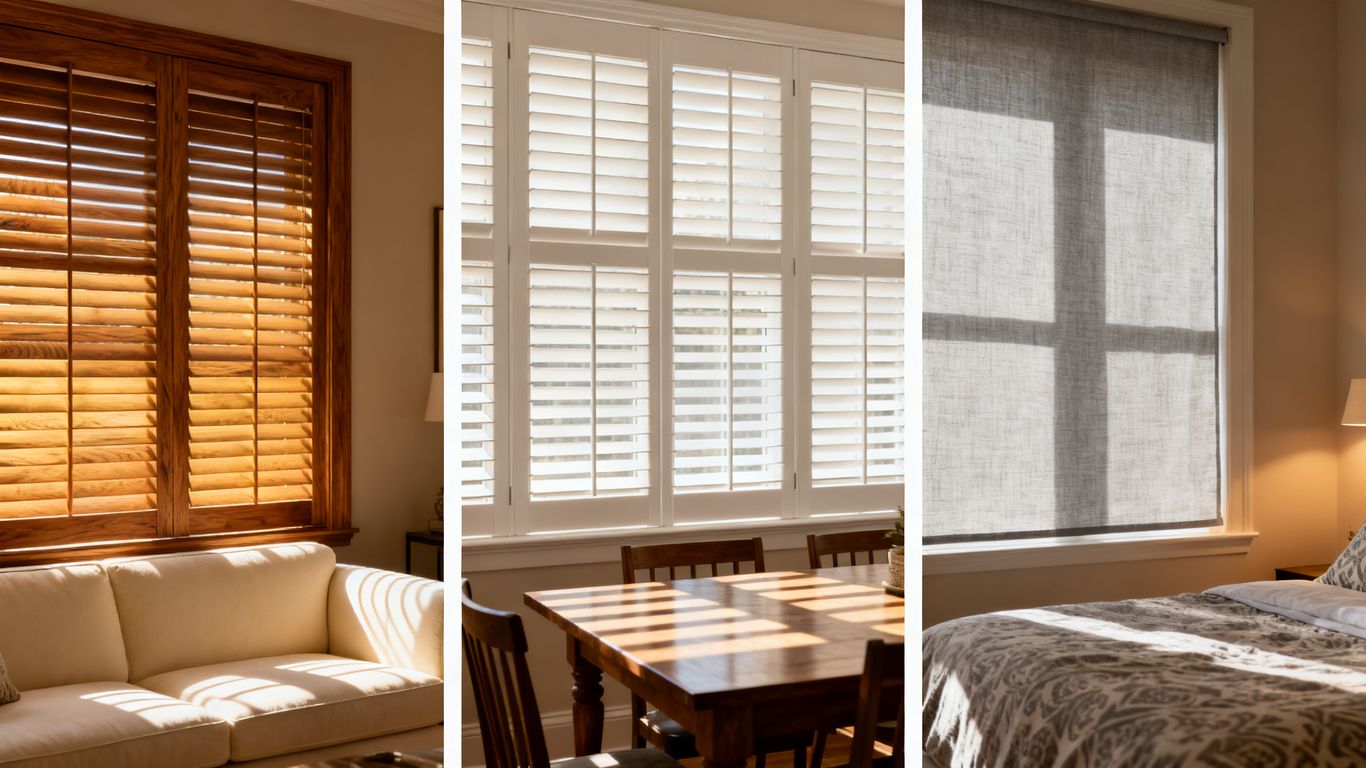
Picking the right window coverings can feel like a big decision, right? You've got blinds, shutters, and shades, and they all look pretty good in the store or online. But how do they actually stack up when you need to control light, keep things private, or just make your house look nice? This whole window treatment comparison page SEO thing is about breaking down what really matters so you can pick what works best for your home without all the confusion. Let's get into it.
Key Takeaways
- Blinds offer good light control and privacy but can be tricky to clean.
- Shutters are durable and provide excellent light blocking and insulation, but they're usually the most expensive option.
- Shades are super versatile, coming in many styles and offering varying levels of light and privacy, generally easier to maintain than blinds.
- When choosing, think about how much light you want to block, how much privacy you need, and what look you're going for.
- Consider your budget and how easy you want the installation and daily operation to be; each type has its pros and cons for these factors.
Understanding Your Window Treatment Options
Picking out window coverings can feel like a big decision, and honestly, it is. You've got a few main players in this game: blinds, shutters, and shades. They all do the job of covering your windows, but they go about it in pretty different ways, and knowing those differences is key to getting what you actually want. It's not just about looks, though that's a big part of it. Think about how much light you want to let in, how much privacy you need, and even how easy they are to clean. Let's break down what makes each one tick.
The Appeal of Blinds
Blinds are probably what most people picture when they think about window treatments. They're made up of horizontal or vertical slats that you can tilt to control light and airflow. You can get them in all sorts of materials, from vinyl and aluminum to wood and faux wood. The tilt feature is pretty handy for adjusting the light without fully opening them. Plus, they come in a wide range of prices, making them a popular choice for many budgets. You can find a lot of options when you look at different types of blinds.
The Elegance of Shutters
Shutters feel a bit more permanent and, well, elegant. They're typically made of solid panels with louvers that can be adjusted, similar to blinds, but they often have a more substantial, built-in look. Shutters can really change the feel of a room, giving it a classic or even a modern vibe depending on the style. They're known for being durable and can add a nice architectural element to your home. Because they're often custom-fitted, they can look really polished.
The Versatility of Shades
Shades are a bit different because they're usually made from a single piece of material that rolls up or folds down. Think Roman shades, roller shades, or cellular shades. They offer a cleaner, more streamlined look than blinds. Shades are great if you want a softer appearance or if you're looking for specific features like insulation or blackout capabilities. They come in a huge variety of fabrics, colors, and patterns, so you can really match them to your decor. It's easy to see why they're so popular for a lot of different rooms.
Choosing the right window treatment involves looking at more than just the surface. It's about how they function day-to-day and how they fit into the overall picture of your home's comfort and style.
Key Factors for Your Window Treatment Choice
So, you're looking at new window coverings, huh? It can feel a bit overwhelming with all the choices out there. But really, it boils down to a few main things you need to think about. Getting these right means you'll end up with something you actually like and that works for your home.
Light Control Needs
How much sun do you want, and when? This is a big one. Some rooms get blasted with afternoon sun, which can be nice for warmth but a pain if you're trying to watch TV or if your furniture is fading. Others might be pretty dark all day. You've got options for blocking light completely, letting in a soft glow, or just tilting slats to bounce light off the ceiling. Think about what you do in each room and when.
- Full Blackout: For bedrooms or media rooms where you need zero light.
- Partial Light Filtering: Good for living areas where you want some natural light but not glare.
- Adjustable Light: Like blinds where you can tilt the slats to control the direction and amount of light.
Privacy Requirements
This is pretty straightforward. Do you need to keep prying eyes out? Most window treatments offer some level of privacy, but some are better than others. If you live on a busy street or have neighbors close by, you'll want something that offers solid coverage, especially at night when your lights are on. You don't want to feel like you're living in a fishbowl, right?
Sometimes, you might need different levels of privacy at different times of the day. For example, you might want to let in light during the day but need full privacy after dark. Consider treatments that offer flexibility.
Aesthetic Considerations
Okay, this is where it gets fun – or maybe a little tricky. What's the overall look you're going for? Are you aiming for a modern, clean vibe, or something more traditional and cozy? Blinds, shutters, and shades all have their own style. Shutters often give a classic, architectural look. Blinds can be sleek and minimalist, especially the newer types. Shades tend to offer a softer, more fabric-focused feel. It's about matching the window treatment to your room's personality. You can check out different styles to get a feel for what might work best for your home window treatment options.
Here's a quick rundown:
- Blinds: Can range from casual to formal depending on the material (vinyl, wood, faux wood, aluminum).
- Shutters: Typically lend a more permanent, built-in look, often associated with traditional or plantation styles.
- Shades: Offer a wide variety of fabrics, textures, and patterns, from Roman shades to roller shades, fitting many decor styles.
Comparing Durability and Maintenance
When you're picking out window treatments, it's not just about how they look. You've got to think about how long they'll last and how much work they'll be to keep clean. Nobody wants to buy something that falls apart after a year or needs constant fussing. Let's break down how blinds, shutters, and shades stack up in the durability and maintenance department.
Blinds: Longevity and Care
Blinds can be a mixed bag when it comes to how long they stick around. The material really makes a difference. For instance, vinyl or aluminum blinds might not hold up as well in high-traffic areas or with kids and pets. They can bend, break, or get tangled. Wood blinds, on the other hand, can be quite sturdy, but they need careful handling. Moisture is their enemy, so you wouldn't want them in a steamy bathroom. Cleaning blinds usually involves dusting them regularly. For tougher grime, you might need to wipe them down with a damp cloth, but you have to be gentle.
- Dusting with a microfiber duster or vacuum brush attachment.
- Wiping down slats with a damp cloth for spots.
- For wood blinds, using a wood cleaner or polish occasionally.
Shutters: Built to Last
If you're looking for something that's practically indestructible, shutters are often the way to go. They're typically made from solid wood or a durable composite material. This makes them really strong and resistant to wear and tear. Because they're fixed to the window frame, they don't have a lot of moving parts that can break. Maintenance is usually pretty simple too. A quick wipe-down with a damp cloth is often all that's needed to keep them looking good. They don't absorb odors, which is a nice bonus. Many people find that shutters are a great investment because they can last for decades, often outliving the house itself. They are known for their superior durability and require minimal upkeep, making them a smart choice for long-term window coverings.
Shutters are often considered the most robust option. Their solid construction means fewer delicate parts to worry about, and they can withstand daily use without much fuss. This makes them a popular choice for busy households.
Shades: Ease of Upkeep
Shades, especially fabric ones, can be a bit more delicate. While they offer a clean, streamlined look, their lifespan can depend heavily on the fabric type and how often they're operated. Roller shades and Roman shades are generally straightforward to clean. You can often dust them or spot-clean minor marks. However, deep cleaning can be tricky, and some fabrics might require professional cleaning to avoid damage. Cellular shades, while good for insulation, can also trap dust in their pockets, requiring a bit more attention to keep them pristine.
- Regular dusting to prevent buildup.
- Spot cleaning small stains with mild soap and water.
- Checking manufacturer instructions for specific fabric care.
When it comes to durability, shutters generally take the crown, followed by well-made blinds. Shades can be lovely, but they might require a bit more care depending on the material. Think about your lifestyle and how much cleaning you're willing to do before making your final choice.
Budgeting for Window Treatments
Okay, let's talk money. When you're looking at new window coverings, the price tag can swing pretty wildly. It's not just about how they look; it's about what your wallet can handle right now and what makes sense long-term. Thinking about the cost upfront helps avoid any sticker shock later on.
Investment Level of Blinds
Blinds are generally the most budget-friendly option out of the three. You can find basic vinyl or aluminum blinds for pretty cheap, making them a go-to for quick updates or rental properties. Even some of the more substantial wood or faux wood blinds can be quite affordable, especially when you compare them to shutters. They offer a good balance of function and cost. You get decent light control and privacy without breaking the bank. For a whole house, this can really add up in savings.
Cost of Shutters
Shutters are usually the most expensive choice. We're talking a significant investment here. The materials, the custom fitting, and the labor involved all contribute to the higher price. Solid wood shutters will cost more than composite or vinyl ones, but they also tend to look and feel more premium. If you're looking for a permanent, high-end look that adds value to your home, shutters might be worth the splurge. It's a bit like buying a piece of furniture for your windows. You can check out blinds vs shutters cost for a deeper dive into that comparison.
Price Range of Shades
Shades fall somewhere in the middle, price-wise. You can get simple roller shades for not too much money, similar to basic blinds. But then you have options like cellular shades, Roman shades, or motorized shades that can get pretty pricey, especially if you're going for custom fabrics or advanced features. The complexity of the shade and the material used really dictate the final cost. Think about what features you absolutely need versus what would be nice to have. Sometimes, a slightly more expensive shade can save you money in the long run on energy bills, which is a nice bonus.
- Basic Roller/Roman Shades: Often the most affordable shade option.
- Cellular/Honeycomb Shades: Mid-range, offering good insulation.
- Motorized/Designer Shades: Can be the most expensive, with advanced features and premium materials.
When you're budgeting, don't forget to factor in potential installation costs if you're not doing it yourself. Some window treatments are DIY-friendly, while others might require professional help, adding to the overall expense. Always get a few quotes if you plan to hire someone.
Installation and Functionality
So, you've picked out the perfect window treatments, but how do they actually go up, and how do they work day-to-day? This is where installation and functionality come into play. It's not just about looks; it's about how easy it is to get them in place and how smoothly they operate.
Ease of Blind Installation
Blinds are generally pretty straightforward to install. Most come with a bracket system that you screw into the window frame or wall. Then, the blind headrail just snaps or slides into these brackets. For most DIYers, this is a weekend project, maybe an hour or two per window if you're taking your time. You'll need a drill, a level, and a screwdriver. The trickiest part is usually getting those brackets perfectly level so the blinds hang straight. If you're not comfortable with a drill, most places that sell blinds also offer installation services, though that adds to the cost.
Shutter Installation Process
Shutters are a different story. Because they're often custom-made to fit your window precisely and are more permanent fixtures, installation can be a bit more involved. They typically screw directly into the window frame, sometimes requiring drilling into the wall itself. This is often a job best left to professionals, especially for larger windows or if you want that perfectly flush, built-in look. Getting shutters installed right means they operate smoothly and look like a natural part of your home's architecture. While you can DIY shutters, it's a more advanced project that requires precision.
How Shades Operate
Shades, whether they're roller shades, Roman shades, or cellular shades, usually have a fairly simple operation. Roller shades just pull down and often have a clutch mechanism to hold them in place. Roman shades fold up neatly. Cellular shades collapse. Many modern shades come with cordless options, which are great for homes with kids or pets, and some even offer motorized controls. Installation is often similar to blinds, with brackets that hold the shade's roller or headrail. The mechanism itself is usually quite reliable, but like anything, wear and tear can happen over time. If you're looking for a clean, simple operation, shades are a solid choice. You can find a wide variety of window shades online that detail their specific operating systems.
When thinking about installation, consider your own comfort level with tools and DIY projects. If you're not handy, factor in the cost of professional installation. For shutters, the precision required often makes professional help a wise investment for a lasting, beautiful result.
Energy Efficiency Benefits
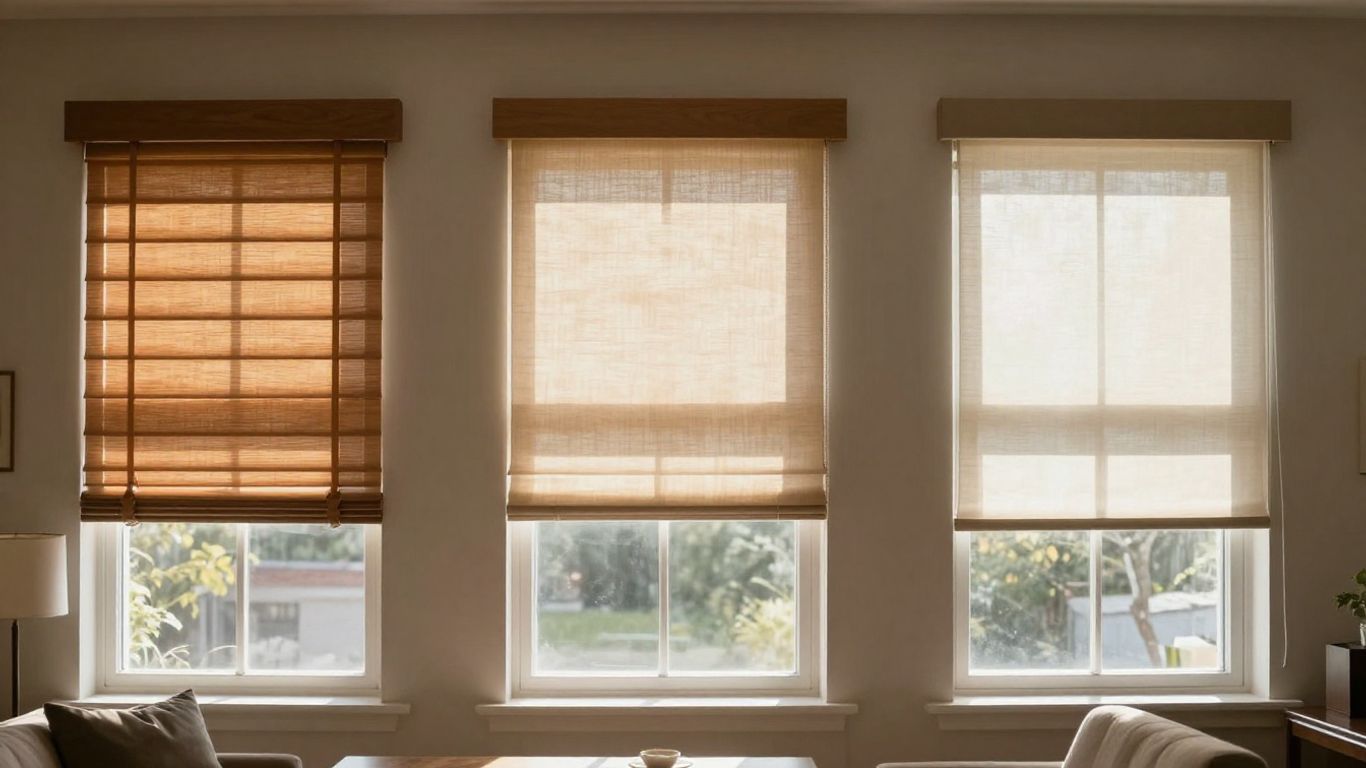
When you're picking out window coverings, it's easy to get caught up in how they look or how much light they block. But honestly, the impact on your home's energy use is a big deal too. Think about it: your windows are basically holes in your walls where heat likes to escape in the winter and sneak in during the summer. The right window treatments can act like an extra layer of insulation, helping to keep your house comfortable year-round and maybe even shaving a bit off your utility bills. It's not just about comfort; it's about saving money and being a bit kinder to the planet.
How Blinds Impact Energy Use
Blinds, especially those made from materials like wood or faux wood, can offer some help with energy efficiency. When you close them up tight, they create a small air pocket between the slats and the window glass. This air pocket acts as a barrier, slowing down heat transfer. It's not as much as some other options, but it's definitely better than having nothing there at all. The color of your blinds can also play a role; lighter colors tend to reflect more sunlight, which can help keep rooms cooler in the summer.
- Material Matters: Wood and faux wood blinds offer better insulation than thin metal ones.
- Slat Angle: Tilting the slats upwards in summer can help bounce sunlight back outside.
- Closing Them: Always close blinds fully for maximum benefit.
Shutters for Insulation
Shutters are pretty solid performers when it comes to keeping your home's temperature steady. Because they're typically made of thicker materials like wood or composite, and they fit more snugly against the window frame, they create a really effective barrier. When closed, they seal off the window area quite well. Some shutters even have special designs or materials that add an extra layer of insulation. They're a good choice if you're looking for something that looks great and helps keep your energy costs down. Many people find that installing shutters can make a noticeable difference in how their home feels, especially during extreme weather choosing the right window treatment.
Shades and Thermal Performance
Shades are really versatile, and their energy efficiency can vary a lot depending on what type you choose. Cellular shades, also known as honeycomb shades, are particularly good at this. Their unique structure, with pockets of air trapped within the fabric cells, acts like a thermal blanket for your windows. The more cells and the deeper they are, the better the insulation. Other types of shades, like Roman shades or roller shades, can also help, especially if they're made from thicker fabrics or have a thermal lining. The right shade can significantly reduce heat transfer.
Here's a quick look at how different shades stack up:
| Shade Type | Insulation Potential | Notes |
|---|---|---|
| Cellular (Honeycomb) | High | Air pockets provide excellent thermal breaks |
| Roman | Medium | Thicker fabrics or thermal lining help |
| Roller | Low to Medium | Depends heavily on fabric thickness |
Keeping your home at a comfortable temperature without constantly running the AC or heat is a win-win. It saves you money and makes your living space much more pleasant. Window treatments are a surprisingly effective way to achieve this.
When you're thinking about window coverings, don't forget about the energy savings. It's a practical benefit that pays off over time. Whether you go with blinds, shutters, or shades, picking something that offers good insulation can make a real difference in your home's comfort and your energy bills insulation capabilities.
Making the Final Decision
So, you've looked at the pros and cons, thought about your budget, and maybe even wrestled with a few samples. Now comes the part where we help you actually pick the right window treatment for your home. It’s not always a clear-cut choice, and what works for one room might not be the best fit for another. Let's break down when each option really shines.
When Blinds Are The Best Fit
Blinds are often the go-to for a reason. They’re generally the most budget-friendly option, which is a big plus for many people. If you need really fine-tuned control over light, like being able to block out most of it or just let in a little sliver, blinds are pretty good at that. They're also super easy to clean, especially the vinyl or aluminum kinds. Just a quick wipe down and you're done. They offer a lot of flexibility for different window sizes and shapes, too. If you're looking for something that's practical, affordable, and gives you decent control over your environment, blinds are a solid choice. They're a great starting point for rental properties or if you're just not ready to commit to a more permanent solution.
Why Shutters Might Be Ideal
Shutters bring a certain classic charm and a feeling of permanence to a room. They're built tough and can really add to your home's architectural style. If you want something that looks like it's always been there, and offers excellent insulation against heat and cold, shutters are worth considering. They're fantastic for blocking light completely, making them perfect for bedrooms. Plus, they require very little upkeep – usually just a dusting. They can also increase your home's value. Think about them if you're going for a traditional or coastal look, or if you just want a window treatment that's as much a part of the house as the walls themselves.
Choosing Shades For Your Space
Shades are all about softness and simplicity. They come in a huge variety of fabrics and styles, from Roman shades that fold elegantly to roller shades that disappear when you don't need them. If you want a softer look and feel, shades are the way to go. They're great for diffusing light, creating a warm ambiance without harsh glare. While they might not offer the same level of precise light control as blinds, they provide good privacy. Many modern shades also come with smart home features, which is pretty neat. For a clean, modern aesthetic or a cozy, layered look, shades offer a lot of design possibilities. They can be a good middle ground between the functionality of blinds and the solid presence of shutters, especially if you're looking for custom window treatments.
You've reached the last step! It's time to make your choice. Think about what matters most to you and pick the option that feels right. Ready to take the leap? Visit our website today to finalize your decision and get started!
So, What's the Verdict?
Alright, we've gone through blinds, shutters, and shades, looking at what works and what doesn't, especially when you're trying to get people to actually click and buy. For home service businesses running ads, it's not just about picking the prettiest window treatment. It's about matching what you show on Google or Facebook to what people are actually searching for or interested in. If your ad is about cheap vinyl blinds, your landing page needs to be about cheap vinyl blinds, not some fancy plantation shutters. We've seen it all – campaigns that tank because the ad and the page didn't match, and campaigns that absolutely crush it because they were perfectly aligned. Think about your customer: what problem are they trying to solve right now? Are they looking for budget-friendly privacy, or are they ready to invest in a whole-home makeover? Your ads and your website need to speak directly to that. Get that connection right, and you'll see those leads start rolling in, whether you're pushing blinds, shutters, or shades.
Frequently Asked Questions
What's the main difference between blinds, shutters, and shades?
Think of it this way: Blinds have slats you can tilt or lift, like mini-blinds or wood blinds. Shutters are solid panels, often with louvers, that cover the whole window and look more like built-in furniture. Shades are typically one piece of fabric or material that rolls up or folds down, like roller shades or Roman shades.
Which window treatment is best for blocking out light?
For the darkest rooms, shutters and cellular shades are usually your best bet. Shutters, being solid, block a lot of light, and cellular shades have a honeycomb structure that traps light. Some blinds, especially those with thicker slats or blackout features, can also do a good job, but often leave a little light around the edges.
Are shutters really that much more expensive than blinds?
Generally, yes. Shutters are often considered a more premium option because they're custom-made, more durable, and add a significant design element to your home. Blinds can be a more budget-friendly choice, especially basic vinyl or aluminum ones, though high-end wood blinds can get pricey too.
How hard is it to clean blinds, shutters, and shades?
Blinds can be a bit tricky to dust, especially the slats, but many can be wiped down. Shutters are usually pretty easy to wipe clean with a damp cloth. Shades, depending on the material, might need spot cleaning or professional cleaning, but fabric shades are generally low-maintenance for everyday dusting.
Can I install these myself, or do I need a pro?
Many blinds and shades are designed for DIY installation and come with clear instructions. Shutters, however, are often more complex and might require precise measurements and a more involved installation process, so hiring a professional is usually recommended for shutters to ensure they fit and function perfectly.
Which type helps save money on my energy bills?
All of them can help a little by blocking sun or insulating. However, cellular shades are often highlighted for their energy-saving abilities because their honeycomb design traps air, acting like a mini-insulator. Shutters also provide good insulation due to their solid construction.