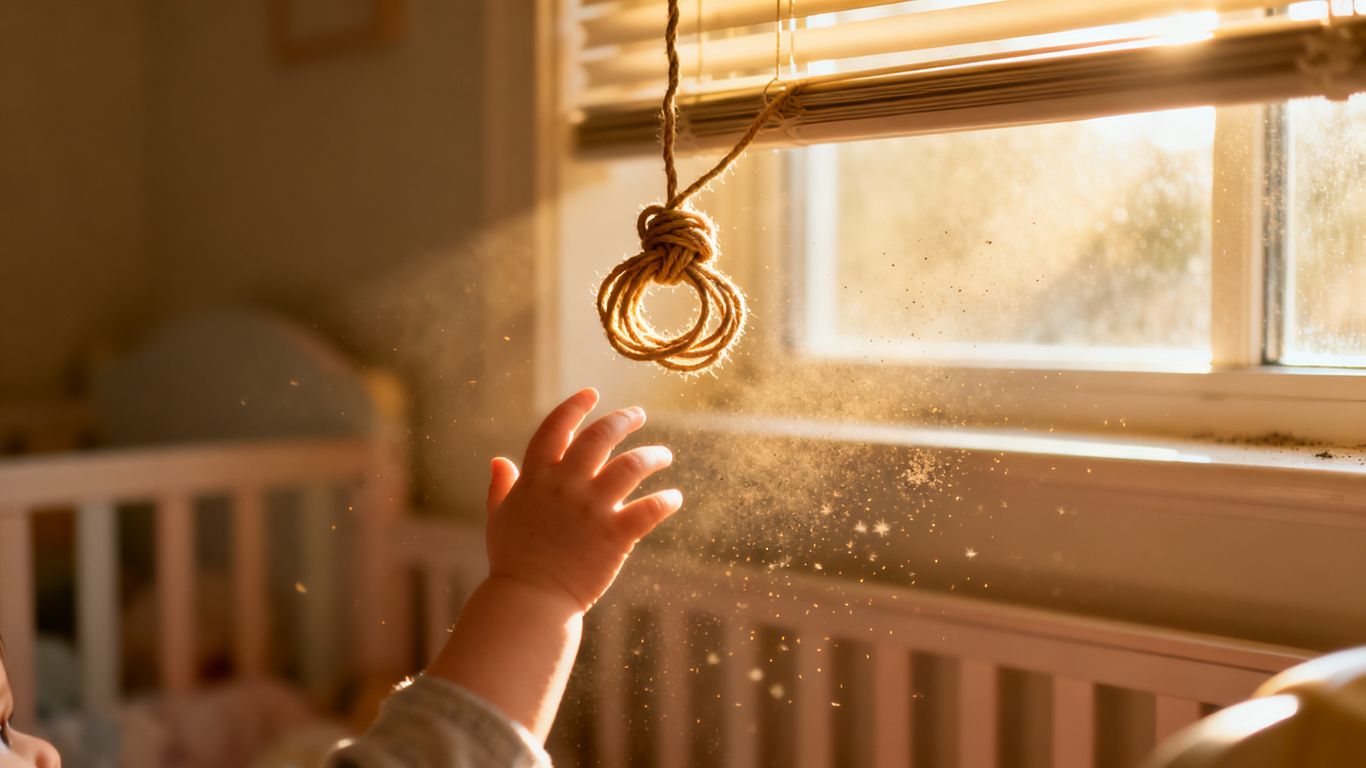
So, you're selling window treatments, right? And you want to make sure parents feel good about buying from you. It's not just about how nice the blinds or shades look; it's about making sure kids are safe. This is where window treatment child safety marketing comes in. It’s a big deal, and honestly, it can really help close sales. People want to know you care about their families. Let's talk about how to make that part of your advertising work for you.
Key Takeaways
- Make sure your ads talk about safety features. Don't just show pretty pictures; mention that the window treatments are safe for kids.
- Use pictures and videos that show how safe your products are. Think about showing a kid playing near a window with your safe coverings.
- Know what parents are worried about and talk about it. Cordless options are a big one, so be sure to highlight those.
- Build trust by being open about your safety practices. Show that you're serious about protecting children.
- Target people who are likely to be parents or concerned about child safety. This means looking at who you're showing your ads to on platforms like Facebook or Google.
Integrating Child Safety Into Your Window Treatment Marketing
When you're selling window treatments, thinking about child safety isn't just a good idea; it's smart business. Parents are always looking for ways to make their homes safer for their kids. If your marketing messages show you understand this, you're already ahead of the game. Making safety a core part of your advertising can really connect with families. It shows you care about more than just making a sale.
Highlighting Safety Features in Ad Copy
Your ad copy is your first chance to talk directly to potential customers. Instead of just listing features like 'light blocking' or 'energy efficient,' try weaving in safety benefits. Think about phrases that speak to a parent's concerns. For example, instead of just saying 'cordless blinds,' you could say 'Cordless blinds: no dangling cords for little hands to get tangled in.' It’s a small change, but it makes a big difference in how the message is received. You want to paint a picture of a secure home.
Visual Storytelling for Safety Messaging
People connect with stories and images. When you're creating ads, think about showing families in safe, happy environments. Maybe a picture of a child playing near a window with blinds that are clearly cordless, or a parent relaxing knowing their window coverings are secure. Avoid showing anything that could even remotely look like a hazard. The goal is to create a feeling of peace of mind. Products that carry the "Best for Kids" label are a great visual cue to include, showing you've met specific safety standards.
Targeting Safety-Conscious Homeowners
Who are you trying to reach? If you're aiming for families with young children, your marketing needs to speak their language. Think about where these parents spend their time online and what kind of content they consume. Are they on parenting blogs? Social media groups focused on child-rearing? Tailor your ads and your message to these specific places. You can also use keywords in your online ads that parents might search for when they're worried about home safety, like 'child safe window coverings' or 'cordless blinds for nursery.' This helps you find the people who are actively looking for solutions you offer. Child-safe window treatments are designed to eliminate common hazards, making them a top choice for concerned parents.
Leveraging Window Treatment Child Safety Marketing
When you're selling window treatments, especially to families, talking about safety isn't just a good idea; it's smart business. People want to feel good about what they're buying for their homes, and knowing it's safe for their kids makes a big difference. It's about more than just looks; it's about creating a secure environment.
Understanding Cordless and Motorized Options
Let's face it, dangling cords on window coverings can be a real worry for parents. That's why highlighting options without cords is a major selling point. Think about cellular shades that are completely cordless, or blinds that you can lift and lower with a remote. These aren't just fancy gadgets; they directly address a significant safety concern. Offering these alternatives shows you're thinking about the well-being of your customers' children.
Here are some of the main types of safer window treatments:
- Cordless Blinds: These are operated manually by pulling the bottom rail or a wand. They eliminate the strangulation hazard associated with cords.
- Motorized Blinds: Controlled by a remote or smart home system, these also have no accessible cords, providing convenience and safety.
- Wand-Operated Blinds: While they still have a mechanism, the cords are typically contained within a wand, making them much less accessible to small children.
Educating Consumers on Hazards
Many people might not even realize the potential dangers of traditional window coverings. It's your job to gently inform them. You don't want to scare people, but a little education goes a long way. Think about sharing simple facts about why cords can be risky and how easily preventable accidents can happen. This helps customers make informed choices.
It's easy to overlook the small details when decorating, but when it comes to children, safety should always come first. Simple changes can make a big difference in creating a secure home.
Building Trust Through Safety Transparency
Being open about the safety features of your products builds a strong connection with customers. When you clearly explain how your window treatments are designed with safety in mind, you're not just selling a product; you're selling peace of mind. This honesty can turn a one-time buyer into a loyal customer. Sharing information about safety standards and certifications can also help. For instance, mentioning that certain products meet specific safety guidelines can be very reassuring for parents looking for safer window coverings.
Here's a quick look at what makes window treatments safer:
- No accessible cords: This is the most important factor.
- Secure mounting hardware: Proper installation prevents the entire unit from falling.
- Child-safe materials: Using non-toxic and durable materials.
- Breakaway features: Some cords have mechanisms that break apart under pressure.
Crafting Compelling Ad Creatives for Safety
When you're trying to sell window treatments, especially to families, showing how safe they are is a big deal. It's not just about how they look or how much light they block; it's about giving parents peace of mind. Your ads need to reflect this care.
Showcasing Secure Window Treatments in Ads
Think about what parents worry about. Cords are a major concern. So, your visuals should clearly show window treatments that don't have them. Maybe it's a shot of a sleek, cordless shade being easily raised or lowered by hand, with a child playing safely nearby. Or perhaps a motorized option, highlighting the convenience and lack of dangling cords. The goal is to make safety look effortless and integrated into everyday family life. You could even show how window treatments can complement other safety measures, like making sure your window guards are properly installed.
Using Testimonials Focused on Peace of Mind
Real stories from other parents can be really powerful. Instead of just saying your product is safe, let customers tell you why they feel safe using it. Short video clips or quotes from parents talking about how much better they sleep at night knowing their kids are safe around the windows can be very convincing. Focus on the emotional benefit – that feeling of relief and security. It’s more impactful than any feature list.
Addressing Parent Concerns Directly
Don't shy away from the potential dangers. Acknowledge that parents are worried about things like strangulation hazards from cords. Then, immediately present your solution. You could use a simple graphic that contrasts a hazardous corded blind with your safe, cordless alternative. This direct approach shows you understand their fears and have a practical answer. It builds trust because you're being upfront about the issue.
Parents are constantly looking for ways to make their homes safer for their children. Window treatments are often an overlooked area where risks can exist. By proactively addressing these concerns in your marketing, you position your brand as a thoughtful and responsible choice. This isn't just about selling a product; it's about providing a solution that contributes to a secure home environment.
Optimizing Campaigns for Safety-Focused Audiences
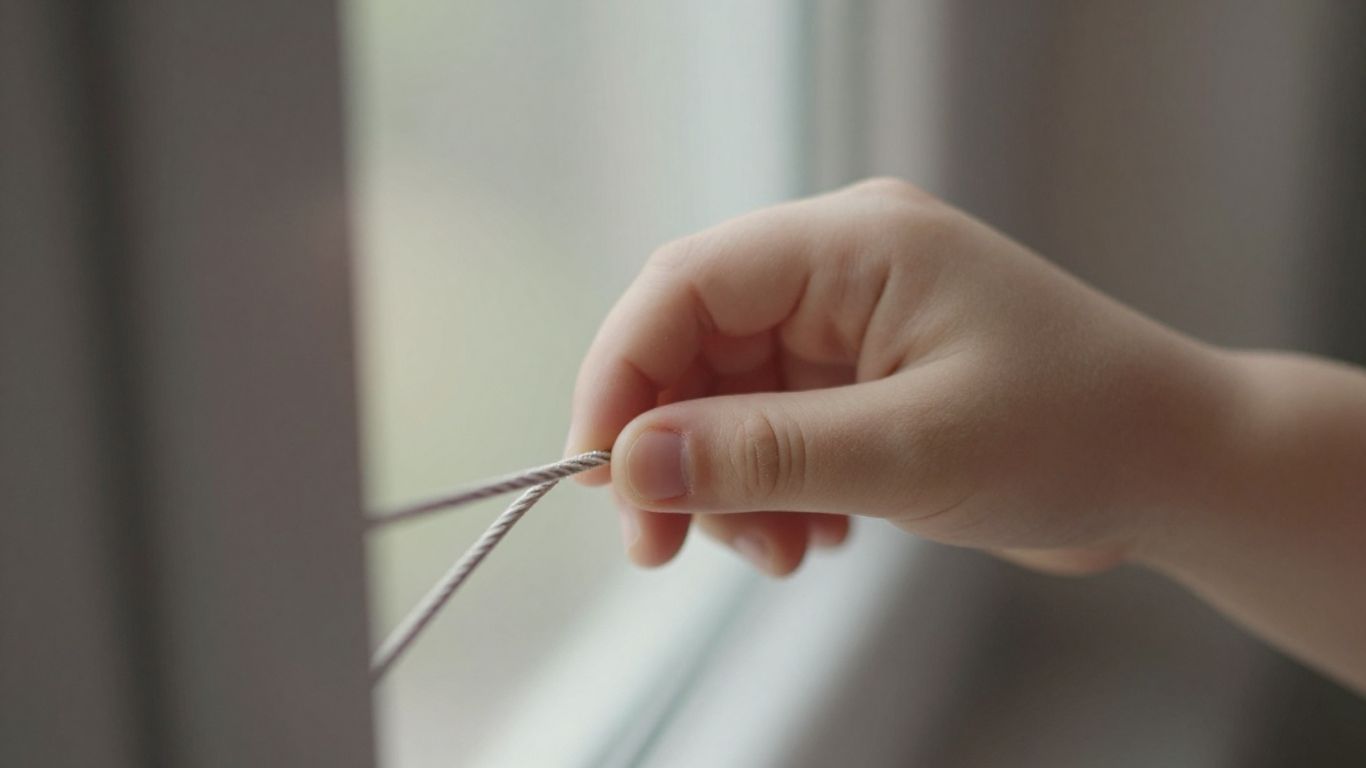
So, you've got great child-safe window treatments, and you want to make sure the right people see them. That means getting smart about who you're talking to in your ads. It’s not just about shouting about safety; it’s about whispering it to the folks who are already listening for it. Targeting the right audience is half the battle won.
Keyword Research for Safety-Related Searches
Think about what parents actually type into Google when they're worried about their kids around the house. They're not searching for "fancy blinds." They're looking for terms like:
- "cordless window coverings"
- "child safe blinds"
- "window blind safety for toddlers"
- "motorized shades for kids room"
- "best window treatments for nurseries"
Using these kinds of phrases in your ad copy and targeting means you're showing up when people are actively looking for solutions you provide. It’s like setting up a shop right where the customers are already browsing. You can even use tools to see which of your top-performing pages are attracting this kind of traffic, helping you refine your ad spend.
Audience Segmentation by Family Status
Not everyone needs child-safe window treatments, right? So, why show ads for them to single folks or empty nesters? You can get way more efficient by splitting your audience. Think about:
- Parents with Young Children: This is your prime group. They're likely concerned about cords, accessibility, and potential hazards.
- Expecting Parents: They're in the nesting phase, planning for a baby, and safety is probably top of mind.
- Grandparents or Caregivers: They might be setting up play areas or visiting homes with young children and want to be prepared.
Platforms like Facebook and Google let you target based on demographics and interests that suggest family status. It’s about being relevant.
Landing Page Optimization for Safety Information
Once someone clicks your ad because they saw "child safe," they need to land on a page that immediately confirms their decision and gives them the info they need. Don't make them hunt for it.
Your landing page should clearly and quickly show that you understand their concerns. Highlight the specific safety features, explain why they matter, and make it easy to find products that meet these standards. A cluttered or confusing page will send them right back to the search results.
Make sure the page:
- Clearly displays safety certifications or standards met.
- Features images or videos of the safe products in use.
- Provides direct links to cordless or motorized options.
- Offers a clear call to action, like "Shop Safe Blinds" or "Get a Safety Consultation."
The Business Case for Prioritizing Window Safety Marketing
Thinking about window treatments? You probably want them to look good and work well, right? But there's another big reason to pay attention to how they're made and marketed: safety, especially for kids. It might seem like a niche concern, but making child safety a priority in your business can actually pay off in some pretty significant ways. It’s not just about doing the right thing; it’s smart business.
Reducing Liability Through Proactive Messaging
Let's face it, accidents happen. When it comes to window coverings, especially those with cords, there's a real risk. By actively talking about and offering safer options, like cordless blinds or motorized shades, you're showing customers you've thought about potential dangers. This proactive approach can help shield your business from potential legal issues down the road. It’s like putting on a seatbelt – you hope you never need it, but it’s there for protection. Focusing on child safety standards in your product descriptions and marketing materials is a clear signal that you care about customer well-being.
Enhancing Brand Reputation
Customers notice when a company goes the extra mile. When you make child safety a visible part of your brand, people see you as responsible and caring. This builds a positive image that goes beyond just selling a product. Think about it: parents are always looking for ways to make their homes safer for their little ones. If your brand is known for offering safe window solutions, that’s a huge selling point. It creates loyalty and can even lead to word-of-mouth referrals. People want to buy from businesses they trust, and demonstrating a commitment to safety is a powerful way to earn that trust.
Driving Sales Through Trust and Care
Ultimately, all this leads to one thing: more sales. When customers feel confident that your products are safe for their families, they are more likely to buy. This is especially true for new parents or those with young children who are hyper-aware of potential hazards in their homes. Offering a range of safe options and clearly communicating their benefits can directly influence purchasing decisions. It’s not just about the aesthetics or the price; it’s about peace of mind.
Here’s how prioritizing safety can boost your bottom line:
- Attracts a Wider Audience: You appeal not only to style-conscious buyers but also to those whose primary concern is safety.
- Increases Customer Confidence: Knowing you offer safe products makes customers feel more secure in their purchase.
- Builds Long-Term Relationships: Customers who feel cared for are more likely to return and recommend your business.
Making window treatments safer isn't just a regulatory hurdle; it's a market opportunity. By highlighting safety features, you tap into a deep-seated parental instinct to protect children, turning a potential concern into a reason to choose your products. This focus can differentiate your business in a crowded market.
Consider this breakdown of how safety features can impact sales:
| Feature Category | Sales Impact | Rationale |
|---|---|---|
| Cordless Options | High | Directly addresses strangulation risk, a major parental concern. |
| Motorized Systems | Medium-High | Offers convenience and eliminates cords, appealing to tech-savvy and safety-conscious buyers. |
| Secure Installation Kits | Medium | Reinforces stability and prevents tipping, adding another layer of safety. |
Measuring the Impact of Safety Messaging on Conversions
So, you've put a lot of thought into your child safety messaging. That's great! But how do you know if it's actually working? It’s not enough to just say your window treatments are safe; you need to see if that message is turning into sales. We need to track what's happening.
Tracking Clicks on Safety-Focused Ads
First off, let's look at the ads themselves. Are people clicking on the ones that talk about safety? You can set up your ad campaigns to specifically track clicks on ads that mention things like "cordless," "child-safe," or "peace of mind." This gives you a basic idea of interest. If ads with safety angles get more clicks than others, that's a good sign.
Here’s a simple way to look at it:
| Ad Type | Clicks | Click-Through Rate (CTR) |
|---|---|---|
| Safety-Focused Ads | 1,200 | 3.5% |
| General Product Ads | 800 | 2.1% |
| Discount/Sale Ads | 1,500 | 4.0% |
This table shows that while sale ads might get more clicks overall, safety-focused ads are performing pretty well, suggesting a specific audience is paying attention.
Analyzing Conversion Rates from Safety Campaigns
Clicks are one thing, but do those clicks actually lead to purchases? This is where conversion rates come in. You need to see if people who click on your safety-focused ads are more likely to buy than those who click on other types of ads. This is the real test of whether your safety message is closing sales.
- Monitor the path: Follow the customer journey from the ad click to the final purchase. Are there any drop-offs?
- Attribute sales: Use tracking tools to link sales directly back to the campaigns that brought the customer in.
- Compare performance: Look at the conversion rate for customers who came from safety ads versus those who came from other ads.
It's important to remember that safety is a big deal for parents. They want to feel good about the products they bring into their homes. Communicating these benefits can make a real difference.
A/B Testing Safety Message Effectiveness
To really get a handle on what's working, you should try A/B testing. This means creating two versions of an ad or landing page – one with your safety message and one without (or with a different message) – and showing them to different groups of people. Then, you compare which version performs better in terms of clicks and, more importantly, conversions.
Sometimes, a small change in wording can have a big effect. You might think your message is clear, but testing can reveal what truly connects with potential buyers. It’s about finding that sweet spot.
By consistently tracking these metrics, you can fine-tune your marketing efforts. You'll learn what safety angles work best and how to present them to get the best results. This data helps you make smarter decisions and ultimately, sell more safe window treatments.
Ever wonder if your safety messages actually help sell more? We dug into how important safety talk is for getting people to buy. It turns out, the way you talk about safety can really make a difference in whether customers click that buy button. Want to see how your safety messages stack up? Visit our website to learn more and boost your sales!
Safety Sells, So Talk About It
Look, nobody wants to think about bad things happening, especially when it comes to kids. But the truth is, talking about window covering safety isn't just the right thing to do, it's good business. When you bring up cordless options or safety features without being asked, you show customers you care about more than just the sale. It builds trust. And guess what? People buy from businesses they trust. So, make safety a regular part of your sales talk. It might feel a little awkward at first, but it’s a message that can really make your business stand out and, yeah, close more deals. It’s a win-win, really.
Frequently Asked Questions
Why is talking about window covering safety important for selling them?
When you show parents that you care about their kids' safety, they feel more comfortable buying from you. It's like saying, 'We've got your back!' This trust can make them choose your products over others, especially when they see you've thought about things like cords that could be a danger.
What are the safest window covering options for homes with kids?
The safest choices are usually cordless blinds or shades, and motorized options. These get rid of the dangling cords that little ones can get tangled in. It's all about removing potential hazards to keep children safe and sound.
How can I make sure my ads show that my window coverings are safe for kids?
You can use pictures and videos that show families enjoying your window treatments without worry. Mentioning 'cord-free' or 'safe for kids' right in your ad text helps grab attention. Showing happy kids playing near safe windows sends a powerful message.
What kind of information should I give customers about window covering dangers?
Tell them clearly about the risks of cords, like strangulation hazards. Explain why cordless or motorized options are better. Sharing simple facts helps parents make smart choices for their homes and keeps them from accidentally choosing something unsafe.
How do I find parents who are looking for safe window treatments?
You can use online ads to target people who search for terms like 'child-safe blinds' or 'cordless shades.' Also, targeting ads to people with young children or families on social media platforms like Facebook and Instagram can help you reach the right audience.
Does focusing on safety actually help sell more window coverings?
Absolutely! When customers trust you to keep their families safe, they're more likely to buy. It makes your brand look good and responsible. Plus, addressing parents' biggest worries directly often leads to more sales because you're solving a real problem for them.