Content Marketing for Custom Door Manufacturers: Targeting Architects and Builders

Key Takeaways
To effectively reach trade professionals, you must prioritize technical precision and helpful resources that guide them through the complex requirements of custom projects. Your strategy should move beyond simple product showcases to demonstrate your expertise as a vital partner in the design-build flow.
- Align content with the specific technical pain points faced by architects during the product selection phase.
- Offer downloadable resources like CAD files and performance specs that save time for professional project planners.
- Maintain a high-intent project portfolio organized by architectural detail to show your capability for bespoke solutions.
- Build your authority by distributing content through professional channels frequented by builders and design leads.
- Use data-driven tracking to refine your approach and ensure your outreach effectively converts design professionals into repeat partners.
Understanding the B2B buyer persona for custom doors
Developing a connection with the architectural and contracting community requires a shift from consumer-facing marketing to a focus on professional utility. These buyers are not browsing for aesthetic inspiration alone; they are looking for reliable technical data and long-term project support.
Identifying the specific pain points of architects
Architects frequently struggle with finding manufacturers who can meet rigid design constraints while guaranteeing code compliance. They need to trust that their design vision will not be watered down or derailed by poor technical execution, as seen in the success of manufacturers like Allegheny Wood Works who focus on precision. Establishing yourself as a reliable collaborator requires showcasing that you understand the architectural impact of every material selection.
What general contractors look for in trade partnerships
General contractors prioritize schedule consistency and clear communication above all else. They are often managing high-stakes builds where a delay in a door installation can halt an entire project timeline. Your messaging should emphasize your operational capacity, much like the process needed for Better House Buyers when guiding clients through efficient renovations.
Mapping content to the long-cycle design-build process
Professional sales cycles in the construction industry are long and heavily dependent on trust-building milestones. By providing consistent updates and technical documentation at every stage, you decrease the friction that an architect experiences when they shift to a new project phase. A professional is like someone exploring the local area with ez Home Search to find the right property; they value thoroughness and local knowledge that anticipates their changing needs at crucial milestones.
The role of technical reliability in your sales pitch
Your sales pitch must prioritize proof of resilience and precise project specification over generic marketing claims. Whether discussing the safety of Alpha ESS home battery hardware or the performance of your custom doors, clear documentation is the baseline for professional trust. Showing that you have a system in place to handle complex inquiries keeps your sales funnel moving toward a closed project.
Content pillars that speak to trade professionals
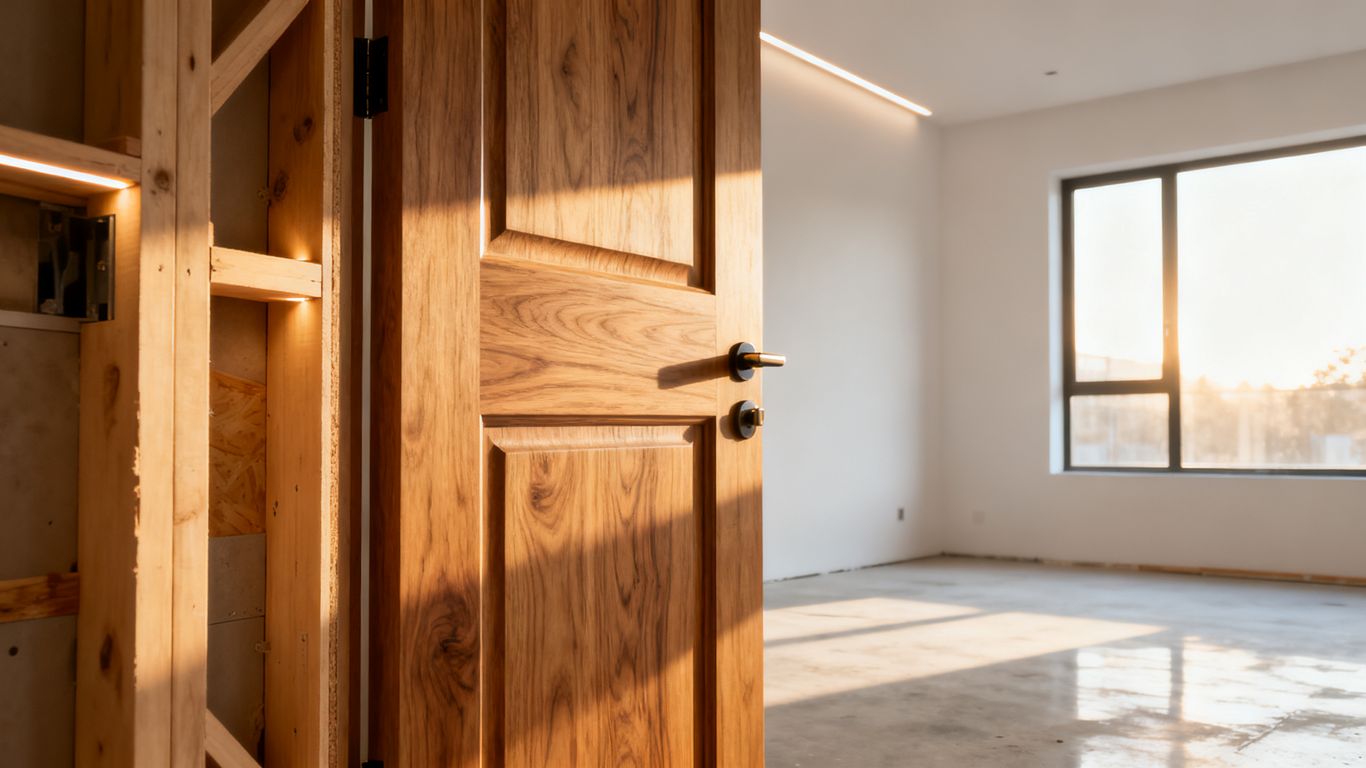
Creating meaningful content for the building trades relies on providing data that simplifies the workflow of architects and project leads. When your materials act as a shortcut for their design process, you naturally become the preferred choice for their next project.
Deep-dive technical specifications and CAD downloads
Prospective partners need immediate access to CAD files, installation tolerances, and material performance metrics to move forward without waiting for manual support. This accessibility allows professionals to test your product suitability against their current architectural constraints instantly. Providing these tools is as necessary for modern trade as Zealthy is for finding personalized solutions to specific needs.
Showcasing material durability and performance data
Performance metrics demonstrate that your products are designed to withstand structural stresses and environmental factors. By documenting data clearly, you prove that your doors exceed industry standards for safety and longevity. Consider this performance-first view compared to Dr. Derek Day who utilizes holistic methods to help patients improve long-term functional health and durability.
Providing comprehensive installation guides for project clarity
Clear, step-by-step guides for contractors ensure that the final installation matches the design intent and avoids costly rework. Your documentation should include the following essential technical components to maximize project success:
| Technical Asset | Purpose | Format |
|---|---|---|
| CAD Details | Structural integration | .dwg / .pdf |
| Installation Guides | Site-specific mounting | |
| Performance Lab Data | Compliance verification | .xlsx |
These resources are not just supplementary documentation; they serve as a core component of your technical service offer. Professional teams rely on these tools daily to keep door and window installation projects on track and within budget.
Addressing sustainability and local material sourcing
Architects are increasingly held to strict sustainability goals for their clients, often requiring detailed logs for local sourcing and material certifications. By proactively summarizing these details in your website content, you remove the burden of verification from your prospects early. You can simplify their workflow by:
- Offering clear certification documentation for all wood species.
- Highlighting local supply chains that minimize the project carbon footprint.
- Providing project-ready reports that integrate into green building applications.
- Detailing end-of-life recycling procedures for hardware components.
This level of transparency builds a professional rapport that goes beyond transactional interest. It encourages trade professionals to see your business as a dedicated partner in their client-focused mission.
Optimizing your website for professional lead generation
Structuring a B2B website requires a clean, functional experience that respects the time of busy professionals. Every step of your custom door manufacturer SEO content strategy should lead back to verifiable proof that your technical team is ready to support their needs.
Structuring service pages for custom door manufacturer SEO content
Your service pages must clearly articulate your specific fabrication capabilities while using terminology that professionals use when searching for components. By mapping these pages to high-intent industry terms, you make it easy for architectural firms to find solutions that match their current project needs. Use targeted SEO strategies to ensure your service pages appear when architects look for specific technical applications.
Creating gated resources for professional project planning
Deep-dive white papers or advanced technical guides offer immense value to professionals while simultaneously identifying high-intent leads for your team. When an architect downloads a guide on custom framing or hardware, they are self-identifying as an active leads candidate, allowing you to follow up with relevant, helpful contact. This creates high-quality engagement, much like professional garage door SEO services do by filling the funnel with pre-qualified interest.
Implementing trade-specific contact funnels
Moving a professional from a status of "browsing" to "inquiring" requires an intake process that is both frictionless and informative. Your inquiry form should ask for project-specific data like lead time, project scale, and specific architectural style to help you qualify the opportunity before you reach out to them.
Designing high-converting project inquiry forms
An effective inquiry form cuts through the clutter by focusing on the parameters that actually matter to your production team. By making these forms distinct for architectural vs. contracting leads, you ensure that your sales team receives the right data to prepare an accurate and impressive quote.
Creating a high-intent project portfolio
Your portfolio is the single most important trust signal you can provide to an architect evaluating your shop for a high-stakes residential or commercial job. It must demonstrate not only aesthetic quality but your ability to translate complex design requests into finished products.
Professional photography standards for luxury finishes
High-resolution imagery is expected in this market, as it allows architects to verify the quality of joinery and finish before initiating contact. Your images should focus on detail, shadow, and texture to convey that you are a high-end manufacturer that cares about every project aspect.
Writing project case studies that emphasize technical solutions
You must document the problem-solving nature of your work in each case study, explaining how you handled material constraints, budget requirements, or design challenges. A successful study shows you have the expertise to execute difficult designs as specified.
Organizing galleries by architectural style and door category
Organization is the key to helping busy designers find the reference they need quickly. By structuring your gallery based on architectural vernacular, you remove the guesswork and help the user instantly identify whether you are capable of the current style in their queue.
Linking visual portfolio assets to downloadable product specs
When a specific door design captures an architect's attention, the immediate next step is checking its feasibility. Connecting the image directly to its technical files allows them to keep the project momentum and makes them more likely to request additional information.
Content distribution strategies for trade professionals
Reaching architects and builders requires going where they operate professionally, whether that is on specific networking platforms or through industry-backed publications. You are building authority by sharing expertise rather than just running ads.
Building an email nurture sequence for industry leads
Automated email sequences should deliver high-value, technical information consistently, keeping your shop top-of-mind for current and future projects. By segmenting your list by profession, you ensure that architects receive design inspiration and specifications while contractors receive tips on installation efficiencies.
Engaging with professional communities on LinkedIn
LinkedIn is the primary marketplace for professional networking in the construction world. You can establish your voice by sharing brief updates on new manufacturing processes or offering commentary on industry-wide design challenges, positioning your team as leaders in door fabrication.
Leveraging local industry events for content opportunities
Attending or sponsoring local architect and contractor association events allows you to capture raw project leads and gather insights into what your local market is currently prioritizing. Use these events to document case studies that feel fresh and relevant to your immediate service area.
Establishing authority through trade publication guest posting
Contributing expert articles to trade journals helps you get your name in front of the gatekeepers of the industry. This is where you detail your unique manufacturing techniques or provide advice for other professionals, further solidifying your expertise in the field.
Tracking the impact of your content and SEO efforts
Analytics reveal which content pieces are driving meaningful leads versus those that are simply consuming traffic without moving the needle. By focusing on conversion metrics, you turn your digital strategy into a measurable growth engine.
Setting up conversion tracking for professional RFQs
Every inquiry channel, from website forms to landing page downloads, needs a clear attribution path. This allows you to measure exactly which content pillar drove the request, enabling you to optimize your budget toward the most successful efforts.
Monitoring keyword rankings for industry-specific search terms
Tracking the progress of terms tailored to your niche helps you understand if you are reaching the right audience. If you notice a high search volume for terms related to specific door materials or types, it is a signal to double down on content that caters to that technical inquiry.
Analyzing the customer journey from search to closed project
Understanding the path to purchase helps you replicate success across different client segments. When you map every interaction point, you can identify where the most qualified leads are coming from and what specific information helped them decide to partner with you.
Adjusting content strategy based on lead quality metrics
Use feedback from your sales team to constantly iterate and prune your content strategy based on lead quality. If your most requested resources result in low-quality leads, shift your focus to topics that attract the high-project-value decision-makers you realistically want to work with.
Conclusion
Your success as a custom manufacturer hinges on how well you support the architects and contractors who rely on your technical expertise to complete their designs. By consistently producing high-value, technical content and optimizing your digital interface for their specific workflows, you move beyond being a vendor and become a trusted project partner. As you continue to scale, stay focused on delivering resources that resolve the pain points of the professional trades and watch your pipeline of high-intent requests grow consistently.
Frequently Asked Questions
How often should a manufacturer publish new case studies?
Aim to publish at least one detailed case study per quarter to keep your portfolio fresh and show that you are consistently handling complex, high-stakes projects.
Do architects really look at technical website content?
Yes, because architects are under constant pressure to ensure their designs are functional and code-compliant, they rely on readily available technical documentation to verify product suitability.
What is the most effective way to reach general contractors online?
Focus on being visible on the platforms they use for research and network building, such as LinkedIn, and ensure your website provides the rapid, practical answers they need to resolve scheduling anxieties.
Should we share proprietary design details in our website content?
Sharing technical specs is essential for trust, but you can protect proprietary internal processes while still providing the essential documentation needed for architects to proceed with their project planning.
How does SEO differ for a local vs. national manufacturer?
Local manufacturers must prioritize location-specific search terms and hyper-relevant local community engagement, while national manufacturers need a broader focus on specific product categories and widespread technical authoritative content.
What are the best ways to track if our content is working?
Track the number of technical downloads, form completions for specific RFQs, and follow-up interaction rates to measure if your content is effectively filtering and attracting qualified leads.
How can we ensure our online content feels authentic to our brand?
Focus on the details of your actual shop floor reality, including your specific team, your unique fabrication methods, and real-world project results rather than resorting to generic manufacturer copy and stock imagery.
Get Your Strategy Audit Today
Ready to refine your digital presence to better reach architectural and contracting leads? Contact us here to discuss your current search footprint and identify the best ways to scale your lead generation through high-intent content.