Countertop CPL Benchmarks: What Fabricators Pay Per Lead by Channel
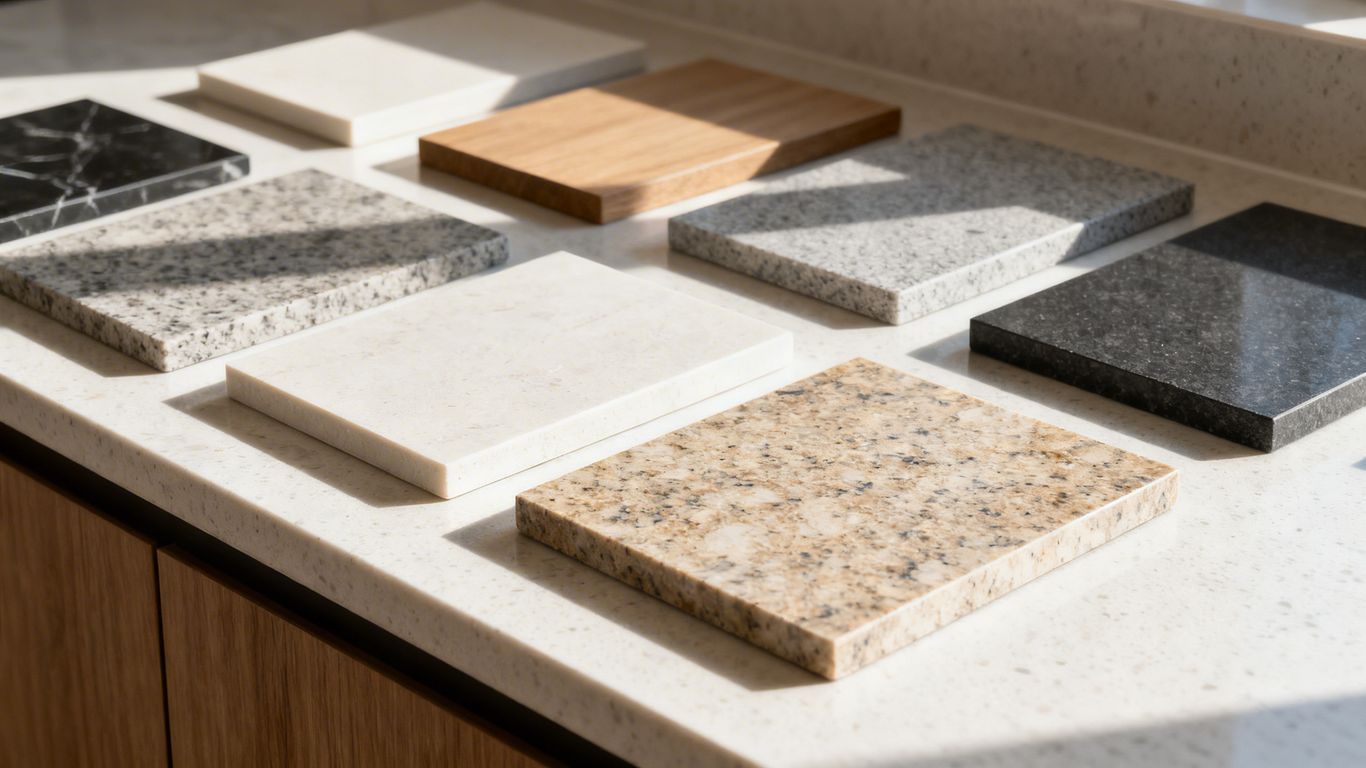
So, you're running a countertop business and wondering how much you should be paying to get a new lead? It’s a question we get a lot. We manage ad campaigns for stone fabricators all the time, and knowing where your money goes is key. This article breaks down what fabricators are actually paying per lead across different ad platforms, like Google, Facebook, and even some newer ones. We'll look at what's working, what's not, and how to get the most bang for your advertising buck. Think of it as a guide to understanding your stone fabricator CPL benchmark channel by channel.
Key Takeaways
- Google Search Ads can bring in leads, but the cost per lead varies a lot depending on your keywords and how much competition there is. Expect to pay anywhere from $50 to $200+ per lead, sometimes more in busy areas.
- Meta Ads (Facebook and Instagram) often give you cheaper leads, maybe in the $30 to $100 range, especially if you target people who have shown interest in home improvement. But these leads might not be as ready to buy as someone searching on Google.
- Local Services Ads (LSAs) on Google are great for getting leads that are ready to go, but the cost is per lead, not per click, and it can be higher, often $75-$200+, depending on the service and location. You only pay if someone contacts you through the ad.
- Newer platforms like TikTok can offer lower CPLs, sometimes under $50, but the lead quality can be hit or miss. It’s worth testing, but don't put all your eggs in one basket yet.
- To get the best results, track where your leads come from (attribution), test different ad images and website pages, and don't be afraid to shift your budget to the channels that are actually bringing in customers, not just clicks.
Understanding Cost Per Lead For Countertop Fabricators
So, you're running a countertop fabrication business, and you're spending money to get new customers. That's smart. But are you getting enough bang for your buck? That's where understanding your Cost Per Lead (CPL) comes in. It’s not just about how many people call you; it’s about how many good people call you. Knowing your CPL helps you see which advertising efforts are actually bringing in business and which are just draining your budget.
Defining Key Performance Indicators for Lead Generation
When we talk about leads, we need to be clear about what we mean. It’s not just any inquiry. We're looking for specific metrics that tell us if a lead is worth pursuing. Think about it like this:
- Inquiries: Anyone who contacts you. This could be a quick question or a serious request for a quote.
- Qualified Leads: These are the folks who meet certain criteria. They've expressed interest in your services, have a project in mind (like a kitchen remodel), and seem like they have the budget. They're ready for a sales conversation.
- Appointments Set: When a qualified lead agrees to a consultation or an in-home measurement.
- Closed Deals: The ultimate goal, when a lead becomes a paying customer.
Tracking these steps helps you see where potential customers might be dropping off in your sales process.
The Value of Qualified Leads in the Countertop Industry
In the world of stone fabrication, not all leads are created equal. A homeowner looking to get a quote for a new kitchen countertop is a much warmer lead than someone just browsing for ideas. Qualified leads usually have a clearer intent and are further along in their buying journey. They've likely done some research, know what they want (or are close to it), and are actively comparing options. This means they're more likely to convert into paying customers. Think about the time and money spent on marketing; focusing on attracting qualified leads means your advertising spend is more efficient. It's better to get five highly interested potential customers than fifty people who will never buy.
The countertop business is competitive. Getting a potential customer to the point of requesting a quote involves significant marketing effort. If that lead isn't genuinely interested or doesn't have the means to proceed, that marketing investment is essentially lost. Focusing on lead quality is paramount for profitability.
Benchmarking Your Current Lead Acquisition Costs
So, how do you figure out what you're spending? It's pretty straightforward, really. You take the total amount you spent on a specific marketing channel over a period (say, a month) and divide it by the number of qualified leads that channel generated during that same time. For example, if you spent $1,000 on Google Ads last month and got 20 qualified leads from it, your CPL for Google Ads is $50 ($1,000 / 20). Doing this for each channel you use gives you a clear picture. You can then compare these numbers to industry averages or your own past performance. This helps you see where your money is working hardest. For instance, if your labor costs are high, as they often are in this field, optimizing your lead spend becomes even more important. Payroll for employees can be a significant expense, so making sure your marketing dollars are well-spent is key.
Here’s a simple way to track it:
| Marketing Channel | Total Spend (Monthly) | Qualified Leads Generated | Cost Per Lead (CPL) |
|---|---|---|---|
| Google Ads | $1,500 | 30 | $50 |
| Facebook Ads | $800 | 10 | $80 |
| Local SEO | $500 | 15 | $33.33 |
| Referrals | $0 | 5 | $0 |
Google Ads Performance For Stone Fabricator Leads
When it comes to getting new countertop jobs, Google Ads is usually the first place fabricators look. It makes sense, right? People are actively searching for "kitchen countertops" or "granite fabricators near me." But how much does it actually cost to get those leads, and what's the best way to spend your money?
Search Campaign Cost Per Lead Benchmarks
Google Search campaigns are pretty straightforward. You bid on keywords, and when someone searches for them, your ad might show up. For countertop fabricators, the cost per lead here can really swing. We're seeing a range, but a good ballpark for a qualified lead from a Search campaign is often between $50 and $150. This number depends a lot on how specific your keywords are and how competitive your local market is.
Here's a rough idea of what you might expect:
| Keyword Type | Avg. CPL Range (USD) |
|---|---|
| Broad (e.g., "countertops") | $100 - $200+ |
| Phrase (e.g., "quartz countertops installation") | $75 - $150 |
| Exact (e.g., "[marble fabricator dallas]") | $50 - $120 |
Performance Max (PMax) Lead Costs
Performance Max is Google's newer, more automated system. It tries to find leads across all of Google's networks: Search, Display, YouTube, Gmail, and Discover. Because it's so automated, it can sometimes be more efficient, but it can also be a bit of a black box. For fabricators, PMax lead costs can sometimes be lower than traditional Search, maybe in the $40 to $120 range, but you really need to watch it. It's great for reaching people who might not be actively searching right now but are interested in home improvements.
Local Services Ads (LSAs) Lead Acquisition Efficiency
Local Services Ads are a bit different. You pay per lead, not per click, and Google handles the billing. These ads show up at the very top of the search results for local service businesses. For countertop fabricators, LSAs can be incredibly cost-effective. The cost per lead is often fixed or within a tight range, typically $30 to $80, depending on the service and location. The big win here is that you're paying for actual contact requests, not just clicks.
- Pros of LSAs:
- Pay per qualified lead, not click.
- High visibility at the top of search results.
- Google handles some of the trust-building (reviews, background checks).
- Cons of LSAs:
- Less control over ad copy and targeting.
- Leads can sometimes be less qualified if people are just "price shopping."
- Limited to specific service categories.
When you're looking at Google Ads, remember that the cheapest lead isn't always the best lead. A lead that costs $100 but turns into a $5,000 job is way better than a $30 lead that never converts. It's all about the quality and the eventual return on your ad spend.
Meta Ads (Facebook & Instagram) Lead Generation Costs
So, you're thinking about Facebook and Instagram ads for your countertop business? It's a popular spot, and for good reason. People spend a lot of time scrolling through these apps, and if you catch them at the right moment, you can snag some decent leads. But, like anything, it's not just about throwing money at it. You've got to know what you're doing to get a good return.
Facebook Lead Ad Cost Per Lead
Facebook's own lead ads are pretty straightforward. You set up an ad, and when someone clicks, a form pops up with their info already filled in. Super easy for the user, which can mean a lower cost per lead. We're seeing fabricators pay anywhere from $25 to $75 for these. It really depends on how specific you get with your targeting and what kind of offer you're pushing. A good offer can really make a difference in attracting more qualified clients.
Instagram Story Ad Lead Costs
Instagram Stories are a whole different ballgame. They're more visual, more in-the-moment. People are often watching these with sound off, so your visuals have to do the heavy lifting. Because of this, the cost per lead here can sometimes be a bit higher, maybe $40 to $90. It's a great place to show off finished projects or quick behind-the-scenes looks. If you're looking for effective lead generation strategies, this is worth a look.
Audience Targeting Impact on Meta Lead Prices
This is where the magic, or the mess, happens. Who you show your ads to makes a huge difference. Targeting homeowners in specific zip codes who have shown interest in home renovation? That's going to cost more than a broad
Emerging Channels: TikTok and Spotify Ad Benchmarks
So, we've talked about the usual suspects like Google and Meta for getting leads. But what about the newer places people are spending their time? We're looking at TikTok and Spotify here, and honestly, they're starting to get interesting for home services.
TikTok Lead Generation Costs for Home Services
TikTok is wild, right? It's mostly younger folks, but more and more homeowners are hopping on. The ads there are short, punchy, and need to grab attention fast. For countertop fabricators, it's a bit of a different ballgame than a search ad. You're not usually catching someone actively looking for a kitchen remodel right now. Instead, you're trying to plant a seed, get them thinking about their kitchen, and maybe save your info for later. This means the cost per lead can be a bit higher initially because the intent isn't as immediate. We're seeing CPLs anywhere from $50 to $150, depending on how well your ad creative hits the mark and how targeted your audience is. It's a place to build brand awareness as much as it is to get direct leads.
Spotify Ad Campaign Lead Acquisition
Listening to music or podcasts is a pretty common downtime activity. Spotify ads can pop up between songs or during podcast breaks. These are audio ads, so you've got to be creative with your sound. Think about a catchy jingle or a clear, concise message about your countertop services. The benefit here is reaching people when they might be more relaxed and open to new ideas, maybe even daydreaming about home improvements. However, tracking direct conversions from audio can be tricky. We're seeing CPLs in a similar range to TikTok, maybe $40-$120, but it really depends on the podcast or playlist your ad runs on and how effectively you drive listeners to a landing page or phone number. It's a good way to get your name out there, especially if you're targeting specific demographics that listen to certain types of content.
Evaluating New Channels for Fabricator Leads
When you're thinking about TikTok or Spotify, remember these aren't usually the first places someone goes when they need a new countertop today. They're more about building awareness and getting on a potential customer's radar for the future. Here's a quick rundown:
- TikTok: Great for visual, short-form content. Think before-and-afters or quick design tips. Best for building brand recognition.
- Spotify: Audio-focused. Good for reaching people during commutes or downtime. Needs a strong call to action.
- Audience: Who are you trying to reach? Younger homeowners might be on TikTok, while a broader demographic listens to Spotify.
The key is to test these channels with a small budget first. Don't go all-in without seeing what kind of results you get. It's about finding where your ideal customer hangs out and if they're receptive to your message on these platforms. For those looking to improve their overall digital strategy, understanding AI search optimization can also provide a competitive edge.
These newer platforms require a different approach. You can't just slap a generic ad up and expect magic. You need content that fits the platform's vibe and speaks to the audience in a way that feels natural, not intrusive. It's more about storytelling and building a connection than a hard sell.
Optimizing Your Lead Spend Across Channels
So, you've got numbers for how much you're paying for leads from different places, which is great. But just knowing the numbers isn't the whole story, right? You've got to figure out how to make that money work harder for you. It’s about getting the most bang for your buck, so to speak.
Attribution Modeling for Channel Performance
First off, let's talk about how you're actually tracking where your leads come from. It's easy to just look at the last click, like, someone clicked your Google Ad right before they filled out a form. But what if they saw your Facebook ad a week before that, then searched on Google, and then clicked the ad? That Facebook ad played a part, didn't it? That's where attribution modeling comes in. It's a way to give credit to all the different touchpoints a potential customer had with your business before they became a lead. You can use different models, like first-touch, last-touch, or even linear, where every interaction gets an equal slice of the pie. Picking the right model helps you see the real value of each channel, not just the one that happened to get the final click. This helps in making better decisions about where to put your marketing budget. For example, if you find that your social media ads are great at getting people aware of your business, but Google Ads are better at closing the deal, you can adjust your spending accordingly. It’s all about getting a clearer picture of your sales and marketing efforts.
Creative and Landing Page Impact on CPL
Now, let's get real about the ads themselves and where people end up when they click. Your ad creative, the image, the video, the words, has a massive impact. If your ad looks boring or doesn't speak to what people actually want (like beautiful new countertops!), they're just going to scroll past. Same goes for your landing page. If someone clicks an ad promising a free quote and ends up on a page that's confusing, slow to load, or doesn't clearly ask for their information, they're going to bounce. A well-designed ad that leads to a clear, easy-to-use landing page will almost always have a lower cost per lead. Think about it: if your ad is compelling and the page makes it super simple to request a quote, more people will actually do it. It’s not just about getting clicks; it’s about getting qualified clicks that turn into actual leads.
Budget Allocation Strategies for Maximum ROI
Okay, so you've got your attribution sorted and you know your ads and landing pages are working well. Now, where does the money go? This is where you really start to optimize. It’s not about spreading your budget thinly across every single channel. Instead, you want to focus on the channels that are giving you the best return on investment (ROI). Here’s a basic way to think about it:
- Identify Top Performers: Look at your data. Which channels consistently bring in the most leads at the lowest cost? Which ones bring in leads that actually turn into customers?
- Test and Scale: Don't be afraid to shift budget. If one channel is really killing it, consider putting more money there. But also, keep testing new channels or new ad variations on existing channels. You might find a hidden gem.
- Don't Neglect Brand Building: While performance channels are important for immediate leads, don't forget about channels that build awareness. Sometimes, a slightly higher CPL on a platform that reaches a lot of potential customers can be worth it long-term.
It’s a constant balancing act. You’re always looking at the numbers, tweaking the ads, and adjusting where the money flows. The goal isn't just to spend money on ads; it's to invest it wisely to grow your countertop business.
Factors Influencing Stone Fabricator CPL
So, you're looking at what you pay for leads and wondering why it bounces around. It's not just about which ad platform you're using. A bunch of things can mess with your cost per lead, and knowing them helps you spend your money smarter.
Geographic Market Variations in Lead Costs
Think about it: a lead in a super-busy city where everyone wants a new kitchen is going to cost more than one in a smaller town. More competition means higher bids, plain and simple. Some areas just have more people looking for countertops, and advertisers are willing to pay more to reach them. It’s like trying to buy a popular item during a sale: the price goes up because everyone wants it.
Seasonality and Demand for Countertop Services
Countertop projects often tie into bigger home renovation trends. Spring and summer tend to be peak times when people are fixing up their homes. This increased demand means more people are searching for services, and advertisers are often willing to pay more for leads during these busy periods. Conversely, you might see CPL drop a bit in the slower months, like late fall or winter, though people still need kitchens year-round.
Competitive Landscape and Bid Strategies
This is a big one. If you're in a market with tons of other fabricators all running ads, you're going to get into bidding wars. The more competitors you have, the higher the cost to get your ad seen and get that lead. You have to figure out how much a lead is actually worth to you before you start bidding. Shipping finished natural stone products represents a significant variable expense, projected to be 25% of revenue in 2026, with an anticipated decrease to 20% [4889].
Here’s a quick look at how competition can affect things:
- Low Competition: Fewer fabricators means lower ad costs and potentially more leads for your budget.
- Medium Competition: You'll see moderate CPLs. Smart targeting and ad copy are key here.
- High Competition: Expect higher CPLs. You might need a larger budget or focus on niche markets.
The price you pay for a lead isn't static. It's a dynamic number that shifts based on where you are, when you're advertising, and who else is trying to grab the same customer's attention. Understanding these forces helps you set realistic expectations and adjust your campaigns accordingly.
Thinking about how much it costs to make stone pieces? Many things can change the price per slab, like the type of stone, how hard it is to cut, and even where you get it from. Understanding these details helps you plan your budget better. Want to learn more about keeping your costs down? Visit our website today for expert tips!
So, What's the Takeaway?
Alright, so we've looked at what fabricators are shelling out for countertop leads across different ad platforms. It's not a one-size-fits-all deal, right? Google Search is often the big spender, but you see some decent costs on Meta too, especially if you're smart about your targeting. TikTok is still finding its feet for this niche, and while Spotify ads can grab attention, the lead cost might be a bit higher for now. The main thing is, know your numbers. Keep an eye on what you're paying per lead from each channel and, more importantly, what those leads are actually worth to your business. Don't just set it and forget it; tweak your campaigns, test new approaches, and figure out where you're getting the best bang for your buck. It takes work, but getting those qualified leads without breaking the bank is totally doable.
Frequently Asked Questions
What does 'Cost Per Lead' mean for countertop businesses?
Cost Per Lead, or CPL, is simply how much money you spend on advertising to get one potential customer interested in your countertops. Think of it like this: if you spend $100 on ads and get 10 people asking for a quote, your CPL is $10. It helps you see if your ads are bringing in enough potential customers for the money you're spending.
Why are 'qualified leads' so important for countertop makers?
Qualified leads are people who are actually looking to buy countertops soon, not just browsing. Getting leads that are ready to buy means your sales team spends less time talking to people who aren't serious. This saves time and money, and helps you close more deals.
How much should I expect to pay for a lead from Google Ads?
Google Ads costs can change a lot! For countertop businesses, a lead from a regular search ad might cost anywhere from $30 to $100 or even more, depending on how many other companies are bidding for the same customers. Performance Max ads can sometimes be cheaper, but Local Services Ads, which show your business directly to people looking for services, can be a really good deal if they work well for you.
What's the typical cost for leads from Facebook and Instagram ads?
Ads on Facebook and Instagram can be less expensive than Google, often ranging from $20 to $70 per lead. The price really depends on who you show your ads to. If you target people who are likely to be remodeling their kitchen or bathroom, you'll likely pay more, but those leads might be better quality.
Are new ad platforms like TikTok worth trying for countertop leads?
TikTok is a newer option, and it can be cheaper to get leads there, maybe $25 to $60. It's great for showing off beautiful countertop projects visually. However, it's important to see if the people you reach on TikTok are actually ready to buy countertops soon. It's a good idea to test it out with a small budget to see if it works for your business before spending a lot.
How can I make sure I'm spending my ad money wisely?
To spend your money wisely, you need to track where your best leads are coming from. If Google Ads brings you a lot of customers who actually buy, but Facebook ads only bring tire-kickers, you should put more money into Google. Also, make sure your ads look good and your website is easy to use for people who click on them. Testing different ad messages and images is key!