CTV for Roofers: Build Brand Before Storm Season Hits
Key Takeaways
Connected Television (CTV) serves as an essential tool for roofing companies looking to establish trust before homeowners experience urgent repairs. By timing your media spend with historical weather data, you can maximize your visibility during peak seasons.
- Capture high-intent audiences by reaching them across premium video streaming platforms.
- Utilize granular geographic targeting to ensure your budget focuses on your prime service areas.
- Align television creative with digital search efforts to reinforce your brand message.
- Improve lead quality by filtering for established, high-lifetime-value homeowners.
- Optimize long-term recognition to lower your overall cost-per-lead during weather-driven competition.
Why CTV is a critical missing link for roofing brands
Moving beyond immediate lead generation into long-term brand awareness
Most roofing businesses rely heavily on short-term tactics like Google Search Ads to capture homeowners at the exact moment a leak occurs. Relying solely on capture-mode advertising often ignores the consideration journey that precedes an expensive home improvement project. By using ESB's CTV and OTT services to place your video content within premium streaming environments, you shift your focus toward trust-building.
Reaching the cord-cutting homeowner demographic effectively
Traditional cable TV has faded in favor of streaming services found on platforms like Roku, Hulu, and YouTube TV. To reach aging homeowners who have long since cut the cord, roofing contractors must move their message to these connected devices. This approach ensures you are present where your target audience consumes content, rather than chasing them exclusively through social media feeds.
Building top-of-mind status before the first major storm hits
When a major storm strikes, homeowners rarely have time to vet ten different contractors. They choose the company whose name is already familiar to them before the wind even picks up. This proactive approach helps you build brand awareness effectively during the quiet months, positioning your firm as the obvious solution when the weather takes a turn for the worse.
Planning your seasonal strategy for storm preparedness
Defining your geographic reach based on historical weather patterns
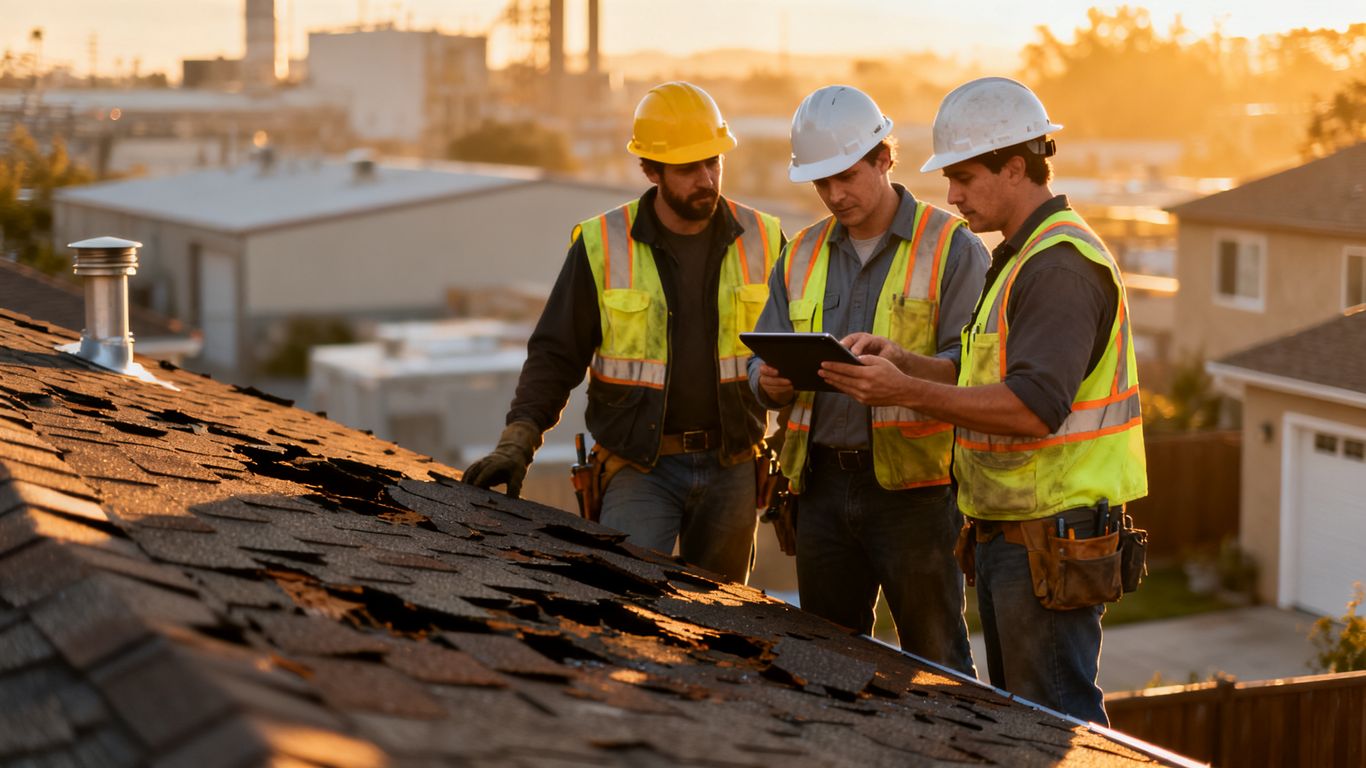
Mapping your service footprint to historical climate data allows you to allocate resources toward neighborhoods prone to recurring damage. Instead of spreading your budget too thin across an entire metro area, you focus your efforts on the specific zones where the next big event is most likely to hit.
Budgeting for pre-season saturation versus reactive storm-chasing
Smart budgeting requires a balance between consistent presence and emergency surges. Utilizing the roofing marketing solutions offered by PowerChord helps you build the necessary infrastructure to manage this balance without losing ROI. You want enough pre-season penetration to ensure the homeowner remembers your logo while saving enough liquidity to bid aggressively in search results during active storm weeks.
Timing your ad flight patterns for optimal audience retention
Ad frequency is just as important as reach. By spreading your investment over several weeks rather than dumping a month's budget into a single week, you stay relevant throughout the entire season. Consistent exposure on streaming platforms keeps your company top-of-mind for homeowners who might be shopping around for quotes early.
Tactical audience targeting for professional roofers
Leveraging first-party data to reach established homeowners
Targeting the right household involves looking past generic demographics to find those most likely to need roof replacements. You should focus on homeowners with aging properties, as these are the clients who frequently require inspections after severe weather events.
| Targeting Variable | Primary Goal | Expected Outcome |
|---|---|---|
| Homeowner Status | Reach owners not renters | Higher decision power |
| Property Age | Identify aging shingles | Increased replacement volume |
| Income Levels | Qualify for major projects | Better profit margins |
Using geo-fencing and DMA-level targeting to isolate service areas
Focusing on DMA-level targeting ensures you only pay for viewers residing within your active service zones. This prevents wasted spend on households located too far for your crews to travel, while also letting you increase the intensity of your messaging in regions currently under weather advisories.
Building lookalike audiences based on high-lifetime-value roofing clients
By leveraging the digital marketing services from Flypaper, you can develop sophisticated audience models that mirror your existing best clients. These models analyze traits like net worth, home value, and geographic location to find new prospects that match the profile of your most profitable customers.
Creative production and specs that drive brand recall
Best practices for 15-second versus 30-second video spots
Length dictates the depth of your story. A 15-second spot is perfect for quick brand reinforcement, whereas a 30-second spot gives you enough room to explain the specific value of your inspection process or roof replacement guarantee.
Balancing high-quality brand storytelling with clear calls to action
Your video should aim to build a connection first, but you shouldn't confuse the viewer about what to do next. Ensure that even in high-production spots, you provide a simple way for interested homeowners to schedule an estimate online or via phone.
Avoiding common creative mistakes that decrease viewer engagement
Many contractors fail by trying to cram too much technical jargon or too many offers into one video. Avoid these common pitfalls:
- Using confusing industry terminology instead of homeowner-friendly language.
- Failing to include your logo and contact information within the first few seconds.
- Overloading the screen with text that is unreadable on smaller mobile devices.
- Using generic or low-quality stock footage that creates a disconnect with your brand.
Measuring brand lift and attribution for television ads
Distinguishing between direct incoming leads and branded search uplift
Television advertising often creates an "indirect" lead flow. You will observe that your direct search volume for your brand name increases significantly after an active streaming video campaign begins, even if tracked leads on the platform itself remain low.
Utilizing post-view conversion tracking for connected television
Modern tracking tools now allow for more precise measurement of how an ad impression translates into a website visit. By setting up pixel tracking, you can map the timing of streaming ad delivery to later visits on your landing page or appointment booking forms.
Correlating television spend to fluctuations in cost-per-lead for roofing
When your streaming ads are active, you should ideally see a decrease in the cost-per-lead for your Google Ads campaigns. Brand awareness makes it much easier to win the click when a homeowner already recognizes your logo from their streaming service.
Integrating CTV with your Google and Meta search strategy
Fueling competitive search campaigns with increased brand awareness
Search campaigns are significantly easier to manage when the target audience already knows who you are. Increased brand familiarity helps drive higher click-through rates, which in turn improves your quality score and lowers your search costs, making it a critical component of 7 roofing company advertising strategies.
Retargeting CTV viewers specifically on Facebook and Instagram
Once a potential client sees your video ad on their smart TV, you gain a retargeting audience that you can approach again via social media. Use this secondary touchpoint to highlight customer testimonials or project photos to build final confidence before they commit to an estimate.
Maintaining search impression share during high-volume seasonal peaks
During peak weather events, competition for search keywords spikes. A strong existing brand foundation from television keeps your company visible even when bidders are aggressive, helping you maintain a consistent impression share throughout the busiest weeks of the year.
Conclusion
Building a robust market presence in the roofing industry requires a deliberate blend of aggressive direct response tactics and long-term brand equity strategies. As homeowners migrate away from traditional cable, Connected Television provides the necessary reach to secure your reputation before the next storm season, allowing you to capture high-value projects while others are still busy fighting over expensive, temporary search leads.
Frequently Asked Questions
Why is television advertising considered effective for home services?
Television advertising allows you to build brand recognition on the largest screen in the home, which fosters a sense of trust and legitimacy that fleeting digital ads cannot replicate. By presenting your services in a premium content environment, homeowners perceive your brand as more established and reliable during their research phase.
Can small roofing businesses afford modern television ad campaigns?
Yes, the shift to streaming-based advertising has democratized access to TV audiences. Unlike costly traditional cable spots, Connected Television allows for smaller, localized budget allocations that focus exclusively on your specific service geography.
Does television advertising work for emergency roof repairs?
While search advertising is better for immediate needs, television ads prepare the market for when emergencies occur. Homeowners are significantly more likely to call a contactor they already vaguely recognize from their favorite streaming shows when a leak happens mid-storm.
How does video length affect my advertising results?
Shorter video lengths are generally better for sustaining recall and keeping engagement high across mobile and connected devices. We recommend using 15 to 30-second spots to communicate your expertise without causing audience fatigue during viewing sessions.
What are the main benefits of layering CTV with digital search campaigns?
Layering these channels creates a cohesive customer journey where your television ads initiate awareness and your search ads facilitate the final conversion. This synergy effectively lowers your overall cost-per-acquisition by making every search interaction more likely to turn into a booked appointment.
Is it possible to track the performance of TV ads accurately?
Tracking has evolved significantly, allowing marketers to view post-view conversions and analyze the impact of ad spend on brand search volume. While it is not as granular as a direct-response click, the indirect uplift in branded search traffic provides a clear indication of campaign effectiveness.
Should I focus my budget on pre-season or in-season advertising?
Focusing on pre-season saturation is generally more cost-effective because you can build visibility when competition and keyword costs are lower. You can then reserve a smaller, agile portion of your budget for reactive bidding during intense storm weeks to maintain your presence.