Key Takeaways
A $50K composite deck is a different sales conversation from a repair call, and its landing page and campaign should reflect that.
- Separate premium composite projects from repairs and other lower-scope inquiries.
- Match keywords, ad messaging, and page content to the homeowner’s search intent.
- Use project proof and clear material information to earn trust before asking for contact details.
- Measure qualified estimates and booked projects, not just form submissions.
- Compare acquisition costs with the potential gross profit of the work.
Why a $50K composite deck deserves a dedicated campaign
A composite deck project can involve a substantial budget, a longer decision process, and a homeowner weighing design and material choices. Putting those searches in the same campaign as repairs or pressure washing can make the results hard to interpret. A dedicated campaign gives the project its own message and lets you evaluate whether the leads are appropriate for the work. The landing page should make that distinction just as clearly.
Separate high-value projects from repair and pressure-washing leads
Someone searching for a deck repair may need a small, quick fix; someone planning a large composite build is considering a much broader project. If both arrive at a page with a generic request-a-quote message, neither gets a particularly useful experience. Give composite builds their own campaign and destination page, while keeping repair and cleaning inquiries on paths that fit their scope. That separation also makes it easier to review lead quality without mixing very different jobs.
Match the campaign to homeowners ready to invest in composite
A dedicated campaign is not only about mentioning composite decking. It should connect with a homeowner who is weighing a new build, has a realistic service-area location, and is ready to discuss the project. The page can explain what a first conversation covers without making an unsupported promise about price or timeline. Clear language helps set the right expectations before someone fills out a form.
Give premium projects a budget and conversion goal of their own
When composite-deck leads share a budget with unrelated services, it can be difficult to tell what the campaign is actually buying. Set a distinct budget and define the outcome you want to optimize around, such as a qualified estimate request rather than any form completion. Keep the initial goal practical: gather enough relevant inquiries to assess fit, then refine it as sales outcomes become available. The objective is focus, not an arbitrary spending threshold.
Avoid judging success by lead volume alone
A campaign with more inquiries is not automatically a better campaign if those inquiries are mostly outside the service area or looking for work you do not offer. Compare the number of leads with how many become real consultations and viable projects. A quick review of those stages can expose a mismatch between the ad, the page, and the jobs your team wants. That is more useful than celebrating a low cost per form in isolation.
Match the campaign to composite-deck search intent
Search terms reveal what a homeowner is trying to figure out, and those needs can vary widely even when they all mention decking. Some people have chosen a material and are looking for a local builder; others are still comparing options or collecting inspiration. A focused campaign gives those searches relevant messaging rather than treating them as interchangeable. The landing page should continue the conversation the ad starts.
Build keyword groups around materials, brands, and project types
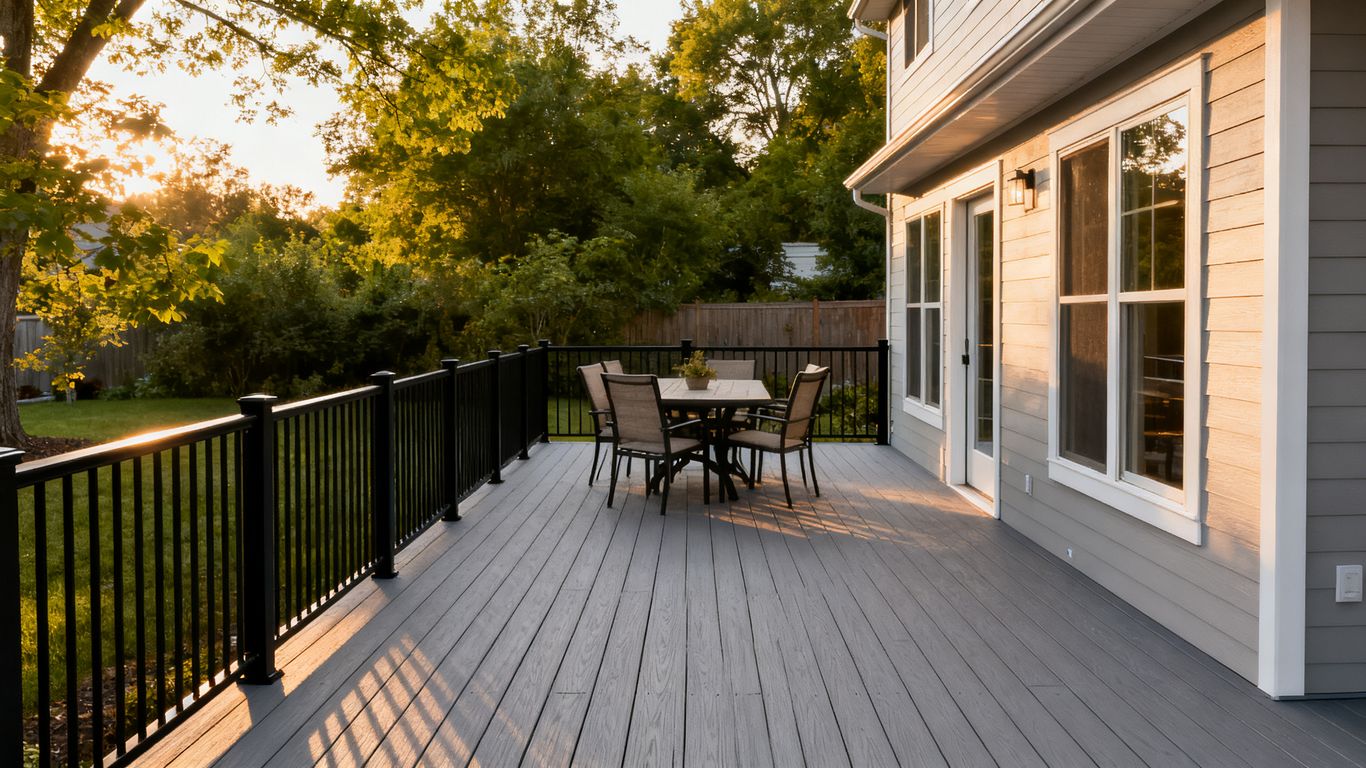
Organize search themes so that an ad and page can answer the same specific need. A query about composite material is different from one about replacing an existing deck, and a named product search may signal that the homeowner has begun narrowing choices. Use the structure below as a starting point, then adapt it to your actual services and service area.
| Search theme | Likely consideration | Useful page emphasis |
|---|---|---|
| Composite deck builder | Finding a contractor | Process, service area, project examples |
| Composite deck installation | Planning a new build | Scope, design conversation, next step |
| Composite deck replacement | Replacing an existing deck | Assessment and project fit |
| Named material or brand | Comparing a specific option | Accurate material details and available choices |
Treat these as separate themes rather than assuming every search deserves its own campaign. Keep any claims about materials or brands limited to the products you actually install and can support with accurate details. The page can then answer the specific concern without promising a particular result.
Separate high-intent searches from research-stage queries
A search for a local installer often points to a different moment than a broad query about composite decking pros and cons. You can group terms by likely readiness, then decide whether to send research-stage visitors to an educational page or focus paid spend on searches closer to a project conversation. Avoid treating intent as certain; the search term is a clue, not a guarantee. A quick scan of actual search queries helps show whether your assumptions hold up.
Use ad copy to qualify budget, location, and project scope
Ad copy can help screen for fit before the click by stating the service area, the type of project you handle, and whether the page is about new composite deck builds. Be direct without inventing a minimum project price or suggesting a specific budget if you have not set one. A useful ad is specific enough to discourage mismatched clicks, while still giving an interested homeowner a reason to learn more. The landing page should repeat those same boundaries.
Add negative keywords to filter out jobs you do not want
Search-term reviews can surface queries for jobs your team does not take, such as unrelated repair work or do-it-yourself instructions. Add negative keywords carefully so you exclude clear mismatches without blocking valuable searches that happen to share a word. Check the effect after changes; a negative keyword list should reflect your real service scope, not a one-time guess. This ongoing cleanup helps preserve the campaign’s focus.
Design a landing page for a considered purchase
A homeowner considering a major deck project is unlikely to choose a contractor from a single headline alone. The page needs to show what the finished experience might feel like, explain the decisions involved, and give visitors a reason to trust the team behind the work. Keep the page specific to composite projects instead of sending paid visitors to a general homepage. For broader inspiration on presenting completed work, browse these deck website examples and note which visual approaches suit your own portfolio.
Lead with the finished deck and the homeowner’s desired outcome
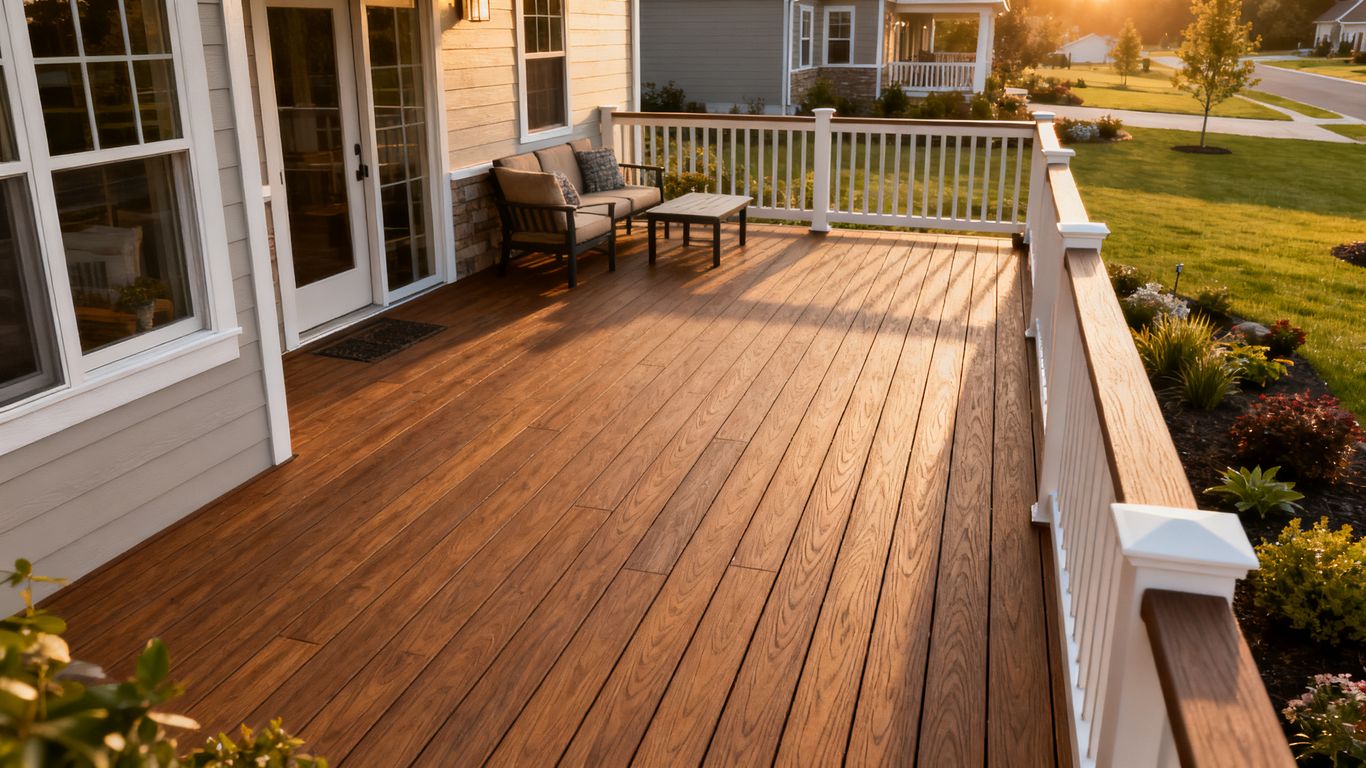
Start with a strong, representative project image and a headline that clearly says you design or build composite decks in the areas you serve. The opening should speak to the homeowner’s intended use of the space, whether that is dining outside, creating room for guests, or connecting the yard to the house. Avoid generic claims that could belong to any contractor. A visitor should understand within a moment that the page is relevant to their project.
Explain material options, warranties, and long-term value
Homeowners may need help comparing composite choices, understanding what is included in the build, and finding the applicable warranty information. Explain only what your team can verify, and link to manufacturer documentation when it is relevant and available. Long-term value is easier to discuss through clear tradeoffs and maintenance considerations than through a blanket claim that one option is best for everyone. Honest detail makes the page more useful and the sales conversation more grounded.
Show project photos, reviews, and proof of craftsmanship
Use photos of completed work that accurately represent the projects your company has delivered, with captions that give useful context about design or scope. Reviews should be genuine and presented with permission; they help visitors understand what working with your team has been like. If your work includes different styles or site conditions, a range of examples can make the page more credible than a single polished hero image. A dedicated commercial audience may need a different proof path, such as a trade-focused deck page, rather than homeowner-oriented imagery.
Make the next step clear without demanding a commitment too soon
A page should offer a straightforward action, but the request can be proportionate to where the homeowner is in their decision. Invite them to discuss the project or request an initial conversation rather than implying that submitting a form commits them to a build. Explain what happens after they reach out, so the action feels predictable. A clear next step lets interested visitors move forward without pressure.
Reduce friction from click to qualified estimate
Every extra uncertainty between the ad click and the inquiry can make a good prospect hesitate. That does not mean removing all questions from the form; it means asking for information that helps your team respond usefully and explaining why it matters. A well-designed deck company landing page design makes it easy to understand the project fit and what will happen next. Keep the experience consistent across devices and avoid surprising the visitor after submission.
Ask for the details needed to assess project fit
The form should gather enough context to route and assess an inquiry without becoming a full design brief. A small set of practical details can help the team decide what follow-up makes sense:
- Name and preferred contact method.
- Project address or ZIP code to check service-area fit.
- Whether the request is for a new deck, replacement, or another scope.
- A rough project timeframe or a short description of the goal.
If a question does not change how you respond, consider removing it from the first step. Make optional details clearly optional, and tell people how their information will be used. A shorter, relevant form is often easier to complete than one that asks visitors to solve every design decision upfront.
Offer a relevant next step, such as a design consultation
An estimate request can feel vague if the homeowner does not know whether the next conversation is a site visit, a design discussion, or a quick qualification call. Describe the next step in plain language and make sure it matches how your team actually handles new projects. You can also give visitors a way to start a conversation if they would rather ask a question before completing a longer inquiry. Set the expectation accurately rather than promising a consultation format you may not provide.
Make the page easy to use on mobile
Many paid visitors will see the page on a phone, where a small button, slow-loading photo, or long form can become a real obstacle. Check that the headline and service area are visible without hunting, the main action is easy to tap, and the form works with mobile keyboards. Keep images sized appropriately and test the page on more than one device. Practical usability matters more than decorative effects that slow down the route to an inquiry.
Set expectations for response times and the estimate process
Tell visitors what happens after they submit a request, including when they can generally expect a reply if your team can reliably honor that expectation. Explain whether the first step is a conversation or an on-site assessment, and avoid presenting a preliminary inquiry as a final estimate. These details reduce uncertainty and help your team start with a more productive exchange. Update the page if your process changes.
Align Google Ads campaigns with landing-page performance
Google Ads traffic is easier to evaluate when the campaign and destination page describe the same project. If an ad promotes composite deck builds but lands on a broad services page, the visitor has to do extra work to confirm they are in the right place. Keep the message consistent from search term through ad to form. Then use lead quality, not just clicks, to decide what deserves more attention.
Keep ad groups and page messaging tightly related
Group searches by meaningful themes and make sure the page headline and supporting copy respond to the same need. A dedicated composite-deck ad group can point to a page about those projects, while a different service should have its own relevant destination. Avoid sending every campaign to one generic page simply because it has a contact form. Relevance makes the visitor’s next step clearer and helps you diagnose mismatches.
Use location targeting that reflects your service area
Set targeting around the places your crew can realistically serve, then state those areas clearly on the page. A campaign may attract clicks from outside the workable radius if its location settings and message do not reflect the business’s actual reach. Review where inquiries originate and adjust the boundaries as needed. Do not imply that every nearby community is covered unless the team can take projects there.
Track qualified estimate requests, not just form submissions
A form submission is an early event, not proof that a lead can become a project. Keep track of which inquiries meet your service, scope, and location criteria, and distinguish them from incomplete or unrelated submissions. In Google Ads, choose conversion actions that reflect meaningful steps in the buying process and verify that tracking works before relying on the numbers. That gives the team a better signal than counting every form equally.
Review search terms and lead quality before changing bids
When results shift, inspect the search terms and the corresponding inquiries before making a major bid adjustment. The issue may be irrelevant traffic, an unclear page, or a form that attracts people outside the desired project scope. Google Ads can be managed across Search, Performance Max, and Local Services Ads, but the right format depends on what the business is running and how it qualifies leads. Make one considered change at a time so you can see what actually improved the fit.
Measure and improve campaign economics
A premium project can justify a different acquisition cost from a small service call, but that does not make every expensive lead worthwhile. Connect marketing activity to the stages your business cares about, from first inquiry through signed work. Review the numbers alongside real conversations with the sales or estimating team. That blend of data and feedback is what helps campaign decisions reflect commercial reality.
Connect calls and forms to booked consultations and signed projects
Use a consistent process for recording what happens after an inquiry, whether it came through a call or a form. Mark whether the lead was qualified, whether a consultation was booked, and whether the project was ultimately signed. This does not require an elaborate system to be useful; it does require the same definitions across the people handling leads. Without that connection, a campaign report ends at the moment that matters least to revenue.
Compare cost per qualified lead with gross profit potential
Cost per lead is a useful diagnostic, but the more relevant comparison is what it costs to generate an inquiry that fits the business and what the resulting project could contribute. Gross profit varies by scope, materials, labor, and other job costs, so use your own numbers rather than a generic industry benchmark. A simple view of the relationship can help keep the discussion practical:
| Measure | What to review | Why it matters |
|---|---|---|
| Cost per inquiry | Spend divided by incoming leads | Shows the cost of generating initial interest |
| Qualified lead rate | Qualified inquiries relative to all inquiries | Reveals how well targeting and messaging fit |
| Consultation rate | Booked consultations relative to qualified leads | Shows whether follow-up and next steps are working |
| Project economics | Gross profit potential from signed work | Puts acquisition cost in business context |
Use these measures together rather than treating any one number as a verdict. A higher cost per inquiry may still be workable if the leads are genuinely qualified and the resulting projects make sense financially. The team should agree on what counts as qualified before comparing campaigns.
Test page elements that affect trust, intent, and conversion
Change one meaningful page element at a time, such as the opening message, project imagery, or the amount of detail requested in the form. Keep the test aligned with a clear question: are visitors missing the service area, unsure about the process, or hesitant to share contact information? Review both conversion behavior and the quality of inquiries after the change. A higher form-completion rate is not an improvement if it brings in less suitable projects.
Follow up quickly and feed sales outcomes back into campaign decisions
A relevant inquiry can lose momentum if no one knows who owns the follow-up or how soon to respond. Set an internal handoff that assigns incoming calls and forms, then record what the team learns from those conversations. Feed recurring patterns—such as poor location fit or confusion about scope—back into campaign and page updates. Google Ads decisions become more grounded when they reflect outcomes from actual prospects, rather than platform metrics alone.
Conclusion
A dedicated campaign and landing page give a high-value composite deck project room to be understood on its own terms. Align the search intent, ad, page, and follow-up process, then judge performance by qualified opportunities and the economics of the work. For a practical next step, review your current campaign and page together, and make sure each gives the same clear invitation to the right homeowner.
Frequently Asked Questions
Why should composite deck projects have a separate campaign?
A separate campaign makes it easier to align keywords and messaging with a high-value build, while keeping results distinct from repairs or cleaning inquiries.
What should a composite deck landing page include?
It should clearly describe the service and area, show relevant completed projects, explain verified material information, and make the next step easy to understand.
Should the landing page show a project price?
Only include pricing if your business can provide accurate, useful figures and explain what they cover. Otherwise, focus on project fit and the estimate process.
What information should a deck estimate form request?
Start with contact details, location, project type, and a brief indication of timing or goals. Ask only for information that helps your team respond appropriately.
How can I tell whether a deck lead is qualified?
Define qualification using your actual service area, project scope, and business criteria, then record whether each inquiry meets them.
What should I measure beyond form submissions?
Track qualified leads, booked consultations, signed projects, and the relevant project economics so you can understand what happens after the first response.
How often should I review campaign search terms?
Review them regularly enough to catch irrelevant traffic and changing patterns, and check lead quality before making significant targeting or bid changes.