Drone Footage Is Your Best Marketing Asset: Video Strategy for Roofers
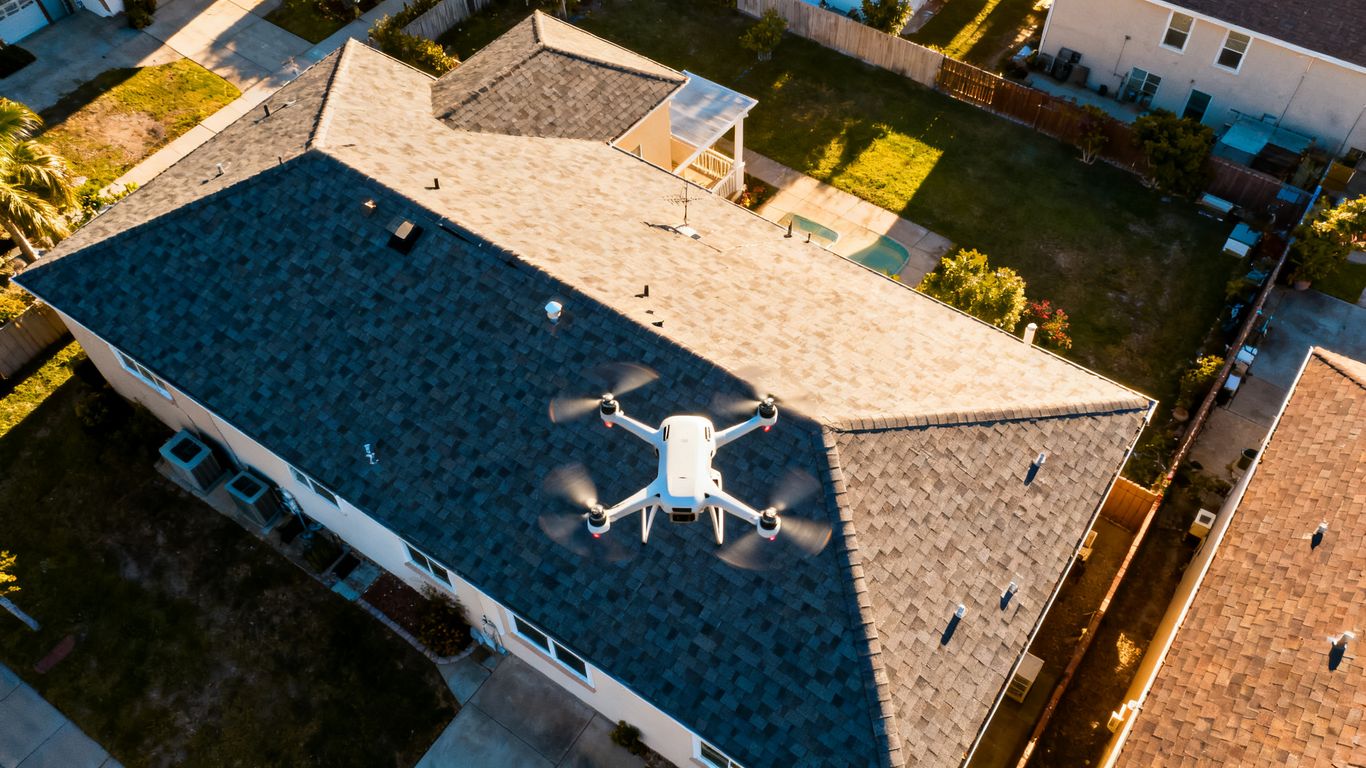
So, you're in the roofing business. You know how important it is to show people the quality of your work, right? But just telling them isn't enough anymore. People want to see it. This is where drone footage comes in. It's not just a cool gadget; it's a serious marketing tool that can really make your business stand out. We're talking about showing off your best jobs from angles no one else can, proving you're the real deal. Let's get into how using drone video for your roofing business marketing can make a big difference.
Key Takeaways
- Drone footage offers a unique perspective for roofing marketing that traditional photos can't match, showing off your work from above and highlighting details.
- Using the right drone gear and learning simple flying techniques helps you get clear, steady shots of roofs, even damaged ones, safely.
- Showcasing before-and-after roof projects, the quality of materials, and happy customers through video builds trust and attracts more leads.
- Putting your drone videos on your website and social media, and using them in ads, gets them in front of potential customers where they spend their time.
- Keep an eye on how your videos perform and adjust your strategy, making sure you're using your drone footage marketing budget wisely for the best results.
Elevate Your Roofing Business With Drone Marketing
Let's talk about how drones can really change the game for your roofing business. For years, roofers have relied on word-of-mouth, flyers, and maybe some local ads. It's worked, sure, but the world is changing, and how people find and choose contractors is changing with it. Drone footage offers a fresh, powerful way to show potential customers exactly what you do and the quality you deliver.
Understanding The Power Of Roofing Drone Footage Marketing
Think about it. When someone needs a new roof or repairs, they want to see proof. They want to see that you know what you're doing, that your work looks good, and that you're a company they can trust. Old-school photos just don't cut it anymore. Drone video gives you a bird's-eye view, literally, of your projects. You can show the scale of a job, the detail of your work, and the final, beautiful result from angles that were impossible just a few years ago. This kind of visual evidence builds confidence way faster than any brochure ever could. It's about showing, not just telling.
Why Traditional Marketing Falls Short For Roofers
Traditional methods like door hangers or newspaper ads are expensive and often don't reach the right people. You spend money hoping someone sees it, but you have no real way to know if it's working. Plus, they can't show the actual quality of your work in a dynamic way. A picture of a finished roof is okay, but a video showing the entire process, the clean-up, and the final look from above? That's a whole different story. It’s hard to convey the complexity and skill involved in roofing with just static images or text. Many companies are finding that traditional methods just don't get the same attention anymore.
The Competitive Edge Of Aerial Visuals
Using drones gives you a serious leg up on the competition. While other roofers are still using outdated methods, you can be showcasing your projects with stunning aerial videos. This isn't just about looking fancy; it's about providing clear, undeniable proof of your capabilities. Imagine a potential client comparing your professionally filmed drone video of a completed roof against a competitor's blurry cell phone picture. Which one do you think wins? It’s a way to stand out and capture attention in a crowded market. Plus, drones help make inspections safer, reducing the risk of falls for your crew. Roofing companies are increasingly using drones to improve safety and speed up site assessments.
The visual impact of high-quality drone footage is undeniable. It allows potential clients to see the scope and quality of your work in a way that static photos or descriptions simply cannot match. This direct visual evidence builds trust and credibility, making your company the clear choice.
Capturing High-Impact Roofing Drone Footage
Getting the right shots with your drone is more than just pointing and shooting. It's about planning and knowing what makes a good visual for potential customers. Think about what you'd want to see if you were hiring a roofer. You'd want clear views of the work, right? The goal is to show off the quality of your work from angles that are hard to get otherwise.
Essential Drone Equipment For Roofers
Picking the right drone and camera gear makes a big difference. You don't need the most expensive setup out there, but you do need something reliable that can capture good video and stills. Here’s a basic rundown:
- Drone: Look for a drone with good flight time (at least 20-25 minutes per battery) and stable flight, especially in windy conditions. Models with GPS and obstacle avoidance are a plus, making flights safer and easier. Drones equipped with advanced sensors and obstacle avoidance systems are ideal for roof inspections. They can navigate complex roof structures while systematically capturing high-resolution data.
- Camera: A camera with at least a 12-megapixel sensor for photos and 4K video recording is a good starting point. Higher frame rates (like 60fps) can be useful for smoother slow-motion shots.
- Batteries: Bring plenty of spare batteries. You'll be surprised how quickly they drain, especially if you're flying in cooler weather or doing longer flights.
- Memory Cards: High-speed SD cards are a must for recording 4K video without issues.
Mastering Aerial Photography Techniques
It’s not just about the gear; it’s how you use it. Think about the story you want to tell with your footage. Are you showing a new roof installation? A repair? Each needs a slightly different approach.
- Orbit Shots: Fly the drone in a circle around the house. This gives a great overview and shows the entire roof from multiple angles.
- Reveal Shots: Start with a wide shot of the house and then slowly zoom in or fly closer to focus on a specific area, like a newly installed section or a repaired spot.
- Detail Shots: Get close enough (safely!) to show the texture of the shingles, the clean lines of the flashing, or the condition of the gutters.
- Lighting: Early morning or late afternoon light is usually best. It creates softer shadows and makes the colors pop, making your work look its best.
Filming Damaged Roofs Safely And Effectively
When you're documenting damage, safety is the absolute top priority. You're often dealing with compromised structures, and you don't want to put yourself or your equipment at risk. Remember, the drone is there to get you visuals without you having to climb onto a potentially unstable surface. Drone roof inspections involve a three-step process: capture, process, and deliver. The capture phase utilizes a drone flying an orbit pattern above the roof to gather data.
- Maintain a Safe Distance: Don't fly too low over damaged areas. Keep enough altitude to avoid any falling debris or unstable sections.
- Focus on the Damage: Capture clear, steady shots of the specific areas that need repair. Show the extent of the problem, like missing shingles, cracks, or water stains.
- Document the Surroundings: Sometimes, the damage isn't just on the roof itself. Film nearby trees that might have caused the issue or areas around the house that show signs of water runoff.
- Use Zoom Wisely: If your drone has a good optical zoom, use it to get closer views of damage without flying too near. Digital zoom can make footage look grainy, so use it sparingly.
When you're filming, think like a detective. You're gathering evidence of the problem and evidence of your solution. Clear, steady shots that show exactly what's wrong and then how you fixed it are what potential clients need to see.
Showcasing Your Work With Compelling Videos
Okay, so you've got this amazing drone footage. Now what? It's time to turn those aerial shots into something that really grabs people's attention and shows them exactly what you can do. This isn't just about pretty pictures; it's about telling a story of transformation and quality.
Before and After Transformations
This is where drone footage really shines. Imagine a homeowner worried about their old, worn-out roof. You show them the drone shots of the damage: maybe missing shingles, water stains, or just general wear. Then, you switch to the footage of the brand-new roof. The difference is stark. Seeing that complete change from a bird's-eye view makes the impact of your work incredibly clear. It’s a visual promise of renewal.
- Start with the problem: Show the existing roof's condition clearly.
- Introduce the solution: Show your team working (briefly, if possible).
- Reveal the result: Showcase the new roof from multiple angles.
- Highlight key features: Point out any special materials or design elements.
Highlighting Material Quality and Craftsmanship
It's not just about a new roof; it's about a good new roof. Drone footage lets you zoom in on the details. You can show the clean lines of the shingles, the proper installation of flashing, the way the materials lay flat and evenly. This kind of close-up, steady aerial view demonstrates the care and precision your team puts into every job. It builds confidence because potential clients can see the quality for themselves, not just hear about it. This kind of visual proof is powerful for building trust with potential clients.
Customer Testimonials From New Heights
Getting happy customers to talk about their experience is gold. But imagine getting them to talk while showing off their newly roofed house from a drone's perspective. You could have a satisfied homeowner standing in their yard, with their beautiful new roof overhead, talking about how happy they are with the process and the result. It adds a whole new layer of authenticity and visual appeal to a standard testimonial. It makes the whole experience feel more tangible and impressive.
People want to see proof of a job well done. Showing the finished product from above, with a happy homeowner nearby, makes your service feel real and reliable. It's a step beyond just a handshake and a promise.
Putting these videos together effectively means focusing on clarity and impact. Keep the videos relatively short, especially for social media. Use clear shots that highlight the best aspects of your work. Remember, you're not just selling a roof; you're selling peace of mind and a beautiful, lasting improvement to someone's home. This approach helps in creating engaging content that gets noticed.
Strategic Deployment Of Your Drone Footage
So you've got all this amazing drone footage: great! But what do you do with it now? Just having it isn't enough; you need a plan to actually use it so it helps your business. Think of it like having a great tool but not knowing how to use it. We need to get this footage in front of the right people, at the right time, and in the right places.
Website Integration For Lead Generation
Your website is usually the first place people look when they're checking out a roofer. Putting your drone videos right there makes a big difference. Instead of just words and static pictures, people can see the quality of your work from above. This can really help with your website's SEO, making it more likely for potential customers to find you.
- Homepage Hero Section: Feature a short, impactful video showcasing a recent, impressive job.
- Service Pages: Use footage specific to the service, like a close-up of a new roof installation or a repair.
- About Us Page: Show your team working safely and professionally, giving a behind-the-scenes look.
- Contact Page: A quick video might encourage people to reach out.
The goal here is to grab attention immediately and build trust before they even fill out a form.
Social Media Campaigns That Soar
Social media is where you can really show off. Short, engaging clips work best here. Think about before-and-after shots of storm damage repairs, or time-lapses of a roof replacement. These kinds of posts get more likes, shares, and comments, which means more people see your business.
- Facebook/Instagram: Post before-and-after videos, customer testimonials shot from above, and short clips highlighting your team's work.
- YouTube: Create longer-form content like case studies of major projects or educational videos about roof maintenance, using your drone footage.
- LinkedIn: Share professional videos showcasing completed commercial projects or company milestones.
Posting consistently with high-quality visuals helps build a strong online presence and keeps your company top-of-mind.
Paid Advertising With Visual Dominance
When you're running ads, especially online, video stands out. People are more likely to stop scrolling if they see a video. Using your drone footage in paid ads can make them much more effective. You can target specific neighborhoods where you've recently done work, showing off your results right there. This kind of targeted approach is key, especially when dealing with storm-related demand.
Here's a quick look at how video can impact ad performance:
| Platform | Ad Type | Video Benefit |
|---|---|---|
| Google Ads | Display/Video | Higher click-through rates, better engagement |
| Facebook/Insta | Feed/Stories | Increased watch time, more shares and comments |
| YouTube | In-stream/Bumper | Improved brand recall, lower cost per view |
By strategically placing your drone videos across different platforms and ad types, you're not just showing people what you do; you're showing them you're the best at it.
Optimizing Roofing Drone Footage Marketing Campaigns
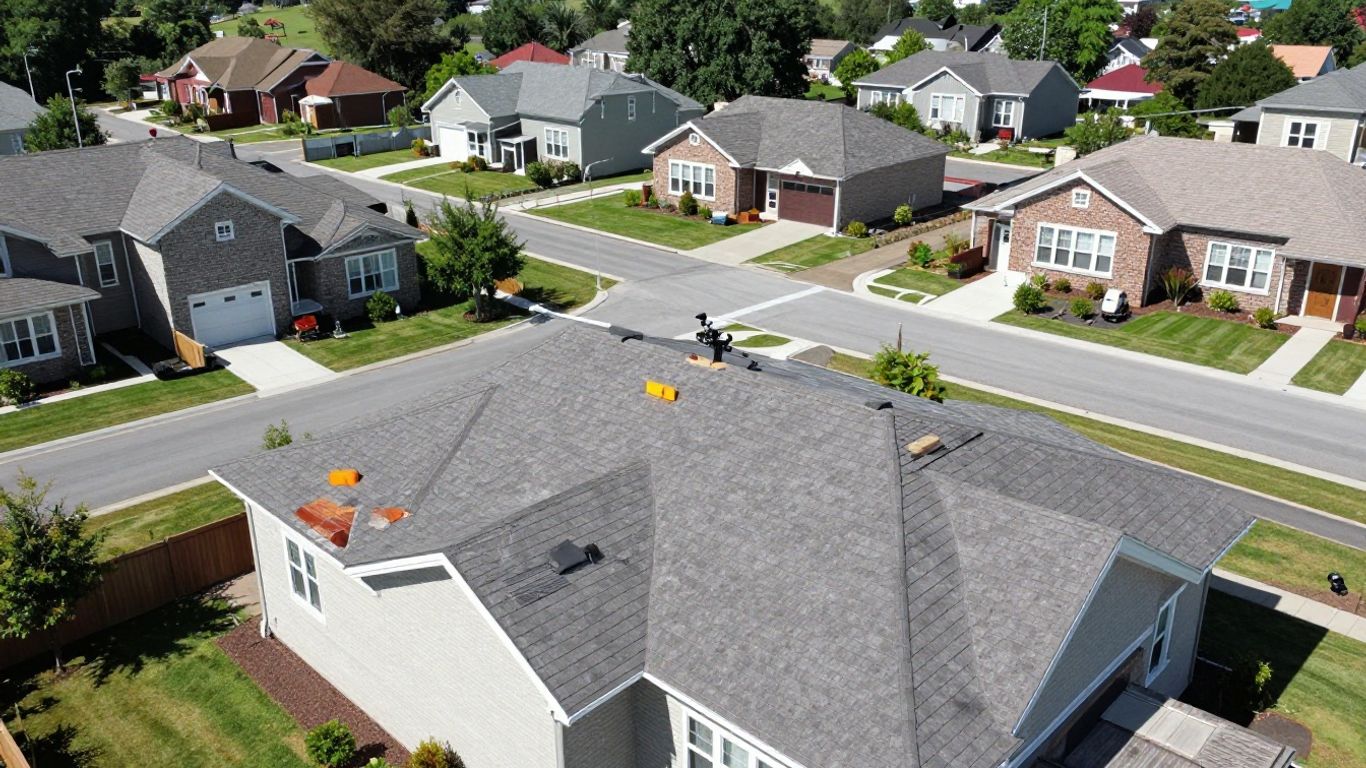
So you've got all this great drone footage: cool! But just having it isn't enough. You gotta make sure it's actually working for you. Think of it like this: you wouldn't just buy a bunch of tools and leave them in the box, right? You use them to build something. Your video content is the same way. We need to figure out what's hitting the mark and what's just… there.
Analyzing Video Performance Metrics
This is where we get down to business. We need to see what people are actually watching and, more importantly, what makes them take action. Forget just looking at view counts. We need to dig deeper.
- Watch Time: How long are people sticking around? If they're dropping off after 10 seconds, your intro might be boring, or the video isn't holding their attention.
- Click-Through Rate (CTR): If your video has a call to action (like "Get a Free Quote"), how many people are clicking it? This tells you if your message is getting through.
- Conversion Rate: This is the big one. Are people who watch your videos actually becoming leads or customers? This is the ultimate test of your video's effectiveness.
- Audience Retention: Where are viewers dropping off? Tools can show you a graph of this, helping you pinpoint boring parts.
A/B Testing Your Visual Content
Don't just guess what works best. Test it! A/B testing is your friend here. It’s pretty straightforward. You create two versions of something, say, two different thumbnail images for the same video, or two slightly different video ads, and show them to different groups of people. Then you see which one performs better.
For example, you could test:
- Thumbnails: A picture of a finished roof versus a picture of a drone flying over a house.
- Video End Screens: One with a phone number and website, another with a button to "Request an Estimate."
- Ad Copy: Different text descriptions for your video ads on social media.
The goal is to make small, informed changes that lead to big improvements in how your videos perform. It’s all about finding that sweet spot that gets more people interested in your roofing services.
Refining Your Strategy For Maximum ROI
Once you have the data from your analytics and A/B tests, it's time to put it all together. What did you learn? Maybe your drone shots of damaged roofs get a lot of views, but they don't lead to many calls. That might mean you need to pair that footage with a stronger call to action, like "Don't wait, get your storm damage assessed today!" Or perhaps your before-and-after videos are converting really well: great! Make more of those and push them out on platforms where they seem to do best. This iterative process is key to making sure your marketing dollars are well spent and you're getting the most bang for your buck. It’s about smart adjustments, not just random posting. You can find more tips on roofing marketing strategies to help boost your online leads.
Continuous improvement is the name of the game. Regularly reviewing your video performance and making data-driven adjustments will ensure your drone footage marketing campaigns remain effective and profitable over time. Don't let your content go stale; keep testing, keep learning, and keep optimizing.
Legal And Ethical Considerations For Drone Usage
So, you've got this awesome drone footage, and it looks great. But before you start plastering it everywhere, we need to talk about the rules. Flying drones, especially for business, isn't quite like flying a kite. There are actual regulations you need to know about, and some ethical stuff to keep in mind too. It’s not super complicated, but ignoring it can lead to some real headaches.
Understanding FAA Regulations For Commercial Drones
First off, the Federal Aviation Administration (FAA) is the big boss when it comes to airspace in the US. If you're flying a drone for any kind of commercial purpose, and yes, using footage for marketing your roofing business counts, you need to follow their rules. This usually means getting a Remote Pilot Certificate, often called a Part 107 license. It's not a super tough test, mostly about understanding airspace, weather, and how to operate safely. You can't just fly anywhere, anytime. There are restrictions around airports, over people, and at night. Always check the FAA's website for the latest requirements before you fly. They have specific guidelines for commercial drone operations that are different from recreational flying [09cb].
Privacy Concerns And Property Rights
Beyond the FAA rules, there's the whole privacy thing. When you're flying your drone over someone's property, even if it's just to get a good shot of a roof, you need to be mindful. People have a right to privacy. You don't want to be that roofer who's known for peeping into windows or hovering over private backyards. It’s generally a good idea to get permission if you're going to be filming close to homes or areas where people might feel their privacy is being invaded. Think about it from their perspective. Also, remember that the property owner has rights. You're filming their roof, which is part of their property. While marketing footage is usually fine, be aware of any local ordinances or specific property owner agreements.
Ensuring Safe Flight Operations
Safety is paramount. This isn't just about avoiding crashes, though that's important too. It's about operating your drone responsibly. This includes:
- Pre-flight checks: Always inspect your drone before you fly. Check the battery, propellers, and overall condition.
- Weather awareness: Don't fly in high winds, heavy rain, or fog. Bad weather can make controlling the drone difficult and dangerous.
- Visual line of sight: Keep your drone in sight at all times. Don't fly it so far away that you can't see it.
- Awareness of surroundings: Be mindful of people, buildings, power lines, and other aircraft. You need to maintain a safe distance.
Operating a drone for business purposes requires a more structured approach than casual hobby flying. It involves understanding not just the technical aspects of the drone itself, but also the legal framework and ethical responsibilities that come with aerial operations. This includes proper registration, pilot certification, and adherence to flight restrictions to maintain safety and compliance.
Think of it like driving a car. You need a license, you follow traffic laws, and you drive safely to avoid accidents. Drone operation is similar. For businesses looking to implement drone programs, a clear plan is key, covering everything from equipment to pilot training and data management [4f94]. Getting this right means you can focus on getting great marketing shots without worrying about legal trouble.
Flying drones comes with rules and responsibilities. It's important to know the laws and what's considered right and wrong when you're in the air. Making sure you follow these guidelines keeps everyone safe and respects privacy. Want to learn more about staying on the right side of drone rules? Visit our website for easy-to-understand guides and tips!
So, What's the Takeaway?
Look, getting good drone video isn't just about having cool shots. It's about showing people exactly what you do, up close and personal. Think about it: a potential customer sees your drone footage of a finished roof, looking solid and clean. That’s way more convincing than just words on a page, right? It builds trust. So, if you’re a roofer and you’re not using drone video in your marketing, you’re leaving money on the table. Start filming those jobs, get creative with it, and put that footage to work. It’s a simple change that can make a big difference for your business.
Frequently Asked Questions
Why should roofers use drone videos for marketing?
Imagine showing a customer exactly what their roof looks like from above, especially if there's damage! Drone videos make this super easy. They let you show off your best work, like a shiny new roof, in a way that photos just can't match. It's like giving potential customers a bird's-eye view of your skills, making them trust you more and more likely to pick you over competitors.
What kind of drone stuff do I need to get started?
You don't need the fanciest, most expensive drone out there. A good drone that can shoot clear video in at least 1080p is a great start. Make sure it's easy to fly and has a decent battery life so you can get all the shots you need. Also, think about a small tripod or gimbal for smoother video, and maybe an extra battery or two.
How can I make my drone videos look really good?
Think about telling a story with your video. Start with a wide shot of the house, then zoom in on any problem areas you're fixing. After the work is done, show off the finished roof from different angles. Smooth flying is key: avoid jerky movements. Good lighting helps too, so try to film when the sun isn't too harsh.
Where should I put my drone videos to get noticed?
Your website is the perfect place! Embed videos on your homepage or service pages to grab attention. Share them on social media like Facebook and Instagram people love watching cool videos. You can even use them in online ads on Google or Meta to reach more homeowners looking for roofing services.
Can I use drone videos to show off customer satisfaction?
Absolutely! Imagine filming a happy customer standing on their newly repaired roof, talking about how great your work was. Or, show a dramatic before-and-after of a roof that was falling apart and now looks amazing. These kinds of videos build trust and show potential customers exactly what they can expect.
Are there any rules I need to follow when flying a drone for my business?
Yes, there are! In the U.S., the Federal Aviation Administration (FAA) has rules for flying drones, especially for business use. You'll likely need to get a Remote Pilot Certificate. It's also important to be mindful of people's privacy and always fly safely, avoiding busy areas or flying too close to airports.