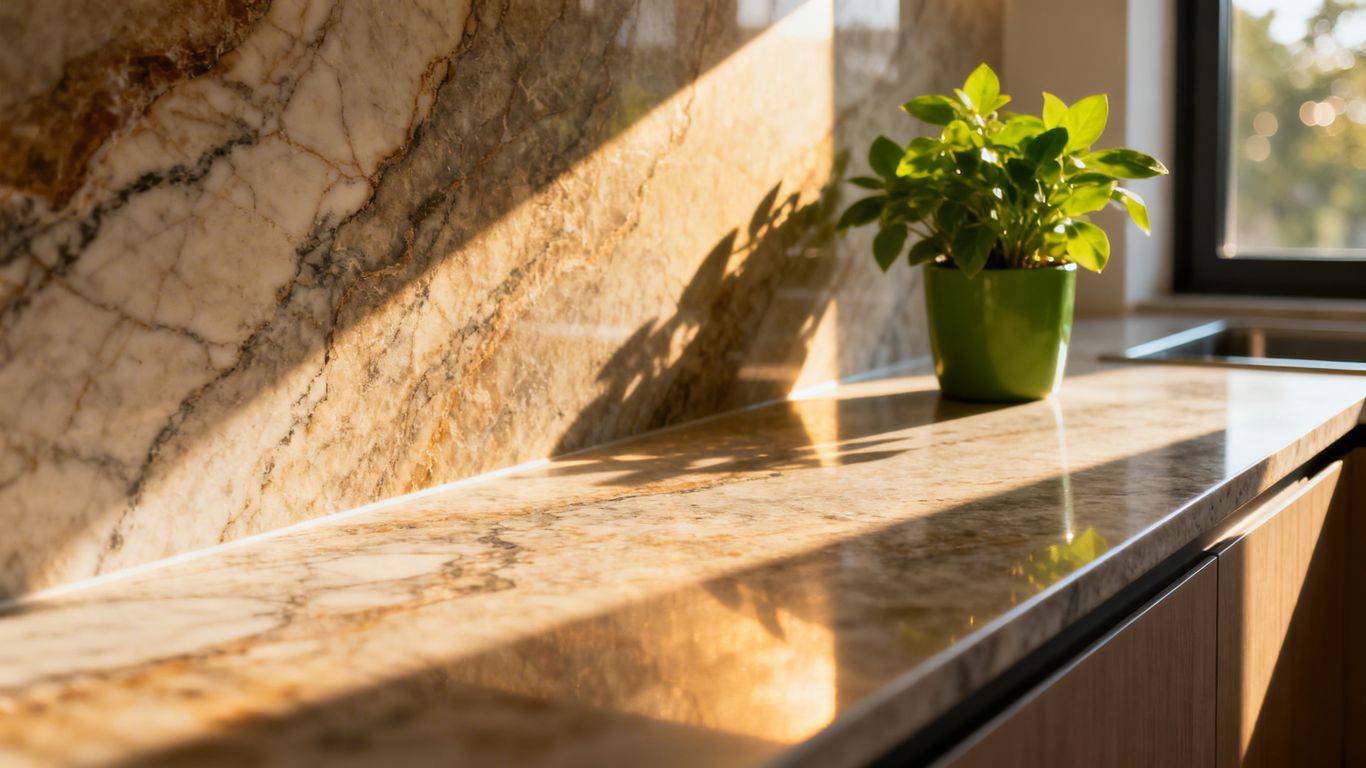
So, you're thinking about selling stone countertops in 2025? Things are changing, and people are looking for more than just a pretty surface. They want to know if what they're buying is good for the planet. This means your sales pitch needs a serious update. We're talking about making sure your stone countertop sustainability messaging is front and center. It's not just a trend; it's what customers are looking for. Let's break down how to talk about this stuff so it actually sells.
Key Takeaways
- Homebuyers today care a lot about the environment. They're making choices based on sustainability, so your marketing needs to reflect that.
- Natural stone has a good story to tell about being eco-friendly, especially its long life and how it's sourced. Be upfront about where it comes from.
- When you talk about your stone countertops, focus on how long they last and their whole lifecycle. This is a big part of their sustainability.
- Use real stories and honest claims about being green. People can spot fake claims a mile away, so authenticity is key in your stone countertop sustainability messaging.
- Think about the whole process, from getting the stone to what happens to it later. Showing you care about the environment long-term builds trust and keeps customers coming back.
The Evolving Consumer: Prioritizing Eco-Consciousness
Understanding the Modern Homeowner's Values
It feels like just yesterday we were all focused on the latest trends, right? Shiny new gadgets, the fastest cars, the biggest houses. But things are shifting, and fast. Today's homeowner, especially the one looking to put in new countertops, is thinking a lot more about where things come from and what impact they have. It's not just about looks anymore; it's about values. People want their homes to reflect not just their style, but also their commitment to a healthier planet. They're asking questions about materials, production, and even how long something will last. This shift means businesses need to pay attention to what truly matters to their customers now.
The Rise of Sustainable Purchasing Decisions
We're seeing it everywhere. From the grocery store to the car dealership, sustainability is becoming a major factor. People are actively seeking out products that are made responsibly. This isn't just a niche thing anymore; it's becoming mainstream. Think about it: more and more people are willing to spend a little extra if they know a product is good for the environment. They read labels, they research brands, and they talk to friends about their choices. It's a whole new way of shopping, driven by a desire to make better choices.
Here's a quick look at what's driving this change:
- Increased Awareness: News about climate change and environmental issues is everywhere. It's hard to ignore.
- Generational Influence: Younger generations, in particular, are vocal about their environmental concerns and are influencing older generations.
- Health Concerns: People are connecting environmental health with personal health, looking for non-toxic and natural options.
- Community Impact: There's a growing desire to support businesses that have a positive impact on local communities and the planet.
Connecting with Environmentally Aware Buyers
So, how do you actually talk to these buyers? It's not about just slapping a green sticker on something. You need to be genuine. People can spot fake claims a mile away. They want to know the real story behind the products they're buying. For countertops, this means being upfront about where the stone comes from, how it's quarried, and what the manufacturing process involves. Transparency is huge. When you can show that you're serious about sustainability, not just as a marketing tactic but as a core part of your business, that's when you really connect. It builds trust, and that's what leads to sales, especially in 2025 and beyond.
The modern consumer isn't just buying a product; they're buying into a brand's story and its commitment to the world. They want to feel good about their purchases, knowing they're contributing to something positive rather than causing harm.
Highlighting Natural Stone's Environmental Credentials
The Enduring Appeal of Natural Materials
People have been using natural stone for building and decorating for ages, and there's a good reason for that. It just looks and feels good. Unlike manufactured materials that often have a long list of chemicals and energy-intensive processes behind them, stone comes straight from the earth. Think about granite, marble, or quartz. These aren't things we invent; they're formed over millions of years. This natural origin is a big part of their appeal, especially now when folks are thinking more about where things come from and how they're made. It’s a connection to something real and lasting.
Sourcing and Extraction: Transparency is Key
When we talk about sustainability, how the stone gets from the ground to your kitchen is super important. Responsible quarrying practices are a big deal. This means companies need to be upfront about where they get their stone and how they get it out of the earth. Are they replanting trees? Are they managing water use? Are they minimizing waste? Asking these questions helps. For example, some suppliers are now offering eco-friendly granite collections that focus on these very points. It’s about making sure the beauty we bring into our homes doesn’t come at too high a cost to the environment.
Durability as a Sustainable Feature
One of the best things about natural stone is how long it lasts. A well-cared-for stone countertop can easily be there for decades, maybe even longer. This longevity is a huge part of its sustainability story. Think about it: if you buy something that lasts for fifty years, you're not replacing it every five or ten years like you might with other materials. That means less waste, fewer resources used for manufacturing replacements, and less energy spent on installation over time. It's a one-and-done kind of purchase that pays off in the long run, both for your wallet and the planet.
- Reduced Waste: Less frequent replacement means less material ends up in landfills.
- Lower Resource Consumption: Avoids the energy and materials needed to produce and install new countertops repeatedly.
- Timeless Aesthetics: Natural stone doesn't go out of style, further extending its useful life.
The true cost of a material isn't just what you pay upfront. It's also about how long it lasts and the impact it has throughout its entire life. Natural stone, with its inherent strength and beauty, often scores well on this long-term measure.
Crafting Your Stone Countertop Sustainability Messaging
Authenticity in Eco-Friendly Claims
When you're talking about stone countertops and the environment, honesty is the best policy. People are getting pretty good at spotting greenwashing, so just saying something is 'eco-friendly' isn't enough anymore. You need to back it up with real details. Think about where the stone comes from. Is it quarried nearby, cutting down on transport emissions? Are the quarrying practices responsible, minimizing land disruption and waste? Being upfront about these details builds trust. If you can show that your suppliers are committed to ethical and sustainable extraction, that's a huge selling point. It's not just about the stone itself, but the whole process from the earth to the kitchen.
Communicating Lifecycle Benefits
Natural stone countertops are built to last. This is a big part of their sustainability story. Unlike materials that might need replacing every few years, a well-maintained stone countertop can be a fixture in a home for generations. This longevity means less waste over time. Consider the energy and resources that go into manufacturing and installing other types of countertops. Stone, while requiring energy for extraction and processing, often has a lower overall environmental footprint because it doesn't need frequent replacement. It's a one-time investment that pays off environmentally in the long run.
Here's a quick look at how stone stacks up:
- Durability: Can last 50+ years with proper care.
- Low Maintenance: Requires less frequent replacement than many alternatives.
- Natural Origin: Sourced from the earth, not manufactured with synthetic chemicals.
- Recyclability: Can be repurposed or reused at the end of its life.
Leveraging Storytelling for Impact
People connect with stories. Instead of just listing facts, try to tell the story behind the stone. Where did it come from? What makes it unique? Maybe it's a family-run quarry with a long history of responsible practices, or perhaps it's a stone with a unique geological story. Sharing these narratives can make your countertops more appealing. It transforms a functional item into something with character and a connection to the natural world. Think about the journey of the stone from its origin to becoming the centerpiece of someone's kitchen. That journey, when told authentically, can be very powerful.
The real value of sustainable messaging lies in its ability to connect with a consumer's deeper values. It's about more than just a product; it's about aligning with a lifestyle and a vision for a better future. When a customer chooses a sustainable option, they're often making a statement about what they care about.
Digital Strategies for Promoting Sustainable Countertops
So, you've got these fantastic eco-friendly stone countertops, and now you need to get the word out. It’s not enough to just be green; people need to know about it, right? The internet is your best friend here. We're talking about reaching people where they already are – scrolling through their phones, planning their next home project.
Targeting Eco-Conscious Audiences Online
First things first, who are you trying to reach? It's the folks who actively search for 'sustainable home materials' or 'eco-friendly kitchen ideas.' They're probably reading blogs about green living and following influencers who talk about responsible consumption. You need to show up where they're looking. This means using keywords that matter to them. Think beyond just 'granite countertops' and get specific with terms like 'responsibly sourced quartz' or 'low-impact marble.'
Here’s a quick breakdown of where to focus:
- Social Media: Platforms like Instagram and Pinterest are visual goldmines for home design. Share beautiful images of your stone, but always include a caption about its sustainable journey. Use relevant hashtags like #SustainableKitchen, #EcoHome, and #GreenBuilding.
- Search Engines: Make sure your website pops up when someone searches for eco-friendly options. This involves Search Engine Optimization (SEO) – using those specific keywords we talked about on your website pages, in blog posts, and in product descriptions.
- Online Communities: Join forums or Facebook groups dedicated to home renovation or sustainable living. Participate genuinely, answer questions, and subtly introduce your products when it makes sense. Don't just spam links; be helpful.
Content Marketing for Sustainability
Content is king, especially when you're trying to educate people about why your stone is a better choice. It’s not just about selling; it’s about sharing information. People are willing to spend more on countertops if they see the value, and sustainability is a big part of that value now [ff06].
Think about creating blog posts that explain the lifecycle of your stone. Where does it come from? How is it quarried? What makes it last so long? You could even create infographics showing the reduced environmental impact compared to other materials. Videos are great too – maybe a short tour of a responsibly managed quarry or a demonstration of how durable the stone is.
Here are some content ideas:
- "The Journey of Our Stone": A series detailing the sourcing and manufacturing process.
- "Stone vs. Synthetics: An Eco-Comparison": Fact-based articles highlighting the environmental differences.
- "Caring for Your Eco-Countertop": Tips that extend the life of the product, reinforcing its sustainability.
The goal is to build trust. When customers feel informed and understand the positive environmental impact of their purchase, they're more likely to choose your product and feel good about it long-term.
Paid Media Campaigns Focused on Green Values
While organic reach is great, sometimes you need to give your message a little boost. Paid advertising can be super effective if you target it right. Instead of broad ads, focus on platforms that allow you to target users based on their interests – like environmentalism, home improvement, or healthy living.
For example, you could run ads on Google targeting searches for 'sustainable kitchen countertops.' Or, on social media, you could target users who have shown interest in eco-friendly brands or home design magazines. The ad copy itself should highlight the green benefits clearly and concisely. Don't just say 'eco-friendly'; explain why it's eco-friendly. Mention things like reduced carbon footprint, natural origins, or long-term durability that means less waste. This approach helps you connect with potential buyers who are already looking for exactly what you offer.
Beyond the Sale: Long-Term Environmental Responsibility
So, you've picked out that gorgeous granite or sleek quartz. Awesome. But what happens after the installation? Thinking about the whole life of your countertop, from where it came from to what happens down the road, is a big part of being truly eco-friendly. It’s not just about the initial purchase; it’s about the whole journey.
The Role of Installation in Sustainability
Installation might seem like a small detail, but it actually plays a part in the environmental picture. Think about the transport of the stone to your home. Are the installers using efficient routes? Are they minimizing waste on-site? Proper installation also means the countertop lasts longer, which is a win for sustainability. A well-fitted counter is less likely to chip or crack, meaning fewer repairs or replacements down the line. It’s about doing it right the first time.
- Minimize transport emissions: Grouping deliveries or choosing local suppliers when possible.
- Reduce on-site waste: Careful cutting and planning to use as much of the slab as possible.
- Proper sealing and finishing: Using low-VOC (volatile organic compound) sealants that are better for indoor air quality.
- Responsible disposal of offcuts: Finding ways to reuse or recycle leftover pieces.
End-of-Life Considerations for Stone
What happens when, years from now, you decide to change your kitchen? Natural stone, unlike many manufactured materials, can often be repurposed or recycled. It’s not just trash. Some pieces might be small enough to become new countertops in a smaller space, or perhaps decorative elements. If it does need to be disposed of, natural stone is generally inert, meaning it won't leach harmful chemicals into the ground. It’s a material that can have a second life, which is pretty neat when you think about it. We're seeing more companies focus on sustainable construction materials that consider this entire lifecycle.
Thinking about the end of a product's life from the start is a sign of mature environmental thinking. It moves beyond just 'green' production to a more holistic view of resource use.
Building Brand Loyalty Through Green Practices
Companies that show they care about the environment beyond just selling a product build trust. This means being open about their sourcing, their manufacturing processes, and even their end-of-life recommendations. When customers see that a brand is committed to sustainability at every step, they're more likely to feel good about their purchase and come back for future needs. It creates a connection that goes deeper than just the transaction. It’s about being a responsible business in a world that’s paying more attention to these things. This commitment to the planet is what will set brands apart in 2025 and beyond.
Our commitment doesn't end when you make a purchase. We believe in taking care of our planet long after the deal is done. That means we're always looking for ways to reduce our footprint and be good stewards of the environment. Want to learn more about our green efforts and how you can join us? Visit our website today!
The Future is Green (and Gorgeous)
So, it looks like the whole eco-friendly angle for countertops isn't just a passing trend. People are really paying attention to where their stuff comes from and how it's made. For businesses selling these stone surfaces, leaning into that sustainability message is smart. It's not just about selling a pretty slab for your kitchen anymore; it's about selling a choice that feels good. We're seeing it work in our ad campaigns – clients who highlight their green practices often get better clicks and more leads. It’s a win-win: customers get a beautiful, durable countertop, and they feel good about their purchase. Keep this in mind as you plan your marketing for next year. It’s a message that’s definitely connecting.
Frequently Asked Questions
Why are people caring more about the environment when buying things for their homes?
People today are more aware of how their choices affect the planet. They want to make sure the stuff they buy, like countertops, doesn't harm nature. They're looking for products that are made responsibly and last a long time, so they don't have to replace them often. It's about making smart choices that are good for their homes and good for the Earth.
How is natural stone a good choice for the environment?
Natural stone is great because it comes straight from the Earth, so it's a natural material. It's also super strong and lasts for ages, meaning you won't need to buy new countertops anytime soon. This saves resources and reduces waste. Plus, when it's time for a change, natural stone can sometimes be reused or recycled.
What does 'sourcing and extraction' mean for stone countertops, and why is it important?
This is about where and how the stone is taken from the ground. 'Sourcing' is finding the right quarry, and 'extraction' is the process of getting the stone out. It's important because how it's done can impact the environment. Companies that are open about their methods and try to minimize harm, like restoring the land afterward, are showing they care about being eco-friendly.
How can I tell if a company is really being 'eco-friendly' about their stone countertops?
Look for honesty. Companies that are truly eco-friendly will be clear about where their stone comes from and how it's processed. They might have certifications or be able to explain their efforts to protect the environment. Avoid companies that just use buzzwords without proof. Real sustainability is about actions, not just words.
What's the big deal about the 'lifecycle benefits' of stone countertops?
This means thinking about the stone from when it's dug up, to when it's installed in your kitchen, all the way to what happens when you no longer need it. Stone countertops have good lifecycle benefits because they are so durable. They don't need frequent replacement, which uses less energy and materials over many years compared to alternatives that wear out faster.
How does installing countertops affect their eco-friendliness?
The way countertops are installed matters! Using eco-friendly adhesives and sealants is better for your home's air quality and the environment. Also, making sure the installation is done right the first time means fewer mistakes and less waste. Good installers also think about how to handle the stone carefully to avoid breakage.