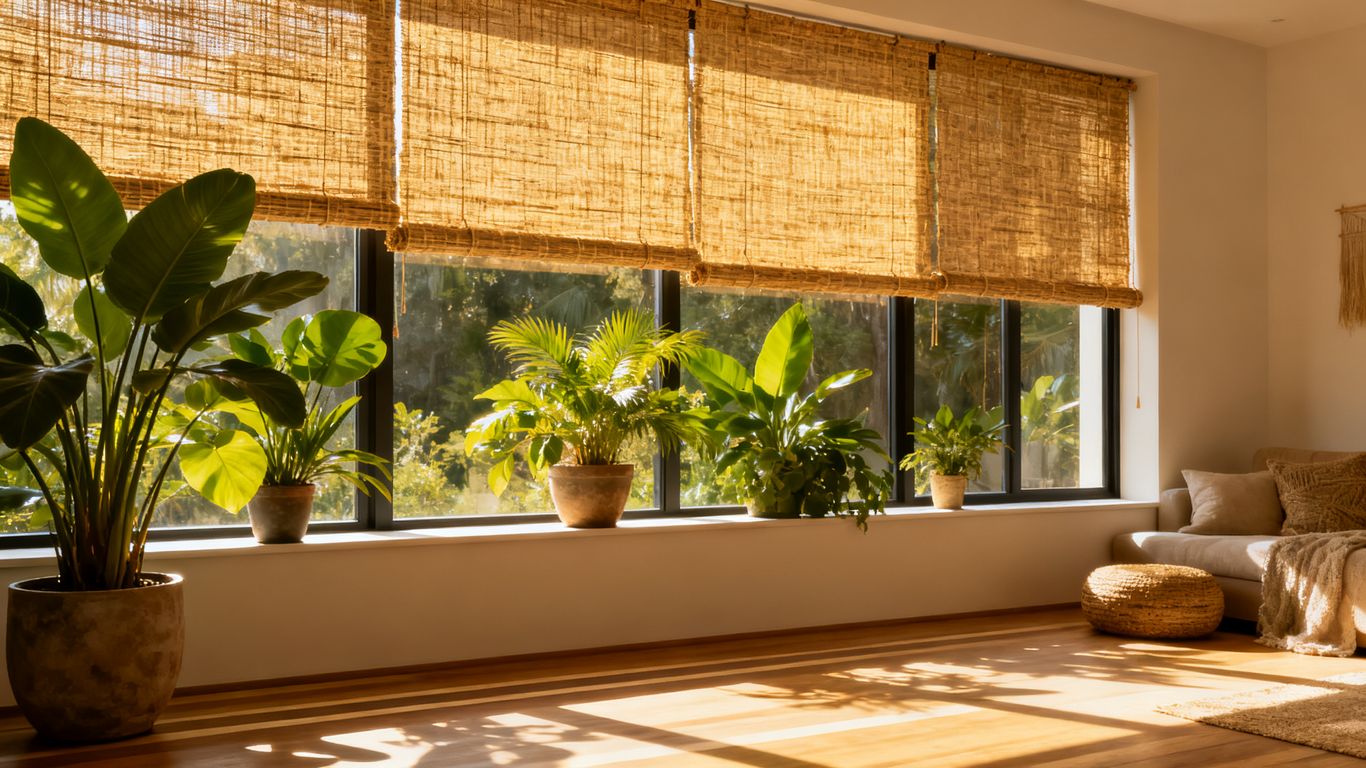
So, window treatments. They're more than just blocking the sun, right? People are really starting to care about what's in their homes, especially when it comes to sustainability. In 2025, if you're selling blinds or curtains, you've gotta talk the green talk. It's not just a nice-to-have anymore; it's a big part of why people buy. We're seeing a real shift, and if you're not on board, you might get left behind. This article is about how to get that eco-friendly message out there effectively, especially for window treatments.
Key Takeaways
- Homeowners increasingly want eco-friendly products, and they're willing to pay a bit more for them. This means your window treatment sustainability eco message needs to be front and center.
- Using recycled fabrics, natural fibers like bamboo or linen, and finishes with low VOCs are big selling points for sustainable window treatments.
- Be real about your green claims. Customers can spot fake marketing from a mile away. Show them where your materials come from and how things are made.
- Think about smart blinds that save energy, designs that are easy to fix, and even options that can be composted when they're done.
- Use social media and your website to tell the story behind your sustainable products. People connect with that, and it helps them choose you over the competition.
The Growing Demand For Eco-Conscious Home Decor
Consumer Shift Towards Sustainable Choices
It’s pretty clear that people are thinking more about where their stuff comes from and how it impacts the planet. This isn't just a small group anymore; it's a big shift happening everywhere. When it comes to decorating our homes, especially things like window treatments, folks are asking more questions. They want to know if the materials are good for the environment, if the production process is fair, and if the product itself is safe for their families. This move towards conscious consumption means businesses need to be upfront about their practices. It’s not enough to just make something look nice; it has to be nice, in a broader sense.
The 'Green' Premium in Home Furnishings
Because more people are looking for eco-friendly options, there's a bit of a price difference, sometimes called a 'green premium.' It’s not always a huge jump, but you might pay a little more for curtains made from recycled plastic bottles or blinds crafted from sustainably harvested wood. This is partly because these materials can be more expensive to source and process, and partly because companies know that consumers are willing to pay for peace of mind. Think about it: you’re not just buying a window covering; you’re investing in something that aligns with your values. This trend is really shaping the home decor market.
Understanding the Window Treatment Sustainability Eco Message
So, what does 'eco-friendly' actually mean when we talk about window treatments? It’s a pretty broad term, so it helps to break it down. Generally, it covers a few key areas:
- Materials: Are they recycled, renewable, or organic? Think bamboo, organic cotton, or fabrics made from old fishing nets.
- Production: How was it made? Were harmful chemicals used? Is the energy used renewable? Are workers treated fairly?
- Lifespan: How long will it last? Products that are built to last, and maybe even repairable, are more sustainable than things you have to replace often.
- End-of-Life: What happens when you’re done with it? Can it be recycled, composted, or is it just going to sit in a landfill?
It’s about looking at the whole picture, from the very beginning of an item’s life to its very end. This holistic view is what consumers are starting to expect.
This growing awareness means that window treatments aren't just about blocking light or adding privacy anymore. They're becoming a statement about a homeowner's commitment to a healthier planet and a more responsible lifestyle. Even things like advanced window technologies, which can help with energy efficiency, are part of this larger conversation about making homes greener, almost like integrated solar solutions for your windows.
Materials Driving Window Treatment Sustainability
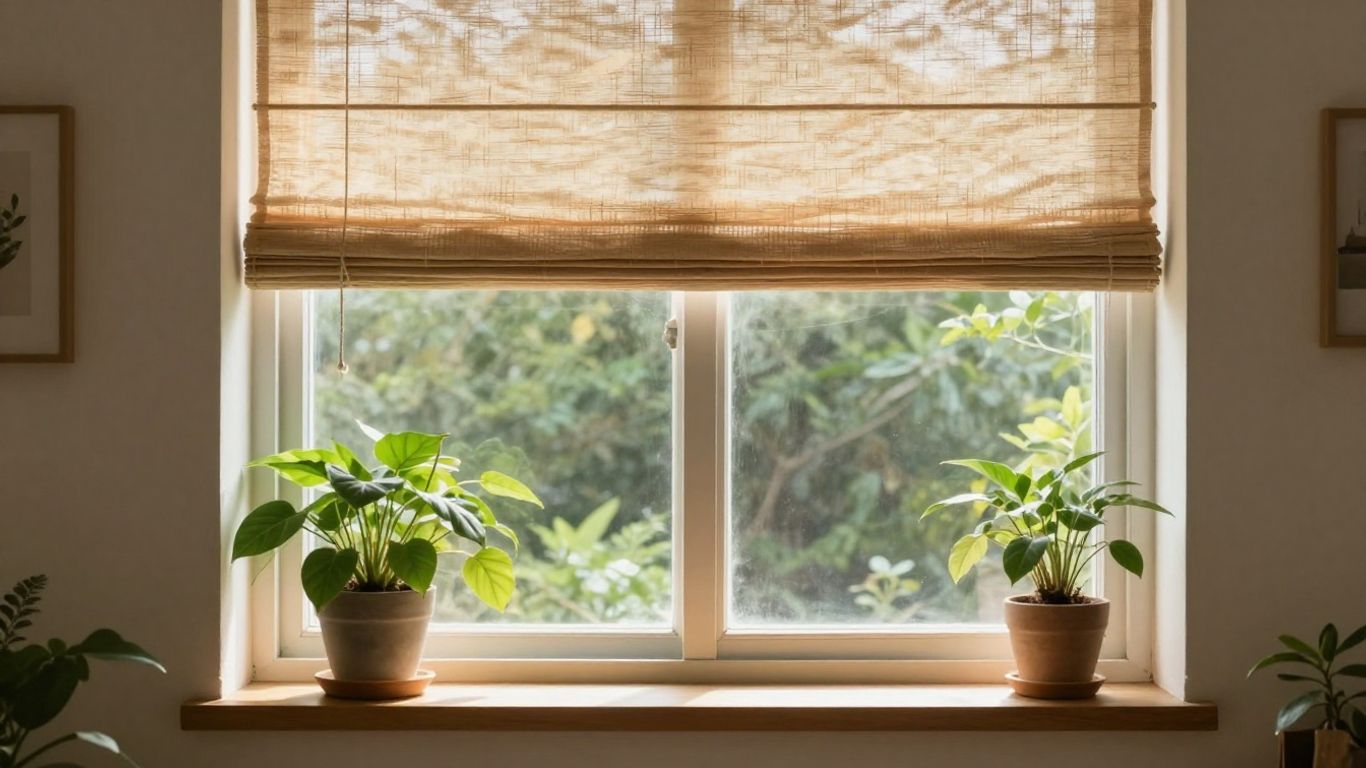
When we talk about eco-friendly window treatments, the materials used are a huge part of the story. It's not just about how they look or function, but where they come from and what impact they have. Think about it – these fabrics and finishes are right there in our homes, so it makes sense to be picky about them.
Recycled and Reclaimed Fabrics
Using materials that already exist is a smart way to cut down on waste. Companies are getting really creative with this. Old plastic bottles, for instance, can be transformed into durable, attractive fabrics for blinds and curtains. It’s pretty wild to think your window shades might have once been part of a soda bottle. Reclaimed textiles, like fabric scraps from other industries or even old clothing, are also finding new life. This approach not only diverts waste from landfills but also uses less energy and water compared to making brand-new materials from scratch. It’s a win-win, really.
Natural and Renewable Fibers
Beyond just recycling, there's a big push towards materials that grow back. Think about things like organic cotton, linen, hemp, and bamboo. These plants often require less water and fewer pesticides to grow compared to conventional crops. Bamboo, in particular, is a super fast grower, making it a really renewable resource. These natural fibers often have a beautiful texture and feel, adding a certain warmth to a room. Plus, when they eventually reach the end of their life, many of them can biodegrade, which is a big plus for the environment. You can find some really nice options made from these materials that look great and feel good about buying. Check out window treatments crafted from sustainable materials like bamboo, organic cotton, and recycled components [e7a6].
Low-VOC and Non-Toxic Finishes
It’s not just the fabric itself, but also what’s used to treat it. Many conventional window treatments might have finishes or dyes that release volatile organic compounds (VOCs) into the air. These can be bad for indoor air quality and our health. The green movement is pushing for treatments that use low-VOC or zero-VOC paints, dyes, and finishes. This means the air in your home stays cleaner. It’s a subtle but important detail that contributes to a healthier living space. When choosing, look for certifications or labels that indicate these safer finishes.
The focus on materials is changing how we think about home decor. It's moving beyond just aesthetics to consider the entire lifecycle of a product, from its origin to its eventual disposal. This shift is making consumers more aware and businesses more responsible.
Here’s a quick look at some common eco-friendly materials:
- Organic Cotton: Grown without synthetic pesticides or fertilizers.
- Linen: Made from flax plants, which are generally hardy and require little water.
- Hemp: A strong fiber that grows quickly and needs minimal resources.
- Recycled Polyester (rPET): Made from recycled plastic bottles.
- Bamboo: A rapidly renewable grass, often used for blinds and shades.
These choices are becoming more accessible, and honestly, they often look and feel just as good, if not better, than their less sustainable counterparts. It’s about making informed decisions that benefit both our homes and the planet. Explore sustainable window treatments crafted from natural and recycled materials like bamboo and organic cotton [38a2].
Communicating Your Eco Message Effectively
So, you've got these fantastic window treatments made from recycled bottles or organic cotton. That's great! But how do you actually tell people about it without sounding like you're just shouting buzzwords? It’s more than just slapping a green leaf sticker on things. You need to be real about it.
Authenticity in Green Marketing
People are getting pretty good at spotting fake eco-claims. If you say your blinds are made from sustainable bamboo, but they're actually shipped halfway around the world in a gas-guzzling freighter, that doesn't quite add up, does it? Honesty is the best policy here. Think about what makes your product genuinely better for the planet and focus on that. Are you using less water in production? Is your packaging minimal and recyclable? These are the details that matter.
Highlighting Durability and Longevity
Sometimes, the most eco-friendly thing you can do is make something that lasts. A well-made curtain or blind that you don't have to replace every couple of years is a win for the environment. It means fewer resources used, less waste in landfills. So, talk about how sturdy your materials are, how well the stitching holds up, and how your designs are timeless, not just trendy for a season. This is a big part of sustainable marketing that often gets overlooked.
Transparency in Sourcing and Production
Where do your materials come from? Who makes your products? Being open about this builds trust. You don't need to reveal every single secret, but giving customers a general idea goes a long way. Maybe you can share a map showing where your wood is harvested or mention that your factory uses solar power.
- Traceability of raw materials
- Fair labor practices in manufacturing
- Energy sources used during production
- Water usage and waste management policies
Being upfront about your supply chain, even the parts that aren't perfect yet, shows you're committed to improvement and honest with your customers. It's about building a relationship, not just making a sale.
Innovative Eco-Friendly Window Treatment Designs
It’s not just about what your window treatments are made of anymore; it’s also about how they work and how long they last. The push for sustainability has really sparked some clever ideas in the window treatment world. We're seeing designs that do more than just block light or add privacy. They're actively contributing to a greener home.
Smart Blinds for Energy Efficiency
Think about blinds that can actually help manage your home's temperature. Smart blinds are becoming a big deal. They can be programmed to open and close at certain times of the day, or even react to the weather. This means they can help keep your home cooler in the summer by blocking direct sun, and warmer in the winter by letting it in. It's a simple way to cut down on heating and cooling costs, which is good for your wallet and the planet. Some systems even connect to your home's thermostat, making them even smarter. This kind of tech is really changing how we think about window coverings, turning them into active participants in home energy management.
Modular and Repairable Designs
Another trend we're seeing is a move towards designs that are built to last and be fixed. Instead of throwing out a whole set of blinds because one part breaks, manufacturers are starting to offer modular systems. This means you can replace just a single slat or a mechanism, rather than the entire unit. It's a much more sensible approach that cuts down on waste significantly. Plus, it makes repairs easier for homeowners. It’s like building with LEGOs, but for your windows. This focus on repairability is a direct response to the throwaway culture that’s been so common.
Biodegradable and Compostable Options
Looking further ahead, there's a lot of excitement around materials that can return to the earth. We're starting to see window treatments made from materials that are biodegradable or even compostable. Imagine curtains or shades that, at the end of their life, can be broken down naturally without leaving harmful residues. This is still a developing area, but it holds a lot of promise for truly closing the loop on product lifecycles. It’s a big step towards a more circular economy for home goods, moving away from landfill waste.
The focus on innovative design in eco-friendly window treatments is about creating products that are not only good for the environment in their material makeup but also in their function and end-of-life possibilities. It's a holistic approach to sustainability that considers the entire lifecycle of the product.
Here are some key aspects of these innovative designs:
- Energy Savings: Smart features that reduce reliance on artificial heating and cooling.
- Waste Reduction: Modular components and repairability extend product life.
- End-of-Life Solutions: Biodegradable and compostable materials offer a natural return to the environment.
- Material Innovation: Exploring new, sustainable fibers and manufacturing processes. For example, using rapidly renewable resources like bamboo is a great start, and you can find more on sustainable bamboo options.
Marketing Your Sustainable Window Treatments
So, you've got these fantastic eco-friendly window treatments. That's great! But how do you get people to actually buy them? It's not enough to just make good stuff; you've got to tell people about it in a way that makes sense. The way you talk about sustainability matters a lot.
Leveraging Digital Channels for Green Messaging
Today, most people find things online, right? So, your website and social media are your main stages. Think about sharing the story behind your products. Use clear photos and videos that show off the natural materials or the recycled content. Post about your company's commitment to the planet. It’s about building trust. You can also run ads targeting people who are already interested in green living or home decor. It’s a smart way to reach the right audience without wasting money.
Targeting Eco-Conscious Consumers
Who are you trying to reach? Well, it's the folks who care about where their stuff comes from and how it's made. They're looking for products that align with their values. This means being honest about what makes your window treatments green. Are they made from recycled plastic bottles? Do they use less water in production? Mentioning these details helps connect with these buyers. They're often willing to spend a bit more for products that are better for the environment. The global window covering market is growing, and a good chunk of that is driven by these conscious choices [0d99].
The Power of Storytelling in Sustainability
People connect with stories. Instead of just listing features, tell the story of your product. Where did the materials come from? Who made them? What impact does choosing your product have? For example, you could talk about how using reclaimed wood for a blind's frame helps reduce waste. Or how organic cotton curtains support healthier farming practices. This kind of narrative makes your product more memorable and meaningful. It turns a simple purchase into a statement about what the customer believes in. It’s about more than just covering a window; it’s about making a positive choice for their home and the world.
When you're marketing eco-friendly products, authenticity is key. Consumers are getting savvier about greenwashing, so be upfront and honest about your practices. Highlight certifications if you have them, and explain what they mean in simple terms. Transparency builds credibility, which is gold in today's market.
The Future of Sustainable Window Treatments
So, what's next for window treatments that are kind to the planet? It's not just about using recycled bottles anymore, though that's still a big deal. We're seeing a real shift towards thinking about the entire life of a product, from how it's made to what happens when you're done with it. This means companies are really looking at how they can make things better, not just for a quick sale, but for the long haul.
Circular Economy Principles in Home Goods
This whole idea of a circular economy is starting to catch on in home decor, and window treatments are no exception. Instead of the old 'take-make-dispose' model, we're moving towards a system where things are designed to be used, reused, and then remade. Think about it: window coverings that can be easily taken apart and repaired, or materials that can be fully recycled back into new products without losing quality. It's a smarter way to use resources and cut down on waste. We're already seeing some companies experiment with take-back programs for old blinds and shades, which is a great start. The goal is to keep materials in use for as long as possible.
Technological Advancements in Eco-Materials
Technology is playing a huge role here. Scientists and designers are coming up with some pretty neat new materials. We're talking about fabrics made from agricultural waste, or even algae-based textiles that are biodegradable. Plus, advancements in manufacturing mean we can create these materials more efficiently and with less environmental impact. For instance, new dyeing techniques use way less water and fewer chemicals. It’s exciting to see what new options will pop up in the next few years, making sustainable choices even more accessible and stylish. Some of these innovations are leading to window coverings that offer excellent insulation and energy savings, much like cellular shades.
The Evolving Window Treatment Sustainability Eco Message
How companies talk about their eco-friendly products is changing too. It's moving beyond just slapping a 'green' label on something. Consumers are getting savvier and want proof. This means more transparency about where materials come from, how things are made, and the actual environmental benefits. Expect to see more detailed product information, certifications, and stories that show the real impact of choosing sustainable options. It’s about building trust and showing genuine commitment, not just jumping on a trend. This focus on sustainability is a key part of top window treatment trends for the coming years.
The future isn't just about making things from recycled stuff. It's about designing them so they last, can be fixed easily, and don't create trash at the end of their life. This means looking at the whole picture, from the factory floor to your window, and thinking about how to do better at every step.
Thinking about new window coverings? The world of window treatments is getting greener! We're seeing cool new materials and smart designs that help save energy and look great. Want to learn more about making your home eco-friendly and stylish? Visit our website today to explore the latest in sustainable window solutions!
The Takeaway: Green is the New Gold
So, looking ahead to 2025, it's pretty clear that eco-friendly window treatments aren't just a niche thing anymore. People are really paying attention to how their choices impact the planet, and that includes what they put in their homes. For businesses selling these products, this is a huge opportunity. It’s not just about selling blinds or curtains; it’s about selling a lifestyle, a commitment to sustainability. If you’re in this space, make sure your marketing talks about the green benefits. Show people how your products help them save energy, reduce waste, and feel good about their purchase. It’s a message that’s not just selling well now, but it’s going to keep selling, and probably even better, as more folks get on board with living a little greener. Don't miss out on this trend; it's a smart move for your business and for the planet.
Frequently Asked Questions
Why are people buying more eco-friendly window treatments now?
Folks are more aware of how their choices affect the planet. They want their homes to look good and be good for the Earth. Think of it like choosing a reusable water bottle over a plastic one – it's a small change that adds up.
What kind of materials are best for green window treatments?
Look for fabrics made from things like recycled plastic bottles or old clothes. Natural fibers like organic cotton, linen, or bamboo are also great choices because they grow back easily and are less harmful to make.
What does 'low-VOC' mean for window treatments?
VOCs are tiny particles released into the air that aren't great for your health or the environment. 'Low-VOC' means the window treatments have very few of these particles, making your home's air cleaner and safer.
How can I tell if a company is really being eco-friendly?
Good companies are honest about where their materials come from and how they make their products. They might have certifications or tell stories about their sustainable practices. Avoid companies that just say 'green' without explaining how.
Are there smart window treatments that help save energy?
Yes! Some blinds and shades can be programmed to open and close automatically. They can block the sun when it's hot to keep your house cool, or let it in when it's cold to warm things up, saving you money on heating and cooling bills.
What's the 'circular economy' for window treatments?
This is a fancy way of saying that instead of throwing things away, we try to reuse, repair, or recycle them. For window treatments, it means making them so they can be fixed easily or turned into something new when they're no longer needed, reducing waste.