Emergency Electrician Keywords: Winning the Urgent Late-Night Search
Key Takeaways
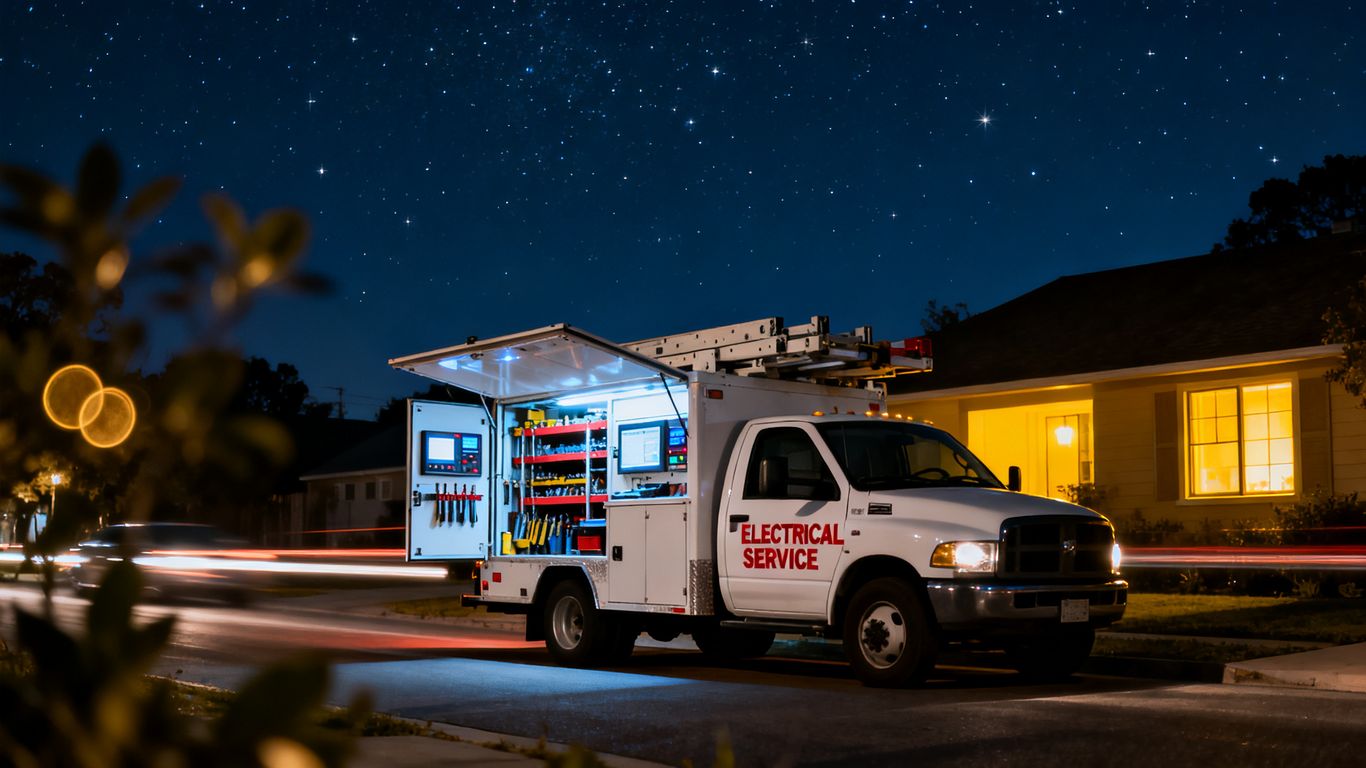
Finding the right keywords for your electrical business takes precision, especially when targeting urgent, high-value leads during off-hours. This guide explains how to identify intent, build cost-effective campaigns, and ensure your services remain visible to those in immediate need.
- Prioritize high-intent keywords that signal an urgent electrical safety risk.
- Use location-augmented terms to remain relevant to nearby homeowners.
- Filter out DIY search queries to preserve your daily advertising budget.
- Optimize local business profiles to highlight real-time service availability.
- Focus ad copy on speed and availability to improve conversion rates.
Understanding intent behind emergency search queries
When a homeowner experiences a sudden power loss or smells ozone at midnight, their search behavior changes instantly. They are not looking for educational content; they need a professional on-site as fast as possible to mitigate risks. Marketing for this moment requires a deep appreciation for the panic that defines the late-night consumer journey, ensuring your visibility matches the urgency of their situation.
Differentiating between general repairs and emergency electrical needs
General repairs involve planned searches like panel upgrades or fixture installations where homeowners compare prices over several days. Emergency services revolve around immediate safety, such as exposed wires, sparking outlets, or total property power failure. Distinguishing these types helps you focus your budget on users who are ready to pay for speed rather than those seeking the lowest quote for a future task.
The psychology of the customer searching at 2 AM
Late-night callers operate under extreme stress, often fearing fire hazards or property damage. They prioritize responsiveness above all else, often ignoring pricing if they believe a vendor can arrive sooner than anyone else. Your digital presence must convey safety, expertise, and, most importantly, availability to capture this specific emotional state.
Mapping search intent to conversion value for after-hours work
Assigning higher conversion values to after-hours clicks through Altura Marketing Group strategies helps algorithms prioritize these leads. A call initiated at 3 AM is frequently worth significantly more than a standard inquiry during business hours due to the willingness to pay for premium emergency response. Tracking intent allows you to bid aggressively during windows where your technical team remains on call.
Building a high-intent keyword list for urgent services
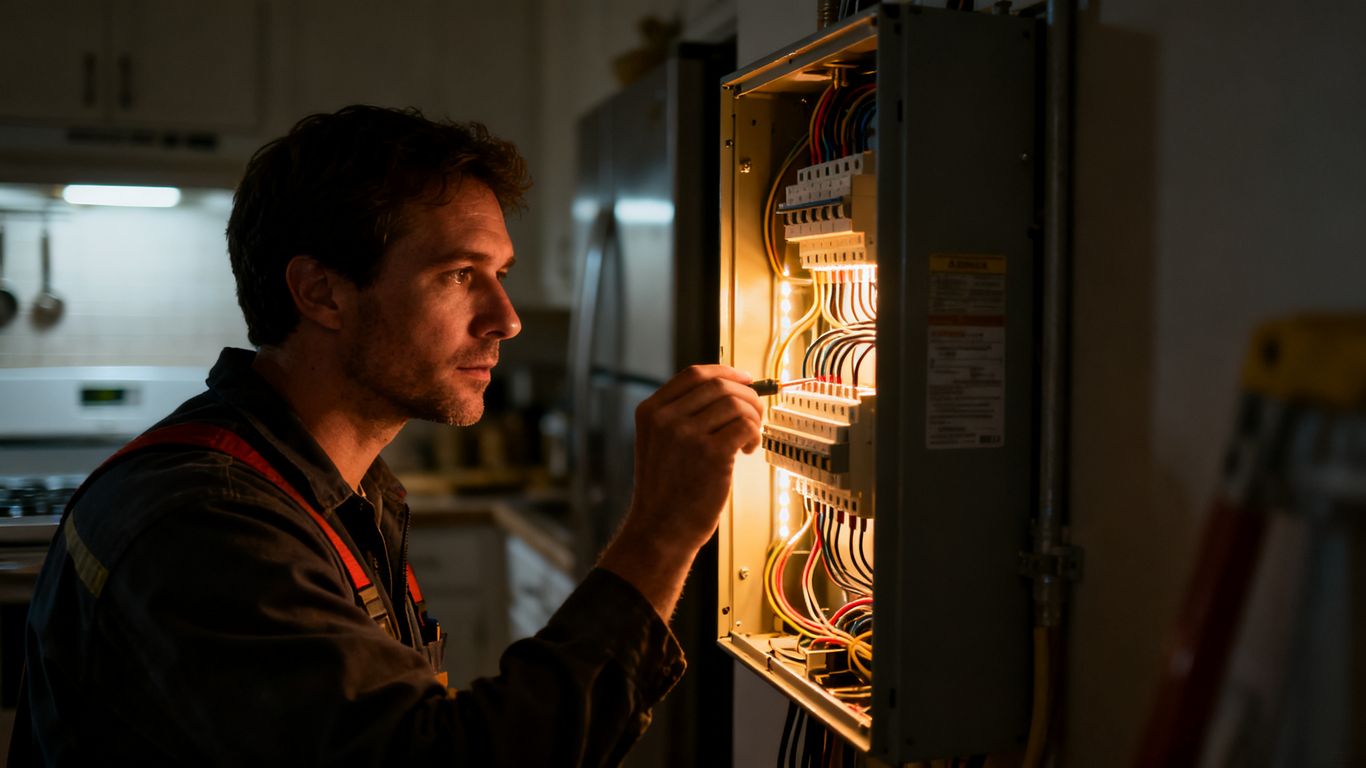
Success in emergency search requires moving beyond broad terms to target specific, high-stakes scenarios. An effective keyword strategy balances volume with intent by focusing on the phrasing a panicked homeowner uses when they need a technician immediately. As your business grows, using tools like Krofile helps maintain this precision across your service areas.
Leveraging long-tail keywords for late-night mobile searches
Mobile users often type full questions when they are stressed, leading to long-tail queries that are easier to dominate than generic broad matches. By targeting phrases like "how to safely turn off burning outlet," you reach users at the exact moment they need professional intervention. These queries represent highly motivated urgent leads that often convert into immediate dispatches.
Using location-augmented terms to capture local high-value leads
Local intent is the most important factor in emergency search results, as homeowners rely on proximity for response speed. Integrating local markers into your paid campaigns ensures you aren't paying for clicks from areas you cannot reach within your operational window. Consider these common location-based search modifiers:
- Electrician near me right now
- Emergency service in [City Name]
- 24/7 electrical repair [Neighborhood]
- Rapid response electrician [County]
Identifying pain-point keywords that signal immediate danger
Keywords such as "burning smell in wall" or "sparking panel" act as red flags that trigger immediate action from your team. These terms are the bread and butter of emergency lead generation because they bypass price comparison entirely. Focusing your Ced internal architecture on these pain points ensures your site serves as a vital resource for customers in crisis.
Optimizing Google Ads for immediate lead capture
Managing campaigns for emergencies is significantly different from standard lead generation because the goal is dispatch, not lead nurturing. Your bid management must reflect the premium you place on after-hours availability to prevent your ads from being outranked by less specialized services.
Adjusting bid strategies for off-hour, high-urgency windows
During the early morning hours, competition for high-volume keywords may drop significantly, allowing you to secure top positioning for lower total costs. Effective bidding strategies allow your ads to appear prominently when other firms are offline and ignoring incoming calls. The following table showcases how to adjust your approach based on the hour of the day to maximize your return on ad spend.
| Time of Day | Urgency Intensity | Typical Bid Strategy |
| :--- | :--- | :--- | :--- |
| 9 AM - 5 PM | Moderate | Balanced Budget |
| 6 PM - 10 PM | High | Aggressive CPC |
| 11 PM - 6 AM | Critical | Premium Hourly Bid |
These automated bid modifications ensure you only pay for the most valuable, high-intent traffic during your active dispatch cycles.
Crafting ad copy that emphasizes speed over pricing
When a user faces an electrical emergency, they pay for the arrival time rather than the base service fee. Ad copy should lead with "Available Now" or "On-Site in Two Hours" rather than mentioning discounts or coupons. This direct approach converts mobile users much faster than complex offers that seem irrelevant to a crisis.
Implementing call-only ads to bypass website friction during emergencies
Call-only campaigns prioritize a phone connection over a landing page visit, which is crucial when a user is likely navigating on a mobile device at night. By removing the need to navigate a browser, you drastically reduce friction and increase the likelihood of a dispatch. If you need assistance setting up these campaigns, consider scheduling a consultation with an expert.
Structuring high-converting emergency landing pages
Your landing page must function as a digital triage center that builds instant trust with a distressed user. In a low-light emergency scenario, users have no patience for slow load times, excessive text, or hidden contact information.
Designing for mobile users in urgent, low-light environments
Pages must favor high-contrast text and simplified layouts that are easy to view in pitch black or dim surroundings. The mobile design should prioritize clarity so that the user does not need to zoom in to find local 125+ high-volume SEO keywords or relevant contact details. Removing navigation links and clutter helps keep the visitor focused on the singular task of getting help.
Placing high-visibility CTA buttons for immediate dispatch
Place "Click-to-Call" buttons at the very top of the mobile viewport, ensuring that one tap initiates a call immediately. Avoid placing any extraneous input forms or detailed inquiry boxes that take time to complete. The goal is to make the phone call the path of least resistance for the customer.
Utilizing trust signals to build credibility for late-night calls
Displaying your licenses, professional credentials, and positive reviews prominently proves that you are a legitimate local service operator. Customers at 3 AM are wary of scammers and need rapid, visual confirmation that your business is trustworthy. These signals effectively turn a cold inquiry into a confirmed booking.
Managing negative keywords to protect your budget
Spending capital on irrelevant traffic is the quickest way to ruin an emergency campaign. By aggressively filtering your search terms, you guarantee that every click originates from a user with a genuine, immediate, and qualified crisis.
Filtering out DIY queries and generic electrical troubleshooting searches
Users looking for "how to fix a flickering light" or "replace outlet tutorial" are not looking for professional help, and their clicks are expensive wasted potential. Adding these as negative keywords stops your ads from appearing to people who are simply doing research rather than looking for immediate dispatch.
Blocking non-qualified inquiries for appliance-specific technical issues
Many customers mistake appliance failure for electrical faults, leading to wasted interaction time. Explicitly blocking keywords associated with appliance repair ensures that your team only faces electrical jobs, improving overall operational efficiency and technician focus.
Iterating on search term reports to refine ad spend efficiency
Weekly reviews of your search term reports allow you to identify new, unwanted queries that slip through your initial filters. By constantly updating your list of negative keywords, you keep your budget focused on high-conversion prospects. This cycle of refinement prevents campaign drift and maximizes the value of every dollar spent.
Scaling local SEO for 24/7 visibility
Your organic presence must signal that your business is operational precisely when everyone else is closed. Consistency across your digital assets is foundational, acting as a beacon for local homeowners searching for emergency electrician services in the middle of the night.
Optimizing Google Business Profile for real-time "open now" status
Ensure your profile displays your 24/7 or extended hours accurately so that the "open now" filter works in your favor during off-hours searches. This simple configuration ensures your business appears in the critical map pack view for users in need. An updated profile is one of the most effective ways to command organic traffic without additional spend.
Encouraging reviews that specifically highlight prompt late-night response
Ask your satisfied emergency clients to mention the speed of your arrival and your professionalism during their crisis. These reviews serve as powerful social proof that influences potential customers during their own late-night events. Highlighting these experiences in your marketing materials increases conversion trust.
Integrating local Schema markup to signal 24/7 service availability to search crawlers
Using localized schema markup helps search engines understand the full scope of your operation, including your actual hours. By coding this technical data into your site, you help search engines verify your availability, keeping you relevant in local search results throughout the night. This foundational fix is essential for long-term SEO health.
Conclusion
Capturing emergency electrical leads requires a blend of high-intent keyword strategy, precise ad management, and a customer-first approach that prioritizes immediate response over anything else. By aligning your digital presence with the urgent needs of the local market, you transform stress-inducing events into consistent growth opportunities for your home service business.
Frequently Asked Questions
What qualifies as a legitimate electrical emergency?
An emergency involves imminent safety threats like burning smells, sparking wires, smoke in walls, or complete power loss. If your outlets simply stopped working but you have no risk of fire, you may be able to wait for standard business hours.
Why are emergency call costs higher than standard repairs?
Emergency rates compensate for the costs of maintaining a 24-hour on-call staff and the logistics of handling unpredictable overnight schedules. You are paying for the guarantee that an expert will arrive regardless of the hour.
How fast should a customer expect a response at night?
Expectations vary, but a competitive emergency service should be able to offer a professional response within two to four hours. Providing an estimated time of arrival is essential for managing customer anxiety during a crisis.
Can I use the same keywords for daytime and nighttime ads?
While there is overlap, you should maintain specific campaigns for off-hours to adjust your bid strategies and copy. Daytime ads attract planners, while nighttime ads need to address the immediate crisis and the willingness to pay for rapid service.
Should I use call-only ads if I have a landing page?
Call-only ads are ideal for emergency scenarios because they remove the need for a user to navigate a website on a small, dark screen. The direct transition from a search to a voice connection significantly increases your likelihood of securing the job.
Is it worth targeting DIY terms if I want to guide customers?
Targeting DIY keywords usually wastes your advertising budget on users who intend to do the work themselves or cannot afford professional services. Stick to high-intent keywords that signal a need for an on-site expert to save money for qualified leads.
How does speed affect my overall brand reputation?
Prompt late-night service is often a customer's first experience with your brand, and a successful dispatch during a crisis creates high levels of loyalty. Delivering reliability when others are unavailable is the fastest way to become the go-to electrical provider in your region.