Energy Savings Keywords: Untapped Traffic for Cellular Shade Companies
You know, everyone's always looking for ways to save a buck, right? Especially when it comes to their homes. Energy bills can really add up. So, if you sell cellular shades, you're sitting on a goldmine of search traffic that you might not even be thinking about. People aren't just searching for 'blinds' or 'shades' anymore. They're looking for solutions to lower their energy costs, and cellular shades are a big part of that. This article is all about how to tap into those searches using the right keywords, specifically around 'cellular shade energy savings keywords'.
Key Takeaways
- People are actively searching for ways to save energy at home, and your cellular shades can be the solution they need. Focus on terms that highlight this benefit.
- When people search for 'cellular shade energy savings keywords', they want to know how your product directly impacts their bills and comfort.
- Use these energy-saving keywords in your blog posts, product descriptions, and website copy. Make it clear how your shades help reduce heating and cooling costs.
- Target ads on platforms like Google and Meta to homeowners who are already showing interest in energy efficiency or home improvement. This gets your message in front of the right people.
- Show customers proof of savings. Share data, explain how the shades work to insulate, and help them calculate their potential cost reductions. This builds trust and drives sales.
Understanding The Search Intent Behind Energy Savings
When people start typing "cellular shade energy savings" into Google, they aren't just browsing. They're usually looking for solutions to a problem, and that problem is often high energy bills. They want to know if cellular shades can actually help them save money on heating and cooling costs. This is where your company can really connect with potential customers.
Decoding 'Cellular Shade Energy Savings Keywords'
Think about what someone is really asking when they search for terms like "best cellular shades for insulation," "how much do cellular shades save on energy," or "cellular shades R-value." They're trying to figure out if this product is a good investment for their home. They might be comparing cellular shades to other window treatments, like blinds or curtains, and want to know the differences, especially when it comes to keeping their house warm in the winter and cool in the summer. It’s about finding a practical way to make their home more comfortable and less expensive to run.
Identifying User Needs for Energy Efficiency
People searching for energy savings are often motivated by a few key things:
- Cost Reduction: The most obvious driver is wanting to lower their monthly utility bills. Nobody likes paying more than they have to for electricity or gas.
- Home Comfort: Beyond just saving money, they want their home to feel better. This means fewer drafts in the winter and less heat radiating in during the summer. They want a consistent temperature.
- Environmental Concerns: Some folks are also thinking about their carbon footprint. Making their home more energy-efficient is a way to be more eco-friendly.
- Property Value: For some, improving energy efficiency is also about increasing the overall value and appeal of their home.
The Value Proposition of Cellular Shades for Savings
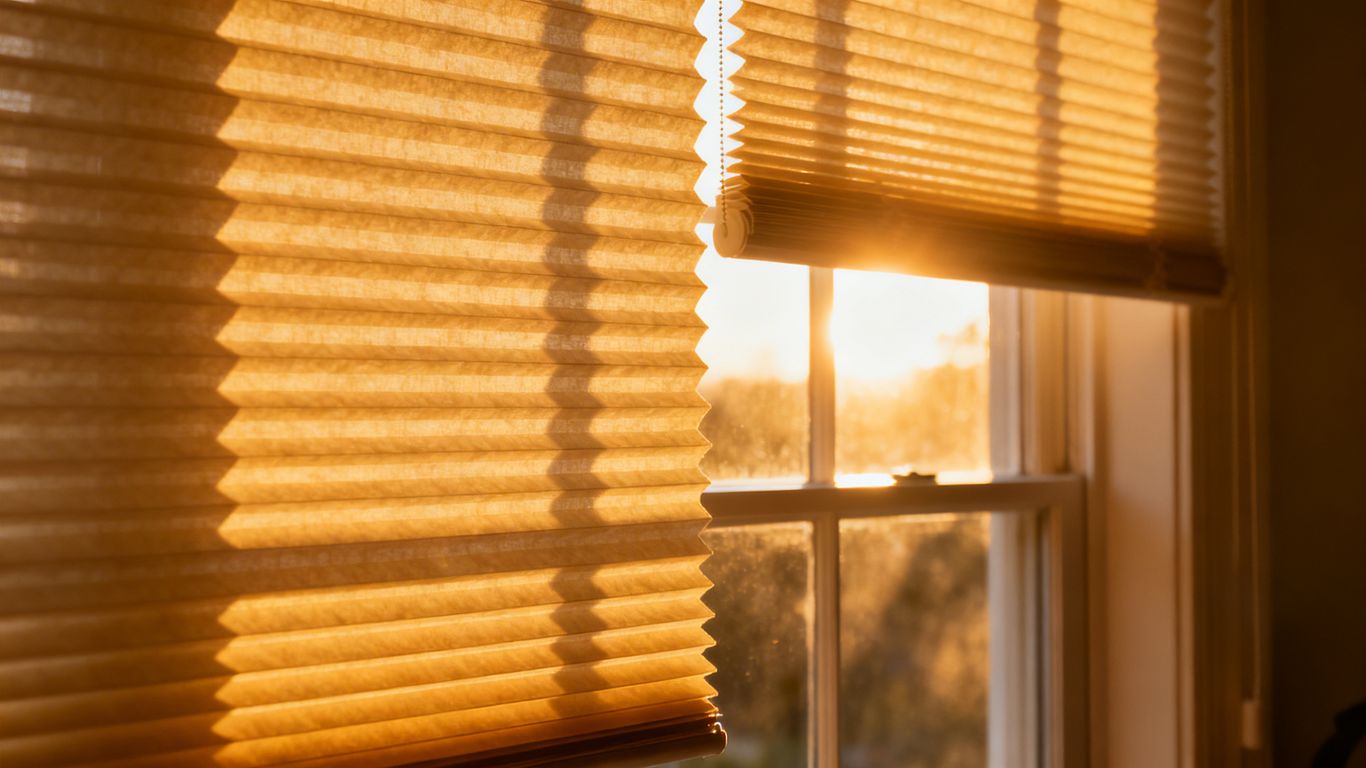
So, why cellular shades? It all comes down to their unique construction. The "honeycomb" structure traps air, creating a layer of insulation. This is the core benefit that translates into energy savings. It’s like giving your windows a cozy blanket.
The honeycomb shape of cellular shades is key. It creates pockets of air that act as a barrier, slowing down heat transfer. This means less heat escapes in the winter and less heat enters in the summer, directly impacting your energy bills and home comfort.
When you're talking to customers, focus on this practical benefit. Explain how the shades work to save them money and make their home more comfortable. It’s not just about a pretty window covering; it’s a functional upgrade for their home.
Leveraging Energy Savings Keywords in Content Strategy
So, you've figured out that people are searching for ways to save money on their energy bills, and cellular shades are part of the answer. Now what? You can't just expect folks to stumble upon this connection. You've got to actively weave these energy-saving ideas into everything you put out there. It’s about making it super clear how your shades help keep homes comfortable and bills low.
Integrating Keywords into Blog Posts and Articles
Your blog is a goldmine for this. Instead of just writing about the colors and styles of cellular shades (though that's important too!), start talking about how they work to keep heat out in the summer and in during the winter. Think about titles like "5 Ways Cellular Shades Cut Your AC Bill" or "Winterize Your Home: The Role of Window Coverings." When you write these posts, naturally drop in terms like "energy efficient window treatments," "reduce heating costs," and "insulate your home." It's not about stuffing keywords; it's about answering the questions people are already asking. You want to show them that you understand their problem and have a practical solution.
- Explain the honeycomb structure and how it traps air.
- Compare the insulation value of cellular shades to other window coverings.
- Discuss how proper shade installation impacts energy performance.
People are looking for practical, money-saving tips for their homes. If your content directly addresses these needs, they're more likely to pay attention and see your products as a solution, not just another thing to buy.
Optimizing Product Descriptions for Energy Benefits
When someone is looking at a specific product page, they're getting pretty close to making a decision. This is where you need to be crystal clear about the energy-saving features. Don't just list the fabric type and color options. Add a section that highlights the R-value or explains how the shade contributes to a lower energy bill. For example, you could say something like, "Our top-down/bottom-up cellular shades not only offer flexible light control but also provide excellent insulation, helping to keep your home cooler in summer and warmer in winter. This means less strain on your HVAC system and potential savings on your monthly utility costs." Make the energy savings a primary selling point, not an afterthought. You might even consider a small table showing the estimated energy savings for different shade types or room sizes. This kind of detail helps build confidence and justifies the purchase.
| Shade Type | Estimated Annual Savings | Primary Benefit |
|---|---|---|
| Standard Cellular | $150 - $300 | All-around insulation |
| Double Cell | $250 - $450 | Enhanced thermal barrier |
| Light Filtering | $100 - $200 | Reduced solar heat gain |
Crafting Website Copy Around Savings
Your homepage and other main website pages are your digital storefront. They need to grab attention immediately. Instead of just saying "Beautiful Window Treatments," try something like "Save Energy, Save Money: Discover Our Energy-Efficient Cellular Shades." Use clear, benefit-driven language throughout. Think about the journey a potential customer takes. They might start with a general search for "how to lower energy bills" and eventually land on your site. Your copy needs to confirm they've found the right place. Mentioning things like "reduce heat transfer" and "improve home comfort" in your main website copy can really help capture that energy savings audience.
- Use clear headings that mention energy savings.
- Incorporate customer testimonials that specifically mention reduced bills.
- Create a dedicated page or section detailing the energy efficiency of your products.
Targeting High-Intent Audiences with Energy Savings
So, you've got these great cellular shades that actually help people save money on their energy bills. Awesome. But how do you get them in front of the folks who are actively looking for that kind of solution? It’s not enough to just have the product; you need to connect with the right people at the right time. This is where smart targeting comes into play, especially when people are already thinking about saving money and making their homes more efficient.
Paid Search Campaigns for Energy-Conscious Consumers
When someone types "how to lower heating bill" or "best window coverings for insulation" into Google, they're usually ready to buy something. They've got a problem, and they're looking for a fix. Paid search ads let you jump right into those conversations. You can bid on keywords related to energy savings, like "insulating window treatments" or "reduce energy costs." This means your ad shows up when someone is actively searching for what you offer. It’s like setting up a shop right at the entrance of a busy mall, rather than hoping people stumble upon your store on a quiet side street. The key is to match your ad copy and landing page directly to the search term. If they search for "save money on AC," your ad should talk about how cellular shades help with cooling costs, not just general insulation.
Social Media Targeting for Homeowners Seeking Efficiency
Social media platforms have gotten really good at letting you target specific groups of people. You can look for homeowners, people interested in home improvement, or even those who have shown interest in environmental topics. Think about running ads that highlight the savings aspect. Maybe a short video showing how much heat is lost through old windows versus how well cellular shades keep it in. You can also target people who live in areas with high energy costs. It’s about finding those who are already thinking about their home’s efficiency and showing them a clear solution. For instance, you could target users who have recently searched for energy audits or shown interest in smart home technology.
SEO Strategies for Capturing Savings-Focused Searches
Beyond paid ads, making sure your website shows up when people search organically is super important. This means using those energy-saving keywords throughout your site. Write blog posts about "Ways to Make Your Home More Energy Efficient" and naturally include terms like "cellular shades for insulation" or "window treatments that save energy." Product descriptions should clearly state the energy benefits. Don't just say "light filtering"; say "light filtering and energy-saving cellular shades that can reduce heat transfer." Think about creating content that answers common questions people have about home energy efficiency. This builds trust and positions you as a go-to resource. Remember, people searching for energy savings are often looking for practical, cost-effective solutions, and your website should reflect that. Making sure your site is optimized for these terms can lead to a steady stream of interested visitors looking for ways to cut down on their utility bills, potentially saving them around 10% on heating costs. Learn about cellular shades and their benefits.
People looking to save money on energy are often motivated by tangible results. Showing them clear data and explaining how your product directly addresses their concerns is more effective than general marketing speak. Focus on the 'what's in it for them': lower bills and a more comfortable home.
Quantifying Energy Savings with Cellular Shades
So, how much energy can these honeycomb-shaped shades actually save you? It's not just a vague promise; there's real science and data behind it. People searching for energy savings want numbers, not just pretty pictures. They want to know if this is a worthwhile investment for their home.
Showcasing Real-World Energy Reduction Data
It's one thing to say cellular shades save energy, but it's another to show it. We've seen studies, like those from the U.S. Department of Energy, that point to some pretty impressive figures. When installed properly, cellular shades can cut down on heat loss through windows by more than 40% and reduce unwanted solar heat gain by up to 60%. That's a big deal, especially when you think about your heating and cooling bills.
Here's a quick look at what that can mean:
- Winter: Less heat escapes your home, meaning your furnace doesn't have to work as hard.
- Summer: Less heat enters your home, so your air conditioner gets a break.
- Overall: Reduced strain on your HVAC system leads to lower energy consumption year-round.
Explaining the Science of Thermal Insulation
What makes these shades so good at keeping your home comfortable? It's all about the air pockets. The "cells" in cellular shades trap air, creating a layer of insulation. Think of it like a thermos for your windows. This trapped air acts as a barrier, slowing down the transfer of heat. In the winter, it keeps the warm air inside from escaping. In the summer, it stops the hot air from outside from getting in. It’s a simple concept, but very effective. This is why they are a great choice for improving your home's insulation.
Calculating Potential Cost Savings for Customers
People want to know what this means for their wallet. While exact savings vary based on your climate, home size, and current energy use, we can give you an idea. For example, a homeowner in a colder region might see a noticeable drop in their heating bills during winter months. Conversely, someone in a hot climate could see their air conditioning costs decrease significantly in the summer. We can help you estimate these potential savings based on your specific situation. It’s about making your home more comfortable and saving money at the same time.
Understanding the tangible benefits, like reduced energy bills and a more stable indoor temperature, is key for homeowners looking to make smart choices about their home's efficiency. It's not just about aesthetics; it's about practical, long-term value.
Beyond Keywords: A Holistic Approach to Energy Savings Marketing
So, we've talked a lot about keywords and how important they are for getting found online. But honestly, just stuffing your website with terms like "cellular shade energy savings" isn't going to cut it on its own. You need a bigger plan, something that looks at the whole picture of how people decide to buy. It’s about more than just search terms; it’s about building trust and showing real value.
The Role of Landing Pages in Conversion
Think about this: someone clicks on your ad or a search result because they're interested in saving energy. Where do they land? If it's just your homepage, they might get lost. A dedicated landing page, however, is built for one thing: getting that visitor to take the next step. It should be super clear about the energy-saving benefits of your cellular shades and have a simple way for them to learn more or even buy.
- Clear Headline: Immediately state the main benefit (e.g., "Cut Your Energy Bills with Smart Cellular Shades").
- Benefit-Focused Copy: Explain how the shades save energy and money.
- Strong Call to Action: Tell them exactly what to do next (e.g., "Get a Free Quote," "Download Our Energy Savings Guide").
- Minimal Distractions: Remove extra links or navigation that could pull them away from the goal.
Building Trust Through Testimonials and Case Studies
People want to know that what you're saying is true. They want proof. That's where testimonials and case studies come in. Hearing from real customers who have actually saved money and made their homes more comfortable is incredibly powerful. It’s way more convincing than just you saying how great your shades are.
Real stories from satisfied customers can make a huge difference in convincing potential buyers. It shows them that your product works and that others have had a positive experience.
Educating Consumers on Long-Term Value
Sometimes, the initial cost of good quality cellular shades might seem a bit high. Your marketing needs to help people see past that. It’s about showing them the long-term benefits. These shades aren't just a one-time purchase; they're an investment in their home's comfort and their energy bills for years to come. You can explain:
- Durability: How well-made shades last longer, meaning fewer replacements.
- Consistent Savings: The ongoing reduction in heating and cooling costs month after month, year after year.
- Increased Home Value: How energy-efficient upgrades can make a home more attractive to future buyers.
By focusing on these areas, you move beyond just keywords and create a marketing approach that truly connects with what customers care about: saving money, improving their home, and making smart choices.
Forget just using keywords to sell energy savings! It's time for a bigger picture. Think about how your whole message connects with people. We help you build a complete plan that really makes a difference. Want to learn more about this smarter way to market? Visit our website today and discover how to make your energy savings shine!
Don't Leave Energy Savings on the Table
So, we've talked about how people are searching for ways to save energy at home, and cellular shades pop up a lot. If your company isn't using keywords related to energy savings in your Google Ads or on your website, you're probably missing out on a bunch of potential customers. Think about it: someone's looking to cut down their heating bill, and they type in 'how to insulate windows' or 'best window coverings for energy efficiency.' If your ads show up then, and your website talks about how your shades help with that, you've got a real shot at getting their business. It’s not rocket science, but it does take paying attention to what people are actually searching for. Start looking at those search terms, tweak your campaigns, and see if you can grab some of that untapped traffic. It could make a real difference for your bottom line.
Frequently Asked Questions
How do cellular shades help save energy in a home?
Cellular shades trap air in their honeycomb-shaped cells. This extra layer helps keep hot air out in the summer and warm air in during the winter, making your home more comfortable and saving energy.
What keywords should I use to target energy savings for cellular shades?
Try using phrases like 'energy-saving window treatments,' 'cellular shades for insulation,' 'reduce energy bills with shades,' and 'best blinds for energy efficiency.' These keywords match what people search for when they want to save money on energy.
Can I show real savings from using cellular shades in ads or on my website?
Yes! Share before-and-after energy bills, customer stories, or simple charts showing how much people can save. Real numbers and stories help build trust and make your ads stand out.
What’s the best way to reach homeowners looking to save energy?
Use Google Search Ads with energy-saving keywords, target local homeowners on Facebook and Instagram, and make sure your website talks about energy benefits. Paid ads and strong website copy work well together to reach these buyers.
How do I explain the science behind cellular shades in a simple way?
Say that the shades have pockets of air that work like a blanket on your windows. This helps stop heat from getting in or out, so your heating and cooling systems don’t have to work as hard.
Why should I focus on energy savings in my marketing for window treatments?
Many homeowners want to lower their bills and help the environment. By talking about energy savings, you attract buyers who care about these things and are more likely to buy from you.