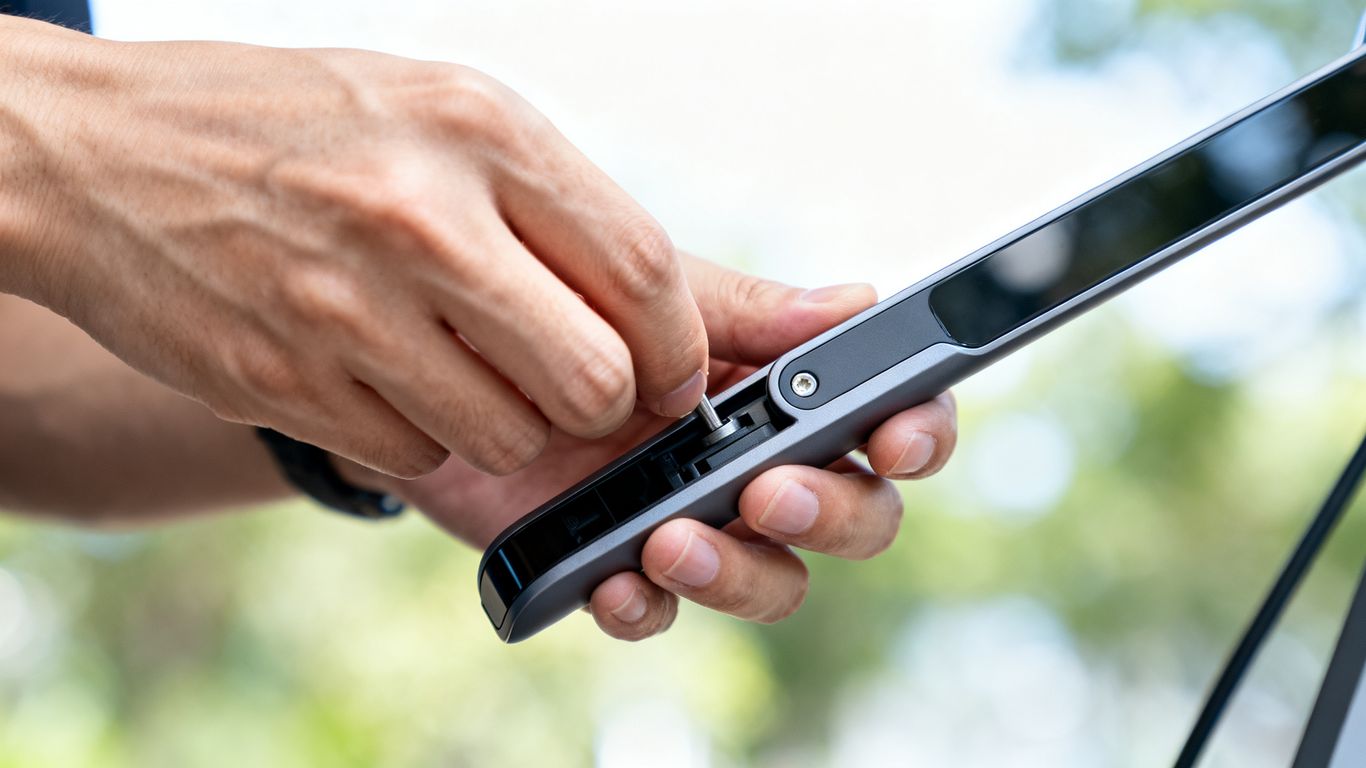
So, you're thinking about making an ad for your window treatment installation business? Good idea. And you're probably wondering what kind of video to make. Well, let me tell you, short and sweet is usually the way to go. Especially when it comes to showing people how you get those blinds or shutters up on their windows. A quick, clear video can really make a difference in how many people actually click and become customers. We're talking about the whole window treatment process installation video here – making it look easy and professional.
Key Takeaways
- Short videos, like 60-second ones, tend to get more attention and perform better as ads for home services.
- Showing the actual window treatment process installation video helps customers visualize the job and trust your service.
- Keep your videos focused on showing how professional and easy your team makes the installation look.
- Think about where you'll show your video (like Facebook or Google) and who you're trying to reach with it.
- Make sure your video looks and sounds good, and always tell people what you want them to do next, like calling you or visiting your website.
Mastering The Window Treatment Process Installation Video
Why Short-Form Video Dominates Ad Performance
Think about the last time you scrolled through your social media feed. What caught your eye? Chances are, it was a short, punchy video. In today's fast-paced digital world, attention spans are shorter than ever. People are bombarded with information, and advertisers need to grab their audience quickly. This is where short-form video, especially the 60-second kind, really shines. It's not just a trend; it's a fundamental shift in how people consume content. These brief, engaging clips are perfectly suited for mobile viewing and fit naturally into the flow of platforms like TikTok, Instagram Reels, and YouTube Shorts. They get straight to the point, showing rather than telling, which is incredibly effective for demonstrating a service like window treatment installation.
The Power of Visual Storytelling in Home Services
Home services, like installing window treatments, are inherently visual. You can talk about how great your service is all day long, but showing it in action is a whole different ballgame. A video lets potential customers see the transformation, the professionalism of your team, and the quality of the finished product. It builds trust and confidence in a way that static images or text simply can't match. Imagine seeing a messy, outdated window become sleek and modern in just a few seconds – that's powerful. It helps people visualize the improvement in their own homes. For a practical guide on how to approach installations, you might find resources on how to install a window helpful.
Setting Expectations for Your Window Treatment Installation Video
When you decide to create an installation video, it's important to know what you want to achieve. Are you trying to show how quick and easy the process is? Or are you focusing on the skill and care your team brings to each job? Maybe you want to highlight the before-and-after results. Whatever your goal, be clear about it from the start. This will guide your filming and editing. Think about what a potential customer would want to see. They want to know it's done right, without hassle, and that the end result will look fantastic. It's about managing their expectations and showing them exactly what they're getting.
A well-made installation video acts as a virtual showroom and a trusted advisor, all rolled into one. It answers questions before they're even asked and builds a connection with viewers that leads to action.
Crafting Compelling Window Treatment Installation Videos
Key Elements of a High-Converting Installation Video
- Capture viewers' attention in the first 3 seconds.
- Focus on one, simple process—don’t overload with details.
- Show the before/after transformation for instant impact.
- Include step-by-step visuals and avoid technical overwhelm.
- End every video with a direct, friendly call to action.
| Element | Impact on Ad Performance |
|---|---|
| Quick intro | Higher watch time |
| Visual examples | Improved understanding |
| Clear CTA | More leads or sales |
Your video should make it impossible for people to miss the benefit of what you’re offering. Show, don’t tell.
Showcasing Professionalism and Expertise
- Use tidy workspaces and clean uniforms to build trust.
- Speak clearly and avoid jargon your audience might not know.
- Show tools and products up close, not just the finished job.
- If possible, mention your years in business or any special certifications, but keep it casual.
- Check out expert advice on installation for a great example of how to break down each step.
Highlighting the Ease of Your Window Treatment Process
- Choose one window and take viewers from old to new in under a minute. Let them see how effortless it is.
- Narrate the steps as you go: "We measure. We trim. We install,"—simple as that.
- Work in real-time or use light-speed edits, but always keep the flow logical.
- Turn potential difficulties into "wow, that's easy" moments.
- Show one or two common problems (like crooked blinds) and resolve them smoothly using your method.
- You might reference installing and trimming blinds for shortcut ideas and timings for your own content.
Most people just want to know it won’t be a headache. If they can picture themselves doing it, or at least handling the call, you’ve already won.
Optimizing Your Installation Video for Maximum Reach
So, you've got this great video showing off how easy your window treatments are to install. Awesome! But just having it isn't enough. We need to make sure the right people see it, and see it at the right time. Think of it like putting up a billboard – you wouldn't put it in the middle of nowhere, right? We want it where the eyeballs are.
Platform-Specific Strategies for Video Ads
Different places online work differently. What flies on TikTok might fall flat on Facebook. For Instagram, you'll want to edit your videos to be quick and punchy, maybe using tools like Splice or CapCut to get them ready for the platform. They're built for fast social sharing. YouTube, on the other hand, is more like a search engine for video. People go there looking for answers, so making sure your video is discoverable there is key. Think about keywords people might type in when they're looking for window treatment help. Getting your video in front of people who are actively searching for solutions is a game-changer.
Targeting the Right Audience for Window Treatments
Who are you trying to reach? Probably homeowners, right? Or maybe renters who are allowed to make some upgrades. You can get pretty specific with ad platforms. Think about age, location, interests (like home decor or DIY projects), and even behaviors (like people who recently moved). Don't just blast your video everywhere; aim it at the folks most likely to need new blinds or curtains. It's way more efficient.
Leveraging User-Generated Content for Authenticity
People trust other people more than they trust ads. If you can get happy customers to share videos of themselves installing your products (or just showing them off after installation), that's gold. It feels real. You could even run a contest or offer a small discount for customers who share their installation experience. This kind of content builds trust and shows real-world use.
Sometimes, the best way to show how good something is, is to let others talk about it. Authentic feedback and visuals from actual users can be more persuasive than anything you create yourself.
The Technical Side of Window Treatment Installation Videos
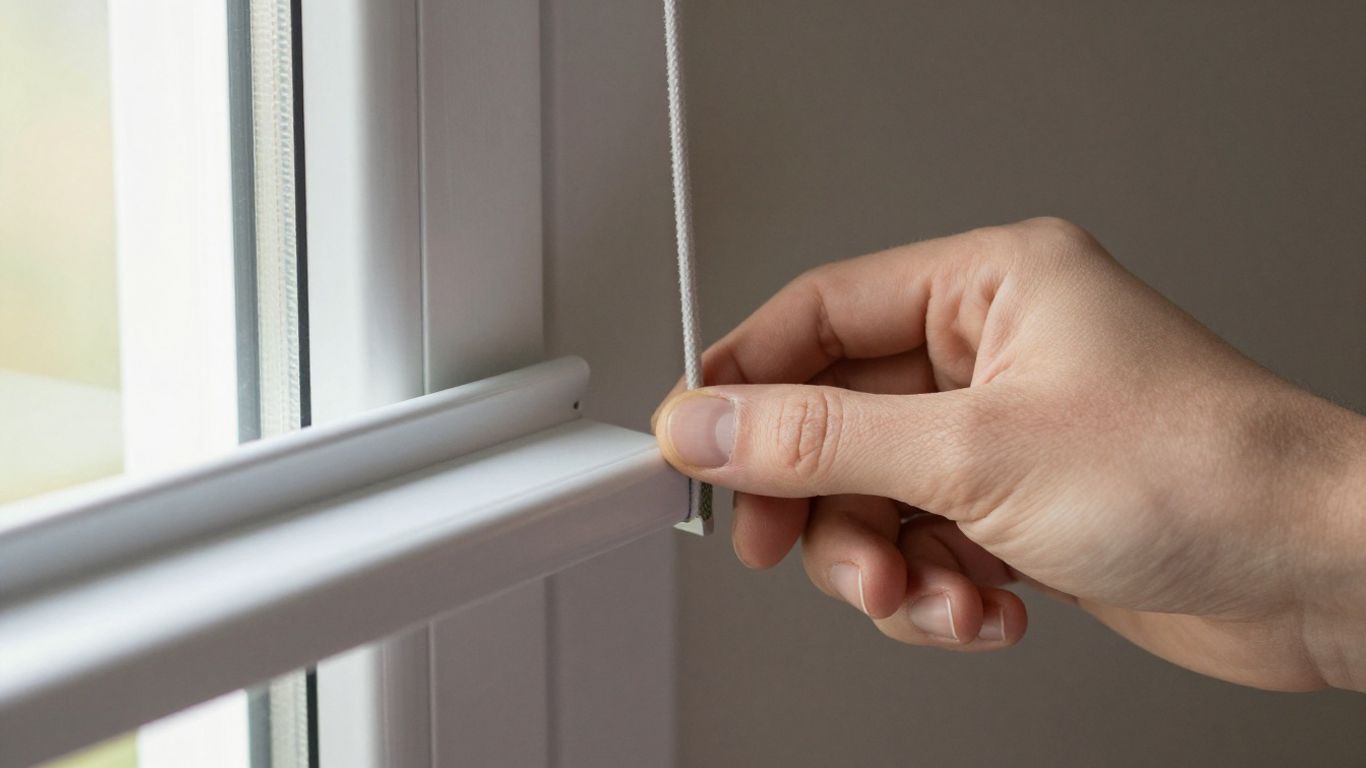
Okay, so you've got the idea for your 60-second installation video. That's great! But before you hit record, let's talk about making sure it actually looks and sounds good. Nobody wants to watch a blurry video with muffled audio, right? It just looks unprofessional.
Ensuring Clear Audio and Visual Quality
This is where a lot of DIY videos fall flat. You don't need a Hollywood studio, but a few simple things make a huge difference. First, lighting. Natural light is your friend. Try to film during the day near a window. If that's not possible, a simple ring light or even a couple of desk lamps can brighten things up considerably. Avoid filming with a window directly behind your subject, as it will make them look like a silhouette.
For audio, your phone's built-in mic might be okay in a quiet room, but it's often not enough. Background noise, like a humming fridge or traffic outside, can really distract viewers. Consider using an inexpensive lavalier microphone that clips onto your shirt. They plug right into most smartphones and make your voice sound much clearer. Good audio is often more important than perfect video quality for keeping viewers engaged.
Optimizing Video Length for Engagement
We're aiming for 60 seconds, but that doesn't mean you should just cram everything in. Think about pacing. A good video flows. It introduces the problem (e.g., needing new blinds), shows the solution (your installation process), and presents the outcome (beautifully installed window treatments). Break down the installation into key steps. You don't need to show every single screw being tightened. Focus on the most important parts that demonstrate your skill and the ease of the process. For example, showing how you measure accurately or how the final product fits perfectly can be more impactful than watching you drill holes.
Here’s a rough breakdown for a 60-second video:
- Intro (5-10 seconds): Hook the viewer, show the 'before' state.
- Key Installation Steps (30-40 seconds): Highlight 2-3 critical moments of the installation.
- The 'After' & Benefits (10-15 seconds): Showcase the finished product and its advantages.
- Call to Action (5 seconds): Tell people what to do next.
Call to Actions That Drive Conversions
So, you've made a great video. Now what? You need to tell people what you want them to do. A clear call to action (CTA) is super important. Don't just end the video and hope for the best. What's the next step for someone who just watched your installation? Maybe they need to get a quote, visit your website to see more options, or call you directly. Make it obvious and easy for them.
Here are some effective CTAs:
- "Visit our website to browse styles and get a free quote!"
- "Call us today for a consultation and expert installation."
- "Tap the link below to see our full range of window treatments."
Remember, the goal is to make it as simple as possible for interested customers to take the next step. If they have to hunt for your contact information or figure out what to do, they might just click away. Keep it direct and action-oriented.
Think about how you want people to interact after watching. For instance, if you want them to explore different types of blinds, directing them to a specific page on your site is a good move. If they're ready to buy, a phone number or a direct booking link works best. Making the next step clear helps turn viewers into actual customers, which is the whole point of making the video in the first place. You can find some helpful tips on proper assembly if you're looking to understand the installation process better yourself.
Measuring Success of Your Installation Video Campaigns
So you've put in the work, filmed that snappy 60-second installation video, and put it out there. That's great! But how do you know if it's actually doing its job? Just because a video is short doesn't mean it's automatically a winner. We need to look at the numbers.
Key Performance Indicators for Video Ads
When we talk about measuring success, we're really talking about looking at specific metrics. These are the bread and butter of understanding what's working and what's not. Think of them as your report card for the video.
- View Count: How many times has your video been watched? This is the most basic measure, but it's a starting point.
- Watch Time/Audience Retention: This is way more important than just views. How long are people actually watching? Are they sticking around for the whole 60 seconds, or dropping off after 5? Understanding where viewers drop off can tell you a lot about what parts of your video aren't holding their attention.
- Click-Through Rate (CTR): If your video has a call to action (and it should!), how many people are clicking on it? This shows if your video is convincing enough to make someone take the next step.
- Conversion Rate: This is the ultimate goal. How many people who watched your video actually ended up booking an installation or making a purchase? This is where you see the real return on your video investment. You can track this using tools like Google Analytics, setting up specific conversion goals for your video campaigns on platforms like YouTube and Facebook.
Analyzing Viewer Behavior and Engagement
Looking at the raw numbers is one thing, but digging into how people are interacting with your video gives you a deeper picture. It's like watching someone try to assemble furniture – you see where they get stuck.
- Engagement Metrics: Likes, shares, and comments are good signs that people are connecting with your content. High engagement often means your video is relatable or particularly interesting.
- Audience Demographics: Who is actually watching your video? Are they the kind of people you want to reach? Matching viewer data with your target customer profile is key.
- Playback Location: Where are people watching your video? Is it on a mobile device while they're out and about, or on a desktop at home? This can influence how you design future videos.
Sometimes, a video might get a lot of views but very few clicks. This could mean the video itself is interesting, but the offer or the call to action isn't strong enough, or maybe it's not clear what you want the viewer to do next. It's a puzzle to solve.
Iterating Based on Performance Data
Don't just set it and forget it. The real magic happens when you use the data you've collected to make your next video even better. Think of it as a continuous improvement cycle.
- Review Your Metrics: Regularly check your KPIs. What's performing well? What's falling flat?
- Identify Patterns: Look for trends in viewer behavior. Are people consistently dropping off at the same point?
- Make Adjustments: Based on your findings, tweak your next video. Maybe you need a stronger hook, clearer instructions, or a more direct call to action. For instance, if viewers aren't watching the whole 60 seconds, you might need to make the beginning even more attention-grabbing, as the first few seconds are critical.
- Test and Repeat: Try out your new approach and see if the metrics improve. Keep refining your process.
Beyond the Installation: Expanding Your Video Strategy
So, you've nailed the 60-second installation video. That's fantastic! But don't stop there. Think of that video as just the first step in a much bigger picture. Your window treatments are more than just a service; they're a style statement, a functional upgrade, and a solution for homeowners. Your video strategy should reflect all of that.
Showcasing Product Variety and Customization
Your installation video likely shows one type of window treatment. That's fine for a quick demo, but people want to see options! Show off the different styles you offer – from sleek modern blinds to elegant draperies. Highlight how much customization is possible. Can customers pick their own fabrics? What about hardware finishes? Showing this variety can really grab attention. A video that demonstrates the breadth of your product line can significantly broaden your appeal. Think about creating short clips for each major product category, or even a quick montage showing the range.
Customer Testimonials and Before-and-Afters
People trust other people. Seeing a happy customer talk about their experience is way more convincing than just hearing it from you. Collect video testimonials from satisfied clients. Ask them what they liked best about the process and the final result. And don't forget the power of before-and-after shots. A quick video showing a drab, outdated window transforming into something beautiful is incredibly impactful. It visually proves the value you bring.
Creating a Full Funnel Video Marketing Approach
Your installation video is great for people who are already pretty sure they want new window treatments. But what about those who are just starting to think about it? You need videos for every stage of their journey. For the top of the funnel, maybe create videos about the benefits of different window treatments or common problems they solve (like light control or energy savings). For the middle, you can use those product variety and testimonial videos. And for the bottom, your installation video and perhaps a video explaining your warranty or service process work well. It's about guiding them from awareness to decision. Preparing for video marketing in 2026 means looking at strategies that go beyond just one type of video, understanding how different formats work on various platforms like Reels and long-form video.
Building a complete video strategy means thinking about the customer's entire journey. It's not just about showing them how you install; it's about showing them why they need your product, how great it looks, and how happy others are with it. This multi-faceted approach builds trust and keeps you top-of-mind.
Here's a quick look at how different video types can fit into your marketing funnel:
- Awareness Stage:
- "5 Signs You Need New Window Treatments"
- "Energy Saving Tips for Your Home"
- "Choosing the Right Blinds vs. Shades"
- Consideration Stage:
- Product Showcases (e.g., "Our Top 3 Roller Shade Styles")
- Customer Testimonials
- "How to Measure for Custom Curtains"
- Decision Stage:
- Installation Process Video
- "Meet Our Expert Installers"
- Warranty Information Video
By mapping out your video content like this, you can ensure you're reaching potential customers at every point, guiding them smoothly towards choosing your business. This kind of structured approach is what helps drive real results, much like how performance-based paid search management architects data-driven strategies for growth.
So, you've got your video setup ready to go. What's next? Think about how you can use videos in more ways than just the basics. Maybe you can create tutorials, share customer stories, or even host live Q&A sessions. The possibilities are huge! Ready to explore how video can really boost your business? Visit our website to learn more and get started today.
So, Give It a Shot
Look, we get it. Making a video, even a short one, can feel like a big hassle. You've got a business to run, right? But honestly, seeing how well these 60-second clips perform on platforms like Meta and TikTok, it’s hard to ignore. They’re not just getting more views; they’re bringing in actual leads for roofers, plumbers, and remodelers. So, if you’ve been on the fence about video, this is your nudge. Start simple, focus on showing what you do and why you’re the best choice. You might be surprised at how much easier it makes your ad campaigns.
Frequently Asked Questions
Why should I make a short video about installing window treatments?
Short videos, like those under 60 seconds, are super popular right now. People watch them a lot on social media and ads. They grab attention fast and get your message across quickly, which means more people will see your ad and maybe become customers.
How can a video show off my window treatment business?
A video is a great way to *show*, not just tell. You can film your team installing blinds or shades. This proves you're skilled and professional. Seeing the process makes customers feel more confident about hiring you.
What makes a good installation video for ads?
A great video needs to be clear and show the whole job. Start with the problem (like old blinds), show the easy installation, and end with the beautiful finished look. Make sure it's easy to understand and looks professional.
How long should my window treatment installation video be?
For ads, shorter is usually better. Aim for 60 seconds or less. This keeps viewers watching. If you have more to show, maybe make a longer version for your website, but keep the ad version quick and to the point.
Where should I post my installation videos?
You can use these videos on platforms like Facebook, Instagram, and even Google. Think about where your potential customers hang out online. Tailor the video slightly for each place if needed, but the core message stays the same.
How do I know if my installation video ad is working?
You'll want to look at things like how many people watched the video, if they clicked on your ad, and if those clicks turned into actual customers. Most ad platforms show you these numbers, so you can see what's bringing in business.