Key Takeaways
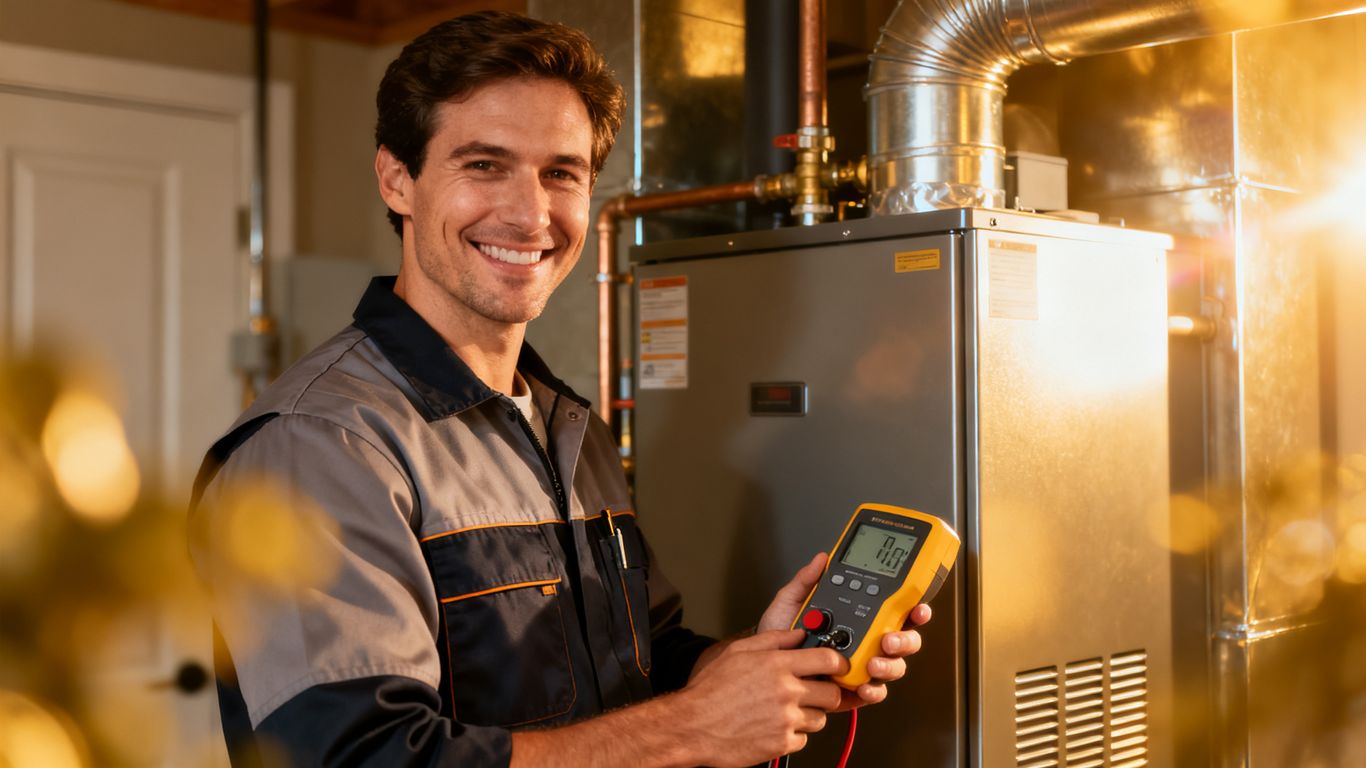
Video marketing creates trust by showing real faces and authentic field expertise rather than polished, artificial advertising. Implementing a consistent strategy ensures your content reaches the right audience at the right time in the sales cycle.
- Raw, unscripted footage of technicians performing repairs builds more credibility with local homeowners than staged corporate promos.
- Planning your content around specific customer pain points ensures that every video serves a clear purpose rather than just filling social feeds.
- Simple, consistent onboarding for your field team allows you to capture high-quality, authentic content while technicians are already on the job.
- Mobile-first video production techniques are essential for capturing attention on platforms like Meta and TikTok where users scroll rapidly.
- Tracking video performance through lead quality allows you to refine your advertising approach and allocate budget to the most effective creative assets.
Why raw technician videos outperform high-budget production
High-budget commercials often feel detached from the reality of home repairs, which can inadvertently create a barrier between the brand and the client. When homeowners see a polished, studio-shot advertisement, they often interpret it as a sales facade rather than a demonstration of competence. Genuine, on-site footage changes that dynamic entirely by showing the actual environment where your services occur.
The psychological advantage of authentic expertise versus polished advertising
Human brains are wired to detect inauthenticity, which is why overly produced marketing frequently fails in trades. By choosing to highlight real service calls, you offer potential customers a window into your technical process, which validates your capabilities more effectively than any expensive production could. Relying on professional-grade polish often distracts from the core message, whereas raw footage puts the focus directly on your team's knowledge.
Overcoming the trust barrier in local HVAC service trades
Local customers are skeptical of large organizations that feel disconnected from their specific community needs. You can bridge this gap by demonstrating that your team consists of approachable, skilled people rather than nameless contractors. When a homeowner recognizes a technician from their local neighborhood, they feel increased confidence that the work will be done with care and attention to detail.
Humanizing your brand through authentic, in-the-field perspectives
Authentic media production allows your team to demonstrate clear technical mastery without the stiffness of a script. When a technician explains why a specific part is failing, they provide immediate value that establishes authority before they ever step foot in a prospective client’s home.
Planning your HVAC video marketing strategy
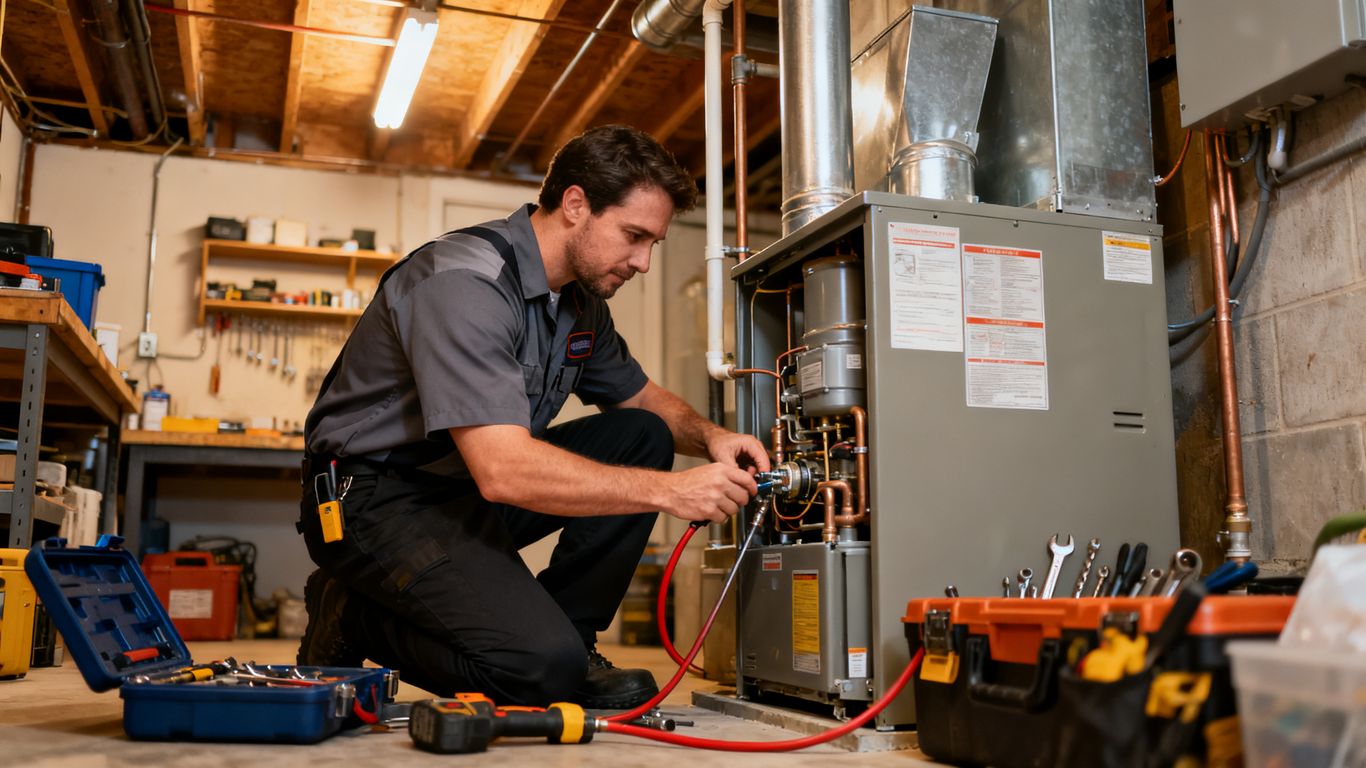
Developing an effective strategy starts by identifying exactly what your audience needs to see. Before filming, map out the customer journey to ensure you are creating content that answers common questions rather than just showcasing your logo. This proactive approach treats video as a functional asset for your business.
Selecting which repair scenarios resonate with your target demographic
Focus your efforts on the repairs that generate the most service calls, such as seasonal tune-ups or sudden cooling failures. By addressing the specific problems your customers face, you turn your video marketing into a helpful resource that keeps your brand top-of-mind. Consider using Inficon to capture clean, sharp visuals of how their instrumentation helps your team solve complex system issues efficiently.
Determining the ideal video length for different advertising platforms
Different platforms reward different engagement styles, so you should adapt your asset length accordingly. While a long-form breakdown works well for a website, short, rapid-fire clips often perform better in mobile feeds. Understanding these constraints helps you maintain audience retention.
Balancing technical educational value with a direct call to action
Every educational video needs to guide the viewer toward a natural next step, but this must be balanced with actual utility. If you lead too aggressively with a sales pitch, the educational value is lost; instead, provide the solution and then invite the viewer to click here to book a consultation for their own home. It should feel like a natural continuation of the help you just provided.
Tactical filming techniques for field technicians
Field-level production does not require expensive gear, as modern smartphones capture more than enough detail for social advertising. The key is to standardize the process so your technicians know what to look for and how to stabilize their footage. By treating video capture as part of the standard operating procedure, you minimize the burden on your staff.
Creating a simple onboarding process for your team to capture on-site clips
Standardization reduces friction. You can organize your workflow by utilizing a central tracking system for your video assets. The following table provides a breakdown of typical video production tasks that your dispatchers or office staff can manage to keep the process moving:
| Task Name | Responsibility | Frequency |
|---|---|---|
| Clip Review | Creative Director | Weekly |
| Asset Upload | Field Tech | Daily |
| Hook Selection | Marketing Admin | Bi-weekly |
By following this structure, your team will avoid the common pitfalls that lead to abandoned projects or inconsistent content quality. This organization also helps ensure your Elite Trader Funding evaluation-like process for testing new ad creatives stays on schedule.
Lighting and audio best practices for noisy mechanical rooms
Mechanical rooms are notoriously loud and poorly lit, which makes high-quality audio capture the most important technical challenge. Use external lapel microphones to isolate your technician’s voice from background noise, and keep external sources of light pointed at the front of the furnace or condenser unit. Clear, understandable audio will always outperform a visually perfect video with poor sound.
Structuring the narrative to capture attention in the first three seconds
Viewers decide whether to skip a video almost instantly, so you must start with a hook that addresses an immediate pain point. State the problem clearly before launching into the "why" and "how" of your repair.
The most successful technician videos get straight to the technical diagnosis immediately to establish authority without wasting the viewer's time with fluff or long-winded introductions.
Once you have hooked the viewer, you can fill in the details of the repair process effectively. Make sure your team has a clear video guide to keep these clips engaging.
Integrating tech explainers into your broader sales funnel
Video is not just for brand awareness; it is a powerful tool to move prospects through the stages of a purchase. Whether a homeowner is at the research phase or considering a quote, the right video can significantly lower their anxiety. It acts as an extension of your sales team, available 24/7 to provide consistent information.
Using video as a high-authority top-of-funnel conversion driver
When you use video to address common HVAC questions, you gain initial trust from homeowners who are searching for answers. This initial exposure is vital; if they find your content useful early, they are significantly more likely to choose you over a competitor when the time comes to purchase. It is about making helpful content that proves your competence.
Leveraging technician commentary for retargeting prospects who abandoned a quote
For prospects who received a quote but stalled, a personalized technical video can be the nudge they need to proceed. A short explanation from a technician about why a specific issue needs urgent attention removes mystery and replaces it with clarity, which often helps homeowners make an informed choice. It is a way of showing why proper maintenance is vital for long-term savings.
Aligning video content with your seasonal maintenance and repair trends
Your video output should follow the demand of your area. Before the summer heat spikes, lead with maintenance videos; as the cooling season ends, pivot toward system repairs. This relevance ensures that your brand remains constant in the eyes of the consumer, regardless of the season.
Optimizing your HVAC video for Meta and TikTok ads
Ads on Meta and TikTok depend on fast, visual engagement, which requires specific composition. You are designing these for a thumb-swipe culture, so every frame must compete with entertainment content. When your ads look and feel like organic, helpful videos, they perform significantly better than standard display ads.
Adapting video aspect ratios and composition for mobile-first feeds
Always shoot in 9:16 vertical format to fill the screen on modern mobile devices. Placing the subject in the center of the frame ensures that important technical demonstrations remain clear even when text overlays or captions appear on the screen. Avoid horizontal formatting entirely, as it shrinks your visual footprint.
Writing ad captions that stop the scroll without sacrificing technical credibility
Keep your captions brief, punchy, and focused on the outcome for the homeowner. A great caption should highlight a pain point and your solution in one sentence. It is important to remember that people rely on data-driven service models to inform their hiring, which is why your ads should focus on the quality of your output rather than buzzwords.
Testing multiple visual hooks to lower your cost per lead
Create a list of 3-5 different opening sequences to test which hook captures the most audience attention. You might start with a question about an energy bill, a close-up of a damaged component, or a quick technician introduction. Testing these variables against each other will reveal which narrative structure drives the lowest cost per lead.
- Filming the initial problem statement from the homeowner's perspective.
- Showing a close-up, high-speed clip of the technician’s hands removing a dead motor.
- Presenting a "before and after" comparison of airflow measurements.
- Using text overlays that explicitly state the specific system model being serviced.
By systematically cycling through these distinct hooks, you gain a clear understanding of what influences your local audience to stop and watch.
Translating video performance into business growth
Data is the bridge between creative experimentation and scalable revenue. Once your videos are live, you need to watch engagement metrics alongside lead quality metrics. This helps you identify if you are bringing in high-quality customers who need real service, rather than just views from people passing by who have no intent to hire.
Tracking video completion rates against high-intent lead quality metrics
Completion rate is a simple metric, but it tells you how effectively your video keeps the viewer interested throughout the explanation. When high completion rates align with a surge in appointment bookings, you know you have found the winning combination. Do not ignore the context of your industry trends when you measure success.
Analyzing engagement data to decide when to scale or sunset an ad set
If an ad set provides consistent, high-intent leads, you should increase the budget slowly to avoid performance instability. Conversely, if engagement drops off or lead quality degrades, be prepared to replace the creative. Always remember that your shopping for services customers prefer clarity, so if something is not converting, it might be that the message is getting too complicated.
Establishing a creative refresh cycle to prevent audience fatigue in local markets
Even the best video in a local market will suffer from diminishing returns after a few weeks or months. By planning a monthly refresh cycle for your creative assets, you ensure your ads remain fresh and relevant to your target demographic. This keeps your messaging current and prevents the audience from scrolling past your ads due to repetition.
Conclusion
Successfully scaling your HVAC business through video marketing requires a consistent blend of technical expertise and authentic storytelling. By empowering your technicians to document their real-world repairs, you build genuine trust that polished corporate creative simply cannot match. Use these tactical insights to refine your approach, monitor your data, and continually produce the type of educational content that turns casual viewers into loyal, long-term clients.
Frequently Asked Questions
Should I hire a professional camera crew for HVAC videos?
It is often better to use your team on-site; professional crews can make videos feel too staged, while raw, authentic footage often builds more trust with local homeowners who want to see the real work environment.
How long should an HVAC explainer video be?
Most high-performing social media videos for local trades fall between 30 and 60 seconds; this length provides enough time to identify the problem and explain the solution without losing the viewer's attention.
Does background noise in a mechanical room ruin an educational video?
Background noise is a serious problem for video clarity, but you can overcome it by using a dedicated lapel microphone that captures the technician's voice clearly while filtering out the mechanical humming and clicking.
Can video marketing help with recruiting new technicians?
Absolutely, showcasing your company's culture and the actual respect you show toward technical expertise acts as a powerful recruiting tool by building brand affinity among local workers who value a professional workplace.
Where is the best place to post these videos?
Meta and TikTok are ideal for local ad reach, but you should also embed these videos on your service-specific website pages to help homeowners understand the nuances of the repairs you provide.
What if my technicians are uncomfortable being on camera?
Keep it simple and focus on their hands and their work during the first few projects; having them talk will feel more natural once they get used to the equipment and the routine of capturing a clip.
How often should I update my ad creative?
To avoid audience fatigue in a local geography, you should aim to refresh your ad creative every 4 to 8 weeks, especially if you notice that click-through rates are starting to dip over time.