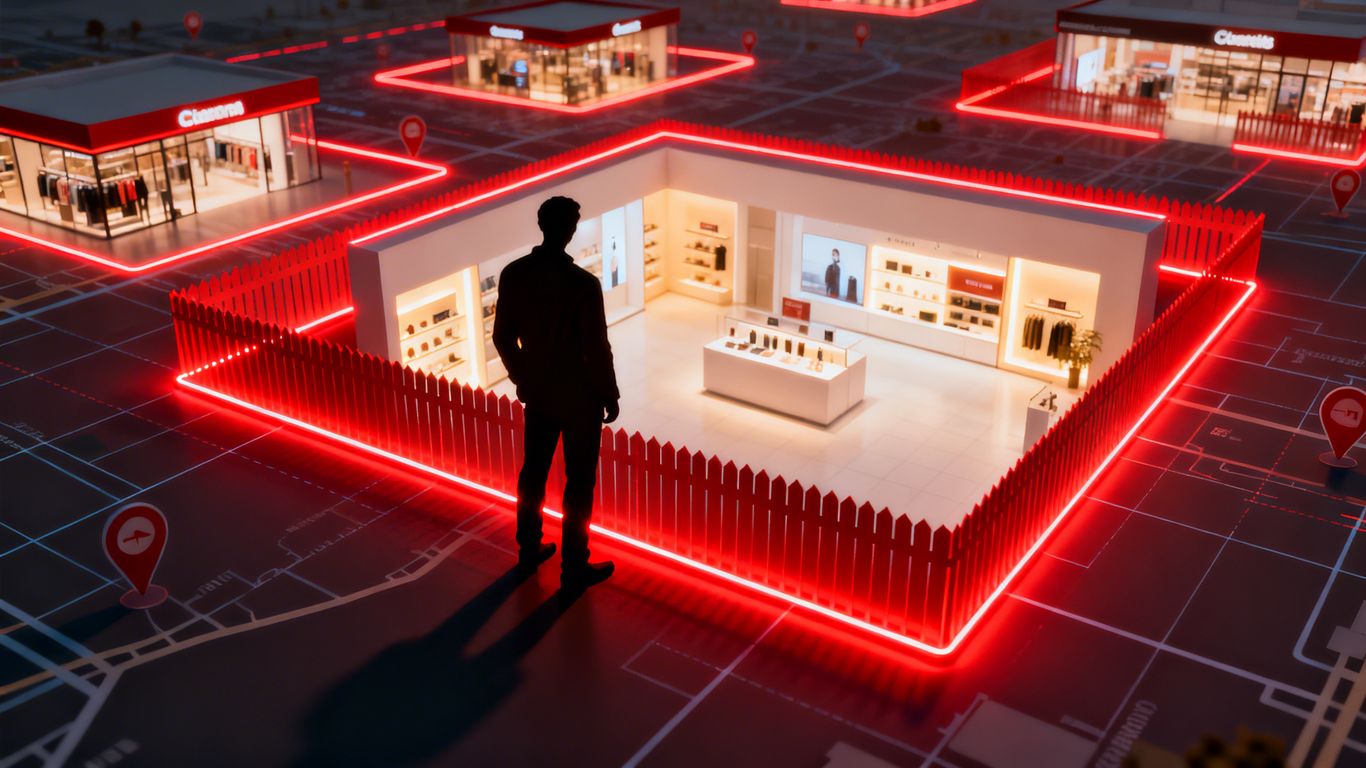
You know, when you're in the countertop business, you're always looking for an edge. We've talked about targeting people searching online, or those who've visited your website before. But there's this other tactic, this bit of stone fabricator geofencing competitors, that doesn't get much airtime. It’s about showing up digitally right when someone is physically near a rival's showroom. Think about it: someone's actively shopping for stone, they're out and about, maybe even comparing options. That's prime time to get your message in front of them. It's a bit sneaky, sure, but if done right, it can really work.
Key Takeaways
- Setting up a geofence around competitor showrooms lets you reach potential customers who are actively looking for countertops.
- Crafting ad messages that speak directly to someone comparing options can grab their attention when they're close to a competitor.
- Using platforms like Meta Ads (Facebook/Instagram) or Google Ads allows you to target these specific locations and people.
- It's important to be mindful of privacy and avoid ads that feel overly aggressive or misleading when using this strategy.
- Tracking how well these campaigns perform helps you adjust your spending and targeting to get the best results for your business.
Unlocking Competitor Showroom Geofencing For Stone Fabricators
So, you're a stone fabricator, and you're wondering about this geofencing thing, specifically targeting folks who are checking out the competition. It sounds a bit sneaky, maybe? But really, it's just smart marketing. Think about it: someone is actively looking at countertops, maybe even at a competitor's showroom. That's prime time to get your name in front of them. This isn't about spying; it's about being there when the decision is being made.
Defining The Strategy For Stone Fabricators
What does this actually mean for you? It means setting up digital fences around places where potential customers are likely to be looking at stone. We're talking about competitor showrooms, sure, but also places like home improvement stores or even popular design centers. The goal is to show them an ad for your business right when they're in the mood to buy. It's about capturing their attention at the exact moment they're considering options.
Identifying Key Competitor Locations
First things first, you need to know who your main competitors are. Who has showrooms in your area that people actually visit? Think about the big names, but also the smaller, local shops that might be drawing a crowd. You can find this information with a simple online search, checking local business directories, or even just by driving around.
Here's a quick way to start your list:
- Competitor A (e.g., "Granite Guys")
- Competitor B (e.g., "Marble Masters")
- Competitor C (e.g., "Quartz Creations")
- Local Kitchen & Bath Showrooms
Understanding The Digital Landscape
Once you know the physical spots, you need to think about the digital side. How do people find out about these places? They're probably searching online, looking at social media, or getting recommendations. Geofencing taps into this by using mobile device data. When someone's phone is detected within a specific area (your geofence), you can trigger an ad to appear on their device later, when they're browsing apps or websites. It's a way to connect the physical shopping trip with their online activity.
This tactic is about being present in the digital world when a customer is actively engaged in the physical world, making a purchase decision. It's a direct response to their current interest, not a random interruption.
It's not just about placing an ad anywhere. It's about placing it strategically. You want to catch them when they're thinking about countertops, not when they're just passing by. This means understanding where they are and what they're doing.
Targeting Potential Customers Near Competitor Showrooms
So, you've figured out where your rivals are setting up shop. Now, the real work begins: getting your message in front of the people walking through their doors. It’s about being smart and showing up when it counts. This is where your digital ads can really make a difference.
Crafting Compelling Ad Copy For Showroom Visitors
Think about what someone looking at a competitor's countertops might be thinking. They're probably comparing prices, styles, and maybe even feeling a bit overwhelmed. Your ad copy needs to cut through that. Instead of just saying 'We sell countertops,' try something that speaks to their immediate needs or concerns.
- Highlight a specific benefit: 'Tired of waiting? Get your dream kitchen faster with our quick turnaround.'
- Address a common pain point: 'Worried about hidden costs? We offer transparent pricing, no surprises.'
- Offer a clear call to action: 'See our latest slab arrivals today – visit our showroom just 5 minutes away!'
It’s about being direct and offering a solution or an incentive that makes them consider you, even while they're still technically shopping elsewhere.
Leveraging Location-Based Audiences
This is where the magic of geofencing really shines. You can create custom audiences based on people who have recently visited competitor showrooms. Think of it like this: if someone is actively looking at stone countertops, they're a warm lead. You can then serve them ads across various platforms.
Here’s a simple breakdown:
- Define the geofence: Draw a digital boundary around the competitor's physical location.
- Set the time window: Decide how recently someone needs to have visited to be included (e.g., within the last 24 hours, 7 days).
- Target the audience: Serve your ads to the people who fall within that geofence and time window.
This means your ads appear on their phones, social media feeds, and other apps they use, reminding them of your business when they're most likely to be making a decision.
Setting Up Geofence Parameters Effectively
Getting the geofence just right is key. Too small, and you might miss people. Too big, and you're wasting money showing ads to folks who aren't actually at the competitor's location.
- Radius size: For a showroom, a radius of 300-500 feet is often a good starting point. This captures people who are physically present and perhaps even in the parking lot.
- Duration: How long do you want to target someone after they leave? A few hours to a day is usually sufficient for this tactic.
- Exclusion zones: You might want to exclude your own showroom from the geofence to avoid targeting existing customers or people who have already chosen you.
The goal is to be present without being intrusive. You want to catch their attention at the right moment, offering a compelling reason to check out your alternative before they commit elsewhere. It’s a delicate balance, but when done right, it’s incredibly effective.
Here’s a quick look at typical parameters:
| Parameter | Example Setting | Notes |
|---|---|---|
| Geofence Radius | 500 feet | Adjust based on showroom size/parking lot |
| Targeting Window | 24 hours | Captures recent visitors |
| Frequency Cap | 3-5 per day | Avoid ad fatigue |
The Mechanics Of Stone Fabricator Geofencing Competitors
So, you've decided to try geofencing your competitors' showrooms. That's a smart move, but how do you actually make it work? It's not just about drawing a circle on a map. There's a bit more to it, and getting it right means you're more likely to see results. Let's break down the nuts and bolts.
Choosing The Right Advertising Platforms
Not all ad platforms are created equal when it comes to geofencing. You need platforms that offer robust location targeting and allow for precise geofence setup. Think about where your potential customers are likely to be looking for inspiration or information.
- Google Ads: This is usually the go-to. You can target users searching for terms related to countertops, stone fabrication, or even competitor names within your defined geofences. The Display Network is also an option for visual ads.
- Social Media Platforms (Facebook, Instagram): These platforms are great for reaching people based on their interests and location. You can target users who are physically within a competitor's showroom or have recently visited.
- Programmatic Advertising Platforms: For more advanced users, these platforms offer granular control over targeting and placement across a wide range of websites and apps.
Implementing Precise Geofence Boundaries
Drawing that circle is just the start. The size and shape of your geofence matter. Too big, and you're wasting money on people who aren't really in the market. Too small, and you might miss potential customers.
- Radius-Based: The simplest method. You set a circular area around the competitor's location. A radius of 500-1000 feet is often a good starting point, but you'll want to adjust based on the specific location (e.g., a standalone showroom versus one in a busy mall).
- Polygon-Based: This lets you draw custom shapes. It's useful for irregular areas or when you want to exclude certain parts of a location (like a parking lot that's too far away).
- Dynamic Geofences: Some platforms allow geofences that adjust based on user behavior or time of day, though this is less common for simple competitor showroom targeting.
The goal is to capture people who are actively engaging with the competitor's space, not just driving by.
Measuring Campaign Performance
If you can't measure it, you can't improve it. Tracking how your geofencing campaigns are doing is super important. You need to know what's working and what's not.
- Impressions & Clicks: Basic metrics to see if your ads are being seen and clicked within the geofenced areas.
- Conversions: This is the big one. Did someone who saw your ad after visiting a competitor's showroom end up filling out a form, calling you, or visiting your website?
- Cost Per Acquisition (CPA): How much did it cost you to get one of those conversions? You want this number to be as low as possible.
- Foot Traffic Lift (if available): Some advanced platforms can estimate if your ads drove people to your physical location.
You're essentially trying to intercept potential customers at a moment when they're actively considering their options. It's about being there with the right message when they're most receptive, without being intrusive. Think of it as a helpful nudge in your direction.
Ethical Considerations In Competitor Geofencing
Alright, so we've talked about how to set up geofencing around competitor showrooms. It can be a pretty smart move for stone fabricators looking to grab some attention. But, before you jump in headfirst, we really need to chat about doing this the right way. It’s not just about getting ahead; it’s about staying on the level.
Respecting Privacy And Data Usage
This is a big one. When you're geofencing, you're essentially targeting people who are physically in a certain area. You're not collecting personal data like names or phone numbers directly from them through this method. The platforms you use handle the audience aggregation. Still, it feels a bit like peeking, right? The key is to be transparent about how ads are shown and to stick to the rules. Nobody wants to feel like they're being spied on. Make sure your ad platform's privacy settings are dialed in. You're aiming for people who are interested in countertops, not invading their personal space.
Avoiding Misleading Advertising Tactics
When your ad pops up for someone near a competitor's showroom, what does it say? It needs to be honest. You can't claim you have a better price if you don't, or that you offer something the competitor definitely doesn't. Think about it: if someone comes to you based on a false promise, they'll just leave, and you've wasted their time and your ad money. Honesty builds trust, even in a competitive situation. Your message should be about what you offer, not just a jab at the other guy.
Here are a few things to keep in mind for your ad copy:
- Clearly state your unique selling points.
- Be specific about your services or products.
- Avoid making direct, unsubstantiated claims about competitors.
Maintaining Brand Integrity
How you market yourself says a lot about your brand. If you come across as aggressive or sneaky, that's the impression people will have of your business. It's better to be known for quality and good service. Think about the long game. You want customers to choose you because they believe in your brand, not because they felt tricked into it. A positive reputation is worth more than a quick win.
The goal is to attract attention and showcase your strengths. It's about being seen as a strong alternative, not a shady operator. Keep your messaging professional and focused on the benefits you provide to customers. This approach helps build a sustainable business that people trust.
So, while geofencing competitor showrooms is a tactic, using it ethically is what makes it a smart tactic. It's about playing the game fairly and building a business that stands for something good.
Maximizing ROI With Competitor Showroom Campaigns
So, you've set up your geofences around the competitor showrooms. That's a good start, but the real work is making sure you're not just spending money, but actually getting good results back. It’s all about being smart with your ad spend and really watching what happens.
Optimizing Ad Spend For Maximum Impact
Think of your ad budget like a pie. You don't want to just give it all away; you want to make sure each slice is working hard for you. This means paying attention to which ads are getting clicks and which ones are just sitting there. We need to figure out what's working and do more of that, and what's not working and stop doing it.
- Adjust bids based on performance: If ads shown to people near one competitor are bringing in lots of business, maybe put a bit more money there. If another competitor's audience isn't responding, dial it back.
- Test different ad creatives: What if your message isn't quite right? Try different pictures, different words. Sometimes a small change makes a big difference.
- Refine audience targeting: Are you reaching the right people? Maybe you need to narrow down the age range or interests a bit more. Geomarketing can help with this.
Analyzing Conversion Data
This is where you see if all your effort is paying off. It's not just about clicks; it's about what happens after the click. Did they visit your website? Did they fill out a form? Did they actually call you?
| Metric | This Month | Last Month | Change |
|---|---|---|---|
| Clicks | 1,200 | 1,050 | +14% |
| Website Visits | 350 | 300 | +17% |
| Form Submissions | 45 | 30 | +50% |
| Phone Calls | 20 | 15 | +33% |
Seeing these numbers helps you understand what's actually happening. A big jump in form submissions, for example, means your ads are convincing people to take the next step.
The goal isn't just to be seen; it's to be seen by the right people at the right time with the right message. That's how you turn a geofence into a genuine business opportunity.
Refining Targeting Strategies
Once you have the data, you can get smarter. Maybe you notice that people who visit a specific competitor's showroom are more likely to be looking for high-end materials. Or perhaps a different competitor's visitors are more budget-conscious. You can then tailor your ads and offers to match what those people are likely looking for. This makes your advertising much more effective and stops you from wasting money on people who aren't a good fit. It’s about making your ad campaigns work harder for you, not just showing up everywhere.
Beyond Showrooms: Expanding Geofencing Opportunities
So, we've talked a lot about targeting folks right outside competitor showrooms. It's a smart move, no doubt. But what if you're thinking bigger? Geofencing isn't just for direct competitors' front doors. There are other places potential customers hang out, places where they're actively thinking about home projects or design. Let's look at a few.
Targeting Home Improvement Stores
Think about it. People heading into a big box home improvement store are often in the mindset of buying materials for their house. They might be looking at flooring, cabinets, or even countertops. Setting up a geofence around these locations means you can catch them while they're in that buying mood. It's about being there at the right moment.
- Home Depot
- Lowe's
- Local lumber yards
This is prime real estate for digital ads. You're not just guessing; you're targeting people who are actively shopping for home goods.
Reaching Customers at Design Centers
Design centers are another goldmine. These are places where people go to get ideas, meet with designers, and plan out their renovations. They're often further along in the decision-making process. If someone is browsing tile samples or looking at kitchen layouts, they might be considering countertops too. A geofence here can put your brand right in front of them.
Leveraging Event-Based Geofencing
This is where things get really interesting. Think about home shows, renovation expos, or even local community events focused on home building. People attending these events are almost certainly interested in home improvement. You can set up geofences around these specific events, capturing attendees during the show and even for a period afterward as they continue their research. It's a way to tap into a concentrated group of interested individuals.
The key is to think about where your ideal customer is spending their time and energy when they're thinking about home projects. It's not always about direct competition; it's about being present in the broader ecosystem of home renovation and design.
Think beyond just sending people to your store. Geofencing can help you connect with customers in all sorts of places, like parks or even other businesses. Imagine reaching people when they're out and about, not just when they're near your shop. Want to learn how to make this happen for your business? Visit our website today to discover more!
So, What's the Takeaway?
Look, geofencing competitor showrooms isn't some shady trick. It's just another tool in the digital marketing toolbox, like running Google Ads or posting on Facebook. For home service businesses, especially those selling big-ticket items like countertops, it’s a smart way to catch people when they're actively looking. You’re not spying; you’re just showing up where your potential customers are. If you’re not thinking about this, your competitors probably are. It’s worth considering if it fits your business and your budget. Don't get left behind just because it's not the most talked-about tactic out there.
Frequently Asked Questions
What exactly is geofencing near a competitor's store?
Imagine drawing an invisible fence around a competitor's showroom. When someone walks inside that fence, we can show them an ad on their phone. It's like saying, 'Hey, you're checking out countertops here? We have some great options too!' It’s a way to grab the attention of people who are already thinking about buying what you sell.
Why would a countertop business do this?
It's smart because you're reaching people who are actively looking for countertops. They've already visited a showroom, so they're further along in the buying process. This tactic helps you get your business in front of them before they make a final decision, showing them why they should choose you instead.
Is this like spying on people?
Not at all! We only target people who have chosen to allow location tracking for apps. We don't know who they are personally. The goal is to show ads to people in a specific area, not to track individuals. It’s about reaching potential customers at the right time and place.
What kind of ads should I show?
Your ads should be super clear and offer something good. Maybe a special discount for first-time customers, a free consultation, or highlight what makes your countertops unique – like faster installation or a wider selection. You want to give them a reason to click and learn more about your business.
Where do these ads show up?
These ads can pop up on apps people use every day, like social media (think Facebook and Instagram), or even on websites they visit. When someone is within that digital fence around your competitor's store and using an app or website that shows ads, your ad can appear right there on their phone.
How do I know if it's working?
We track everything! We can see how many people saw your ad, how many clicked on it, and most importantly, how many actually contacted your business or visited your website because of the ad. This helps us make the ads even better and ensures you're getting the most value for your money.