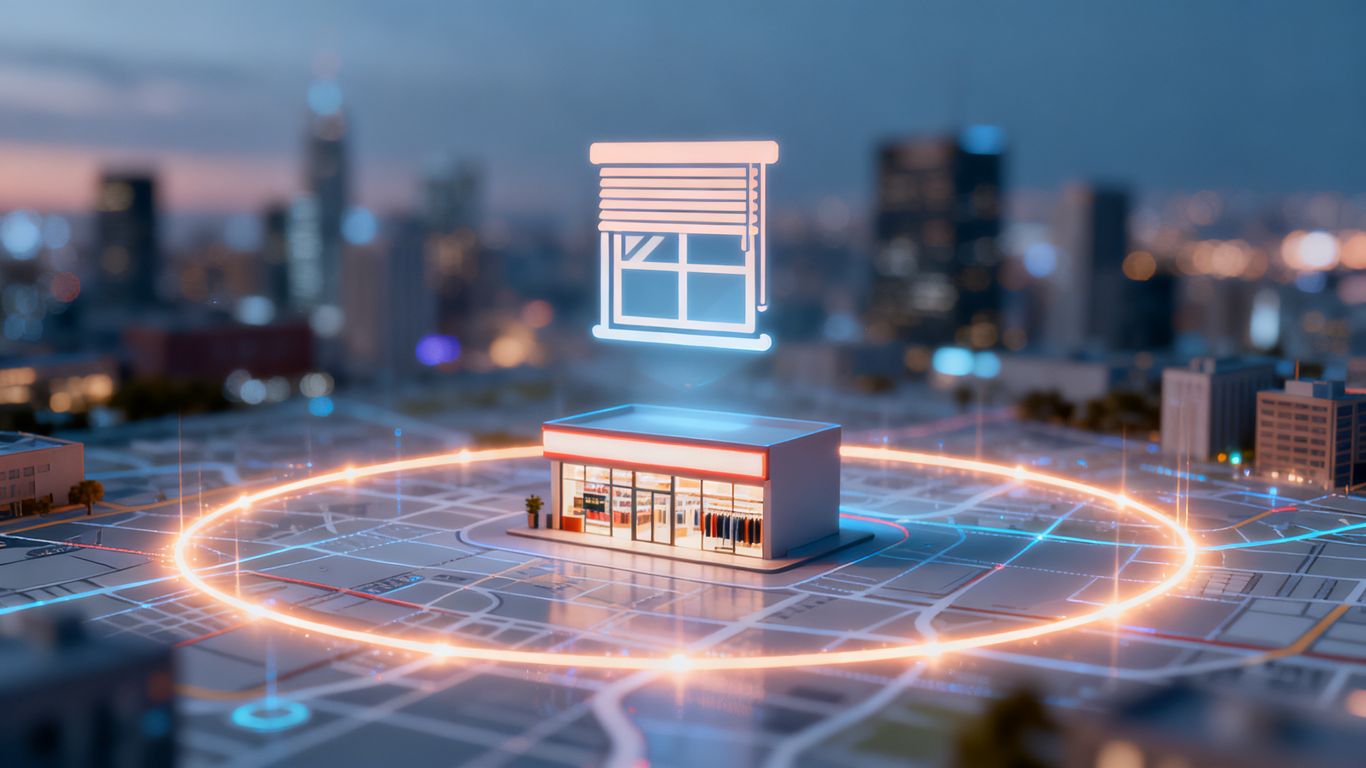
So, you're in the window treatment business, right? Ever thought about putting ads right in front of people who are checking out your competition? It sounds a bit sneaky, maybe, but it's a real marketing play. We're talking about geofencing, specifically targeting folks who wander into a competitor's showroom. It's a tactic that, honestly, not many people in our industry seem to be using. Let's figure out why and if it's something you should even bother with.
Key Takeaways
- Geofencing lets you show ads to people when they enter a specific physical area, like a competitor's store.
- Targeting window treatment competitors' showrooms with ads is a smart way to catch people actively looking for window treatments.
- Setting up these campaigns involves picking the right ad platforms (like Meta or Google) and defining the area around the competitor's location.
- This approach can help bring more people to your own showroom by showing them your offers when they're already in the buying mood.
- The reason window treatment geofencing competitors isn't used more often seems to be because people think it's too hard to set up or they just don't know about it.
Understanding Geofencing For Window Treatment Businesses
Defining Geofencing In Digital Advertising
So, what exactly is geofencing? Think of it like drawing an invisible fence around a specific spot on a map. When someone's phone crosses that line, it can trigger something – usually an ad. For window treatment businesses, this means you can show ads to people who are physically near your store, or even better, near a competitor's store. It's a way to get your message in front of potential customers right when they're in the mood to shop for home improvements. This location-based targeting is pretty powerful stuff. It's not just about reaching anyone; it's about reaching people who are right there, in your service area or browsing similar products.
The Potential Of Location-Based Targeting
Imagine someone is driving around town, maybe looking at different home decor shops. If they happen to pass by a competitor's showroom, your ad for custom blinds could pop up on their phone. That's the magic of location-based targeting. It's about being relevant and timely. You're not just shouting into the void; you're talking to someone who has shown a clear interest by being in a specific place. This kind of precision can really make a difference in getting noticed. It's like having a digital billboard that only lights up for the right people at the right time. This technology allows businesses to target specific audiences with relevant ads and offers based on their proximity to certain places.
Why Window Treatment Geofencing Competitors Is Underexplored
It sounds pretty neat, right? So why aren't more window treatment companies doing it? Well, there are a few reasons. For starters, it can seem a bit complicated to set up. People might think you need to be a tech wizard to get these campaigns running. Plus, not everyone is even aware that this is an option for their business. It's a bit of a hidden gem in the world of digital marketing. Many business owners are busy running their shops, dealing with customers, and managing staff – thinking about digital ad fences might not be top of mind. It's a shame, though, because the potential is definitely there.
The core idea is simple: show ads to people based on where they are. For window treatments, this means reaching folks who are actively looking for home upgrades or perhaps even comparing options at a rival business. It's about meeting potential customers where they are, both physically and in their buying journey.
Strategic Geofencing Competitor Showrooms
Okay, so you've decided to try this geofencing thing for your window treatment business, specifically targeting folks who wander into your competitors' stores. It sounds a bit sneaky, maybe, but honestly, it's just smart marketing. You're basically saying, 'Hey, you're looking at window treatments right now, maybe check out what we have to offer too!' It's all about being in the right place at the right time, digitally speaking.
Identifying Key Competitor Locations
First things first, you need to know where to set up these digital fences. This isn't rocket science, but it does take a little legwork. Think about the businesses in your area that sell similar products. Are they big box stores? Local boutiques? Online retailers with a physical showroom? Make a list. Don't forget about places that might not seem like direct competitors but sell related home goods where someone might be thinking about windows, like high-end furniture stores or even some home improvement centers.
- List all known direct competitors.
- Include businesses selling complementary products.
- Consider locations with high foot traffic that might attract your target customer.
Setting Up Geofenced Ad Campaigns
Once you have your list of locations, it's time to actually build the campaigns. This is where you'll use your advertising platform to draw those virtual boundaries. You're essentially telling the system, 'When someone enters this zone, show them my ad.' It's pretty straightforward once you get the hang of it. You'll want to decide how long you want the geofence to be active – maybe just during business hours, or perhaps all the time if you want to catch people driving by late at night.
The idea is to intercept potential customers when they are actively considering a purchase in your product category. It's a direct way to insert your brand into their decision-making process at a critical moment.
Crafting Compelling Ad Creatives For Competitor Audiences
Now, what do you actually show these people? You can't just blast them with a generic ad. Think about why they're at the competitor's store. They're probably looking for new blinds, shades, or shutters. Your ad needs to grab their attention and give them a reason to consider you instead, or at least check you out later. Maybe you offer a better price, a wider selection, or a unique service. Highlighting a special offer for first-time visitors who saw your ad can be a strong motivator. You could also use imagery that shows off your best work or a customer testimonial that speaks to your quality.
Here are some ideas for ad copy:
- "Looking for new window treatments? See why [Your Business Name] is the local favorite. Visit us today!"
- "Considering blinds or shades? Don't settle! Discover premium quality and expert advice at [Your Business Name]."
- "Saw you near [Competitor Name]? We offer [Unique Selling Proposition, e.g., custom designs, faster installation]. Stop by [Your Business Name] for a free consultation."
Leveraging Geofencing Competitors For Lead Generation
So, you've set up your virtual fences around the competition's stores. Now what? The real magic happens when you start turning those curious onlookers into actual customers for your window treatment business. It’s about catching people when they’re already thinking about what you offer, but maybe just not at your place.
Targeting High-Intent Consumers Near Competitors
When someone is physically inside or very close to a competitor's showroom, they're showing a pretty clear interest in window treatments. This is your prime time to step in. Instead of just hoping they'll find you later, you can serve them an ad right then and there. Think about what would grab their attention. Maybe it's a special offer for first-time visitors to your showroom, or perhaps a quick comparison highlighting a unique feature of your products that the competitor might not have. The goal is to interrupt their current shopping journey and plant a seed for your business.
This is where advanced geo-fencing strategies really shine. You're not just blasting ads to anyone nearby; you're targeting people who have actively shown they are in the market for what you sell, right at the moment they are considering it.
Driving Foot Traffic To Your Showroom
Getting people through your door is the ultimate win. Your ads need to be a clear call to action. Don't just say 'Check us out.' Instead, try something more direct like, 'See the difference! Visit our showroom today for a free consultation and 10% off your first order.' Make it easy for them to find you too. Include your address and a link to directions in the ad. You could even offer a small incentive for showing the ad at the counter. This makes the transition from seeing an ad to walking into your store feel like a natural next step, not a chore.
Here are a few ideas for ad copy:
- "Considering new blinds? See our exclusive collection just 5 minutes away! Free in-home estimate."
- "Tired of outdated window coverings? Visit our showroom for innovative solutions and expert advice. Mention this ad for a special discount."
- "Compare and save! Discover premium window treatments at [Your Business Name]. Your first consultation is on us."
Measuring The ROI Of Competitor Geofencing
Okay, so you're spending money on these ads. How do you know if it's actually working? You need to track it. This isn't as complicated as it sounds. Most ad platforms let you set up conversion tracking. For foot traffic, it's a bit trickier, but you can use unique promo codes mentioned only in these competitor-targeted ads. Or, you can simply ask customers at the point of sale how they heard about you. Keep a tally. If you spend $500 on ads targeting a competitor's location and get 10 new customers who spend an average of $300 each, that's a pretty good return.
It's easy to get lost in the numbers, but remember the core idea: you're reaching people who are already in the buying mood. The investment is about capturing that existing interest and redirecting it your way. If the cost of acquiring a new customer through this method is lower than your usual channels, it's a win.
Here’s a simple way to think about it:
- Track Ad Spend: How much did you pay for the ads targeting competitor locations?
- Track New Customers: How many customers came in specifically because of those ads (using codes, asking, etc.)?
- Track Revenue: What's the average sale value for these new customers?
By comparing your spend to the revenue generated, you can figure out if this tactic is paying off for your window treatment business. It’s all about making smart decisions based on real results, not just guessing. This approach to location-based marketing can be a game-changer if done right.
The Technicalities Of Window Treatment Geofencing Competitors
Okay, so you're thinking about using geofencing to target people near your competitor's window treatment showrooms. It sounds pretty straightforward, right? Just draw a circle on a map and start showing ads. But there's a bit more to it than just that. Getting it right means thinking about a few key things.
Choosing The Right Ad Platforms
Not all ad platforms are built the same when it comes to geofencing. You'll want to pick one that gives you good control over location targeting. Google Ads is a big one, obviously. It lets you set up these virtual fences around specific addresses or areas. Facebook and Instagram can also do this, though sometimes their location targeting can be a bit broader. Think about where your potential customers are actually spending their time online. If they're scrolling Instagram while browsing, that's a good place to reach them. The platform you choose will affect how precise your targeting can be and what kind of ads you can run.
Defining Geofence Radius And Duration
How big should your geofence be? That's a big question. If you make it too small, you might miss people. Too big, and you're showing ads to folks who aren't really close enough to be a hot lead. For a competitor's showroom, you probably want to be pretty close, maybe within a mile or two. But then, how long do you want to target someone after they leave? A few hours? A day? It depends on how long someone might be considering a purchase. You don't want to annoy people by showing ads forever, but you also want to catch them while the idea is still fresh.
Here's a quick breakdown of what to consider:
- Radius Size: Start small, maybe 1-2 miles, and adjust based on results.
- Duration: How long after leaving the geofenced area should ads continue? 24-48 hours is often a good starting point.
- Time of Day: Are people shopping for window treatments during business hours? Target accordingly.
Ensuring Accurate Audience Delivery
This is where things can get a little tricky. You want to make sure your ads are actually reaching the people you think they are. Sometimes, location data can be a bit off. People might be driving by quickly, or their phone's location services might not be perfectly accurate. You also need to think about who is actually in that geofenced area. Are you targeting anyone who walks by, or are you trying to narrow it down further? Some platforms let you layer other targeting options, like interests or demographics, to make sure you're hitting the right kind of person. It's all about getting your message in front of the right eyes at the right time. This kind of precise targeting is a key part of location-based advertising strategies.
Getting the technical details right is key. It's not just about drawing a circle; it's about understanding how the technology works and how people interact with their devices. Small adjustments here can make a big difference in whether your campaign actually brings in customers or just wastes money.
Why This Tactic Remains Underutilized
It’s a bit of a head-scratcher, right? Targeting competitor showrooms with geofencing seems like a no-brainer for window treatment businesses looking to snag new customers. Yet, it’s not exactly a crowded space. So, what’s holding businesses back from using this pretty smart tactic?
Perceived Complexity Of Setup
Honestly, a lot of business owners hear 'digital advertising' and immediately picture a complicated mess. They think setting up geofences, defining ad campaigns, and managing all the tech is way beyond their skill set. It feels like trying to assemble IKEA furniture without the instructions – overwhelming and likely to end in frustration. Many assume it requires a dedicated marketing team or a hefty budget just to get started. The idea of drawing virtual fences on a map and then figuring out who sees what ads can seem like a whole other language.
Lack Of Awareness Among Business Owners
It’s not just about thinking it’s hard; some folks just don’t know this option even exists. The world of digital marketing moves fast, and new tools pop up all the time. While some businesses are busy with day-to-day operations, others are out there experimenting with the latest ad tech. For window treatment companies, especially smaller ones, staying on top of every new possibility isn't always easy. They might be perfectly happy with their current marketing, or they might not have heard about how geo-fencing works for specific business goals.
Concerns About Ad Platform Capabilities
Then there’s the doubt about whether the ad platforms themselves can actually do what’s needed. Can they really pinpoint people right now who are walking into a competitor’s store? Or will the ads just go out to everyone in a five-mile radius, wasting money? Businesses worry about accuracy and whether they’re reaching the right people at the right time. They might have tried something similar before and had poor results, leading them to believe the technology isn’t quite there yet for this kind of precise targeting. It’s a valid concern when you’re spending your hard-earned cash on advertising.
The fear of the unknown, coupled with a lack of clear, simple guidance, often stops businesses from exploring potentially effective strategies like competitor geofencing. It's easier to stick with what you know, even if it's not bringing in the best results.
Maximizing Impact With Geofencing Competitors
So, you've set up your geofence around a competitor's showroom. That's a good start, but how do you actually make it work for your business? It's not just about putting up a fence; it's about what you do inside that fence. The real magic happens when you connect your ad efforts with what people are seeing and thinking right then and there.
Integrating With Other Marketing Efforts
Think of competitor geofencing as one piece of a bigger puzzle. It works best when it plays nicely with everything else you're doing. If you're running local radio ads, make sure the message you show people near your competitor's store matches what they might hear on the radio. Same goes for social media or any flyers you might be handing out. Consistency is key. If someone sees an ad on their phone while they're checking out blinds at "Shady Business Blinds," and then they get a flyer from you that says something similar, it starts to stick.
- Align your geofenced ads with your current promotions. If you have a "buy one, get one free" deal, make sure that's front and center in your competitor geofencing ads.
- Coordinate with your sales team. Let them know who you're targeting. They might get a call from someone who saw an ad while near a competitor and wants to know more.
- Use it to promote showroom events. If you're having a special open house, target people near competitors to drive them to your event.
A/B Testing Different Geofencing Strategies
Don't just set it and forget it. You need to see what's actually working. That's where A/B testing comes in. It's like trying two different recipes for the same dish to see which one tastes better. You can test different ad messages, different times of day, or even different radius sizes around the competitor's location. For example, you might run one ad that highlights your price and another that focuses on your unique selection. See which one gets more clicks or leads.
Trying out different approaches helps you learn what truly grabs attention. It's about being smart with your ad spend, not just spending it.
Here’s a simple way to think about testing:
- Test Ad Copy: Run two ads with the same image but different text. One might say "Better Prices on Blinds" and the other "Custom Window Treatments." See which performs better.
- Test Offers: Offer a discount in one ad and a free consultation in another. See which brings in more people.
- Test Timing: See if ads shown during peak business hours for your competitor bring more results than ads shown during slower times.
Refining Audiences Based On Performance Data
Once you start testing, you'll get data. This data is gold. It tells you who is clicking, who is converting, and what messages are hitting home. You might find that people who visit a specific competitor are more interested in high-end shutters, so you can adjust your ads to focus on that. Or maybe you discover that targeting people who are there on a Saturday morning works better than a weekday afternoon. Use this information to make your geofences smarter and your ads more effective. This approach enhances campaign efficiency and boosts engagement by delivering relevant messages at opportune moments. This guide offers insights and examples to help you create successful campaigns by targeting the right locations and crafting compelling messages.
Want to get ahead of the competition? Geofencing can be a game-changer for your business, letting you reach customers right when they're near your rivals. Imagine drawing a virtual fence around a competitor's store and sending special offers to anyone who walks by. It's a smart way to grab attention and bring new shoppers your way. Ready to see how this powerful tool can boost your sales? Visit our website today to learn more and get started!
So, What's the Takeaway?
Look, geofencing competitor showrooms for window treatment ads sounds like a smart idea on paper, right? You're thinking, 'I'll catch people right when they're looking at my rival's stuff!' But honestly, in the day-to-day grind of running ads for home services, it just doesn't seem to pan out. We've tried it, seen others try it, and the results are usually pretty meh. It's expensive to set up, the targeting can be messy, and getting actual customers out of it is a long shot. Most of the time, you're better off focusing your ad spend on places where people are actively searching for what you offer, like Google Search, or building brand awareness on platforms like Facebook and Instagram with audiences that actually fit your ideal customer. This competitor showroom tactic? It's mostly just a ghost story in the world of paid media for window treatments.
Frequently Asked Questions
What exactly is geofencing?
Think of geofencing like drawing an invisible fence around a place using your phone's GPS. When someone's phone enters that fenced area, you can show them ads. For window treatment businesses, this means showing ads to people who are currently at a competitor's store.
Why would I want to show ads at a competitor's store?
It's a smart move because people at a competitor's showroom are already thinking about buying window treatments. Showing them an ad from your business right then and there could grab their attention and make them consider you as an alternative, maybe even before they decide.
Is this hard to set up for my window treatment business?
It might seem tricky, but it's actually easier than you think, especially with the help of a digital marketing team. You just need to tell the ad platforms where the competitor's stores are, and they handle the rest of showing ads to people in that zone.
What kind of ads should I show?
You want ads that make people curious. Maybe highlight a special offer, a unique style you have, or a quick benefit like 'free design help.' Keep it short and catchy, like 'See our blinds before you decide!' or 'Better prices on shades just around the corner.'
How do I know if it's working?
You can track how many people see your ads, click on them, and, most importantly, if they visit your store or website because of the ad. This helps you see if spending money on this tactic is bringing in new customers.
Why don't more window treatment businesses do this?
Honestly, many business owners just don't know about it or think it's too complicated. They might also worry that the ads won't reach the right people. But when done right, it's a powerful way to find customers who are ready to buy.