Google Ads for Motorized Shades: Targeting the Smart Home Buyer
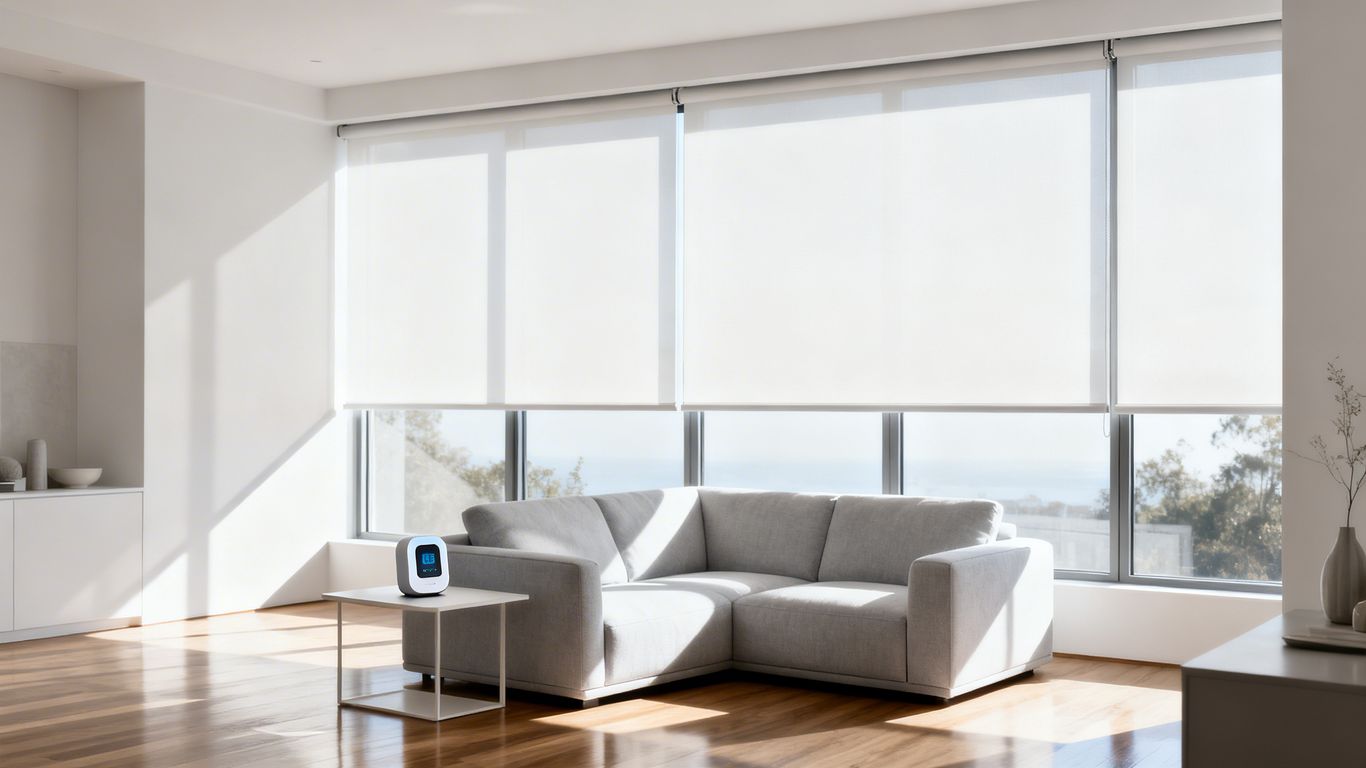
So, you're selling motorized shades and want to reach people who are into smart homes? Google Ads can be a good way to do that. It's all about figuring out who these folks are and then showing them ads that make sense. We'll cover how to find them, what to say in your ads, and how to make sure your website is ready when they click. Let's get these smart home buyers interested in your shades.
Key Takeaways
- To reach smart home buyers with motorized shade Google Ads, first get a clear picture of who they are. Think about their interests and what they search for online.
- Make your Google Ads stand out. Use clear headlines and ad text that talks about how your shades work with smart home tech. Show off how easy and stylish they are.
- Pick the right keywords. Focus on terms people actually use when looking for motorized shades for their smart homes. Use longer, specific phrases too, and block out searches you don't want.
- Your website needs to be easy to use and show off the smart features. Make it simple for people to buy or ask for more info.
- Try different Google Ads campaign types. Search ads grab people ready to buy, Performance Max can reach more people, and Display ads help build your brand.
Understanding the Smart Home Buyer Audience
So, you're selling motorized shades, and you want to reach people who are into smart homes. That makes sense, right? These folks are already thinking about making their houses more automated and convenient. But who exactly are they? Let's break it down.
Defining the Ideal Customer Profile
When we talk about the ideal customer for motorized shades in the smart home space, we're not just talking about anyone with a smartphone. We're looking for individuals who are actively investing in making their living spaces more connected and automated. Think homeowners, likely aged 30-55, with a decent disposable income. They're probably tech-savvy, or at least interested in adopting new technology that simplifies their lives. They might be upgrading their current home or building a new one, and they see smart home features as a key part of that process. They value convenience, security, and sometimes, a bit of a 'wow' factor.
Identifying Smart Home Enthusiast Behaviors
How do you spot these smart home fans? Well, they tend to search for specific terms. They're not just looking for 'blinds'; they're looking for 'smart blinds,' 'automated window coverings,' or 'voice-controlled shades.' They might also be researching other smart home devices like smart thermostats, security cameras, or smart lighting. You'll often find them reading tech blogs, watching YouTube reviews of smart gadgets, and participating in online forums dedicated to home automation. They're the ones who get excited about new product releases and are willing to spend a bit more for integrated systems.
Here are some common behaviors:
- Researching smart home hubs and ecosystems (like Google Home, Amazon Alexa, Apple HomeKit).
- Reading reviews and comparisons of smart home devices.
- Following tech influencers or smart home news sites.
- Purchasing other smart home products regularly.
- Looking for products that offer energy savings or increased security.
Leveraging Google Ads Audience Insights
Google Ads has some pretty neat tools to help you figure out who these people are. The 'Audience Insights' section can show you demographics, interests, and even what other things people in your target audience are searching for. For motorized shades, you might discover that your ideal customer also shows interest in home security systems, energy-efficient appliances, or even high-end home decor. This information is gold for tailoring your ad campaigns. You can see things like:
| Audience Segment | Age Range | Household Income | Related Interests |
|---|---|---|---|
| Tech-Savvy Homeowners | 30-55 | Upper-Middle | Home Automation, Gadgets, Energy Efficiency, Security |
| Early Adopters | 25-45 | Middle-to-Upper | New Technology, Smart Devices, Innovation |
| Luxury Home Buyers | 35-60 | High | Interior Design, Premium Appliances, Smart Living |
Understanding who you're talking to is the first step. If you know what they care about, what problems they're trying to solve, and where they hang out online, you can create ads that actually grab their attention instead of just being ignored. It's about speaking their language and showing them how your motorized shades fit perfectly into their connected lifestyle.
Crafting Compelling Google Ads for Motorized Shades
So, you've figured out who you're trying to reach: the smart home crowd. Now, how do you actually get them to click on your ads? It’s not just about showing up; it’s about showing up with something that grabs their attention and makes them think, 'Yeah, I need that.'
Headline Strategies for High Click-Through Rates
Your headline is the first thing people see, so it needs to count. Think about what someone searching for motorized shades is really looking for. They probably want convenience, maybe a bit of luxury, and definitely something that works with their existing smart home setup.
- Focus on Benefits: Instead of just saying "Motorized Shades," try something like "Control Your Light with Smart Shades" or "Automate Your Home's Ambiance."
- Include Keywords: Make sure your main keywords are in there. If people are searching for "smart window blinds," your headline should reflect that.
- Create Urgency or Intrigue: Phrases like "Upgrade Your Home Today" or "Discover Effortless Window Treatments" can pique interest.
The best headlines clearly state what you offer and why it matters to the buyer.
Ad Copy That Highlights Smart Home Integration
This is where you get to tell a bit more of the story. Don't just list features; explain how those features make life better, especially for someone already invested in smart home tech. Mentioning compatibility with popular systems like Google Home or Amazon Alexa is a big plus.
- Talk about voice control: "Just say the word to adjust your shades."
- Mention scheduling: "Set schedules for privacy and energy savings."
- Highlight app control: "Manage your shades from anywhere with our easy-to-use app."
Think about the problems your shades solve. Are they about security? Energy efficiency? Just making life a little easier? Your ad copy should address these points directly. It's about showing how your shades fit into their connected lifestyle, making their smart home even smarter. You want them to see your product as a natural extension of their existing smart home devices.
Visuals That Showcase Convenience and Style
While text ads are important, if you're using display or video ads, the visuals are everything. People want to see these shades in action.
- Show the movement: A short video clip of shades smoothly opening and closing is way more impactful than a static image.
- Demonstrate ease of use: Show someone using a voice command or a smartphone app to control the shades.
- Highlight aesthetics: Make sure the shades look good in a stylish room. People buying smart home tech often care about design too.
People are looking for solutions that simplify their lives and add a touch of modern living. Your visuals should communicate that feeling of effortless control and sophisticated design, making the product aspirational yet accessible.
Remember, the goal is to make the potential customer imagine these shades in their own home, making their daily routines smoother and their living space more comfortable and modern.
Strategic Keyword Targeting for Motorized Shade Google Ads
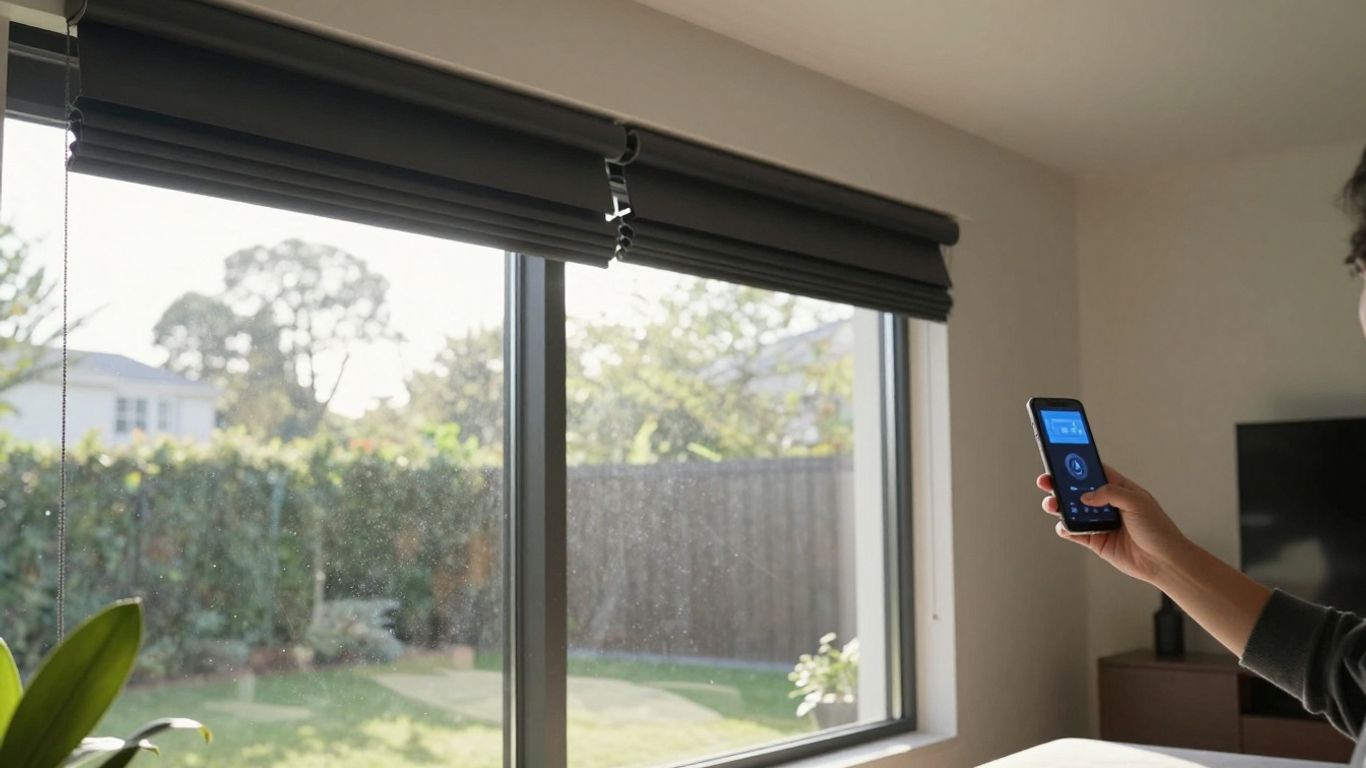
Identifying High-Intent Search Terms
When people search for motorized shades, they're often past the "just browsing" stage. They're looking for solutions. Think about what someone would type into Google when they're ready to buy or at least seriously consider. Words like "buy motorized blinds," "smart shades price," or "automatic window coverings installation" show a clear intention. These are the goldmines for your ad campaigns.
Focusing on these high-intent keywords means you're showing your ads to people who are most likely to become customers. It's about catching them when they're actively looking for what you sell.
Utilizing Long-Tail Keywords for Specificity
Sure, broad terms like "smart blinds" get a lot of searches, but they also bring in a lot of irrelevant clicks. That's where long-tail keywords come in. These are longer, more specific phrases that people use when they know exactly what they want. For example, instead of just "motorized shades," someone might search for "battery powered motorized roller shades for large windows" or "smart shades compatible with Alexa for bedroom." These phrases are less common, but the people searching them are usually very clear about their needs. This specificity helps you attract a more qualified audience and can often lead to better conversion rates because you're directly answering their specific query.
Here are some examples of long-tail keywords:
- "smart blinds for slanted windows installation"
- "quiet motorized blackout shades for nursery"
- "app controlled window shades for home office"
- "custom motorized roman shades online"
Negative Keywords to Refine Your Reach
Just as important as knowing what keywords to target is knowing which ones to avoid. Negative keywords tell Google Ads not to show your ads when certain words are included in a search query. This is super helpful for saving money and making sure your ads are seen by the right people. For instance, if you sell high-end motorized shades, you might want to add negative keywords like "DIY," "cheap," "free," or "repair" to avoid attracting people who aren't your target market.
Think of negative keywords as a filter. They help you sift through the noise and focus your ad spend on searches that actually matter to your business. It's a simple step that can make a big difference in your campaign's efficiency and overall success.
Here's a quick look at some common negative keyword categories for motorized shades:
- DIY/Repair: "how to fix," "DIY installation," "repair kit," "parts"
- Free/Cheap: "free plans," "cheap alternatives," "discount codes" (unless you offer them)
- Competitor Brands (if not targeting them): Specific competitor names
- Irrelevant Products: "curtains," "blinds cleaning," "manual shades"
Optimizing Landing Pages for Smart Home Conversions
So, you've got people clicking on your Google Ads for motorized shades. That's great! But what happens when they land on your website? If your landing page isn't set up right, all those ad clicks could be going to waste. We need to make sure that page does its job and actually turns visitors into customers or leads. It’s not just about looking pretty; it’s about guiding people to take the next step.
Designing User-Friendly and Informative Pages
First things first, the page needs to be easy to use. Nobody wants to hunt around for information. Think about it: if you click an ad for smart blinds, you want to quickly see what you're getting and how it works. Your page should load fast, look good on a phone (because lots of people shop on their phones!), and have clear headings that tell people what they're looking at. The text should be simple and direct. No one wants to read a novel to figure out if your shades are right for them.
- Clear Headline: Make sure the headline on the page matches the ad they clicked. If the ad said "Smart Shades for Your Living Room," the page should say that too.
- Easy Navigation: If you have multiple products or options, make it simple to find them. A clean menu or clear links work wonders.
- Contact Info: Make it super obvious how to get in touch. A phone number or a contact form should be right there.
Showcasing Smart Home Compatibility Features
This is where you really sell the 'smart' part. People looking for motorized shades are often already into smart home tech. They want to know if your shades will work with their existing setup. Don't just say 'smart compatible'; show them how.
- List Integrations: Clearly list the smart home systems your shades work with. Think Alexa, Google Assistant, Apple HomeKit, SmartThings, etc.
- Explain the Benefits: How does this compatibility make their life easier? Mention voice control, app control, scheduling, and integration with other smart devices (like lights turning off when shades close).
- Visual Proof: If possible, show short videos or GIFs of the shades working with these systems. Seeing is believing!
People are buying convenience and a modern lifestyle. Your landing page needs to paint that picture clearly and quickly. Show them how your shades fit into their connected home and simplify their daily routines.
Streamlining the Path to Purchase or Inquiry
Once someone is interested, you need to make it as easy as possible for them to buy or ask questions. Don't make them jump through hoops. The goal is to reduce friction at every step.
Here’s a quick look at what makes a good conversion path:
| Action | Description |
|---|---|
| Add to Cart | A clear "Add to Cart" button, especially for standard sizes or options. |
| Request a Quote | A simple form for custom orders or professional installation quotes. |
| Schedule a Demo | For higher-end systems, offer a virtual or in-person demonstration. |
| Download Brochure | A PDF with more details for those who want to research further. |
Think about what you want the visitor to do. Do you want them to buy right away? Or is it more likely they'll need a quote or consultation first? Design your page to guide them towards that specific action. A cluttered page with too many options can confuse people and lead them to leave without doing anything.
Leveraging Google Ads Campaign Types for Motorized Shades
Choosing the right Google Ads campaign type is like picking the right tool for a job. You wouldn't use a hammer to screw in a lightbulb, right? The same applies here. Different campaign types are built for different goals, and for motorized shades, we want to make sure we're hitting the right audience at the right time.
Search Campaigns for Immediate Demand
When someone is actively looking for motorized shades, they're probably typing specific things into Google. Think "smart blinds for bedroom" or "automatic window shades remote control." Search campaigns are perfect for this. They put your ad right in front of people who are already showing interest by searching for terms related to your product. This is where you capture those high-intent buyers who are ready to make a decision.
- Focus on High-Intent Keywords: Target terms like "buy motorized shades," "smart shade installation," or specific brand names if you sell them.
- Use Ad Extensions: Things like sitelinks to specific product pages, call extensions for easy contact, and price extensions can make your ad stand out and give users more information upfront.
- Keep Bids Competitive: Since these are people ready to buy, you'll likely need to bid a bit higher to get your ad seen.
Performance Max for Broader Reach
Performance Max campaigns are Google's way of saying, "Let us handle the complexity." You give Google a lot of information about your product, your audience, and your goals, and it uses machine learning to show your ads across all of Google's channels: Search, Display, YouTube, Gmail, Discover, and Maps. It's great for finding new customers you might not have thought of.
- Provide Rich Assets: Upload high-quality images, videos, and compelling text. The more good stuff you give it, the better it can perform.
- Define Your Audience Signals: Tell Google who you think your ideal customer is. This helps the machine learning get started on the right foot.
- Set Clear Goals: Whether it's sales, leads, or website traffic, make sure your campaign goal is clearly defined.
Performance Max is designed to find converting customers across all of Google's inventory. It's a good option when you want to expand beyond just search and reach people who might not be actively searching but are still good potential buyers.
Display Campaigns for Brand Awareness
Sometimes, people don't know they need motorized shades until they see them. Display campaigns put your ads on websites, apps, and videos that your target audience visits. This is more about getting your brand and product in front of people who fit the smart home buyer profile, even if they aren't searching for shades right now. It builds recognition and keeps you top-of-mind for when they do start looking.
- Targeting Options: Use demographic targeting, interest-based targeting (like "smart home technology" or "home automation"), and custom intent audiences.
- Visually Appealing Ads: Since these are image-based ads, make sure your creatives are attractive and clearly show the benefits of motorized shades: convenience, style, energy savings.
- Remarketing: Show ads to people who have already visited your website but didn't buy. They've shown interest, so a gentle reminder can be effective.
Measuring Success and Iterating Your Motorized Shade Campaigns
So, you've set up your Google Ads campaigns for motorized shades, targeting those smart home folks. That's great! But how do you know if it's actually working? You can't just set it and forget it. We need to look at the numbers and make smart adjustments. Tracking your results is just as important as launching the campaign itself.
Key Performance Indicators for Smart Home Products
When we talk about what's working, we're looking at a few specific things. These are the metrics that tell us if people are actually interested and if they're taking the next step.
- Click-Through Rate (CTR): This shows how many people see your ad and actually click on it. A higher CTR usually means your ad is grabbing attention.
- Conversion Rate: This is huge. It measures how many people who click your ad go on to do what you want them to do, like fill out a contact form or request a quote.
- Cost Per Acquisition (CPA): How much does it cost you, on average, to get one customer? We want this number to be as low as possible while still getting good results.
- Return on Ad Spend (ROAS): This is the money you make back for every dollar you spend on ads. It's the ultimate measure of profitability.
Analyzing Conversion Data Effectively
Looking at the raw numbers is one thing, but understanding what they mean is another. You need to dig a bit deeper.
For example, are people clicking on your ads but then bouncing off your landing page? That might mean the page isn't what they expected, or it's not easy to use. Or maybe your ads are bringing in a lot of clicks, but very few actual leads. This could point to your targeting being a bit off, or your ad copy not being clear enough about what you offer.
It's easy to get lost in all the data Google Ads provides. The trick is to focus on the metrics that directly relate to your business goals. If your goal is to get more quote requests, then conversion rate and CPA for quote requests are your most important numbers. Don't get distracted by vanity metrics that don't actually help you grow.
A/B Testing Ad Creatives and Landing Pages
This is where the real magic happens. You can't know what's best unless you test it. A/B testing, also called split testing, is simply showing two different versions of something to see which one performs better. You could test different headlines, different ad images, or even different layouts on your landing page. For instance, you might test an ad that focuses on convenience versus one that highlights the style of the shades. Or, you could test a landing page with a prominent video versus one with a detailed spec sheet. This kind of testing helps you make data-driven decisions instead of just guessing. It’s how companies like Lantern Room Marketing help clients improve their online presence.
Here's a simple way to think about A/B testing:
- Identify one element to test: Don't try to change too many things at once. Pick one thing, like the call-to-action button text on your landing page.
- Create two versions: Version A is your current page. Version B has the changed element (e.g., "Get a Free Quote" vs. "Request Your Consultation").
- Run the test: Google Ads will show Version A to some users and Version B to others.
- Analyze the results: See which version gets more clicks or conversions.
- Implement the winner: Make the better-performing version your standard, and then start a new test.
By consistently testing and refining your ads and landing pages, you'll get more people interested in your smart motorized shades and, ultimately, more customers.
Wondering how well your motorized shade ads are doing? It's super important to keep an eye on your results and make smart changes. Don't just set it and forget it! See how your campaigns are performing and learn how to make them even better. Ready to boost your shade sales? Visit our website today to discover how!
Wrapping It Up
So, if you're selling motorized shades and want to connect with folks building out their smart homes, Google Ads is definitely a tool to consider. It’s not just about throwing money at ads; it’s about showing up when people are actively looking for solutions like yours. Think about who you're trying to reach: the tech-savvy homeowner, the person upgrading their place, or maybe someone just wanting a bit more convenience. Tailor your ads to speak directly to them. Use keywords that match their searches, and make sure your landing pages are clear and easy to use. It takes some tweaking, sure, but getting your motorized shades in front of the right eyes on Google can really make a difference for your business.
Frequently Asked Questions
Who is the best customer for smart motorized shades?
Think about people who love new tech and making their homes 'smart.' They probably already have smart lights, speakers, or thermostats. They like things that are easy to use and look cool. Basically, anyone who enjoys convenience and modern living is a great fit.
What makes a Google Ad for shades really grab attention?
You need a catchy headline that tells people what's great about the shades, like 'Control Your Light with Your Voice!' The ad text should explain how they work with smart home stuff, like Alexa or Google Home. Showing a picture or video of the shades moving smoothly and looking stylish also helps a lot.
What words should I use when searching for customers who want motorized shades?
Use words people actually type into Google when they're ready to buy. Think 'smart window blinds,' 'automatic shades for home,' or 'motorized roller shades.' Also, try more specific phrases like 'battery-powered smart shades' or 'shades that work with Google Assistant' to find exactly who you're looking for.
How do I make my website page for these shades convert visitors into buyers?
Your webpage needs to be super easy to understand and look good. Clearly show how the shades connect with smart home systems. Make it simple for people to ask questions or buy the shades right away. Big, clear buttons help a lot!
What are the best ways to run Google Ads for motorized shades?
For people actively searching, use 'Search Ads.' To reach a wider audience, try 'Performance Max' which uses AI across Google's network. 'Display Ads' are good for showing off how nice the shades look to people who might not be searching yet, building brand awareness.
How do I know if my Google Ads are working well?
Keep an eye on important numbers like how many people click your ads (click-through rate) and how many actually buy or ask for info (conversions). Also, test different ad pictures and website pages to see what works best. This helps you spend your money smarter.