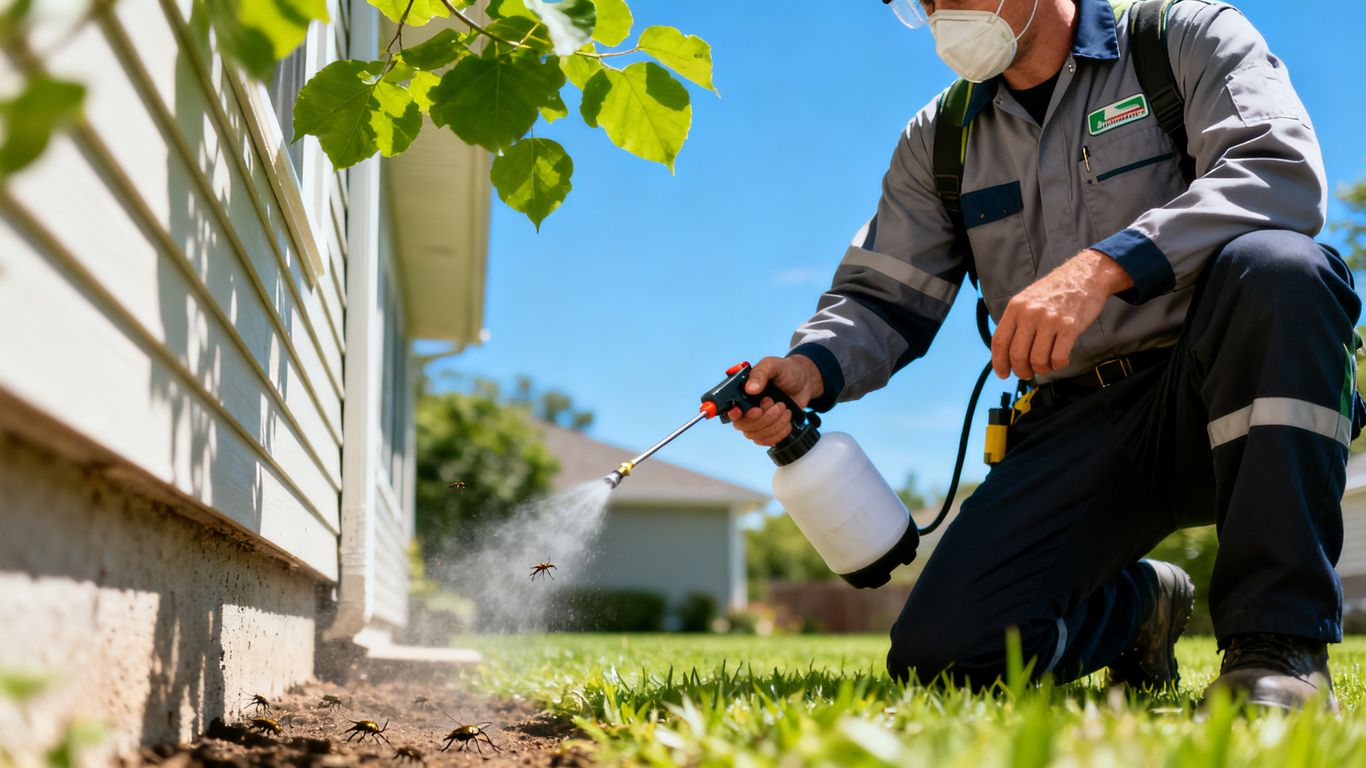
Here are the main things to remember when using Google Ads for your pest control business. These points will help you get more calls and grow your business.
Key Takeaways
- Use specific keywords for urgent problems (like 'roach exterminator now') and for regular services (like 'annual pest prevention').
- Set up your ad groups so emergency ads are separate from maintenance ads. This helps people see what they need.
- Make sure your ads and landing pages are clear and easy to use, especially on mobile phones.
- Use location details in your ads to reach people nearby who need fast service.
- Track your results closely to see which keywords bring in the most customers and adjust your spending.
Capturing Urgent Needs With Emergency Pest Control Keywords
When a pest problem strikes, people don't usually wait. They need help, like, yesterday. That's where emergency pest control keywords come in. Think about it: a homeowner finds a wasp nest the size of a grapefruit on their porch, or a business discovers a rat infestation in the kitchen. They're not browsing for long-term solutions; they're typing "pest control near me now" into Google.
Identifying High-Intent Emergency Search Terms
These are the phrases people use when they're in a panic. They're looking for immediate action. Some common ones include:
- Pest control emergency service
- 24-hour exterminator
- Urgent rodent removal
- Bed bug exterminator same day
- Emergency ant control
- Wildlife removal immediately
The key is to think like someone who is stressed and needs a solution fast. They're less likely to use broad terms and more likely to include words like "urgent," "emergency," "now," or "24 hour." You can find these by looking at what your competitors are bidding on, or by using keyword research tools that show search volume for these specific phrases. It's all about catching those folks who need help right away, which is a big part of Google Ads for pest control.
Structuring Emergency Service Ad Groups
To really nail this, you need to organize your Google Ads account. Create separate ad groups for different types of emergency services. For example, have one for "emergency rodent control" and another for "emergency bee removal." This way, when someone searches for "urgent rat exterminator," they see an ad specifically about rat extermination, not just a general pest control ad. This makes your ad much more relevant.
Here’s a simple way to structure it:
- Ad Group 1: Emergency Rodent Control
- Keywords: urgent rat removal, emergency mouse exterminator, fast rodent control
- Ad Group 2: Emergency Wasp/Bee Removal
- Keywords: emergency wasp nest removal, bee exterminator now, urgent hornet control
- Ad Group 3: Emergency Bed Bug Treatment
- Keywords: bed bug exterminator emergency, same day bed bug treatment, urgent bed bug service
This focused approach helps your ads show up for the exact problem someone is facing.
Crafting Compelling Emergency Ad Copy
Your ad copy needs to scream "We can help, and we can help NOW!" Use strong calls to action and highlight your availability. Mentioning things like "24/7 Service" or "Rapid Response Team" can make a big difference. People want to know you're ready to go.
When writing emergency ads, focus on speed, availability, and solving the immediate problem. People searching for emergency services are often in distress and need reassurance that help is on the way quickly.
Here are some elements to include:
- Headline: "Emergency Pest Control - 24/7 Service" or "Urgent Rodent Removal - Call Now!"
- Description: "Fast, reliable pest solutions for urgent situations. Our expert team is ready to respond day or night. Get immediate relief from pests."
- Call to Action: "Call for Immediate Service," "Get a Free Emergency Quote," or "Book Emergency Appointment."
Remember, the goal is to get that phone call or form submission as quickly as possible. People searching for emergency help aren't looking to compare prices for weeks; they want a solution now. Making it easy for them to contact you is half the battle. For more on getting found online, check out pest control SEO strategies.
Leveraging Google Ads For Immediate Pest Solutions
When a pest problem hits, people don't usually wait. They need help now. That's where Google Ads can be a lifesaver for your pest control business. We're talking about getting in front of folks who are actively searching for a solution to an urgent issue. It’s about being the first name they see when they're freaking out about ants in the kitchen or a wasp nest by the door.
Targeting Keywords for 'Pest Control Near Me Now'
This is where the rubber meets the road for emergency services. You want to catch those searches that scream urgency. Think about what someone types when they're in a panic. It's not just 'pest control'; it's 'pest control near me now,' 'emergency exterminator,' or 'urgent rodent removal.' These are high-intent keywords, meaning the person typing them is ready to book a service. Focusing on these terms helps you show up when it matters most. It's a smart way to capture immediate needs, and you can find more about this approach in strategies for pest control businesses.
Utilizing Location Extensions for Rapid Response
When someone searches for 'pest control near me now,' they aren't looking for a company across the state. They need someone local, and they need them fast. That's why location extensions are a big deal. They slap your business address, phone number, and a map right onto your ad. This makes it super easy for potential customers to see you're nearby and to call you directly from the search results. It cuts down on the steps they need to take, which is key when they're in a hurry.
Optimizing Bids for Time-Sensitive Inquiries
For those 'need it yesterday' searches, you might need to adjust your bidding strategy. This means being willing to pay a bit more for clicks on those high-urgency keywords. You're competing for someone who is likely to convert quickly. It's a calculated move to get your ad seen by the most motivated customers. Think about it: if a bed bug infestation is discovered late at night, the homeowner is probably willing to pay a premium for immediate relief. Adjusting bids helps you win those valuable, time-sensitive impressions. It's about being competitive when the stakes are high, much like how businesses in Dubai might look for digital marketing services to gain a competitive edge.
- Identify your most urgent keywords: Focus on terms like 'emergency,' 'immediate,' 'urgent,' and 'now.'
- Set higher bids for these terms: Be prepared to pay more for clicks that signal immediate need.
- Monitor performance closely: Track which urgent keywords are bringing in the most calls and bookings.
- Use ad scheduling: If you offer 24/7 emergency services, make sure your ads are running all the time.
When a pest emergency strikes, the customer's primary goal is rapid resolution. Your Google Ads campaign should reflect this urgency by targeting specific keywords and making it incredibly easy for them to contact you immediately. Speed and accessibility are paramount in these situations.
Proactive Pest Management Through Maintenance Keywords
While emergency calls grab immediate attention, the real bread and butter for many pest control businesses comes from regular, preventative services. Think about it: homeowners and businesses want to avoid those frantic, late-night calls. They're looking for someone they can trust to keep pests away before they become a problem. This is where maintenance keywords come into play. Focusing on these terms helps you capture clients who are thinking long-term about their property's health.
Discovering Keywords for Preventative Services
When people are looking for ongoing pest control, their search terms change. They're not usually typing "pest emergency now." Instead, they might search for things like:
- "annual pest control service"
- "monthly pest prevention"
- "termite inspection plan"
- "spider control contract"
- "rodent prevention for homes"
- "seasonal pest treatment"
These searches show a clear intent for regular service, not an immediate crisis. It’s a good idea to look at what your competitors are doing, too. What terms are they bidding on for their maintenance plans? You can also use tools like Google Keyword Planner to find related terms that people are actually searching for. This is a great way to find new opportunities, maybe even for services you hadn't considered heavily before, like seasonal pest treatment.
Building Ad Groups for Recurring Treatments
Just like with emergency services, you'll want to organize your ad groups logically. A good approach is to create separate ad groups for different types of maintenance plans or common preventative needs. For example, you could have an ad group for general home pest prevention, another for termite monitoring, and perhaps a third for rodent control plans. This allows you to tailor your ad copy and landing pages more precisely to what the searcher is looking for. It makes your ads more relevant, which usually means better performance and lower costs.
Here’s a simple way to structure it:
- Ad Group 1: General Home Pest Prevention (Keywords: "home pest control plan", "annual bug service")
- Ad Group 2: Termite Prevention & Monitoring (Keywords: "termite inspection plan", "prevent termites contract")
- Ad Group 3: Rodent Control Plans (Keywords: "rodent prevention service", "rat control contract")
Highlighting Long-Term Value in Ad Messaging
Your ad copy for maintenance services needs to speak to the benefits of prevention. Instead of focusing on speed, emphasize peace of mind, cost savings over time, and protecting their property. Mention things like:
- Regularly scheduled visits
- Protection against common household pests
- Expert advice on keeping pests away
- Specialized plans for seasonal issues
People often think of pest control only when they see a bug. But the smartest homeowners and business owners know that a little bit of prevention goes a long way. It saves them money in the long run and stops those stressful infestations before they even start. That's the message you want to get across with your maintenance keyword campaigns.
When someone searches for a maintenance plan, they're looking for reliability and a good deal. Show them why your service is the smart choice for ongoing protection. Think about offering a discount for signing up for an annual contract, or perhaps a free initial inspection when they commit to a plan. This kind of messaging can really make your ad stand out from the competition, especially when you're competing against companies that only focus on emergency fixes. It's about building trust and showing you're a partner in keeping their property pest-free year-round, much like how Regenesis Roofing focuses on long-term property protection.
Strategic Keyword Grouping For Pest Control Campaigns
Alright, so you've got your keywords, but just throwing them all into one big bucket? That's a recipe for wasted money and missed opportunities. We need to get smart about how we group these terms, especially in the fast-paced world of pest control advertising. Think of it like organizing your toolbox – you wouldn't just toss all your wrenches and screwdrivers together, right? The same logic applies here to make your Google Ads campaigns actually work.
Separating Emergency vs. Maintenance Intent
This is probably the biggest one. People searching for "emergency ant exterminator" have a problem right now. They need someone on their doorstep ASAP. On the other hand, someone looking for "annual rodent inspection" is thinking about prevention. They're planning ahead. These two mindsets require different approaches in your ad groups.
- Emergency Searches: Focus on speed, availability, and immediate solutions. Keywords like "pest control near me now," "urgent spider removal," or "24/7 cockroach service" fit here.
- Maintenance Searches: Highlight long-term benefits, reliability, and cost-effectiveness. Think "preventative termite treatment," "monthly pest control plan," or "seasonal bug service."
Trying to serve both needs with the same ad and landing page is like offering a band-aid for a broken bone – it just doesn't fit.
The Power of Negative Keywords for Efficiency
Negative keywords are your best friends when it comes to saving money. They tell Google what not to show your ads for. For example, if you don't offer wildlife trapping, you'd add "raccoon," "opossum," and "skunk" as negative keywords to your general pest control campaigns. This stops you from paying for clicks from people looking for something you don't provide. It's a simple way to filter out irrelevant traffic and keep your budget focused on actual potential customers. A solid negative keyword list is a hallmark of a well-run Google Ads strategy.
Matching Keywords to Specific Pest Problems
Beyond just emergency versus maintenance, you can get even more granular. Grouping keywords by the specific pest problem they address can significantly boost your ad's relevance. If someone searches for "bed bug heat treatment," they don't want to see an ad for general pest control. They want to see an ad that specifically talks about bed bugs and your solution for them.
Consider these groupings:
- Ants: "ant exterminator," "sugar ant control," "carpenter ant treatment"
- Rodents: "rat removal service," "mouse exterminator cost," "squirrel control"
- Termites: "termite inspection," "subterranean termite treatment," "wood destroying insect report"
This level of detail allows you to tailor your ad copy and landing pages precisely to what the searcher is looking for, making them much more likely to convert. It's all about speaking their language and showing them you have the exact solution they need, whether it's for an immediate crisis or a long-term concern. It's a bit like how some people find relief for chronic pain and sleep issues through specific treatments, rather than a one-size-fits-all approach. Chiropractic adjustments are an example of a targeted solution for certain health concerns.
Proper keyword grouping isn't just about organization; it's about understanding customer intent at a granular level. By segmenting your campaigns based on urgency, service type, and specific pests, you create a more relevant and efficient advertising system. This targeted approach leads to higher click-through rates, better conversion rates, and ultimately, a stronger return on your ad spend.
Optimizing Landing Pages for Pest Control Conversions
So, you've got people clicking on your ads – that's great! But what happens when they land on your website? If your landing pages aren't set up right, all that ad spend could be going to waste. Think of your landing page as the handshake after the introduction; it needs to be firm and welcoming.
Designing Emergency Service Landing Pages
When someone's dealing with a pest emergency, they're probably stressed and need help now. Your landing page needs to reflect that urgency. The most important thing is making your phone number super visible. People searching for emergency services are often on their phones and need to call you immediately.
Here’s what makes a good emergency landing page:
- Clear Headline: Immediately state you offer emergency pest control.
- Prominent Contact Info: Phone number at the top, maybe even a sticky header on mobile.
- Fast Service Promise: Mention quick response times.
- Service Area: Clearly list the areas you cover for immediate help.
- Simple Form: If you use a form, keep it short – name, phone, and a brief description of the problem.
It's all about making it as easy as possible for someone in a panic to get the help they need. A page that's hard to use will just make them look for someone else. Improving the conversion rate, for example, from 2% to 4%, can effectively double your revenue from that page [c93d].
Creating Dedicated Pages for Maintenance Plans
For maintenance keywords, the user isn't in a panic. They're thinking about the future and preventing problems. Your landing page should focus on the benefits of ongoing service. What problems does regular treatment solve? How does it save them money or hassle in the long run?
- Highlight Benefits: Focus on peace of mind, preventing future infestations, and protecting property.
- Explain the Process: Detail what a typical maintenance visit involves.
- Offer Options: Show different plan levels or frequencies.
- Testimonials: Social proof from happy, long-term clients can be very persuasive.
- Clear Call to Action: Encourage scheduling a consultation or signing up for a plan.
These pages should build trust and demonstrate reliability. It's less about immediate action and more about long-term value and partnership.
Ensuring Mobile-First Experience for On-the-Go Searches
Let's be real, most people searching for pest control, especially in an emergency, are doing it on their phones. If your landing page looks terrible or is impossible to use on a small screen, you're losing business. Mobile-first design means thinking about the mobile experience from the very beginning, not as an afterthought.
- Fast Loading Speed: Mobile users are impatient. Optimize images and code.
- Large, Clickable Buttons: Make it easy to tap buttons and links.
- Readable Text: Use font sizes that are easy to read without zooming.
- Simple Navigation: If users need to navigate, keep it straightforward.
Think about how you use your phone. You want things quick, easy, and straightforward. Your pest control landing pages should be no different. This is a key part of your overall digital marketing strategies.
Measuring Success: Tracking Pest Control Ad Performance
So, you've set up your Google Ads campaigns, right? You've got keywords for those frantic 'emergency pest control now' searches and others for folks looking for regular upkeep. That's great, but how do you know if it's actually working? You can't just set it and forget it. We need to look at the numbers.
Key Metrics for Emergency Pest Control Ads
When someone's dealing with a sudden pest problem, they want help fast. Your ads need to reflect that urgency, and your tracking should show if you're meeting that need. Here's what to watch:
- Call Volume: For emergency services, phone calls are usually the main goal. Are you getting more calls directly from your ads? Track this closely.
- Conversion Rate (Calls): This tells you what percentage of people who saw your ad actually picked up the phone. A higher rate means your ad and landing page are doing their job.
- Cost Per Lead (CPL): How much are you paying for each phone call or form submission that comes from an emergency keyword? You want this number to be as low as possible while still getting quality leads.
- Ad Position: Where do your ads show up for these urgent searches? Being at the top means more visibility when people are desperate.
The goal with emergency ads is speed and reliability. People searching for immediate help aren't browsing; they're acting. Your metrics should reflect how quickly you can connect with and serve these high-need customers.
Analyzing Conversion Rates for Maintenance Services
Maintenance keywords are a different ballgame. People searching for 'annual pest inspection' or 'preventative rodent control' aren't usually in a panic. They're planning. This means your conversion goals might be different, and so will your analysis.
- Form Submissions: While calls are still good, many people looking for ongoing services might prefer to fill out a contact form to get more information or a quote.
- Quote Requests: Are people asking for pricing or detailed service plans? This is a strong indicator of interest in maintenance.
- Lead Quality: For maintenance, not all leads are equal. Are the leads you're getting actually interested in recurring services, or are they just price shopping?
- Click-Through Rate (CTR): A good CTR on maintenance keywords shows your ad copy is appealing to people looking for proactive solutions. You can find some great Google Ads agencies that focus on this.
Attributing Leads to Specific Keyword Performance
This is where things get really interesting. You need to know which keywords are actually bringing in the business, both for emergencies and maintenance. Simply running ads isn't enough; you need to understand the ROI of each keyword.
Here’s a breakdown of how to track this:
- Use Unique Tracking Numbers: Set up different phone numbers for different campaigns or even keyword groups. This way, you know exactly where a call came from.
- Implement Conversion Tracking: Google Ads has built-in tools to track form submissions and calls. Make sure these are set up correctly.
- Analyze Search Terms Report: This report shows you the actual search queries people used that triggered your ads. It's gold for finding new keyword ideas and spotting irrelevant searches to add as negative keywords.
- Review Landing Page Performance: Are people clicking your ad but then leaving your landing page immediately? This suggests a mismatch between your ad and the page content, or perhaps the page isn't meeting their needs. For pest control, Levy Online has some good insights on conversion-focused websites.
Looking at these metrics regularly helps you tweak your campaigns, spend your budget wisely, and ultimately, get more customers for your pest control business. It’s all about making your ad spend work harder for you.
Wondering how well your pest control ads are doing? It's super important to keep an eye on them! We help you see what's working and what's not, so you can make smart choices. Want to learn more about how we track ad success and boost your business? Visit our website today!
Conclusion
So, when you're setting up your Google Ads for pest control, remember to think about both the folks who need help right now and those who want to stop problems before they start. Using the right keywords for emergency calls and for regular check-ups will make a big difference. Don't forget to make your ads and website easy to use, especially on phones, because people often search for pest control when they're in a bind. Keep an eye on what's working, tweak your ads, and you'll see better results. It's all about being there for your customers, whether it's an emergency or just routine care.
Frequently Asked Questions
What are emergency pest control keywords?
These are the words people type into Google when they have a pest problem *right now* and need help fast. Think terms like 'emergency ant removal' or 'spider exterminator same day'.
Why should I split emergency and maintenance keywords?
People searching for 'pest control near me now' have an urgent need. Those looking for 'annual pest inspection' are planning ahead. Keeping these separate helps you show the right ad to the right person at the right time.
What's a 'negative keyword'?
Negative keywords tell Google not to show your ad for certain searches. For example, if you don't offer 'DIY pest control kits', you'd add that as a negative keyword so people looking for kits don't see your ad.
Why are mobile-friendly landing pages important?
Many people search for pest control services on their phones, especially in an emergency. If your website is hard to use on a small screen, they'll likely go to a competitor.
How do location extensions help?
Location extensions show your business address, phone number, and a map right in your ad. This is super helpful for people looking for a local service they can call immediately.
What does 'optimizing bids' mean?
It means adjusting how much you're willing to pay for clicks on your ads. For emergency keywords, you might bid higher because those customers are often ready to hire right away.