How Much Should a Countertop Company Spend on Marketing in 2025?

Thinking about your countertop marketing budget for 2025? It's a big question, and honestly, there's no single number that fits everyone. What works for a small shop just starting out will look totally different for a company doing millions in sales. We're going to break down how to figure out what makes sense for *your* business, looking at where your money goes and what actually brings in customers. We'll cover the online ads that work, how to make your website a lead-generating machine, and how to track if it's all paying off. Let's get your 2025 marketing plan sorted.
Key Takeaways
- Figure out what you want to achieve first. More leads? Higher sales? Your goals shape your spending.
- Look at what you did last year. What worked, what didn't? Don't spend money on things that flopped.
- Know who you're trying to reach. Targeting the right people saves money and gets better results.
- Google Ads and Meta Ads are solid bets for getting leads and building your name, but don't forget newer places like TikTok if your audience is there.
- Track everything. If you don't know where your money is going and what it's doing, you're just guessing.
Establishing Your Countertop Marketing Budget 2025
Alright, let's talk about setting up your marketing budget for 2025. It's not just about throwing money at ads and hoping for the best. You need a plan, a solid one. Think of it like building a beautiful kitchen: you wouldn't just start slapping cabinets together, right? You need blueprints, measurements, and a clear idea of what you want the finished product to look like.
Understanding Your Business Goals
First things first, what are you trying to achieve next year? Are you looking to get more leads for kitchen remodels, push a specific type of countertop material, or maybe expand into a new service area? Your marketing budget needs to directly support these objectives. If your main goal is to book 20% more installation jobs, your marketing efforts should be geared towards generating qualified leads, not just getting likes on social media.
Here are some common goals countertop businesses aim for:
- Increase overall sales revenue by X%.
- Generate Y number of qualified leads per month.
- Launch and promote a new countertop material or service.
- Improve brand recognition in specific neighborhoods.
- Increase repeat business and customer referrals.
Analyzing Past Marketing Performance
Before you decide where your money goes, take a good look at what you've done before. What worked? What definitely didn't? Maybe that local newspaper ad you ran last spring brought in a few calls, but the Facebook campaign you spent a fortune on barely made a ripple. Dig into your data. If you have it, great. If not, start collecting it now. You need to know where your marketing dollars have been most effective.
Consider these questions:
- Which marketing channels brought in the most leads last year?
- What was the cost per lead for each channel?
- Which campaigns resulted in actual sales?
- Were there any marketing efforts that seemed to waste money?
Defining Your Target Audience
Who are you trying to reach? Are you selling high-end granite to luxury homeowners, or affordable laminate to first-time buyers? Knowing your ideal customer helps you spend your marketing money wisely. You don't want to waste cash advertising quartz countertops on a platform where mostly people looking for budget vinyl flooring hang out. Get specific. Think about demographics like age, income, location, and even their interests. What kind of homes do they live in? What are their pain points when it comes to kitchen renovations?
Understanding your ideal customer isn't just about demographics; it's about knowing their needs, their budget, and where they look for information when they're ready to make a purchase. This insight guides every marketing decision you make.
By clearly defining your goals, reviewing past performance, and knowing exactly who you're talking to, you'll be in a much better position to build a marketing budget that actually works for your countertop business in 2025.
Key Digital Marketing Channels for Countertop Businesses
So, you've got your marketing budget set for 2025, and now you're wondering where to put that money to actually get people calling about new countertops. It's not just about being online; it's about being online where your potential customers are looking. For countertop businesses, certain digital channels tend to work better than others. Let's break down a few of the big ones.
Leveraging Google Ads for Lead Generation
When someone needs a new kitchen or bathroom countertop, what's the first thing they usually do? They Google it. That's where Google Ads comes in. Think of it as putting your business right in front of people who are actively searching for what you sell, right when they're ready to buy. You can target specific keywords like "quartz countertops near me" or "granite installation cost." This means you're not just showing ads to anyone; you're showing them to people who have a clear need.
- Targeting by Location: Make sure your ads only show up to people in your service area. No point paying for clicks from folks who are hundreds of miles away.
- Keyword Research: Spend time figuring out what terms people actually use. "Kitchen remodel ideas" might be too broad, but "new kitchen countertops" is probably a winner.
- Ad Copy: Write clear, compelling ad text that highlights your unique selling points: maybe it's fast installation, a wide selection, or special financing.
Google Ads can feel a bit like a bidding war, but when done right, it's one of the most direct ways to get qualified leads. It's about showing up when it matters most.
Maximizing Meta Ads for Brand Awareness
While Google Ads is great for immediate leads, Meta Ads (that's Facebook and Instagram) are fantastic for building your brand and reaching people who might not be actively searching yet but could be interested. You can target users based on demographics, interests (like home renovation or interior design), and even behaviors. This is where you can show off beautiful finished projects and get people dreaming about their own kitchen upgrades. Visuals are king here, so high-quality photos and videos of your best work are a must.
Exploring TikTok and Spotify Advertising
These platforms might seem a little outside the box for a countertop business, but hear me out. TikTok has a massive audience, and if you can create engaging, short-form video content showing off transformations or behind-the-scenes looks at your process, you might surprise yourself with the reach. Spotify, on the other hand, allows for audio ads that can target specific listener demographics and interests. Imagine reaching homeowners who are listening to home improvement podcasts or music playlists.
- TikTok: Focus on quick, visually appealing content. Before-and-after shots work well. Think about trends and how you can adapt them.
- Spotify: Target users interested in home decor, DIY, or renovation. Audio ads need to be concise and memorable.
These newer channels are less about immediate sales and more about getting your name out there and building recognition over time. It's a different kind of investment, one that pays off in the long run by making your brand more familiar when people eventually do start searching for countertop services.
Optimizing Your Countertop Marketing Spend
So, you've got your marketing budget set for 2025, and you're ready to spend it. But how do you make sure that money actually works for you? It's not just about throwing cash at ads; it's about being smart with every dollar. We need to talk about getting the most bang for your buck, which means looking at what's working and what's not.
Creative Strategies That Convert
Think about your ads. Are they just showing off pretty countertops, or are they telling a story? People buy solutions, not just slabs of quartz. Your marketing needs to connect with their problems: maybe their old kitchen is falling apart, or they're just dreaming of a modern look. A compelling visual paired with a clear benefit is way more effective than just a picture.
Here are a few ideas to get those creative juices flowing:
- Before & Afters: Show the dramatic transformation a new countertop brings. People love seeing the change.
- Customer Spotlights: Feature happy clients and their new kitchens. Real people, real results.
- Problem/Solution: Highlight common kitchen frustrations (stains, lack of space) and how your countertops fix them.
- Material Focus: Educate potential customers on the benefits of different materials like durability, maintenance, and style.
Effective Audience Targeting Techniques
Who are you trying to reach? If you're selling high-end granite, you probably don't want to be showing ads to people who are clearly looking for budget laminate. Getting specific is key.
- Demographics: Age, income, location: these are basics, but important.
- Interests: What are people interested in? Home renovation, interior design, cooking, DIY projects?
- Behaviors: Are they actively searching for home improvement services? Have they visited competitor websites?
- Lookalike Audiences: Once you know who your best customers are, platforms can help you find more people like them.
It's easy to get this wrong. I once saw an ad for luxury marble countertops pop up on my feed right after I'd been looking at cheap vinyl flooring. It was a total waste of that company's ad spend, and frankly, a little annoying.
Landing Page Optimization for Higher Conversions
Okay, so you've got a great ad, and someone clicks it. Where do they land? If it's your homepage, you might be losing them. A dedicated landing page, designed specifically for that ad campaign, is way better.
Your landing page should:
- Match the Ad: The message and visuals should be consistent with the ad they clicked.
- Have a Clear Call to Action (CTA): What do you want them to do? "Get a Free Quote," "Schedule a Consultation," "Download Our Catalog."
- Be Mobile-Friendly: Most people browse on their phones.
- Load Quickly: Nobody waits for slow pages.
- Minimize Distractions: Remove unnecessary links or navigation that could lead people away.
Think of your landing page as the final handshake. If it's firm and confident, you're likely to get a deal. If it's weak or confusing, the potential customer might just walk away before you even get a chance to talk.
By focusing on these areas, creative messaging, precise targeting, and optimized landing pages, you can make sure your marketing budget in 2025 isn't just spent, but invested wisely for real results.
Website and SEO: The Foundation of Your Countertop Business
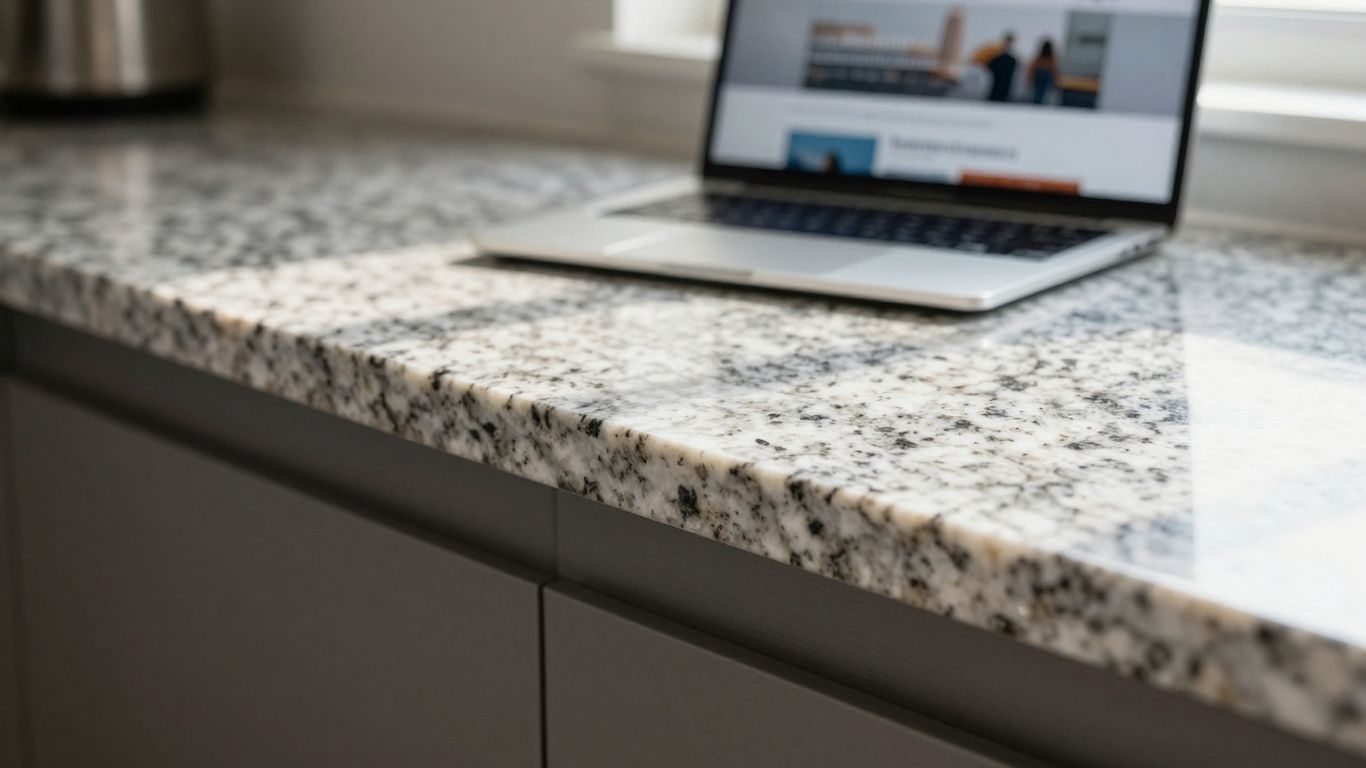
Think of your website as your digital showroom. It's where potential customers go to see what you offer, get a feel for your style, and decide if you're the right fit. If it's clunky, slow, or hard to use, they'll just click away. And that's a shame, especially if you've spent good money getting them there.
Building High-Converting Websites
Your website needs to do more than just look pretty. It has to work hard for you. This means making it easy for people to find what they need, whether that's pictures of your granite slabs or information on quartz installation. Here’s what makes a website convert visitors into leads:
- Clear Calls to Action: Tell people exactly what you want them to do next. Buttons like "Get a Free Quote" or "View Our Gallery" should be obvious.
- Mobile-Friendly Design: Most people browse on their phones these days. If your site looks bad or is hard to use on a small screen, you're losing business.
- Fast Loading Speed: Nobody waits around for a slow website. Optimize your images and code so pages load quickly.
- High-Quality Visuals: Show off your best work! Use professional photos of countertops you've installed.
Essential SEO Best Practices for Local Search
Getting found online is a big deal, especially for a local business like yours. Search Engine Optimization (SEO) is how you make sure people searching for "countertops near me" or "kitchen remodel [your city]" find you. For countertop companies, focusing on local SEO is key. This involves:
- Google Business Profile: Claim and optimize your listing. Make sure your address, phone number, and hours are correct. Encourage customer reviews.
- Local Keywords: Use terms people in your area actually search for. Think "granite countertops [town name]" or "quartz installer [county]."
- On-Page Optimization: Include your location and relevant keywords on your website pages, especially your homepage and service pages. This helps search engines understand where you are and what you do.
A well-optimized website acts as a 24/7 salesperson, attracting and engaging potential clients even when your office is closed. It's not just about looking good; it's about being found and making it easy for people to take the next step.
Integrating Website Performance with Ad Campaigns
Your website and your advertising efforts shouldn't be separate things. They need to work together. If you're running Google Ads for kitchen countertops, you want those ads to send people to a page on your website that's specifically about kitchen countertops. This is called landing page optimization, and it's super important. Sending ad traffic to your homepage is usually a waste of money. Make sure your website is ready to handle the traffic you're driving to it. Check out some SEO strategies that can help boost your visibility. When your website is fast, easy to use, and relevant to the ads people click, you'll see better results and get more leads without spending extra cash on ads that don't convert.
Measuring Success and Adjusting Your Countertop Budget
So, you've put your marketing dollars to work. Now what? It's not enough to just spend money; you've got to see if it's actually doing anything for your countertop business. This is where tracking what's working and what's not comes in. Without knowing your numbers, you're basically flying blind.
Key Performance Indicators for Countertop Marketing
What should you be looking at? It depends on your goals, but here are some common things countertop companies track:
- Leads Generated: How many potential customers are reaching out? This is often the most direct measure of marketing success for sales-driven businesses.
- Cost Per Lead (CPL): How much did you spend on marketing to get one lead? Lower is generally better, but not if the leads are bad quality.
- Conversion Rate: Of the leads you get, how many actually become paying customers? This tells you about the quality of your leads and how well your sales team is closing.
- Return on Ad Spend (ROAS): For every dollar you spend on ads, how many dollars are you getting back in revenue? This is a big one for understanding profitability.
- Website Traffic: How many people are visiting your site? Where are they coming from?
- Brand Mentions/Social Engagement: Are people talking about your brand online? Are they interacting with your posts?
Implementing Robust Conversion Tracking
This sounds technical, but it's really just about setting up systems to know where your customers come from. If someone clicks on a Google Ad and then fills out your contact form, you need to know that. Same goes for someone who saw a Facebook ad, visited your site, and then called you.
- Google Analytics: This is your best friend for website traffic and user behavior. Make sure it's set up correctly to track form submissions and calls.
- CRM Integration: Connect your marketing efforts to your Customer Relationship Management system. This way, you can see which marketing channels are bringing in the most valuable customers.
- Call Tracking Software: Use unique phone numbers for different campaigns so you can see which ads or platforms are driving phone calls.
- UTM Parameters: Tag your links in ads and social posts. This tells Google Analytics exactly which campaign, source, and medium brought a visitor to your site.
You need to be able to trace a customer's journey from the first time they heard about you to the moment they sign a contract for new countertops. If you can't do that, you're missing out on understanding what's truly driving your business.
Iterative Budget Allocation Based on ROI
Once you have the data, you can start making smarter decisions about where your money goes. It's not a set-it-and-forget-it thing. You should be looking at your results regularly, maybe monthly or quarterly, and shifting your budget.
- Identify Top Performers: Which channels are giving you the best return on investment (ROI)? Put more money there.
- Cut Underperformers: If a channel isn't bringing in good leads or sales, consider reducing or stopping spend on it. Don't keep throwing money at something that isn't working.
- Test New Channels: Allocate a small portion of your budget to try out new platforms or strategies. You might discover a new, effective way to reach customers.
- Refine Existing Campaigns: Even successful campaigns can often be improved. Look at your ad copy, targeting, and landing pages to see if you can get even better results for the same or less money.
This constant cycle of measuring, analyzing, and adjusting is how you make sure your marketing budget is always working as hard as possible for your countertop business.
Scaling Your Countertop Business Through Strategic Marketing
So, you've got a handle on your marketing budget for 2025, and things are looking good. But what happens when you want to grow? Like, really grow? That's where strategic marketing comes in. It's not just about spending more money; it's about spending it smarter to reach bigger goals.
Budgeting for Growth from Startup to $5M+
Figuring out how much to spend on marketing as your countertop business expands can feel like a guessing game. For startups, you might be spending a larger percentage of your revenue just to get your name out there. As you hit $1 million, $3 million, or even $5 million in sales, that percentage usually starts to shrink, but the total dollar amount you're investing goes way up. It’s about shifting focus from just getting any customer to getting the right customer, and doing it efficiently.
Here’s a rough idea of how marketing spend might look:
| Revenue Range | Typical Marketing % of Revenue |
|---|---|
| Startup (<$500k) | 10-20% |
| Growth ($500k - $2M) | 8-15% |
| Established ($2M - $5M+) | 5-10% |
Remember, these are just starting points. Your specific market, competition, and growth ambitions will shape these numbers.
The Role of Paid Media Strategists
As your marketing budget grows, so does the complexity. Trying to manage Google Ads, Meta Ads, and maybe even exploring new platforms like TikTok or Spotify on your own can quickly become overwhelming. This is where bringing in paid media specialists makes a lot of sense. They know the ins and outs of these platforms, how to bid effectively, and how to target the right people without wasting your cash. They can help turn your ad spend into predictable, scalable lead generation. Think of them as the mechanics who can fine-tune your ad engines for maximum performance. They can help you get more bang for your buck, especially when you're looking to expand into new areas or target different customer segments. For businesses in NYC looking to boost their visibility, working with a data-driven marketing solutions provider can be a game-changer.
Adapting Your Countertop Marketing Budget to Market Trends
Markets change. Consumer preferences shift. New advertising platforms pop up. Your marketing budget can't be set in stone. You need to be ready to pivot. If a competitor suddenly starts dominating a new social media channel, you might need to adjust your spend to keep up or find a different angle. If material costs go up, you might need to adjust your pricing and, consequently, your marketing goals. Staying flexible and keeping an eye on what's happening around you is key. It means regularly reviewing your campaign performance and being willing to reallocate funds from underperforming areas to those that are showing real promise.
Being adaptable means your marketing budget isn't just a spending plan; it's a dynamic tool that helps you steer your business through changing economic conditions and consumer behaviors. It requires constant observation and a willingness to experiment.
So, as you plan for 2025 and beyond, think about how your marketing strategy will evolve with your business. Growth isn't just about doing more of the same; it's about doing things differently and more effectively.
Want to see your countertop business grow? Smart marketing is the key! Learn how to reach more customers and boost your sales. Visit our website today to discover proven strategies that work. Don't miss out on making your business shine!
So, What's the Bottom Line for Your 2025 Marketing Budget?
Figuring out how much to spend on marketing for your countertop business in 2025 isn't a one-size-fits-all deal. It really comes down to what you want to achieve. Are you looking to just keep things steady, or are you aiming for serious growth? Think about your competition, what you can afford, and what kind of results you're seeing from your current efforts. Don't just throw money at ads without a plan. Start with a number that feels right, test different approaches on platforms like Google and Facebook, and pay close attention to what's actually bringing in leads and sales. Adjust your spending based on that data. It’s a continuous process, not a set-it-and-forget-it thing. Get smart about where your marketing dollars go, and you'll see a better return.
Frequently Asked Questions
How much money should a countertop business spend on ads in 2025?
It really depends on your goals! Are you trying to get more customers right away, or just let people know your business exists? For starters, maybe try setting aside about 10-15% of your expected sales for marketing. If you're a newer business, you might need to spend a bit more to get noticed. As you grow, you can adjust this number based on what works best for you.
What are the best online places to advertise countertop services?
Google Ads is super important because people search for countertops when they're ready to buy. Facebook and Instagram (Meta Ads) are great for showing off beautiful kitchen pictures and reaching people who might be thinking about a remodel. TikTok can be fun for quick videos showing off your work, and Spotify might reach people while they're relaxing at home, maybe even thinking about their kitchen!
How do I make sure my ads actually bring in customers?
You need to be smart about who you show your ads to. Think about who usually buys countertops: maybe homeowners in certain neighborhoods or people who have recently bought a house. Also, make sure the page people land on after clicking your ad looks good, has clear information, and makes it easy to contact you. Great photos and videos help a lot too!
Why is having a good website important for countertop ads?
Your website is like your online showroom. If your ads bring people to a messy or slow website, they'll leave! A good website shows off your best work, explains what you do clearly, and makes it simple for people to request a quote or call you. It also helps Google find you when people search locally for 'countertops near me'.
How will I know if my marketing money is being well spent?
You need to track everything! Keep an eye on how many people click your ads, how many fill out a form or call you (these are 'conversions'), and how much each customer costs you. If one type of ad or platform is bringing in lots of customers for less money, put more budget there. If something isn't working, don't be afraid to change it or stop spending money on it.
Can a small countertop business afford to advertise?
Absolutely! You don't need a giant budget to start. You can begin with a smaller amount, like $2,000 a month, on platforms like Google Ads or Meta Ads and see what results you get. The key is to start small, learn what works, and then slowly increase your spending as your business grows and you see a good return on your investment.