How One Garage Door Company Went From 23 to 200+ Reviews in 8 Months
Key Takeaways
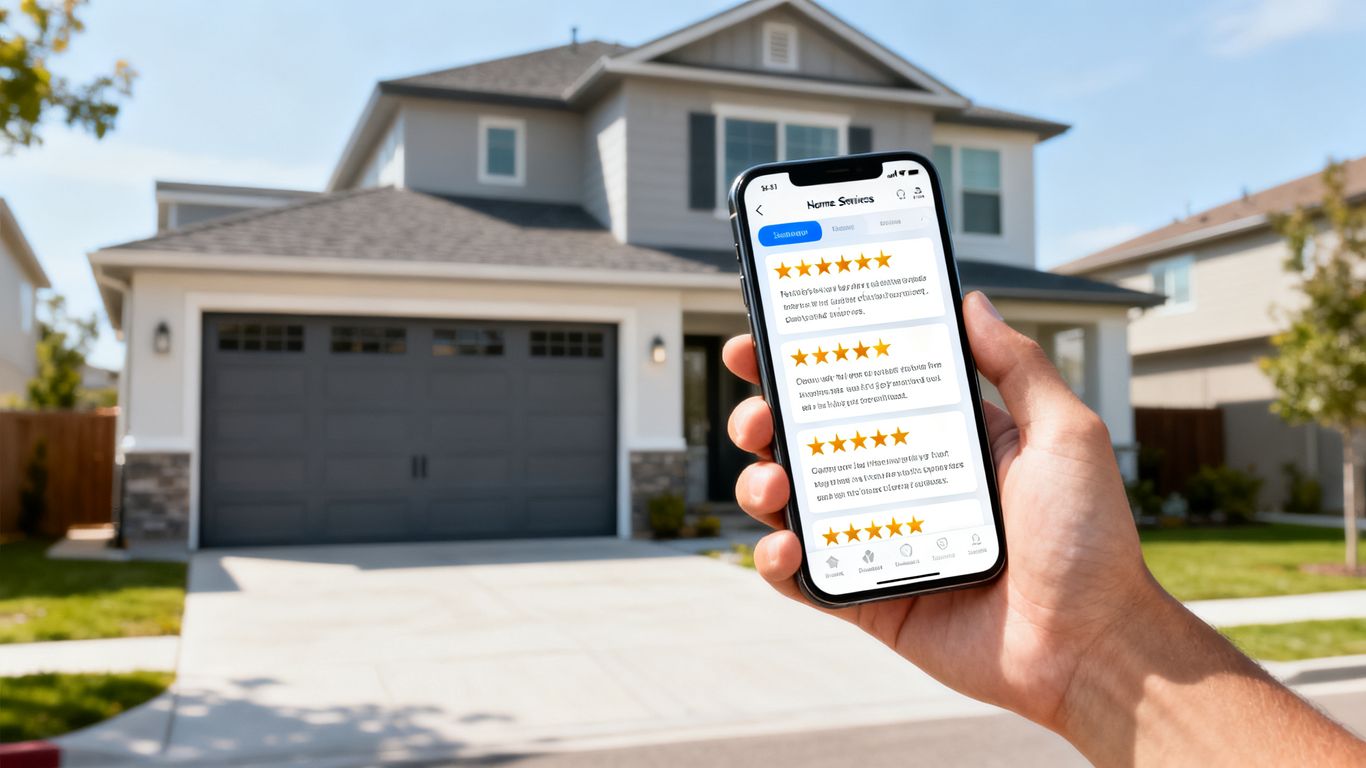
Building a steady stream of customer feedback is essential for maintaining a competitive edge in home services. This guide highlights the core tactics for scaling your online reputation and driving local growth.
- Implementing automated triggers ensures no job is left without a review request.
- Choosing the right software reduces friction throughout the entire feedback loop.
- Linking review generation to technician performance boosts consistent team participation.
- Timing requests to match the post-installation glow increases the likelihood of a positive response.
- Active review management directly influences local search rankings and overall customer trust.
The strategy behind a systematic review request process
Establishing a reliable method for collecting feedback is non-negotiable for any garage door business looking to scale. When staff members rely on manual memory, requests slip through the cracks during busy installation seasons. Transitioning to a structured intake workflow transforms reputation management from a sporadic chore into a predictable machine.
Identifying the ideal touchpoint in the job lifecycle
The moment a technician packs up their tools represents a peak emotional state for the homeowner. This is when the relief of a functioning door or the excitement of a new unit is at its highest, making it the supreme moment to ask for a review. You want to align your outreach with this specific satisfaction window rather than letting days pass.
Shifting from manual asks to automated triggers
Moving away from manual processes is a requirement for growth. By adopting reliable AI-powered review generation tools, you can ensure that every completed project triggers a personalized request automatically. This removes the reliance on technician memory while ensuring follow-up occurs precisely when the work is fresh in the homeowner's mind.
Eliminating technical friction for the homeowner
If the feedback process takes more than two clicks, most people will give up before they start. You need a seamless experience where the client receives a direct, simplified link that requires no login or excessive account creation. When using tools like a modern review generation system, you can significantly improve your conversion rates by guiding users directly to the submission form.
Selecting the right review generation software
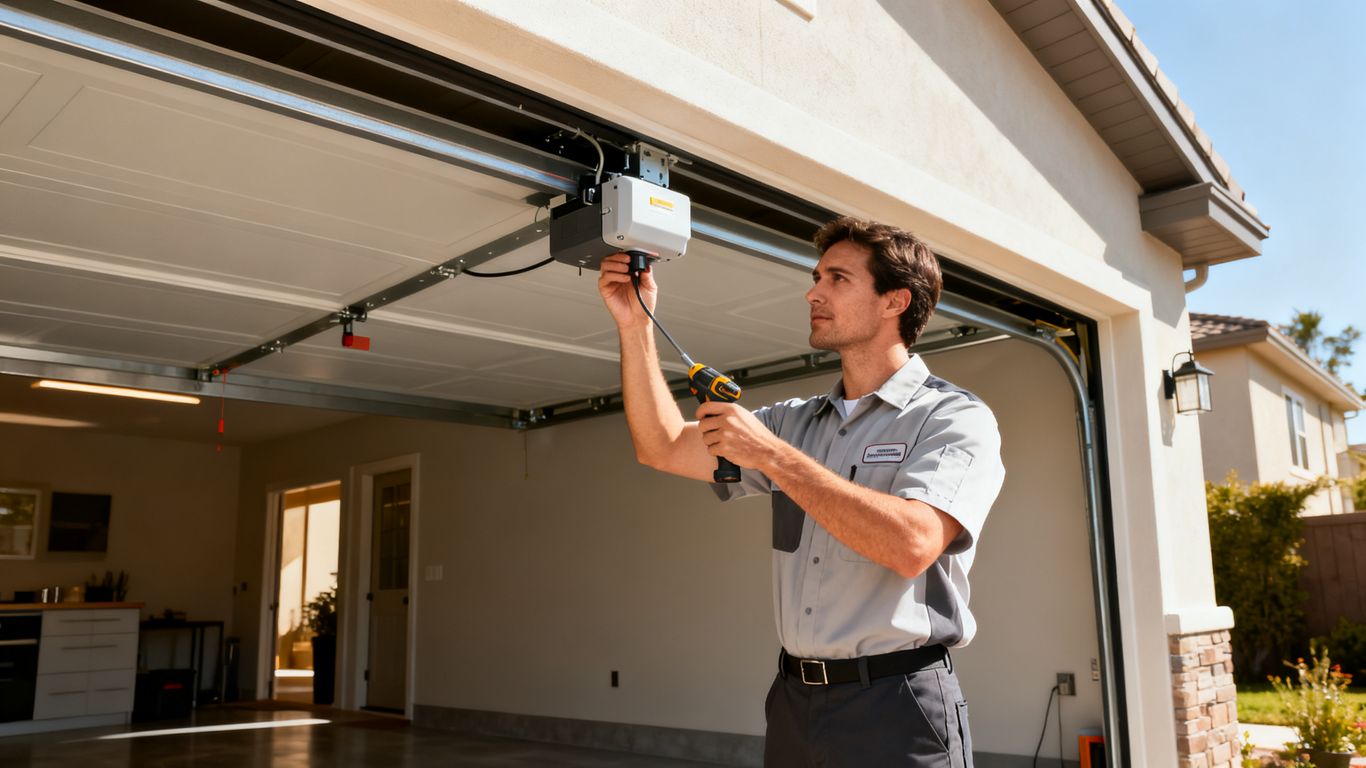
Choosing the technology stack used for your reputation management defines how easily your team adopts the process. Not all platforms offer deep integration with industry-specific CRM systems, which leads to disconnected data and missed opportunities. You need a solution that bridges the gap between field activity and digital validation.
Evaluating SMS vs. email open rates for niche trades
While email is standard, SMS often delivers immediate responses for mobile-heavy residential service tasks. Sending a quick text allows the customer to submit a review right from their phone without navigating away from their message app. The responsiveness of your clients will likely be higher when the request appears in their personal text queue.
Integrating review platforms directly with your CRM
Centralizing your data is key to maintaining a clear picture of performance. Your chosen software should pull project completion data directly from your system to initiate automated outreach pulses.
| Feature | Benefit | Automation Requirement |
|---|---|---|
| Direct CRM Sync | Eliminates manual entry | High |
| Custom SMS Templates | Improves response rates | Medium |
| Private Routing | Blocks poor feedback | Low |
This level of visibility allows you to monitor how each technician influences your overall rating over time. When your software communicates with your CRM, you stop chasing staff for data and start analyzing actual trends.
Avoiding common platform compliance pitfalls
Transparency with your customers is non-negotiable. Ensure that all automated communications clearly identify your business and follow all regional digital communication guidelines. Avoiding spammy or repetitive tactics prevents your outreach from being blocked by carrier filters while maintaining an honest reputation with your local client base.
Empowering field technicians to secure more feedback
Technicians are your frontline ambassadors, and they deserve the support to feel comfortable asking for feedback. When they understand the importance of reviews, they become active participants in your brand growth rather than passive observers. Providing clear guidance helps them feel confident during face-to-face interactions.
Making review generation part of the compensation structure
Connecting effort to outcomes is a proven model to increase team engagement. Many successful companies create incentive programs that reward staff when they collect authentic client testimonials, whether through individual bonuses or team performance goals. This turns reputation into a shared objective.
Providing field scripts that sound natural in person
Your team should have a go-to script that feels authentic. For example, they might say something like, "I'm glad you're happy with the install. We're trying to reach more neighbors like you, and a quick review would be a huge help to me personally."
- Use conversational language that reflects your brand's voice.
- Keep the script under two sentences to respect the customer's time.
- Mention the specific job completed to ground the request in reality.
- Always offer to assist if they have questions before wrapping up.
When these scripts sound like part of a normal conversation, the customer is far more likely to feel a genuine desire to assist the technician.
Using QR codes and physical collateral on the job site
Print marketing remains a powerful tool for visual reinforcement on-site. Placing a QR code on a technician's business card or a post-job information packet provides an easy anchor for the customer to scan later. This bridge between the physical interaction and the digital review page lowers the barrier significantly.
Mastering the art of the follow-up and timing
Sometimes, customers fully intend to leave a review but get sidetracked by daily life. A well-placed follow-up is not an annoyance; it is a helpful nudge that keeps your service at the top of their mind. Strategy here focuses on persistence without being pushy.
Determining the optimal wait time post-installation
Requesting a review while the tools are still on the lawn guarantees you reach the client while the work is visible. If you wait more than 48 hours, the initial excitement of a well-functioning garage door fades into the background of a house that just works. Aim to send the automated link within two hours of the final departure sign-off to capture the highest sentiment.
Crafting copy that emphasizes craftsmanship over brand name
Focus the request on the personal touch or the effort your technician invested in the solution. People enjoy leaving feedback for a person, not a corporate entity. By using language that honors the specific quality of the work, you validate the client's decision to hire you in the first place, turning a simple transaction into lasting customer loyalty.
Handling the "forgot to leave a review" follow-up sequence
If you have not seen a submission after three days, a single, polite reminder is appropriate. Ensure this message is brief and includes the original link to avoid extra steps. A simple note like, "We hope you’re enjoying your new door! If you have a quick moment, we’d still love to hear your thoughts" is rarely perceived as intrusive.
Maximizing the impact of review volume on local search
Reviews are a primary signal that tells location-based search engines your business is an active, trusted partner in the community. High-volume review growth signals relevance, helping you appear higher in maps and local search results. This is how you gain an edge over competitors who treat their reputation as a passive asset.
Syncing review frequency with Google Business Profile signals
Consistent growth is better than a one-time spike. Search algorithms look for the recency and frequency of new feedback to gauge current credibility. By keeping a steady flow through your automated engine, you signal that your operation is constantly performing well for real neighbors in Kentucky's local areas.
Responding to every review to improve local search relevance
Management of feedback is a two-way street. Whether positive or negative, responding shows prospects that your team is attentive and values the client relationship. This active management helps with search ranking by keeping your profile listing dynamic.
Leveraging photo-rich reviews for higher conversion rates
Encourage customers to upload a picture of their completed installation. These images acts as social proof that transforms abstract star ratings into concrete visual evidence of your work. When potential clients see user-generated photos on your profile, it drives significantly higher click-through rates to your site.
Using your review engine to fuel paid media performance
Your reputation is not just for SEO: it is a powerful lever for your paid advertising campaigns. Incorporating real snippets from your best feedback into your ad copy lowers customer acquisition costs by providing instant validation to prospects who aren't familiar with your brand yet.
Incorporating top-performing client snippets into ad copy
Social proof is often the bridge between an ad impression and a conversion. Take high-performing, specific sentiments from your reviews and feature them as headlines. This keeps your messaging grounded in the actual experiences of your past clients rather than generic corporate boasts.
Analyzing negative or neutral feedback for campaign messaging pivots
Feedback is the best possible data source for your ad strategy. If common negative reviews mention a pricing concern or a specific process gap, pivot your ad copy to address that pain point directly. By acknowledging potential hesitations in your marketing, you build trust and filter for better-fitting leads before they even click.
Building authority to lower customer acquisition costs for high-ticket repairs
High-ticket jobs require a high degree of trust. When your ads lead to landing pages stacked with recent, project-specific feedback, prospects are far more likely to convert. This authority makes your overall digital strategy more efficient, allowing you to scale your spend on the services that provide the best returns.
Conclusion
Building a systematic approach to reputation management is the most reliable way to ensure your business remains visible to local prospects. Once you treat feedback as a core operational process rather than a secondary concern, you will naturally see an increase in conversion rates, lower acquisition costs, and stronger local search authority. Start by automating your requests today to reclaim the potential that has been slipping through the cracks of your busy operation.
Frequently Asked Questions
Why do review requests often go unanswered?
Requests are often ignored if they arrive during a distracting time or require the customer to log into an account they do not use. Reducing the technological burden by providing deep, direct links to review submission forms is the most effective way to improve response consistency.
How many reviews should a business aim for monthly?
Target a volume that aligns with your total project completions. Aiming for feedback from at least 30-40 percent of your total jobs keeps your average recency high and demonstrates consistent performance to both local search algorithms and prospective clients viewing your profile.
Can responding to negative reviews actually help?
Yes, provided you remain professional and objective. A public, thoughtful response demonstrates accountability, showing potential customers how your team handles challenges and works to rectify issues. This often carries more weight with savvy prospects than a page of silent five-star ratings.
Is SMS more effective than email for feedback requests?
For home service trades where the client is often mobile or busy around the home, SMS typically achieves higher open and action rates. It allows for a faster, more contextual reach that occurs shortly after the job completion.
Should I ever offer an incentive for a review?
It is generally safest to avoid direct payment for reviews to remain compliant with official platform policies. Instead, encourage staff to ask for feedback as a professional favor or a way to highlight their personal contribution, which builds more authentic connections.
Does photo content really affect search ranking?
User-contributed images add visual context that signals to search engines that your service is real and active. Furthermore, human interest in browsing past installation photos can increase dwell time on your business profile, which indirectly boosts your relevance and visibility.
When is the absolute best time to ask for a critique?
Capture the feedback while the technician is still on-site, immediately following the project sign-off. The client feels the most satisfaction and emotional connection to the job during those few minutes, which is the prime opportunity to ask for their perspective.
Let Us Help You Scale
Ready to integrate an automated feedback system into your broader marketing workflows? Reach out to our team to build a complete digital strategy designed for high-performing home service businesses.