Key Takeaways
Instagram works best for a custom drape company when every post has a job in the buying journey. The goal is not simply a prettier grid; it is a clearer path from room inspiration to a useful conversation.
- Define the rooms, homeowners, and projects you want to attract.
- Build content around outcomes such as privacy, light control, and finish.
- Use Reels, carousels, Stories, and project photos for different questions.
- Turn each installation into several pieces of practical, visual content.
- Track qualified DMs and booked consultations, not likes alone.
Build an Instagram strategy around the custom drape buying journey
A strong custom drape company instagram marketing plan follows the way homeowners actually make decisions. Someone may first save a beautiful room, then compare fabrics and installation details, and only later feel ready to ask for help. Your content should meet that progression instead of asking every viewer to buy immediately.
The most effective feed is part showroom, part design education, and part front desk. It gives people enough confidence to send a photo, describe a room, or request a consultation without feeling pressured.
Define the homeowner and project types you want to attract
Start with a narrow picture of the customer you want more often. Is the priority a homeowner furnishing a new build, a family trying to improve a bright living room, or a designer sourcing treatments for several rooms? The answer shapes the rooms you film, the language in captions, and the questions you ask in DMs.
Project type matters just as much. Large windows, bedrooms needing privacy, formal dining rooms, and awkward openings each create different content opportunities. A specific audience usually responds more readily than a generic promise to make any room beautiful.
Match content to inspiration, evaluation, and consultation intent
Inspiration content earns attention through movement, proportion, color, and finished rooms. Evaluation content answers practical questions about fullness, lining, stack position, measurements, and installation. Consultation content reduces the friction of taking the next step.
Review your grid and label each post by intent. If every post is a finished-room reveal, the audience may admire the work but still lack the information needed to inquire.
Position custom drapes around outcomes instead of fabric features
Fabric is part of the decision, but homeowners often begin with a problem: glare on a screen, a bedroom that feels exposed, or a room that looks unfinished. Explain how the treatment changes the experience of the space before discussing the textile itself. Custom drapery options can be framed around light control, privacy, and interior design rather than as a catalog of materials.
That shift also improves creative testing. Compare a hook about softening harsh afternoon light with one about a particular weave, then watch which attracts saves and meaningful questions. Lead with the lived result and let the details support it.
Choose DM-ready calls to action for each stage
A call to action should fit the viewer’s confidence level. A person gathering ideas may be ready to save a post or answer a poll, while someone comparing options may be willing to send a room photo. The wording should make the next action feel small and useful.
For example, ask viewers to reply with “LIGHT” for a post about glare, or invite them to send a photo when the layout is difficult to explain. A direct consultation booking link can serve people who already know they want a conversation, while DMs remain helpful for earlier questions.
Create the content pillars that generate qualified inquiries
Content pillars keep a custom drape account from becoming a random collection of attractive rooms. Each pillar should answer a recurring question or remove a common concern. Together, they create enough evidence for a prospect to believe your company understands both design and execution.
Use a consistent visual language, but do not make every post identical. Warm natural light, close detail shots, and honest process footage can feel polished without looking staged.
Show dramatic before-and-after transformations
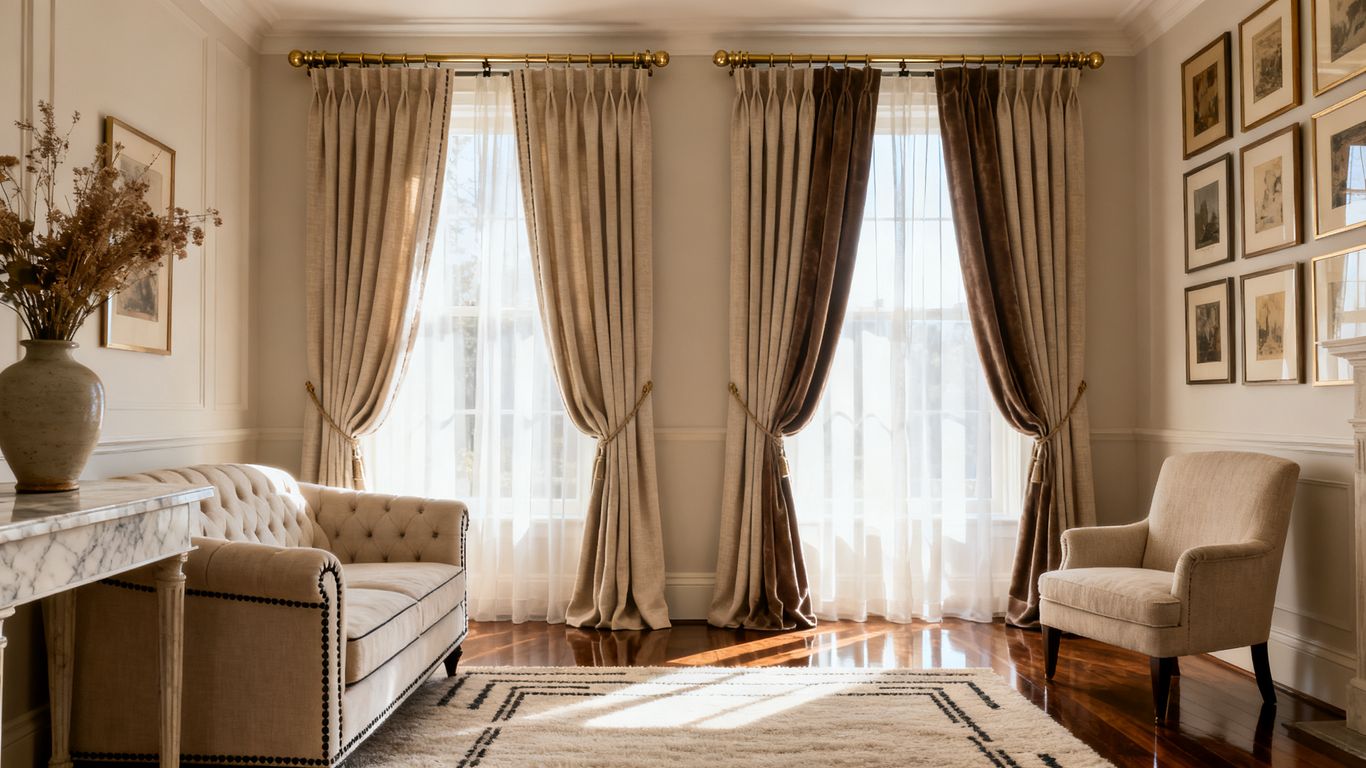
Before-and-after content makes the value visible quickly. Photograph the same angle before and after installation, keeping the camera height and crop as consistent as possible. Include a short explanation of what changed: the window’s scale, the room’s softness, the glare, or the amount of privacy.
The reveal should not hide the original problem. Showing the starting point helps a prospective client recognize their own room and imagine a similar improvement.
Teach measuring, fabric, lining, and installation decisions
Educational posts work when they answer questions homeowners are already typing or asking friends. Explain why measurements affect the finished proportion, how lining changes the behavior of a treatment, and what clients should expect during installation. Keep each post focused on one decision rather than trying to teach the entire process at once.
A simple teaching sequence might look like this:
- Show where the rod or track position changes the apparent height.
- Compare filtered daylight with a darker lining in the same room.
- Explain why a full-width window needs a plan for stack-back space.
- Film a small installation detail that is easy to miss in a wide shot.
After the post, invite a question about the viewer’s own window. Education becomes a lead source when it gives people a natural reason to continue the conversation.
Use room tours and project stories to prove craftsmanship
A room tour gives context that a close-up cannot. Move slowly through the space, show the treatment open and closed, and explain how the design relates to furniture, flooring, and light. Project stories add another layer by describing the original constraint and the choices made to address it.
Avoid vague claims about perfection. Specific observations—such as a tight corner, an unusually tall opening, or a need to preserve a view—make the workmanship more believable because the viewer can see what had to be solved.
Feature testimonials, designer collaborations, and local credibility
Permission-based testimonials are strongest when they mention a real part of the experience, such as communication, fit, or installation care. Designer collaborations can show how decisions are made across a larger renovation, while local references help prospects understand where you work and who you serve.
For a useful comparison in your research, Drapery Street describes a consultation, selection and measurement, and professional installation process. Treat that as an example of process-oriented content, not a promise to copy every step or guarantee a particular result.
Plan a weekly mix of Reels, carousels, Stories, and photos
Format should follow the job the content needs to do. Reels are useful for motion and room scale, carousels slow the viewer down for comparisons, Stories create low-pressure interaction, and photos give the grid a durable portfolio. A weekly mix lets one project answer several different questions.
The schedule does not need to be complicated. Consistency and a reliable response process matter more than posting a large volume that the team cannot maintain.
Use Reels to demonstrate movement, light control, and scale
Film drapes opening, closing, and settling into pleats. A slow pan from floor to ceiling can communicate height, while a second shot from the side can show stack-back and how much glass remains visible. Keep the first seconds visually active and add a caption that names the practical issue being solved.
Do not rely on music to carry the whole Reel. Natural sound from the room, a short voiceover, or on-screen context can make the demonstration easier to understand without turning it into a sales pitch.
Use carousels to explain options homeowners compare
Carousels are ideal for decisions that need more than one image. Start with the question, use the middle slides to compare two or three options, and finish with a prompt for a DM or consultation. The first slide should still make sense to someone who sees it without reading the caption.
Good subjects include inside versus outside mounting, different opening directions, or how lining affects a bright bedroom. Keep the comparison visual and avoid cramming technical language into every slide.
Use Stories for polls, questions, launches, and daily proof
Stories can reveal the human work behind the polished feed. Use a poll to ask whether a viewer prefers a full reveal or a softer filtered light, then follow with a close-up or short explanation. Question stickers can collect the objections that deserve future posts.
A daily proof Story might show fabric arriving, a measurement visit, a workroom detail, or an installation vehicle leaving for a job. The point is not to document every minute; it is to make the company feel present and responsive.
Repurpose completed projects without making the feed repetitive
One finished room can become a Reel, a carousel, a photo, and several Stories if each version has a different editorial purpose. Change the crop, opening line, and question rather than reposting the same asset with a new emoji.
For instance, the Reel can show movement, the carousel can explain the selection, and the photo can focus on proportion. This approach stretches production time while keeping the account useful to people at different stages.
Turn completed drape installations into a month of content
Installation day is a content opportunity, but only if someone plans for it. A short capture list prevents the team from returning with one distant photo that cannot support a full story. It also keeps content collection from interfering with the client experience.
Think in sequences: the problem, the preparation, the craft, the reveal, and the result. That sequence naturally supplies material for several weeks without forcing a single post to carry every detail.
Capture the room before installation and during the process
Take a clean before image from the eventual reveal angle. Then capture hardware, measuring, fabric handling, and installation progress where the client has approved it. Short clips are often more useful than long footage because they are easier to edit into Stories and Reels.
Record a few seconds of room tone and a stable wide shot as well. Those small assets give editors flexibility when the final reveal needs pacing or context.
Film details that communicate quality on mobile screens
Mobile viewers need details that are large enough to read visually. Film the top treatment, hemline, pleat consistency, hardware connection, and the way fabric falls near the floor. Use side light when possible so texture and shadows remain visible.
A close-up should have a reason to exist. Pair it with one sentence explaining what the viewer is seeing, rather than presenting a sequence of fabric shots with no context.
Write project captions around the homeowner’s original problem
Start with the client’s concern in plain language. “The afternoon sun made the living room difficult to use” gives the audience a situation they can recognize; “beautiful custom solution” does not. Follow with the design choice, the installation detail, and an invitation to ask about a similar room.
Keep private details out of the story unless they help explain the work and have been approved. The best caption is specific about the project while remaining respectful about the people who live there.
Secure permissions and protect client privacy before publishing
Make permission part of the workflow, not a last-minute message after the photographer leaves. Clarify whether the home, street view, family members, artwork, and identifying details may appear. If the client prefers privacy, crop tightly, remove personal objects, or use process footage instead.
Written approval should cover the platforms and intended use. A careful process protects trust and makes it easier to publish confidently later.
Design posts that move prospects into Instagram DMs
The DM is often the bridge between visual interest and a real consultation. It should feel like a helpful design exchange, not an intake form copied into Instagram. Posts earn better conversations when the prompt tells people what to send and what they will receive in return.
Build a small library of replies so speed does not come at the expense of warmth. The first message should acknowledge the room or question before collecting details.
Offer useful prompts such as “Send us a photo”
“Send us a photo” works when the request has a clear purpose. Tell the viewer what kind of image is useful and what you can help them think through, such as placement, light, or broad style direction. Do not imply that a photo alone replaces a proper measurement or consultation.
The prompt can be tied to a specific post: send a bright-room photo after a light-control Reel, or send a difficult corner after a post about installation planning. Relevance makes the invitation feel earned.
Build keyword-based DM conversations for consultations
A keyword gives the prospect an easy entry point and gives the team a consistent trigger. Use words that relate to the content, then prepare a short reply that confirms the request and asks for one useful detail. The conversation should move naturally toward photos, location, timing, or a consultation when appropriate.
Keep the first exchange brief. A person who replies “LIGHT” should not receive six questions at once; offer one helpful observation and ask which room they are considering.
Ask qualifying questions without making the exchange feel like a form
Qualification is necessary, but the order matters. Begin with the homeowner’s goal, then ask about the room, project stage, and preferred timing. Budget can be discussed respectfully when it becomes relevant, without making the first reply feel like a gate.
Useful questions include:
- Which room are you hoping to improve?
- What is bothering you most about the current window treatment?
- Are you still gathering ideas, or are you ready to discuss measurements?
- What general timing are you working toward?
These answers help the team route the inquiry while keeping the conversation human. They also reveal which future posts should address recurring concerns.
Respond quickly with next steps, photos, and scheduling options
A fast reply should still be specific. Confirm what the prospect shared, offer a relevant example or explanation, and state the next step clearly. If a consultation is appropriate, provide available scheduling options instead of ending with “let us know.”
Keep a record of the source and outcome. A quick response that creates a booked appointment is more valuable than a long exchange that never advances.
Build the custom drape company Instagram marketing calendar
A calendar turns strategy into an operating rhythm. It should show the topic, format, asset owner, call to action, and follow-up responsibility—not just the day a post goes live. For a small team, the best calendar is one that can survive a busy installation week.
Start with a repeatable weekly base, then add timely work around projects and seasons. This makes the account dependable without making it feel mechanically scheduled.
Assign recurring themes to each day of the week
Recurring themes reduce the number of creative decisions made from scratch. They also train followers to expect different kinds of value throughout the week. A simple pattern might alternate visual proof, education, interaction, and direct consultation invitations.
One workable structure is:
- Monday: a finished-room photo with the original design problem.
- Tuesday: a carousel comparing two practical choices.
- Wednesday: a Reel showing movement, light, or installation detail.
- Thursday: Stories with a poll, question, and behind-the-scenes proof.
- Friday: a project story with a clear DM invitation.
The exact days can change. What matters is that the mix covers both inspiration and decision support.
Balance evergreen education with seasonal demand
Evergreen posts answer questions that remain useful all year, such as lining, measuring, and fullness. Seasonal posts can address strong sun, holiday entertaining, moving deadlines, or renovation planning. Pairing them prevents the calendar from becoming either timeless but disconnected or timely but shallow.
Plan seasonal content several weeks before the need peaks. That gives the audience time to save the post, discuss it at home, and make contact.
Batch production around showroom visits and installations
Batching is easiest when it follows work already on the schedule. Capture several vertical clips during one installation, photograph details before the room is reset, and record a short explanation from the designer while the decisions are fresh. Store assets with the room, date, format, and permission status.
A batch does not mean publishing everything at once. It means reducing the daily production burden so the team can spend more time on inquiries.
Adjust posting volume to team capacity and lead response time
More posts are not automatically better if DMs sit unanswered. Set a minimum schedule the team can support, then increase volume only when editing, approvals, and response coverage are reliable. A smaller account with thoughtful replies can outperform a busy feed that creates poor follow-through.
Review the calendar alongside response time each month. If inquiries rise after a format change, protect the capacity to handle them before adding another campaign.
Measure which Instagram content produces revenue
Measurement should connect content to business movement. Reach and likes show distribution, but they do not tell you whether the right homeowner is considering a project. Track the path from post to profile visit, DM, qualified conversation, consultation, and eventual revenue.
Use consistent naming for campaigns and creative themes. Without that discipline, the team will remember the most popular post while overlooking the quiet one that produced the best inquiry.
Track profile visits, saves, replies, and qualified DMs
Profile visits indicate curiosity, saves suggest future reference, and replies show active interaction. Qualified DMs go further: they contain enough context to determine whether the person has a relevant room, need, location, or timeline. Record these events weekly rather than relying on occasional impressions from the platform.
A post with modest reach may still deserve more investment if it produces several useful conversations. The metric should match the decision you are making.
Separate vanity engagement from consultation intent
Create a simple distinction between attention and intent. Likes and broad views are useful for judging creative appeal, while saved guides, replies to specific prompts, and scheduling requests signal stronger consideration. Neither category is worthless, but they should not be reported as if they mean the same thing.
Ask the sales or design team which posts led to informed conversations. Their notes often reveal that a practical post, not the most glamorous reveal, did the real qualification work.
Use UTM links and CRM source fields for attribution
For traffic that leaves Instagram, use consistent UTM parameters for campaigns, formats, and topics. In the CRM, record Instagram as the source and add a more specific detail such as Reel, Story, organic post, or paid promotion. This creates a usable trail when a prospect returns later through another channel.
Attribution will never capture every influence, especially when someone sees a post and contacts the company weeks later. It can still make patterns clearer and improve budget decisions.
Test hooks, creative formats, offers, and response scripts
Test one meaningful variable at a time when possible. Compare a problem-first hook with a design-first hook, or a photo with a short movement demo, then evaluate qualified conversations rather than raw engagement alone. Response scripts deserve testing too: a useful question may outperform a generic invitation.
Keep a record of the hypothesis, date, audience, and outcome. After several cycles, the account will have evidence about which topics attract serious projects and which simply create pleasant browsing.
Use the video as a teaching aid only when it supports the topic of the post. A link or embed should complement your own examples, not replace the company’s project proof and follow-up process.
Book a Better Consultation Flow
A consistent scheduling path helps turn interest into a conversation without making the prospect chase the team. Give people a clear invitation, keep the available options current, and connect the appointment to the context they shared in Instagram. A simple booking option can sit alongside DMs for prospects who are ready to choose a time.
Conclusion
The strongest custom drape company instagram marketing plan makes every post part of a buying journey: show the transformation, explain the decisions, invite a useful DM, and measure what happens afterward. When content production and lead response work together, Instagram becomes more than a portfolio—it becomes a practical consultation channel.
Frequently Asked Questions
How often should a custom drape company post on Instagram?
A sustainable schedule matters more than a high volume. Begin with a few strong feed posts each week and regular Stories, then increase only when the team can respond promptly to inquiries.
What content attracts the best drape inquiries?
Content that connects a visible room problem to a clear design or functional outcome tends to attract more relevant questions. Before-and-after posts, practical comparisons, and project stories are useful starting points.
Should custom drape companies use Reels or photos?
Use both. Reels communicate movement, scale, and light changes, while photos provide a lasting portfolio reference that prospects can revisit when comparing ideas.
What should a drape company ask in an Instagram DM?
Begin with the room and the homeowner’s main concern. Then ask about project stage and timing, adding location or budget questions when they fit the conversation.
How can Instagram followers be encouraged to send a room photo?
Explain why the photo helps and what kind of feedback the person can expect. A focused prompt tied to a specific issue, such as glare or an awkward corner, feels more useful than a general request.
How should Instagram consultations be tracked?
Record the post or campaign that prompted the inquiry, the qualification status, the appointment outcome, and later revenue when available. Consistent source fields make patterns easier to review.
What makes a custom drape Instagram calendar effective?
An effective calendar balances inspiration, education, project proof, and direct invitations. It also accounts for the team’s ability to capture assets, approve posts, and answer DMs promptly.