Insurance Claim Keywords: High Intent, High Value, High Competition

If you're a roofer looking to get more calls from people who need work done *now*, you need to think about the words they're typing into Google. We're talking about roofing insurance claim keywords. These aren't just any search terms; they're the ones people use when they've got damage, they know insurance is involved, and they're ready to hire someone. Getting in front of these searches can mean big business, but everyone else knows it too. So, how do you actually show up when someone needs a roof fixed after a storm and has an insurance claim ready?
Key Takeaways
- High-intent roofing insurance claim keywords signal immediate need and readiness to hire.
- Focusing on terms like 'hail damage roof repair insurance claim' or 'wind damage roof replacement cost' targets valuable leads.
- Local SEO and geographically specific terms are vital for roofing businesses targeting insurance claims.
- On-page content should directly address homeowner pain points related to storm damage and the insurance process.
- Paid search campaigns can be effective for capturing immediate demand, but require careful management of negative keywords and audience targeting.
Understanding Roofing Insurance Claim Keywords
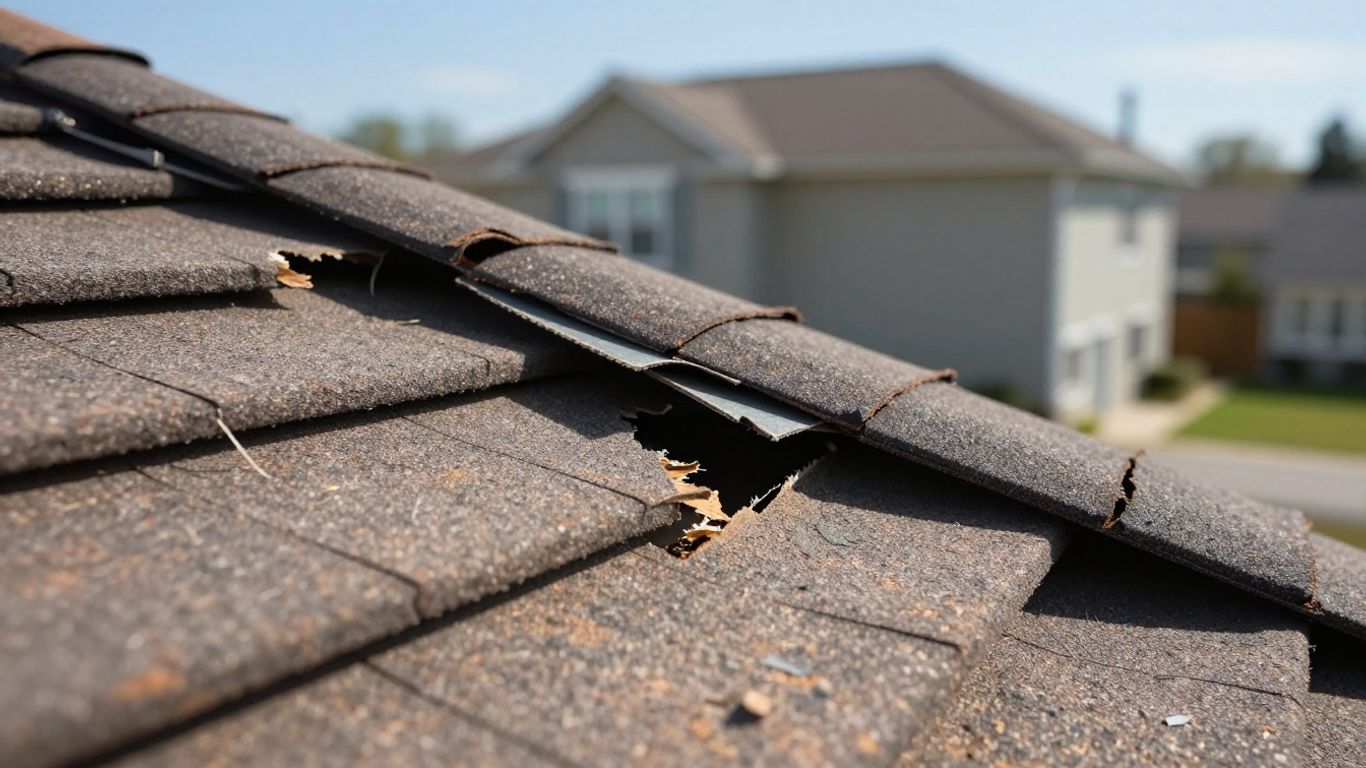
When someone's roof gets damaged, especially by something like a storm, their first thought often isn't about hiring a roofer directly. It's about dealing with the insurance company. This is where understanding specific keywords comes into play for roofing businesses. We're talking about terms people type into Google when they're in a bind and need help with their roof, and they're thinking about using their insurance.
Defining High-Intent Roofing Insurance Keywords
High-intent keywords are the gold standard for businesses. For roofing insurance claims, these are the phrases that tell you someone is ready to act, and they're likely looking for a service provider now. Think about what someone would type if they just had hail damage and needed a new roof covered by insurance. They aren't just browsing; they're problem-solving. These keywords often include terms like "roof damage insurance claim," "hail damage roof repair," or "storm damage roof replacement cost." These are the searches that signal a homeowner is actively seeking a solution and is likely to convert.
The Value Proposition of Insurance Claim Leads
Leads from insurance claims are generally more valuable. Why? Because the homeowner has a clear path to payment, often through an insurance payout. This means less friction in the sales process compared to a homeowner who might be shopping around for the cheapest price. They've already got a significant problem, and they're looking for someone to fix it, with the financial backing already in place. This makes them a prime target for roofing companies that can handle the complexities of working with insurance adjusters. Companies like Worth Roofing Company manage the entire roofing insurance claim process, which is a big draw for homeowners. This means they're not just looking for a roofer; they're looking for a partner to help them through a stressful situation.
Analyzing Competitive Landscapes for Roofing Claims
Looking at who else is showing up for these insurance claim keywords is important. It's not just about knowing what people are searching for, but who is already answering those searches. You'll likely see a mix of local roofing companies, larger regional players, and maybe even some lead generation services. Understanding their approach, what kind of content they have, how they present their services, and their local presence, gives you a benchmark. Are they focusing on storm damage? Do they highlight their insurance claim experience? This analysis helps you figure out where the opportunities are and how you can stand out. It's a competitive space, and effective keyword research is key to building domain authority and attracting the right customers for roofing insurance claims.
The insurance claim process can be confusing for homeowners. They need clear, direct information and a reliable contractor who understands how to work with their insurance company. Simply listing services isn't enough; you need to speak directly to their immediate need and their specific situation.
Identifying Top-Performing Roofing Insurance Keywords
So, you're trying to figure out what people actually type into Google when they need a roofer because of an insurance claim. It's not just about 'roof repair.' We need to get more specific. Think about what someone is feeling and thinking when their roof is damaged and they're dealing with insurance. They're probably stressed, maybe a little confused, and definitely want it fixed fast.
Keywords Indicating Immediate Need for Roofing Services
These are the goldmines. They show someone isn't just browsing; they're ready to act. We're talking about terms that scream 'I need this done NOW.'
- 'Emergency roof repair near me'
- 'Hail damage roof replacement cost'
- 'Storm damage roof insurance claim'
- 'Leaking roof repair service'
- 'Wind damage roof contractor'
These phrases signal a homeowner is likely experiencing a problem that requires immediate attention and is actively seeking a professional to address it. It's about capturing that urgency. When you see terms like these, you know the searcher is probably past the research phase and is looking for someone to call.
Long-Tail Keywords for Specific Roofing Issues
Sometimes, people know exactly what's wrong, or they have a very particular situation. That's where long-tail keywords come in. They're longer, more specific phrases that often have less competition but can bring in really qualified leads. Think about someone who's already talked to their insurance company and knows they need a specific type of repair or replacement.
- 'Asphalt shingle roof replacement after storm damage'
- 'How to file a roof insurance claim for wind damage'
- 'Best roofing company for insurance claims in [Your City]'
- 'Repairing flat roof leaks due to heavy rain'
- 'Cost to replace roof after fallen tree branch'
These are great because they show a deeper level of intent. Someone searching for 'cost to replace roof after fallen tree branch' isn't just thinking about a roof; they've got a specific event in mind and are likely comparing options or getting quotes. It's a good idea to have content that directly answers these specific questions. You can find great resources on roofing insurance claims to help you understand the homeowner's perspective.
Geographically Targeted Insurance Claim Terms
People usually want a roofer who's close by, especially for an emergency. Adding location to your keywords is a no-brainer. It helps you connect with homeowners in your actual service area who are dealing with a damaged roof and need help with their insurance.
- 'Roof repair company [Your Town] insurance'
- 'Denver hail damage roofers insurance claim'
- 'Emergency roof tarping [Your Neighborhood]'
- 'Best insurance claim roofers in [Your County]'
- 'Local roofer for storm damage [Your City]'
When you combine these location-specific terms with the high-intent phrases, you're really narrowing down your audience to people who are not only ready for service but are also within your service radius. This is where local SEO really shines, helping you connect with homeowners who need roofing services in their area right now.
Strategies for Ranking Roofing Insurance Claim Keywords
So, you've identified those high-value keywords related to roofing insurance claims. That's great! But just knowing them isn't enough. You need a plan to actually get your roofing business to show up when people search for them. It’s like having the right tools but not knowing how to use them. Let's break down how to make sure your business is seen by homeowners who really need your help right now.
On-Page Optimization for Roofing Claim Content
This is all about making your website itself as clear and helpful as possible for both search engines and potential customers. Think of it as tidying up your shop so people can find what they need easily. You want to use those insurance claim keywords naturally within your website's text, especially on pages that talk about storm damage, roof repairs, or the insurance process itself. Make sure your page titles and descriptions are clear and tell people exactly what you do. Also, using headings and subheadings helps break up the text and makes it easier to read. Don't forget to add alt text to any images you use, describing what's in the picture using relevant terms.
Building Authority Through Local SEO for Roofing
For roofing businesses, local search is a big deal. People usually want someone nearby to fix their roof, especially after a storm. So, you need to make sure your business shows up when someone searches for 'roof repair near me' or 'storm damage roofer [your town]'. This involves getting your business listed correctly on online directories like Google Business Profile. Make sure your name, address, and phone number are consistent everywhere. Getting good reviews from happy customers also really helps build trust and improve your local ranking. It's about showing people you're a real, reliable business in their community. Mastering Search Engine Optimization can really make a difference here.
Leveraging Paid Search for Insurance Claim Terms
While organic search is great long-term, sometimes you need faster results. Paid search ads, like those on Google, can put your business right at the top of the search results page. This is especially useful for those high-intent keywords where people are looking for immediate help. You can target specific locations and keywords, so you're only paying for clicks from people who are likely looking for your services. It's a good way to get your phone ringing while your organic efforts are still building up. You can set a budget and control how much you spend, making it a flexible option for getting in front of homeowners dealing with insurance-related roofing searches.
Getting your website to rank for insurance claim keywords isn't just about stuffing keywords everywhere. It's about creating helpful content that answers the questions homeowners have when they're stressed about roof damage and dealing with insurance companies. Think about what information they need and present it clearly.
Content Creation for Roofing Insurance Claim Searches
When someone's roof is damaged, especially by something like a storm, they're often stressed and confused. They're not just looking for a roofer; they're looking for someone who can help them sort out a complicated insurance claim. Your website content needs to speak directly to that need. It's about more than just listing your services; it's about showing you understand their problem and have the solutions.
Addressing User Pain Points in Roofing Claims
People searching for roofing insurance claims are usually dealing with a lot. They might be worried about the cost, unsure about the insurance process, or just plain overwhelmed. Your content should acknowledge these feelings. Think about writing articles or FAQs that answer questions like:
- What happens after I file a claim?
- How do I document storm damage?
- What if my insurance company denies my claim?
- How do I choose a roofer for an insurance job?
The goal is to make the process seem less daunting by providing clear, helpful information. This builds trust and positions you as a go-to resource, not just another contractor.
Showcasing Expertise in Storm Damage Roofing
If a big storm just hit your area, homeowners will be searching for roofers who know storm damage. You need content that highlights this specific skill. This could include:
- Detailed explanations of common storm-related roof problems (hail, wind, fallen trees).
- Before-and-after photos of storm-damaged roofs you've repaired.
- Information on how to spot hidden damage that insurance adjusters might miss.
- Case studies of successful storm damage repairs and claims.
This kind of content shows you're not just a general roofer, but a specialist in handling the aftermath of severe weather. It's also a good place to mention how your visitor identification software can help you track who's looking at your storm damage pages.
Guides on Navigating the Insurance Claim Process
Many homeowners have never dealt with a major insurance claim before. A step-by-step guide can be incredibly useful. You could create a downloadable PDF or a series of blog posts that walk them through:
- Initial damage assessment and documentation.
- Contacting your insurance company and filing the claim.
- Working with the insurance adjuster.
- Getting repair estimates and choosing a contractor.
- Understanding the settlement and final payment.
This kind of detailed guidance is exactly what someone in a stressful situation needs. It shows you're invested in helping them through the entire process, not just the physical repair. It's a smart way to build relationships and stand out from competitors who only focus on the quote. You can find more tips on managing these claims in this guide for insurance claim roofers.
People searching for roofing insurance claims are often in a tough spot. They need clear answers and reassurance. Your website content should be a beacon of that clarity, addressing their immediate worries and guiding them toward a solution. Think of it as being the helpful neighbor who knows exactly what to do when something goes wrong with the house.
The Competitive Edge in Roofing Insurance Marketing
So, you've figured out the keywords that bring in the right kind of calls for roofing insurance claims. That's a big step, but honestly, it's just the start. Lots of other roofing companies are probably doing the same thing. To really win, you need to stand out. It’s not enough to just show up; you have to be the obvious choice when someone's roof gets damaged and they're looking for help.
Differentiating Your Roofing Business Online
What makes your business different? Think about it. Is it your speed in responding to storm damage? Maybe your team has a knack for explaining the insurance process to homeowners who are stressed out. Or perhaps you offer a really solid warranty that gives people peace of mind. These aren't just nice-to-haves; they're your selling points. You need to make sure these things shine through in your online presence, from your website copy to your social media posts. Highlighting what makes you unique is key to attracting clients who value more than just the lowest price.
Understanding Competitor Keyword Strategies
It's smart to know what your rivals are up to. What keywords are they bidding on? What kind of content are they putting out there? Tools can help you peek at this. You might find they're focusing heavily on one type of damage, leaving an opening for you to dominate another. Or maybe they're investing a lot in local SEO, which tells you that's an area you need to pay attention to as well. Looking at competitor ads can also give you ideas for your own messaging. It’s about seeing the landscape and finding your best path forward. A good digital marketing strategy can help you analyze this effectively.
Measuring Success in the Roofing Insurance Market
How do you know if your efforts are actually paying off? You need to track things. It’s not just about website traffic; it’s about the quality of that traffic. Are the people visiting your site actually calling about insurance claims? Are those calls turning into jobs? Key metrics to watch include:
- Conversion rate for insurance claim leads
- Cost per lead specifically for insurance-related inquiries
- Customer acquisition cost for insurance claim jobs
- The average value of an insurance claim job compared to other types of work
Keeping an eye on these numbers helps you see what's working and where you might need to adjust your approach. It’s all part of making sure your marketing spend is actually bringing in profitable business. You can explore 15 effective marketing strategies to see how to measure and improve your results.
You're not just selling roof repairs; you're selling solutions during a stressful time. Your marketing needs to reflect that understanding. People aren't just looking for shingles; they're looking for someone they can trust to handle a major problem with their home and their insurance company.
Advanced Tactics for Roofing Insurance Keyword Success
So, you've got a handle on the basics of roofing insurance keywords. That's great. But to really stand out, especially when competition is fierce, you need to go a bit deeper. It's not just about finding the right words; it's about using them smartly and staying ahead of the curve.
Utilizing Negative Keywords for Efficiency
Think of negative keywords as the 'no thank you' list for your ads. They tell search engines which searches you don't want your ads to show up for. This is super important for insurance claims because people might search for 'roofing insurance' when they're just curious, or maybe they're looking for information about filing a claim, not necessarily hiring a roofer right away. By adding terms like 'jobs,' 'training,' or 'definition' to your negative keyword list, you stop wasting money on clicks from people who aren't ready to hire you. It helps keep your ad spend focused on folks who actually need a roofer now.
Here's a quick look at how this can help:
- Reduced Wasted Spend: Stop paying for clicks that won't convert.
- Improved Click-Through Rate (CTR): Your ads show up for more relevant searches, making your CTR look better.
- Higher Quality Leads: The leads you do get are more likely to be serious prospects.
Analyzing Search Intent Beyond Keywords
Just because someone types 'roof leak repair' doesn't always mean they want to hire you immediately. They might be looking for DIY tips, trying to figure out if they can fix it themselves, or researching the cost. Understanding what someone really wants when they type something into Google is key. Is it information? A comparison? Or a service provider? For insurance claims, intent is often high, but it can still vary. Someone searching for 'hail damage roof insurance claim' is probably in a different stage than someone searching 'how to document roof damage for insurance.' Tailoring your content and ad copy to match these different intents is how you connect with people at the right moment.
People often search for solutions to immediate problems. When it comes to roofing and insurance, these problems are usually urgent and potentially costly. Your marketing needs to acknowledge this urgency and provide clear, direct answers that lead to a service call.
Adapting to Evolving Search Trends in Roofing
Search engines are always changing, and what works today might not work as well tomorrow. For roofing insurance claims, this means keeping an eye on new terms people are using, especially after major weather events. Are people starting to search for 'drone roof inspection insurance' more often? Are new types of storm damage becoming a bigger topic? Staying updated on these shifts, perhaps by looking at keyword ideas for roofing websites, helps you adjust your strategy. It's also about understanding how people are searching on different devices: more mobile searches mean shorter, more direct queries. Being flexible and willing to tweak your keyword lists and content based on what's happening in the real world is how you maintain that competitive edge. This is especially true when dealing with the complexities of how roofing insurance claims work.
Want to get your roofing business noticed online? Mastering insurance keywords is key! Learn how to make your website stand out and attract more customers looking for roof repairs and replacements. Ready to boost your business? Visit our website today to discover the secrets to roofing insurance keyword success!
So, What's the Takeaway?
Alright, so we've talked a lot about these insurance claim keywords. They're the ones people type into Google when they've got a problem right now think leaky roofs or busted pipes. That means they're ready to buy, which is great for your business. But, and it's a big but, everyone knows this. So, you're going to be up against some serious competition, and those clicks aren't going to be cheap. If you're running ads for a home service business, you really need to be smart about how you bid on these terms. It’s not just about showing up; it’s about showing up with the right message, on the right platform, and making sure your website is ready to turn that click into a customer. Get it wrong, and you'll just be burning through cash. Get it right, though, and you could see some serious growth.
Frequently Asked Questions
What are 'high-intent' keywords for roof insurance claims?
These are search terms people use when they're ready to hire someone right away for a roof problem covered by insurance. Think 'roof repair insurance claim help' or 'hail damage roof replacement near me.' They show someone needs a service now, not just browsing.
Why are insurance claim leads so valuable for roofers?
Leads from insurance claims are valuable because the customer already has a budget (from their insurance) and a clear need. They're often looking for someone to fix damage from storms or accidents, meaning they need your service quickly and have the funds to pay for it, making them easier to close.
How can roofers compete for these keywords?
Roofers can compete by using smart online ads, like Google Ads, targeting specific local areas. They also need a great website that clearly shows they handle insurance claims and have good reviews. Building trust is key, so showing off past work and positive customer feedback helps a lot.
What's the best way to create content for roof insurance claims?
Focus on what homeowners worry about. Explain how to file a claim, what to expect after storm damage, and why choosing the right roofer matters. Use simple language and show you understand their stress. Pictures of before-and-after repairs are powerful.
How do I know if my online ads are working for roof insurance claims?
You track how many calls or form submissions you get from your ads. For Google Ads, you look at 'conversions.' For Facebook, you see how many people message you or fill out a form. It's about seeing if the money you spend on ads brings in actual customers who need roof repairs.
What are 'negative keywords' and why do roofers need them?
Negative keywords tell ad platforms like Google Ads which searches you *don't* want your ads to show up for. For example, if you only do repairs and not new installations, you'd add 'new roof installation' as a negative keyword. This stops you from wasting money on people looking for something you don't offer.