Lead Forms vs Landing Pages for Countertop Ads: Which Converts Better?
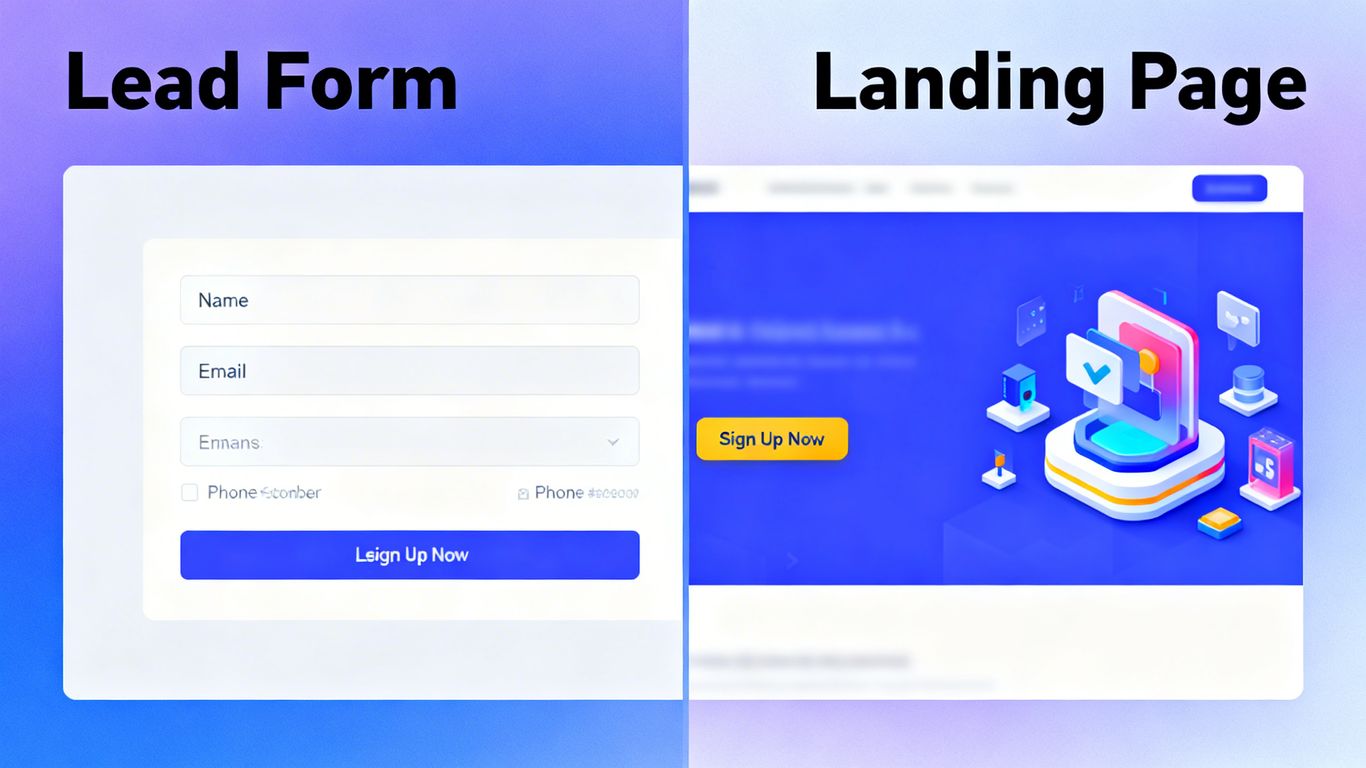
When you're trying to get people interested in new countertops, you've got a couple of main ways to get their info: countertop lead forms or landing pages. Both can work, but they do different things and work best in different spots. We're going to break down the countertop lead form vs landing page debate so you can figure out what's best for your business and your ad spend. It's not always a clear-cut answer, and what works for one company might not be the ticket for another. Let's get into it.
Key Takeaways
- Countertop lead forms are super quick for users, especially on mobile, because they keep people on the platform (like Facebook or Instagram) and ask for just a few details.
- Landing pages for countertops give you more space to talk about your granite or quartz, show off pictures, and explain why you're the best choice, but they require an extra click from the user.
- For quick quote requests or simple inquiries on platforms like Meta, a lead form might get you more contacts, even if some are less serious.
- If you need to explain complex countertop options, build trust, or gather detailed project info, a dedicated landing page is usually the way to go, especially for Google Search ads.
- Testing is key. Try both a countertop lead form and a landing page for your ads to see which one brings in better quality leads and converts at a lower cost for your specific countertop business.
Understanding The Core Differences: Countertop Lead Form vs Landing Page
When you're trying to get people interested in new countertops, you've got a couple of main ways to collect their info: lead forms and landing pages. They sound similar, but they work quite differently, and knowing that difference can really help your ad campaigns.
What Is A Countertop Lead Form?
A countertop lead form is basically a short form that pops up right inside the ad platform itself, like on Facebook or Instagram. Think of it as a quick way for someone to say, "Yeah, I'm interested," without actually leaving the app they're already using. You ask for just a few key bits of information, usually name, email, and maybe a phone number, and that's it. The ad platform handles the rest, sending the lead info straight to you. It's designed for speed and minimal effort from the potential customer.
What Is A Countertop Landing Page?
A countertop landing page, on the other hand, is a standalone webpage. When someone clicks your ad, they're taken to this specific page. This page is built to give more details about your countertop services, show off your work with pictures, and explain why someone should choose you. It's a more involved experience because it requires the user to click away from their current app or site and visit a new location. The goal is to persuade them to fill out a longer form or take another specific action once they're on the page.
Key Distinctions In User Experience
The biggest difference is how easy it is for people to actually give you their details. Lead forms are super simple. Someone sees an ad, clicks a button, confirms their info (which is often pre-filled), and boom, they're a lead. No new pages, no waiting for things to load.
Landing pages require a bit more commitment. The user has to:
- Click the ad.
- Wait for the page to load.
- Read the information presented.
- Decide if they want to proceed.
- Fill out a form on that separate page.
This extra step means landing pages usually get fewer submissions overall compared to lead forms, but the people who do fill them out might be more serious because they took the time to get there and learn more.
The choice between a lead form and a landing page often comes down to how much information you need and how much effort you're willing to ask from your potential customers. Simpler is usually better for initial contact.
So, while lead forms are great for grabbing quick interest with minimal fuss, landing pages give you the space to really sell your countertops and gather more detailed information from those who are ready to learn more.
Performance Metrics For Countertop Lead Generation
So, you're running ads for countertops and want to know if your lead forms or landing pages are actually doing their job. It's not enough to just get clicks; you need people to actually inquire about your granite or quartz. That's where looking at the numbers comes in. Tracking the right metrics helps you see what's working and what's not, so you can stop wasting money on ads that don't bring in customers.
Conversion Rate Benchmarks
Conversion rate is basically the percentage of people who see your ad or visit your page and then take the desired action, like filling out a form or requesting a quote. For countertop businesses, this is a big deal. You want to know how many eyeballs are turning into actual leads.
It's tough to give exact numbers because it varies so much by platform, your specific offer, and even the time of year. But generally speaking, a good lead form conversion rate might be anywhere from 5% to 15% on platforms like Facebook or Instagram. Landing pages can sometimes be a bit lower, maybe 2% to 5%, but the leads might be more qualified. It really depends on how much effort you're putting into optimizing your website.
Cost Per Lead Analysis
This one's pretty straightforward: how much cash are you shelling out for each person who raises their hand and says they're interested in new countertops? You calculate this by taking your total ad spend for a campaign and dividing it by the number of leads you got from that campaign. If your cost per lead is too high, you're probably not making enough profit from those sales.
Here's a quick look at how it might break down:
| Ad Platform | Average Cost Per Lead (Countertops) |
|---|---|
| Google Search Ads | $25 - $75 |
| Facebook/Instagram Ads | $15 - $50 |
| LinkedIn Ads (B2B/Commercial) | $50 - $150+ |
Remember, these are just rough estimates. Your actual costs could be higher or lower.
Lead Quality Assessment
Getting a ton of leads is great, but what if they're all people who just want a free sample or live three states away? That's where lead quality comes in. You need to figure out if the leads you're getting are actually likely to become paying customers.
Here are some things to think about when judging lead quality:
- Location: Are they in your service area?
- Project Scope: Are they looking for a small bathroom vanity or a whole kitchen remodel?
- Timeline: Are they looking to start soon or just dreaming?
- Budget: Do they have a realistic idea of countertop costs?
Sometimes, a lead form might bring in more leads overall, but a landing page could capture more detailed information upfront, helping you filter out less serious inquiries before they even reach your sales team. It's a trade-off between quantity and quality that you need to figure out for your business.
By keeping an eye on these performance metrics, you can make smarter decisions about where to put your advertising dollars and how to get more people interested in your beautiful countertop options.
Optimizing Lead Forms For Countertop Inquiries
So, you're using lead forms for your countertop ads. That's smart, especially for mobile users. But just slapping a form up there isn't enough. You need to make it work for you, getting you the right people without making them want to run away. It’s all about making it easy for them to say 'yes' and easy for you to get what you need.
Essential Fields For Countertop Leads
When someone's looking for new countertops, what do you really need to know right away? Too many questions, and they'll bounce. Too few, and you're wasting time with folks who aren't serious. For countertops, think about:
- Project Type: Are they remodeling a kitchen, a bathroom, or a whole house? This tells you the scale.
- Material Interest: Do they have a specific material in mind, like granite, quartz, or marble? Or are they open?
- Timeline: When are they hoping to start or complete the project? This helps you gauge urgency.
- Location: Knowing their general area is key for scheduling consultations and understanding local market needs. This is important for finding quality cabinet leads.
You don't need their life story, just enough to know if they're a good fit.
Form Design Best Practices
How your form looks and feels matters a lot. A messy, confusing form is a turn-off. Keep it clean and simple. Use clear labels for each field. Make sure the buttons are easy to tap, especially on a phone. Think about the flow: does it make sense step-by-step?
- Keep it short: Only ask for what you absolutely need. Every extra field is a potential drop-off point.
- Use clear language: Avoid industry jargon. Say 'What kind of countertop are you interested in?' instead of 'Preferred surface material?'
- Mobile-first design: Most people will see this on their phone. Test it on a small screen. Does it scroll okay? Are the buttons big enough?
- Progress indicators: If your form has a few steps, show people how far along they are. It makes it feel less daunting.
Reducing Friction For Higher Submissions
Friction is anything that makes it harder for someone to complete your form. Think about it like trying to walk through mud: the more mud, the slower you go, and maybe you just give up. We want to clear that mud.
Sometimes, the simplest approach is the most effective. People are busy. They want quick answers and easy ways to get information. If your form feels like a chore, they'll find someone else who makes it feel like a breeze.
- Auto-fill options: If possible, let people use saved information from their device or platform.
- Clear error messages: If they mess up a field, tell them exactly what's wrong and how to fix it, without being annoying.
- Minimize required fields: Only mark fields as 'required' if you truly cannot proceed without that information. Give people the option to provide more if they want to.
Crafting High-Converting Landing Pages For Countertops
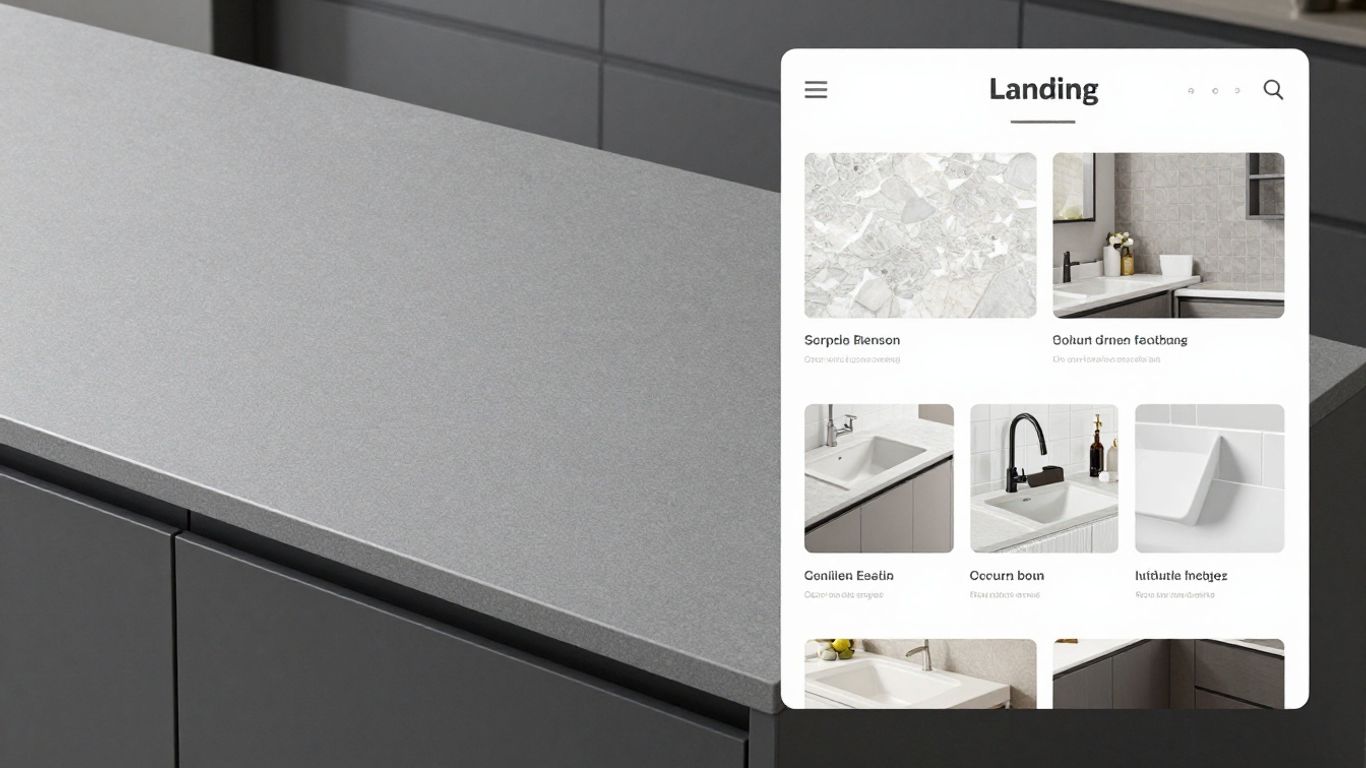
So, you've got these amazing countertops, right? Granite, quartz, marble: whatever it is, you want people to see them and think, 'Wow, I need that!' A good landing page is your digital showroom. It's not just a page; it's a carefully put-together sales pitch designed to get folks to take the next step, whether that's requesting a quote or scheduling a consultation. The goal is to make them feel confident and excited about upgrading their kitchen or bathroom.
Compelling Headlines And Copy
Your headline is the first thing people see. It needs to grab their attention immediately. Think about what your potential customers are looking for. Are they dreaming of a sleek, modern kitchen? Or maybe a durable, family-friendly surface? Your headline should speak directly to that desire. For example, instead of just 'Countertops for Sale,' try something like 'Transform Your Kitchen with Stunning, Durable Quartz Countertops.'
After the headline, your copy needs to keep them hooked. Explain the benefits, not just the features. Don't just say 'Our granite is tough.' Say 'Enjoy worry-free cooking and entertaining with granite countertops that resist scratches and heat.' Use language that paints a picture and connects with their aspirations. Keep sentences varied; some short and punchy, others a bit more descriptive. It's like telling a story about their future home.
Visuals That Showcase Countertop Quality
Let's be honest, countertops are visual. People want to see what they're buying. High-quality photos and videos are non-negotiable. Show off the different materials, colors, and finishes. Include close-ups of the texture and detail, as well as wider shots of countertops installed in beautiful kitchens and bathrooms. Think about showing different lighting conditions too, as that can really change how a countertop looks. A gallery or a carousel can work well here, letting people browse at their own pace. Seeing is believing, especially when it comes to something as significant as new countertops.
Clear Calls To Action For Granite And Quartz
What do you want people to do after they've seen your amazing countertops? You need to tell them! Your call to action (CTA) should be super clear and easy to find. Buttons like 'Get a Free Quote,' 'Schedule Your Design Consultation,' or 'View Our Gallery' are good starting points. Make sure the button stands out visually: a contrasting color usually does the trick. Don't overwhelm them with too many options; one or two primary CTAs are best. You want to guide them smoothly to the next step in their journey. This focused approach is key to maximizing conversions.
Think about the user's journey. They've clicked on your ad because they're interested in countertops. Your landing page needs to confirm they made the right choice and make it incredibly simple for them to move forward. Every element, from the headline to the final button, should work together to achieve that one goal.
Platform Specific Strategies For Countertop Ads
Google Ads Lead Form Integration
Google Ads offers a neat feature where you can run lead forms directly within the ad unit itself. This is super handy for countertop businesses because it cuts out a step for potential customers. Instead of clicking to a separate page, they can fill out their details right there. Think about it: someone sees your ad for granite countertops while searching on their phone, and they can submit their interest without ever leaving Google. This dramatically reduces friction, especially for mobile users.
Here's how to make it work for countertops:
- Keep it short: Only ask for the absolute must-haves. Name, phone number, and maybe a "best time to contact" field are usually enough to start. You can always follow up for more details.
- Use clear questions: Make sure people know exactly what you're asking. For example, "What type of countertop are you interested in?" with options like Granite, Quartz, Marble, etc.
- Set up follow-up: Have a plan for what happens after someone submits the form. Who gets the lead? How quickly will they be contacted? This is key to actually closing the deal.
When using Google Lead Forms, remember that the ad itself becomes the first point of contact. Make sure your ad copy and targeting are spot-on to attract the right kind of leads. A poorly targeted ad will just fill your form with junk.
Meta Ads Lead Generation Forms
Facebook and Instagram ads also have their own lead form tools, and they're pretty powerful for countertop companies. These forms are designed to pre-fill user information from their profiles, making it even faster for people to respond. This is great for reaching people who might not be actively searching but are interested in home improvement.
To get the most out of Meta lead forms for countertops:
- Targeting is everything: Use Meta's detailed targeting options to find homeowners, people interested in renovations, or those who have recently moved. This helps you find folks who are actually in the market for new countertops.
- Visuals matter: Since it's a visual platform, use high-quality images or videos of your best countertop work. Show off those beautiful slabs and finished installations.
- Offer an incentive: Consider offering a small discount, a free consultation, or a downloadable guide to countertop materials in exchange for their contact information. This gives people an extra reason to fill out your form.
Landing Page Strategies On Google Search
While lead forms are great for quick captures, landing pages still have a huge role, especially on Google Search. When someone clicks your ad, you want them to land on a page that's laser-focused on countertops and designed to convert. This is where you can really tell your story and build trust.
Key elements for a successful countertop landing page:
- Headline that matches the ad: If your ad promises "Free Granite Countertop Quotes," your landing page headline should say something very similar. Consistency builds confidence.
- Showcase your work: Use a gallery of high-resolution images of kitchens and bathrooms featuring your countertops. Before-and-after shots can be very effective.
- Clear call to action (CTA): Make it obvious what you want people to do next. Buttons like "Get Your Free Quote," "Schedule a Design Consultation," or "View Our Slab Gallery" work well.
- Social proof: Include testimonials from happy customers, star ratings, or logos of any affiliations. This helps build credibility.
| Feature | Google Lead Form | Countertop Landing Page |
|---|---|---|
| Speed of Submission | Very Fast | Moderate |
| Information Depth | Limited | High |
| Brand Building | Low | High |
| Mobile Experience | Excellent | Good (if optimized) |
When To Choose A Lead Form Over A Landing Page For Countertops
So, you're running ads for your countertop business and wondering if a quick lead form is better than sending people to a whole landing page. Honestly, for certain situations, the lead form is the way to go. It's all about making things super easy for people who are probably on their phones and just want to get a quick price or ask a simple question.
Maximizing Mobile Conversions
Let's face it, most people are scrolling through their phones these days. Trying to fill out a long form or read a bunch of text on a tiny screen can be a real pain. Lead forms, especially those built right into platforms like Facebook or Instagram, are designed for mobile. They pre-fill information, so users only have to tap a few buttons. This makes it way easier for them to actually send you their details.
- Reduced typing effort
- Faster submission times
- Fewer drop-offs due to complex forms
This simplicity is key to getting more people to actually contact you when they see your ad on their phone.
Simplifying the User Journey
Sometimes, you just want to get a basic inquiry without overwhelming the potential customer. A lead form is perfect for this. Think about someone who just saw a beautiful granite countertop and wants to know roughly how much it costs for their kitchen. They don't need to see your entire company history or a gallery of every single project. They just want a quote.
- Ask for name, email, and phone number.
- Add one or two specific questions, like "What type of material are you interested in?"
- Keep it short and to the point.
A lead form acts like a quick handshake, getting you the contact info you need without a long conversation right away. It's about getting the ball rolling easily.
Budget Constraints and Lead Volume
If you're on a tight budget or need to generate a high volume of leads quickly, lead forms can be more cost-effective. Because they reduce friction and are often integrated directly into ad platforms, they can sometimes have a lower cost per lead compared to driving traffic to an external landing page, which might involve more ad spend for clicks that don't convert.
| Ad Platform | Typical Cost Per Lead (Lead Form) | Typical Cost Per Lead (Landing Page) |
|---|---|---|
| Meta Ads | $15 - $40 | $20 - $60 |
| Google Ads | $25 - $75 | $30 - $100 |
Note: These are general estimates and can vary widely based on targeting, ad quality, and competition.
When To Prioritize A Landing Page For Countertop Prospects
Educating Potential Customers
Sometimes, people looking for countertops aren't just ready to buy. They might be in the early stages of a renovation, trying to figure out what material even works best for their kitchen or bathroom. A landing page is way better for this. You can put a lot more information there than you can on a quick lead form. Think detailed guides on granite versus quartz, explanations of different finishes, or even articles about maintenance. This kind of content helps people learn and feel more confident about their choices. It positions your business as a knowledgeable resource, not just another place to get a quote.
Building Brand Trust And Credibility
When you're asking someone to spend a good chunk of money on something like kitchen countertops, they want to know they're dealing with a reliable company. A landing page gives you the space to really show off your brand. You can include customer testimonials, photos of past projects, information about your company's history, and maybe even awards or certifications you've received. This builds trust. A simple lead form just doesn't have the room for all that. People are more likely to trust a business they feel they know a bit about.
Capturing Detailed Project Information
For countertop projects, the details really matter. You need to know the dimensions, the desired edge profiles, if there are sink cutouts, and so on. While you can ask for some of this in a lead form, a landing page allows for a more thorough approach. You could have dropdown menus for material types, checkboxes for specific features, or even a section where people can upload inspiration photos. This detailed information helps your sales team prepare better quotes and understand the customer's needs more precisely from the start. It cuts down on back-and-forth later.
A landing page acts like a digital showroom and consultation room rolled into one. It's where you can really engage with potential customers, answer their questions before they even ask, and gather the specific details needed to provide an accurate and compelling proposal. It's about quality over speed in these situations.
Thinking about getting new countertops? Sometimes, a special webpage, called a landing page, is the best way to grab the attention of people looking for them. It's like a focused advertisement just for them. Want to see how we can help you create the perfect landing page to attract countertop shoppers? Visit our website today to learn more!
So, What's the Verdict?
Alright, so we've looked at lead forms and landing pages for countertop ads. Honestly, there's no single 'best' answer that fits everyone. If you're running ads on platforms like Facebook or Instagram, and you want to make it super easy for people to give you their info right then and there, lead forms can work. They cut out a step. But, if you're aiming for more serious buyers, especially from Google Search where people are actively looking for countertops, a dedicated landing page is usually the way to go. It lets you really sell your services, show off your work, and build trust before asking for contact details. Think about your ad platform, what your customers are doing, and what you want them to do. Test both, see what gets you the most qualified leads, and then double down on what works for your specific business. It’s all about getting those calls and appointments, right?
Frequently Asked Questions
What's the main difference between a lead form and a landing page for countertop ads?
Think of it like this: a lead form is like a quick sign-up sheet right on the ad itself. It's super fast for people to give you their info without leaving the app or website they're already on. A landing page is a whole separate webpage built just for your ad, where you can show off more pictures and details about your countertops before they decide to contact you. It's more of a deep dive.
When should I use a lead form for my countertop business?
Lead forms are awesome when you want to make it super easy for people on their phones to get in touch. If you're running ads on Facebook or Instagram, and you just need a name, email, and phone number to follow up, a lead form is a great choice. It cuts out extra steps and can get you more contacts quickly, especially if you're on a tighter budget.
Why would a landing page be better for selling countertops?
A landing page is your chance to really sell the dream! You can show off stunning photos of granite and quartz, explain why your craftsmanship is top-notch, and tell your story. It's perfect for educating potential customers who want to know all the details before they commit. Plus, you can collect more specific info, like project size or preferred material, which helps you know exactly what they need.
Can I use lead forms on Google Ads for countertops?
Yes, you absolutely can! Google Ads lets you use lead forms directly within your search ads. This means someone searching for 'kitchen countertops near me' could fill out a quick form right there on the search results page. It's a neat way to capture leads instantly, especially when people are actively looking.
How do I make sure the leads I get from a form are good quality?
To get better leads from forms, only ask for the most important information. Don't make the form too long! You can also add a question that requires a bit more thought, like 'What's your project timeline?' This helps filter out people who aren't serious. Following up quickly with the leads you get is also key to turning them into customers.
What's the most important thing to have on a landing page for countertops?
The most crucial parts are a catchy headline that grabs attention, amazing pictures or videos of your beautiful countertops, and a clear button telling people exactly what to do next, like 'Get a Free Quote' or 'Schedule a Consultation'. You need to make it obvious why they should choose you and how easy it is to take the next step.