Key Takeaways
A trade show becomes more valuable when it is treated as a measurable campaign rather than a busy weekend at a booth. The strongest results usually come from connecting pre-show promotion, in-person qualification, and disciplined follow-up.
- Define the audience, targets, and allowable acquisition costs before reserving the booth.
- Use landing pages, paid media, email, and retargeting to create demand before the event.
- Build the booth around homeowner problems and clear next steps.
- Capture enough lead data to personalize follow-up without slowing conversations.
- Measure consultations and revenue, not just badge scans or booth traffic.
Set trade show goals and build the financial model
A trade show can produce awareness, partnerships, appointments, or near-term sales, but those outcomes should not be blended into one vague goal. Start with the business reason for attending and decide what a successful event would change six or twelve months from now. That decision shapes the booth, the offer, the staffing plan, and the reporting you need afterward.
The event itself is only one part of the investment. Travel, labor, samples, freight, sponsorships, creative, paid media, and follow-up time all belong in the model. A simple forecast gives the team a useful boundary before enthusiasm turns into an oversized spend.
Define the audiences worth meeting
Not every attendee has the same value to a window treatment company. A homeowner who is actively planning a project may need a consultation, while an interior designer, builder, or remodeler may become a referral partner over time. Write these audiences down and decide which ones deserve the most booth attention.
For industry events, audience research can begin before registration. The International Window Coverings Expo, for example, is positioned around window covering professionals, suppliers, and decision-makers, so a dealer may plan different conversations for peers, trade partners, and prospective customers. The point is not to collect everyone’s information; it is to identify the people your sales process can actually serve.
Set lead, appointment, and revenue targets
Work backward from the revenue goal. If the company wants a certain number of new projects and its normal consultation-to-sale rate is known, estimate how many qualified conversations and appointments are needed. Then assign targets to the event, the pre-show campaign, and the follow-up period rather than expecting the booth alone to carry the result.
A useful target sheet separates total leads from qualified leads. It also records booked consultations, completed consultations, proposals, and closed revenue. That prevents a large scan count from hiding a weak handoff between marketing and sales.
Calculate allowable cost per lead and customer
Set an allowable cost per customer from gross profit, average project value, and the margin the company needs to preserve. From there, estimate a tolerable cost per qualified lead using realistic conversion rates. These are planning thresholds, not promises, and they should be revised when actual sales data comes in.
Include the cost of speed. If staff must spend several days entering notes, calling contacts, and rebuilding lists, that labor is part of acquisition cost. A cheaper booth that produces messy data may be more expensive than a better-organized event with fewer but more useful conversations.
Separate brand exposure from measurable pipeline
Exposure has a role, particularly when a company is entering a new market or meeting referral partners. It should still be reported separately from leads and revenue. Track booth visits, social reach, video views, and partner conversations as awareness indicators, while consultations, opportunities, and sales belong to the pipeline report.
This distinction makes the post-event review more honest. A show can be worthwhile for relationship building even if it misses a direct revenue target, but that conclusion should come from evidence rather than a general feeling that the booth was busy.
Build the pre-show window treatment trade show marketing plan
The weeks before the event determine how many people arrive with a reason to find you. A generic announcement rarely gives a prospect enough motivation to stop, so build a small campaign around the event, its audience, and a specific next step. This is where window treatment trade show marketing starts behaving like a normal demand-generation program.
Use one message across the landing page, ads, email, and booth invitation, then adapt the creative to each channel. The event’s own schedule and educational material can also help shape useful content; professionals planning for IWCE 2026 can review the Raleigh education program while deciding which conversations matter to them.
Create dedicated landing pages for the event
Send event traffic to a page built for the show instead of the general homepage. It should explain who the company helps, what visitors can see or discuss, where to find the booth, and how to request a consultation. Keep the form short, but include a clear event source in the URL or hidden fields so reporting survives the handoff.
The page should also load quickly on a phone. Many prospects will see an ad in a parking lot, receive a forwarded email, or scan a code while walking through the venue. A strong headline, a few credible project examples, and one primary call to action usually beat a page crowded with every service the company offers.
Promote the booth through Google, Meta, and email
Use Google Search for people already looking for window coverings, consultations, or solutions related to the event. On Meta, test short videos and still images that show the problem being solved, then narrow the message by geography and likely audience where the available data supports it. Email can reach existing contacts more efficiently, especially when the invitation includes a reason to schedule before the show.
Keep campaign naming consistent across platforms. Record the event, audience, offer, and creative angle in the campaign structure so the team can later tell whether search, social, or email created the better opportunities.
Use customer lists and retargeting audiences
Existing customers, past inquiries, and referral partners should not all receive the same message. A past customer may respond to a design preview or referral invitation, while an old estimate lead may need reassurance and a consultation offer. Build audiences only from contacts the company is allowed to use, and exclude people who have already booked when the goal is appointment generation.
Retarget people who visit the event page or watch the promotional video, but cap frequency so the campaign remains helpful. A short sequence of reminders is usually more effective than showing the same booth graphic for weeks.
Offer a specific reason to book before the show
The pre-show offer should make the next step concrete. It might be a reserved design conversation, a project-planning review, or a limited set of consultation times during the event. Avoid vague language such as “learn more” when the sales team needs a booked appointment.
A useful offer also sets expectations. Tell prospects how long the conversation takes, what information to bring, and what they will leave with. That reduces uncertainty and gives the sales team a better starting point when the appointment occurs.
Turn the booth into a conversion-focused sales environment
The booth is a physical landing page. It has only a few seconds to communicate what the company does, whom it helps, and what a visitor should do next. Design decisions should therefore support conversation and qualification, not merely fill the space with samples.
Think in paths: attract attention from the aisle, demonstrate a relevant solution, answer a practical question, and invite a low-friction next step. Staff should be able to move visitors through that path without delivering a long rehearsed pitch.
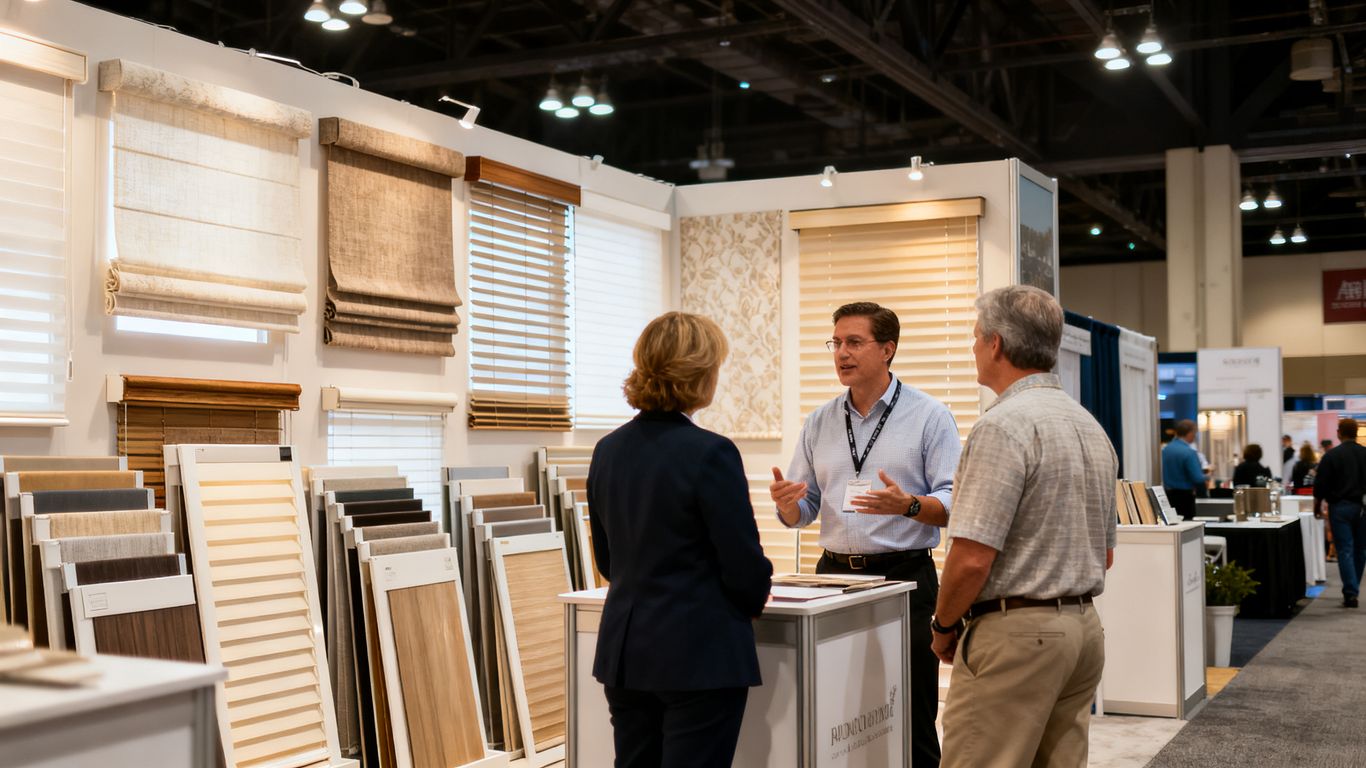
Showcase products around real homeowner problems
Homeowners rarely begin with a product category. They begin with glare in a media room, a bedroom that feels exposed, rooms that overheat, or windows that are difficult to reach. Organize displays around those situations so visitors can recognize their own homes quickly.
Use concise prompts such as “Which room is giving you trouble?” or “What would you change about the light in that space?” The answer can guide the demonstration and reveal whether the visitor is browsing, planning, or ready to buy.
Use displays that demonstrate light control, privacy, and automation
A sample is more persuasive when visitors can see and feel the difference it makes. Show how materials alter light, how a covering changes privacy, and how an automated option operates when that capability is part of the offering. Keep the demonstration short enough that another visitor can understand it from nearby.
The display should also be practical. Labeling samples by problem or use case can help a visitor remember the conversation later, even when the booth is crowded. Avoid making technical detail the first barrier to engagement.
Create clear calls to action for consultations and estimates
Give visitors a choice of next steps, but do not offer so many that none feels important. A scheduled consultation, an estimate request, or a follow-up design conversation can each work when the team explains what happens next. The call to action should appear on the booth, the handout, the QR destination, and the staff’s closing language.
A good close is direct without being pushy: ask whether the visitor would like to reserve time or receive a tailored follow-up. The answer itself becomes a useful qualification signal.
Prepare staff scripts for qualifying visitors
Scripts are not meant to make every interaction sound identical. They give staff a consistent way to ask about the project, timing, decision-makers, and preferred next step. Train the team to listen for buying intent instead of rushing to describe every available product.
A compact qualification sequence can cover:
- The room or property involved.
- The main problem the visitor wants to solve.
- The expected project timeline.
- Whether other decision-makers need to be involved.
- The most useful follow-up action.
After the questions, staff should repeat the key detail back to the visitor. That small confirmation improves the quality of the note and makes the later outreach feel personal rather than automated.
Make the booth experience easy to photograph and share
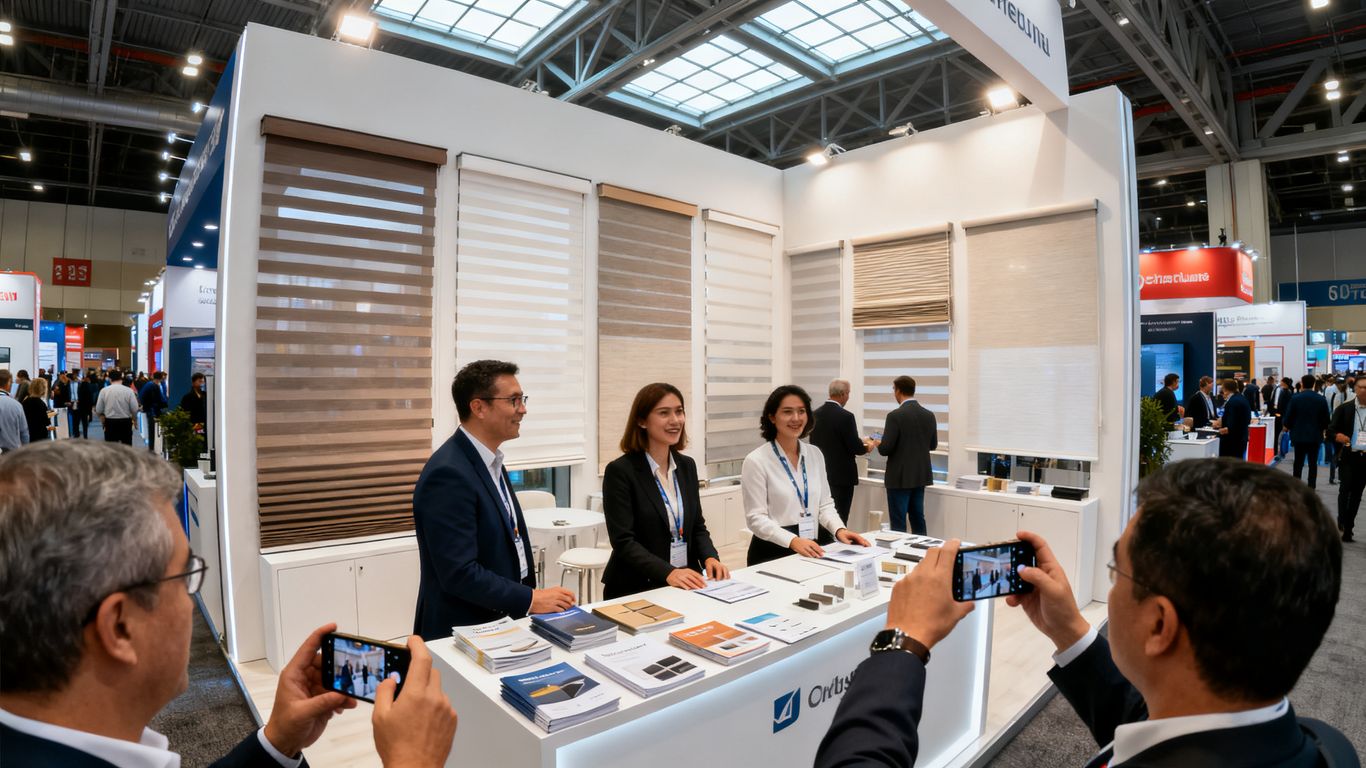
People are more likely to share a booth when the scene is visually clear and the experience gives them something worth capturing. Use attractive product combinations, a well-lit demonstration area, and a simple visual moment that does not depend on dense copy. Invite visitors to photograph a sample or short demonstration when appropriate.
Create a consistent event hashtag only if the team will monitor it and respond. A handful of useful posts from staff and visitors can extend the event beyond the exhibit hall, but forced social prompts can make the interaction feel transactional.
Capture and qualify leads without creating friction
Lead capture should feel like a continuation of the conversation, not a separate administrative task. The best method depends on the event, the staff, the available connectivity, and how quickly the company can move data into its working systems. Test the process before the doors open, including the confirmation message and ownership of each new contact.
Ask only for information that will change the follow-up. If a field does not affect routing, timing, personalization, or reporting, it probably does not belong on the first form.
Choose the right form, QR code, or event app
A short mobile form works well when staff can enter notes immediately. A QR code gives visitors control, but it requires a fast destination and a clear reason to scan. An event app may be useful when it exports cleanly and the team understands what data it provides.
Use a backup method for dead batteries, weak service, or visitors who do not want to type. Paper is acceptable as a contingency if someone is assigned to transcribe it promptly and check for errors.
Collect project details that improve follow-up
Ask about the project rather than collecting trivia. Room type, primary concern, approximate timing, property status, and preferred contact method are often more valuable than a long demographic profile. A free-text note can preserve the exact phrase a visitor used, which may become the opening line for the follow-up.
Explain why you are asking. People are more comfortable sharing details when they understand that the answers will help the company recommend a relevant next conversation.
Tag leads by product, timeline, and buying intent
Use a small, shared tagging system. Tags should be clear enough that a salesperson can act on them without interpreting marketing jargon. Avoid creating dozens of categories that look precise but are applied inconsistently.
A practical lead record might include these fields:
| Field | Example values | Follow-up use |
|---|---|---|
| Project stage | Researching, comparing, ready | Sets urgency and sequence |
| Timeline | 0–30, 31–90, 90+ days | Determines contact cadence |
| Primary need | Light, privacy, comfort | Guides content and sales opener |
| Next action | Call, estimate, consultation | Assigns ownership |
The table works because each field leads to a decision. If the team cannot explain what action a tag triggers, remove or simplify it before the show.
Connect trade show data to the CRM and ad platforms
Map the event source, campaign, salesperson, and lead status before importing contacts. Confirm that the CRM can distinguish a scanned contact from a qualified opportunity and that ad audiences receive only the fields permitted by the company’s privacy practices. Test a complete record from capture through assignment and reporting.
This is also the moment to check duplicate handling. A past customer who visits the booth should not become a brand-new prospect with a blank history. Preserving the relationship gives the salesperson useful context and keeps revenue attribution cleaner.
Get permission for email and remarketing
Consent should be explicit and easy to understand. Tell visitors what they will receive, how often communication may occur, and how they can opt out. Separate a request for a one-time event follow-up from broader promotional permission when the applicable rules or company policy require it.
Respecting that choice protects trust. It also improves the quality of the audience because people who genuinely want follow-up are more likely to engage with the next message.
Use paid media and content during the event
The event creates a temporary concentration of relevant people, questions, and visual material. Paid media and organic content can extend that moment, but only when the message reflects what is actually happening on the floor. Plan a few formats in advance while leaving room to respond to live interest.
The campaign does not need to be large. A tightly bounded geographic audience, useful video, and a clear landing page can support the booth without competing with the company’s regular lead-generation campaigns.
Run location-based campaigns around the venue
Location-based campaigns can remind nearby attendees that the booth exists and can reach people researching the event from their phones. Keep the radius and schedule limited to the venue area and event hours when that is the strategic intent. Use a direct message with the booth location and one action, rather than sending people to a general brand page.
Monitor reach, frequency, and landing-page engagement. If the audience is small, high frequency may happen quickly, so adjust the campaign rather than assuming more impressions will create more visits.
Publish short-form video from the show floor
Short videos should answer a question or demonstrate a difference in a few seconds. Film a staff member explaining a light-control sample, a visitor-safe product demonstration, or a quick response to a common planning concern. Capture clean audio where possible and add captions during editing for people watching without sound.
The best clips are usually specific. “Here is how this sample changes the room” gives viewers more reason to continue watching than a general booth tour.
Retarget visitors who engage with event content
Retarget people who visit the event landing page, watch a meaningful portion of a show-floor video, or interact with the event post, subject to consent and platform rules. Change the message after the event: move from “find us today” to “continue the conversation” or “reserve a consultation.”
Exclude completed bookings and recent customers when those groups should receive a different message. Audience hygiene keeps spend focused and prevents awkward reminders.
Turn product demonstrations into reusable ad creative
Film demonstrations vertically and horizontally when practical, then create several edits from the same session. One cut might focus on the homeowner problem, another on the visual result, and a third on the consultation invitation. Keep the claims literal and avoid implying that one product solves every room or every use case.
A well-organized creative library can support later paid campaigns, website pages, and sales follow-up. Add the event date and context to the file name, but make the finished ad useful even after the event is over.
Adjust messaging based on live questions and objections
The questions asked at the booth are valuable research. If several visitors ask about installation timing, cleaning, glare, or budgeting, turn those themes into new ad copy and follow-up content. Do not wait until the formal review to record them; assign one person to capture recurring questions during each event day.
The response should remain grounded in what the company can actually provide. A clear answer to a narrow concern often performs better than a broad promise designed to appeal to everyone.
Follow up quickly and nurture undecided prospects
Trade show leads cool quickly because visitors return to work, travel home, and compare options. Speed matters, but relevance matters just as much. The first message should remind the prospect where you met, reflect the project detail they shared, and offer the next step that was discussed.
Create the follow-up before the event begins. That includes templates, assignments, call windows, scheduling links, and rules for escalating a high-intent contact to a senior salesperson.
Create separate sequences for hot, warm, and early-stage leads
A ready-to-buy homeowner should not receive the same sequence as someone gathering ideas for a future renovation. Hot leads need a direct human response, warm leads may need helpful proof and a consultation invitation, and early-stage contacts can receive educational material at a slower pace.
Keep the sequences short enough to manage. Each message should have a purpose, and each reply should move the contact to a person or a clearer status rather than simply adding another automated touch.
Contact high-intent prospects within one business day
A high-intent lead usually has a near-term timeline, a defined project, and a willingness to schedule. Assign that contact to a named person and aim for a call or personalized email within one business day. If the prospect does not answer, leave a useful reason to respond instead of a generic request to call back.
The salesperson’s notes matter here. Mentioning the room, concern, or timing from the booth can make the first outreach feel like a continuation rather than a cold lead response.
Use email, phone, SMS, and remarketing together
Channels should support one another, not repeat the same message mechanically. Email can carry details, phone can handle questions, SMS can confirm an appointment when permission exists, and remarketing can keep the company familiar while the prospect decides. Suppress contacts who have opted out or already completed the desired step.
A simple cadence is easier to maintain than an elaborate one. Coordinate the channels around a clear status so the prospect does not receive an appointment invitation after already booking one.
Address common window treatment buying objections
Most objections are requests for clarity. Prospects may be unsure about cost, installation disruption, decision timing, materials, maintenance, or whether a consultation will be worthwhile. Answer the concern directly, explain what the next step involves, and avoid turning every response into a hard close.
Content from the event can help here. A short demonstration, a practical FAQ, or a photo of a relevant sample may be more persuasive than another general sales message.
Move qualified leads toward an in-home or virtual consultation
The consultation is the bridge between interest and a usable project recommendation. Explain what the team will review, how long it takes, and what the prospect should prepare. Offer in-home and virtual options when the business can genuinely support both formats.
Make scheduling easy by presenting a few suitable times or a direct booking path. The appointment booking option should be framed as the next useful step, not as an obligation to purchase.
Measure results and improve the next event
The post-show review should connect marketing activity to sales outcomes. Pull the data after enough time has passed for consultations, proposals, and delayed decisions to develop, while also recording immediate indicators such as response rate and appointment speed. A consistent reporting window makes one event easier to compare with another.
Use the review to improve the system, not to assign blame. If leads were good but follow-up was slow, the fix is operational. If traffic was high but qualification was weak, revisit the booth conversation and form design.
Track source, show, campaign, and salesperson attribution
Every record should retain the event name, source, campaign, capture method, and assigned salesperson. Use consistent naming across ads, forms, QR codes, and CRM fields. This makes it possible to distinguish a paid search lead from an organic event-page visit or a direct booth interaction.
Attribution will never answer every question perfectly, especially when prospects see several messages before speaking with sales. It can still reveal patterns when the definitions stay stable.
Compare leads with booked consultations and closed revenue
A lead count is an early activity metric. The more useful comparison is how many contacts became qualified opportunities, booked consultations, proposals, and closed projects. Break results down by audience and timeline when the sample is large enough to avoid overreading small differences.
The event’s return should include revenue timing. Some projects may close well after the show, so set a review date for immediate results and another for the longer sales cycle.
Review landing page, ad, and booth conversion rates
Look at the complete path: impressions to clicks, clicks to form completions, booth conversations to captured leads, captured leads to consultations, and consultations to opportunities. A weak rate at one stage can make every later stage look worse. Diagnose the bottleneck instead of broadly increasing spend.
This is where the window treatment marketing partner perspective can be useful for a company that wants to compare paid search, SEO, website, and conversion work as one connected system rather than as isolated tasks.
Identify which products and offers generated demand
Review the product tags, questions, creative, and booked appointments together. A product that receives attention may not be the one that creates qualified demand, while a modest offer may produce better appointments because it matches the visitor’s readiness. Record those differences for the next event.
Also compare the audience response. A homeowner offer, designer conversation, and contractor partnership pitch may require different messages and different success measures.
Turn trade show insights into evergreen SEO and paid campaigns
The event can supply a useful backlog of content. Repeated questions can become service-page sections, search campaigns, short videos, email topics, or consultation FAQs. The window covering event calendar and retailer marketing ideas can provide additional planning prompts, but the strongest evergreen material will come from the questions your own prospects actually asked.
Keep the language close to customer language and test it in paid campaigns before investing heavily in a larger content project. Over time, the show becomes more than a one-time promotion: it becomes a source of practical market research.
Make the Next Show Easier to Book
If trade shows are part of your growth plan, build the booking step into the campaign before the booth is assembled. A focused landing page, prepared follow-up, and clear consultation path can turn event interest into a manageable sales pipeline. Consider working with a team that understands paid media, websites, and the longer buying cycle of home services, then schedule a conversation to map the next event to your revenue goals.
Conclusion
Trade shows pay off when every stage has a job: pre-show campaigns create intent, the booth turns attention into qualified conversations, and follow-up turns those conversations into consultations and revenue. Treat the event as a connected marketing and sales system, measure the full path, and use the questions you hear to make the next campaign smarter.
Frequently Asked Questions
How far in advance should a window treatment company promote a trade show?
Begin several weeks ahead, with enough time to build the landing page, establish audiences, invite existing contacts, and let prospects schedule conversations. Increase reminders as the event approaches, then shift messaging during and after the show.
What should a trade show booth display?
Display products in the context of homeowner problems such as glare, privacy, comfort, or difficult-to-reach windows. Include demonstrations and a clear next step so visitors understand both the value and the path to getting help.
What information should a trade show lead form collect?
Collect the project type, primary concern, approximate timeline, contact details, preferred contact method, and next action. Keep the form short and explain how the information will improve the follow-up.
How quickly should trade show leads be contacted?
High-intent leads should be contacted within one business day. Earlier contact is useful when practical, but the message should reference the conversation and offer a relevant next step rather than sending a generic automated reply.
Should trade show leads enter an email nurture sequence?
They can, provided the contact gave appropriate permission and the sequence matches their buying stage. Separate ready-to-buy prospects from early researchers and stop promotional messages when someone opts out or books the intended appointment.
How can a company measure trade show ROI?
Track the full path from event and campaign source through qualified leads, consultations, proposals, and closed revenue. Include booth, staffing, travel, promotion, and follow-up costs so the return reflects the complete investment.
What should a company do with questions asked at the booth?
Record recurring questions and objections during the event, then turn them into useful sales answers, website content, email topics, or paid ad tests. Customer language from the show can improve future campaigns when it is kept specific and accurate.