Marketing Playbook for Overhead Door Franchises: Balancing National Brand With Local Hustle
Key Takeaways
Balancing national brand visibility with local market needs is essential for franchise growth in the garage door industry. Effective marketing integrates corporate support with localized tactics to drive consistent demand.
- Align local strategies with overarching brand standards to preserve identity.
- Prioritize high-intent channels like LSA for urgent service requests.
- Use geo-targeting to maximize budget within defined territory boundaries.
- Implement robust tracking to differentiate corporate leads from local efforts.
- Collect local social proof to build community trust and defend pricing.
Establishing a local footprint within national brand guidelines
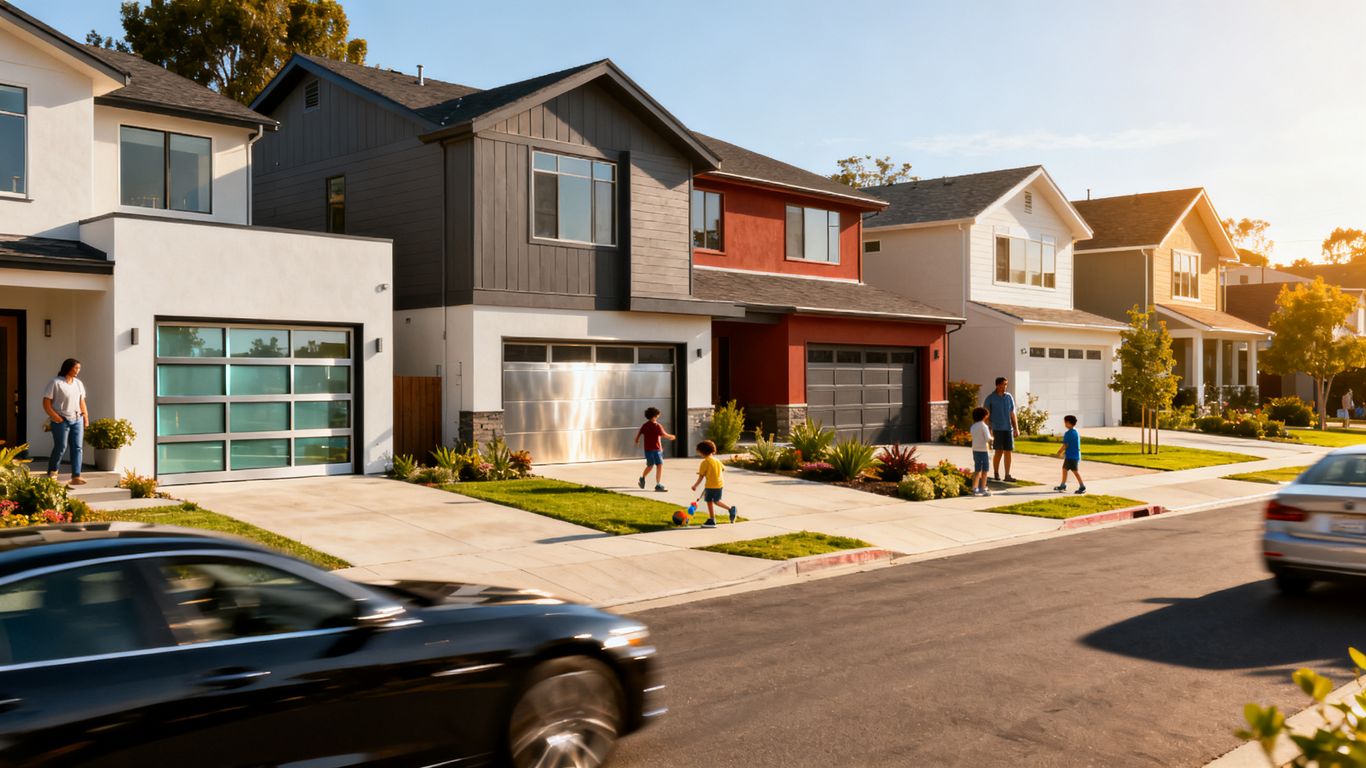
Scaling an overhead door franchise requires a delicate balance between adhering to corporate mandates and speaking the language of your specific neighborhood. When contractors operate under a recognized banner, they tap into established trust markers, but the real growth happens when that brand identity meets local customer needs directly. It is essential to maintain consistency while ensuring your messaging feels like a neighbor, not just a national conglomerate.
Adhering to brand consistency without sacrificing local relevance
Corporate guidelines often provide the visual assets and tone of voice, but local owners are the ones who understand daily pain points in the community. You should interpret core brand pillars through the lens of your service area’s unique demographic profile. Following a proven framework, such as the one offered by ProLift Garage Doors, allows owners to leverage ten years of experience while still making a distinct impact in their own backyard.
Creating location-specific website sub-pages
Generic city pages often fail to capture the nuances of local searches, leaving potential customers to look elsewhere for specialized care. By building out sub-pages that address specific neighborhoods or towns within your territory, you provide users with relevant information that directly answers their intent. This localized approach demonstrates that your operation is accessible, professional, and hyper-aware of the specific needs of local homeowners.
Managing local social media accounts versus corporate profiles
Corporate social profiles frequently focus on high-level announcements or general brand awareness, leaving a gap for localized engagement. Your local business account should bridge this by highlighting actual jobs completed in the community, local team members, and immediate service availability. This creates a personal connection that national profiles simply cannot replicate, turning a distant brand into a familiar, immediate solution for residents.
Navigating territory restrictions in your marketing radius
Advertising boundaries prevent internal friction between neighboring franchisees while ensuring clear market ownership. You must align your paid media campaigns with the exact radius defined in your franchise agreement to avoid wasted spend on areas you cannot service. This precision ensures your marketing remains compliant with the network's internal policies while focusing your budget where it returns the highest yield.
Maximizing local SEO for overhead door territories
Capturing the top spots in search results for garage door services relies on demonstrating authority exactly where your trucks operate. Homeowners searching for immediate repairs typically look at the first three options on the map pack, making localized optimization a primary driver for lead volume.
Optimizing Google Business Profile for service-based garage door operations
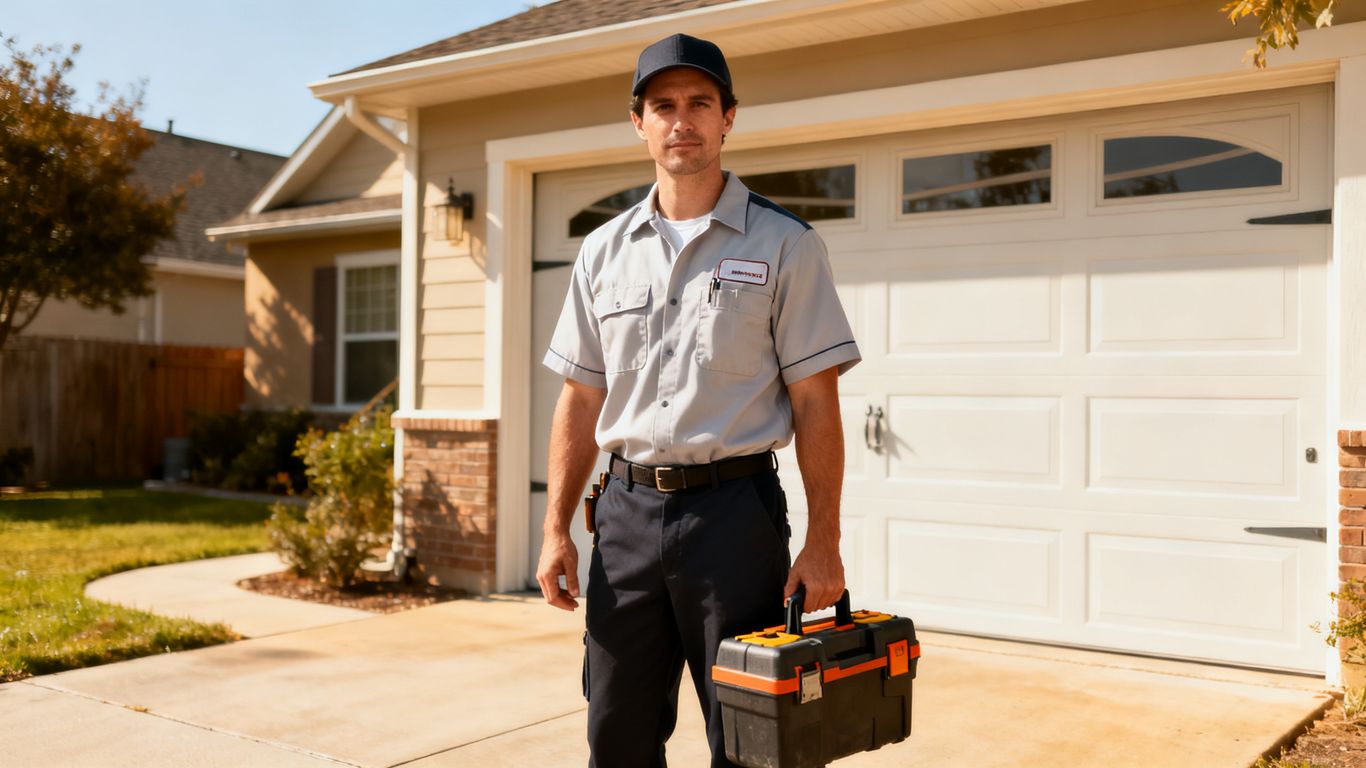
Consistent name, address, and phone data across the web is the backbone of your visibility. For service-based companies like Precision Garage Door Service, maintaining an updated profile that explicitly lists all service areas is critical. Ensure your business hours are accurate, as homeowners often seek same-day support outside of traditional nine-to-five blocks.
Building local citations that reinforce your specific territory
Citations act as digital proof of your business footprint in local directories and industry platforms. Verify that your business profile appears consistently across municipal sites, chamber of commerce listings, and relevant trade associations to bolster your local standing. This consistency tells search engines that your business is a legitimate, well-established fixture within the specific counties you serve.
Developing localized content hubs for garage door repair and replacement
Creating articles about common regional issues, like handling severe storms or seasonal climate damage to doors, positions your business as the expert. This type of high-quality content helps you rank for specific problems rather than just general terms, drawing in homeowners looking for solutions to their door problems. Brands like GarageExperts have demonstrated how focusing on specialized niches can lead to strong sector-specific authority.
Managing review pipelines to outrank nearby local competitors
Aggressive review acquisition strategies can significantly influence your local search ranking. By systematizing how you request feedback following every job, you ensure a steady stream of new reviews. These reviews carry immense weight with search algorithms and act as a primary filter for selection among potential customers currently shopping for service.
Paid media strategy for urgent service requests
When a garage door breaks, it creates a security problem, making the lead exceptionally high-intent. You need a fast, direct approach that puts your phone number and service availability in front of them immediately.
Prioritizing Local Services Ads (LSA) for high-intent leads
Local Services Ads represent the top shelf of your lead capture, being the most visible and trusted placement for emergency requests. Because you only pay for leads, this channel offers a direct line to customers who are ready to book a service technician as quickly as possible.
Structuring Google Ads campaigns for emergency and residential services
Effective campaign structure requires granular control over keywords related to immediate repair versus long-term installation. The following table illustrates the common lead quality differences across various campaign types:
| Lead Type | Intent Level | Conversion Rate | Budget Allocation |
|---|---|---|---|
| Emergency Repair | Extremely High | 25-40% | 60% |
| Routine Maintenance | Moderate | 10-15% | 25% |
| Full Installation | Low (Informational) | 5-8% | 15% |
Data gathered from managing these campaigns daily suggests that prioritizing spend toward emergency repair keywords yields the most predictable return during the busy season. You can schedule a meeting to discuss how to shift your current budget focus if you find your conversion rates for maintenance are stagnant.
Using geo-fencing and radius targeting to optimize budget efficiency
Focusing your paid spend inside a tight radius keeps your cost per acquisition lower, as you avoid paying for clicks in regions that are too far to reach profitably. We have seen that narrowing geographic targeting allows your daily budget to last much longer, ensuring you capture more calls during peak demand hours.
Handling lead seasonality with automated bidding strategies
Automated bidding can adjust your bids based on real-time competition for expensive keywords in your local market. These strategies are particularly useful for scaling up during peak months while automatically throttling spend during expected slow cycles, ensuring you don't overspend on low-intent window shoppers during off-peak times.
Driving conversions on franchise-compliant landing pages
Landing pages act as the final hurdle, transforming clicks into actual scheduled service appointments. Given the urgency of garage door issues, the path to booking must be frictionless, immediate, and reassuring to the site visitor.
Designing mobile-first paths for emergency service calls
Most homeowners research door services on their phones while standing in the driveway, meaning your page must be optimized for speed. Here are the core elements needed on any high-converting landing page:
- A visible, clickable phone number located in the top header.
- A simple contact form with only three essential requirement fields.
- Trust badges indicating your professional affiliation and license status.
- Clear, concise guarantees regarding service response time.
These elements work together to ensure that even a stressed customer finds it simple to reach your team. By maintaining a clean layout, you lower the barrier to entry, ensuring your traffic leads to meaningful interactions rather than bounces.
Integrating corporate trust signals and certification badges
Visitors feel more comfortable when they see recognized badges indicating insurance and professional certification. These markers reinforce that your local team is vetted by the corporate body, providing peace of mind to homeowners inviting a service person into their house for the first time.
A/B testing offer variations for repair versus full installation
Testing different hooks allows you to understand what truly drives action in your specific market. For example, some customers may respond better to a discount on a spring replacement, while others might prefer a free estimate for a full door upgrade. Continual small tests prevent your messaging from becoming stagnant and ensure your landing page strategy evolves with market demand.
Streamlining form submissions with centralized CRM integration
Connecting your web forms directly to your CRM prevents potential leads from falling through the cracks. Immediate alerts to your dispatch desk ensure your response time matches the urgency of the homeowner's request. Efficiency in this handover stage often determines whether you win the job or if the customer keeps calling down the list.
Reputation management and multi-location social proof
Trust is your most valuable asset when operating in a competitive trade industry where your team goes into people's homes. Reputation management isn't just about handling negative feedback; it is about actively building a library of positive experiences.
Automating review generation post-service call
Consistent reminders sent via email or text immediately following your service visit significantly boost your total review volume. This ensures recent customer satisfaction is captured while the door issue memory is still fresh. A steady flow of reviews keeps your profile attractive to search engines and potential local leads alike.
Responding to negative feedback within brand guidelines
Addressing a negative review requires a cool head and a focus on resolving the issue publicly. Acknowledge the disappointment, express genuine intent to make it right, and move the conversation toward a private resolution channel. This professionalism demonstrates to future customers that you stand by your service.
Leveraging user-generated content from local door installations
Photos of successful installations provide tangible proof of your work quality that sales brochures often lack. Encourage your team to snap clear images of finished projects with the homeowner's permission to feature on your site or social channels.
Authenticity builds trust far faster than stock imagery ever could, especially when the photos show the specific houses and streets in your actual operating neighborhood today.
Using this localized content keeps your social proof anchored in reality, which defends your ability to command premium pricing. It signals that your work is done by local professionals who treat every installation as if it were for a neighbor.
Using localized social proof to defend pricing power
When your local market is saturated with low-ball providers, your deep repository of positive testimonials becomes a competitive moat. By showcasing reviews that specifically praise your technicians' courtesy and punctuality, you justify why your price reflects higher service standards.
Tracking and attribution across the franchise stack
Measuring the true impact of your marketing spend requires clear data on which channels generate qualified jobs versus junk leads. Without this clarity, it is impossible to optimize your strategy.
Setting up multi-channel conversion tracking for offline jobs
Tracking offline conversions, like phone calls that result in a desk booking, requires using call tracking software that links back to the original ad click. This allows you to differentiate a high-value emergency call from a general inquiry that might not convert into a paid visit.
Differentiating corporate-generated leads from local-effort leads
Using distinct sets of tracking numbers or campaign identifiers for corporate spend allows you to gauge how much of your daily volume is homegrown versus brand-driven. This distinction is vital for understanding your local ROI and determining where to double down on your own advertising spend versus relying on corporate initiatives.
Ensuring pixel data compliance for national privacy standards
Corporate standards often mandate strict controls over user data and pixel implementations on local sites. You must maintain compliance with these standards while ensuring your conversion data is still being processed and reported correctly to inform your bidding tactics.
Utilizing reporting dashboards to measure local ROI versus corporate spend
Aggregated reporting allows you to see the big picture of your spend efficiency, comparing your customer acquisition costs across different platforms. Regular auditing of these dashboards ensures you are investing in channels that produce revenue, not just traffic.
Conclusion
Successful overhead door franchise marketing creates a bridge between broad brand recognition and deep, local customer trust. By mastering your local SEO, perfecting your high-intent paid media, and maintaining a consistent reputation, you establish a resilient business that thrives within your territory. The key to staying ahead in this competitive space is continuous adaptation: using data to refine your focus, testing new conversion triggers, and never missing an opportunity to show your community why your service is the preferred local standard.
Frequently Asked Questions
How do I handle brand updates if they contradict local market trends?
Corporate-provided guidelines are generally meant to maintain a broad standard, but if a strategy fails in your territory, you should document the local data and request a discussion with your franchisor about adapting the assets to fit local needs better.
Should I prioritize Google Maps over traditional website SEO?
Both are essential, as your Google Business Profile drives immediate map pack visibility while your website captures organic traffic from users doing intensive research, creating two complementary pillars for your local web strategy.
How can I make my social media content feel more local?
Focus on tagging local businesses, sharing updates about community events, and featuring photos of your actual team working on local houses rather than using generic corporate stock images.
What is the most effective way to address a service-related complaint online?
Promptly respond with an appreciative, professional tone that centers on solving the problem, and always try to move the detailed discussion to a private channel to resolve the customer’s concerns away from public view.
Do automated bidding strategies require manual oversight?
While automated systems function well at scale, they still require regular oversight to ensure they are bidding on the right intent levels, particularly in highly competitive residential garage door markets where seasonality creates major shifts each quarter.
How long does it usually take for localized pages to start ranking?
Rankings depend on the competitive landscape of your city, but with high-quality localized content and consistent citation building, you can typically see significant footprint improvements within three to six months of optimization effort.
Is it worth investing in offline marketing for a garage door franchise?
Yes, local brand awareness through community involvement or direct mailing often acts as a multiplier for your digital efforts, as homeowners who have seen your trucks in the neighborhood are more likely to click your ads when they have a repair need.