Marketing Smart Garage Door Openers: Targeting the Home Automation Buyer
Key Takeaways
Transitioning your outreach to focus on the modern smart home consumer requires shifting from simple product description to lifestyle-focused narratives. By addressing the security and connectivity needs of tech-savvy homeowners, you can significantly improve your conversion rates for smart garage door upgrades.
- Define your target buyer by property value and their propensity for automation.
- Frame your advertising language around connectivity and peace of mind rather than hardware.
- Target high-intent search traffic by filtering out DIY intent from your campaigns.
- Utilize short-form video to demonstrate the frictionless experience of smart garage control.
- Establish technical authority by educating local homeowners on hub compatibility and security standards.
Understanding the smart home buyer persona
Identifying high-intent home automation enthusiasts
The modern homeowner is rarely looking for a simple metal box above their head. They are actively seeking integrated hardware that talks to their existing ecosystem, whether they use major voice assistants or centralized home security hubs. You are searching for the customer who views their home not as a building, but as a responsive living platform.
Segmenting by property value and modernization trends
When identifying your ideal customer, look for neighborhoods where homeowners prioritize custom homes. These residents often have the disposable income and willingness to invest in high-end cabinet spray finishing or other home technology upgrades. Analyzing property profiles allows you to allocate your ad spend toward areas where smart adoption is already high and where your service acts as a natural extension of their established lifestyle.
Addressing security and convenience pain points for tech-savvy homeowners
Security remains the top priority for those installing complex smart systems. Homeowners want the ability to know their home is secure at all times, leading many to seek advanced garage door solutions that integrate with cameras and motion sensors. By highlighting these specific convenience and protection factors, you address the primary emotional drivers behind their interest in smarter home access.
Crafting value-driven ad copy for smart upgrades
Phrasing beyond "installation" to "home connectivity"
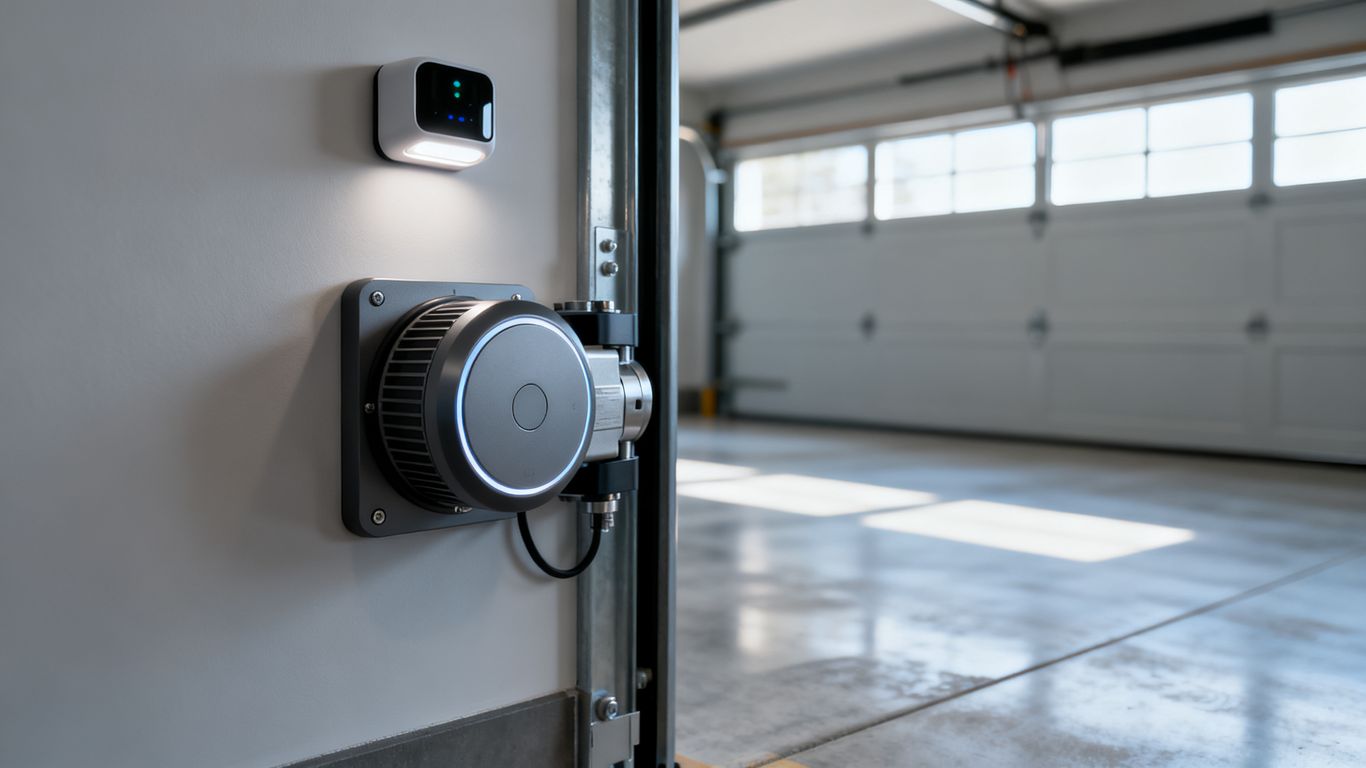
Successful campaigns avoid dry terms like "motor installation" in favor of emphasizing the seamless nature of connected home life. When you speak to the homeowner about how their home integrates with their busy day, your message resonates on a personal level. Ensure your copy highlights how a connected door simplifies their departure and arrival routines by making the home work for them.
Focusing on remote access and real-time monitoring benefits
Remote monitoring provides an unparalleled sense of safety, especially when you consider that Chamberlain models offer real-time push notifications and activity logs. You can frame your messaging around the ability to instantly check your home's status from anywhere in the world. This feature is particularly attractive for busy families who need to provide secure access to service personnel while they are away at work.
Using social proof to build trust in new technology
New tech adoption requires a foundation of trust that only comes through proven testimonials and case studies. By showcasing real client experiences, you demonstrate that your installations are safe, reliable, and backed by a local expert who stands by their work. This builds the confidence needed for a lead to move from just clicking an ad to scheduling an appointment for their garage door opener smart home marketing goal.
Leveraging Google Ads and local service ads for smart conversions
Targeting high-intent keywords like "smart opener installation" to capture garage door opener smart home marketing intent
Quality leads often start with very specific searches. By focusing your Google Ads campaigns on phrases like "smart opener installation," you can bypass the low-intent traffic that is just looking for generic garage repair. This targeted approach ensures that your marketing budget is spent on users who are actively seeking connected home devices rather than users looking for DIY guides.
Managing negative keyword lists to exclude DIY searchers
To ensure your ROI, it is critical to exclude terms that imply a consumer wants to fix a broken mechanical unit themselves. Your negative keyword list should be comprehensive, removing words like "repair kit," "replacement parts," or "manual install." Keeping your traffic clean allows you to maintain a high-level presence in competitive local auctions.
Optimizing location bids for affluent neighborhoods with high adoption rates
Not all zip codes are created equal when it comes to high-tech adoption. Focusing your budget on affluent areas where homeowners are already investing in advanced home features provides a clear path to scaling your campaign. Use the following metrics to evaluate where you should be bidding the most aggressively in your local geography:
| Neighborhood Segment | Expected Conversion Rate | Average Tech Spend |
|---|---|---|
| High-Equity Urban | 4.2% | $1,200+ |
| Growth Suburb | 3.5% | $950+ |
| Established Estates | 5.1% | $1,500+ |
After you optimize your bid strategies for these segments, you will likely see a significant increase in your total lead volume while maintaining a stable cost per acquisition.
Using visual storytelling on Meta and TikTok
Showing the "frictionless" user experience via short-form video
Short-form video is the best way to demonstrate how the frictionless smart home experience functions in reality. A video showing an app-locked door receiving a notification, followed by a remote closure, is worth more than ten paragraphs of marketing copy. These clips should focus on the ease of use that a homeowner experiences every single day.
Highlighting cross-platform compatibility with existing smart house ecosystems
Many customers are already invested in specific smart hubs. Showing your service as a bridge that integrates with their current lights, cameras, and hubs builds confidence. Providing a simple visual list or a quick video sequence showing the installer pairing a device with a smartphone app confirms the modernity of your services.
Crafting customer testimonials that emphasize peace of mind
Testimonials should focus on the feeling of relief after an installation is complete. If a client mentions that they no longer wake up in a cold sweat wondering if they left the garage door open, that is the exact emotion you should highlight in your sponsored content. Authentic, story-driven testimonials perform significantly better than salesy slogans when targeting high-intent homeowners.
Optimizing landing pages for technology-focused leads
Designing conversion-focused pages for specific high-end smart models
Your landing page must be as forward-thinking as the products you sell. By creating unique destination pages that focus on specific Chamberlain smart openers, you ensure that your visitors land on a page that directly addresses their specific product search rather than a generic service page. These pages should be free of distractions that take the user away from the clear call to action.
Integrating lead capture forms with consultative upgrade pricing
Consultative pricing avoids the "sticker shock" of DIY store prices by framing your quote as a comprehensive service package. The following list outlines what your landing page lead form should communicate about your service level:
- Professional assessment of your current door motor capacity.
- On-site technical calibration to ensure local Wi-Fi stability.
- Detailed tutorial on managing your security routine.
- Lifetime support guarantee for the digital installation process.
After a user reviews these points, they will feel much more confident requesting a custom quote through our booking portal. Following this up with a polite phone call creates long-term trust.
Speeding up mobile performance for on-the-go browsing homeowners
Speed is the silent killer of landing page conversion. If your page takes more than three seconds to load, your mobile traffic will move on to the next result regardless of how sophisticated your offer is. Ensure your site imagery is compressed and your code is lean to keep your conversion numbers high.
Building authority in the local home automation market
Educating customers on technical compatibility standards and hub integration
Being the local tech expert means providing valuable information before someone even hires you. Write guides that explain how specific hub systems handle connectivity and why professional installation prevents frustrating software conflicts. When you clarify the technical hurdles, you become the advisor they want on their side.
Creating educational content around smart home security best practices
Security is a conversation about trust and habits. When you post articles explaining how Chamberlain or similar enterprise-grade systems mitigate modern threats, you emphasize that your company keeps the home safe as much as it keeps it convenient. This educational approach works well on your website or in local Facebook groups for tech and homeowners.
Positioning your company as a modern, forward-thinking service provider
Your brand identity should scream reliability and modernization. By showcasing your technicians using digital diagnostic tools and maintaining a professional online presence, you solidify your place as the contractor of choice. Even your internal privacy disclosures indicate that you handle your customer data with the same professionalism as you handle their hardware.
Conclusion
Successfully driving growth in the smart garage market requires you to view every installation as a partnership between your expertise and the homeowner's desire for a connected, secure life. By consistently providing value through educational content and high-quality, frictionless service, you position your brand to dominate the local automation landscape and capture the high-intent traffic that keeps your business scalable.
Frequently Asked Questions
How does a smart garage door opener integrate into my current setup?
Most systems connect your existing motor to your home network via a hub, allowing you to access the door using a mobile application or voice commands from anywhere with an internet signal.
Can I install a smart garage door system if I live in a historic home?
Yes, these devices are designed to attach to most existing motor assemblies regardless of the age or architectural style of the property, though a professional assessment ensures full compatibility.
What happens to my garage door if my home internet goes down?
Local control remains functional through the standard wall-mounted button or remote transmitters, though remote app-based monitoring and features will be temporarily unavailable until the connection is restored.
Are smart garage door systems compatible with all smartphone types?
Most industry-standard smart garage openers are compatible with both iOS and Android platforms, providing seamless remote access provided your phone has an active data or Wi-Fi connection.
Will a smart garage door opener keep my garage safer?
Enhanced safety is a major feature of these devices, often including features like activity alerts, motion detection, and remote closure timers to ensure the door is never left open by mistake.
How long should I expect the professional configuration to take?
An experienced installer can typically verify your motor, install the necessary sensors or hubs, and configure your wireless access permissions in under two hours.
Can I monitor multiple garage doors with a single app?
Most modern smart garage door systems allow for the centralized management of multiple doors, providing a single convenient dashboard to check status and control entry for your entire home.
Schedule Your Smart Home Upgrade
Ready to transform your home’s security and convenience? We specialize in high-end automation installations that bring the future to your front door. Consult with our experts today to get a custom quote and discover how simple it is to upgrade your home’s connectivity.