Mastering Ads for Home Services: Proven Strategies for Local Growth
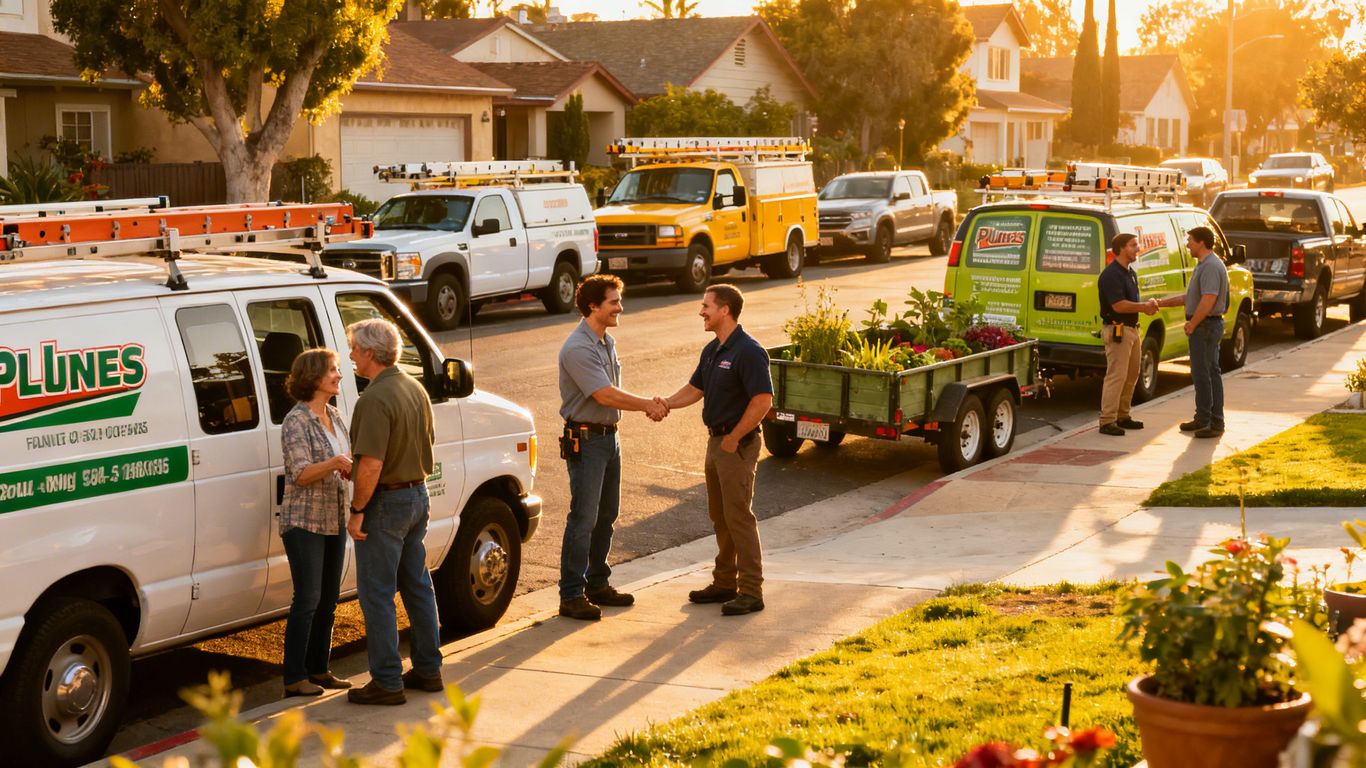
Running a home services business can be tough, right? You're good at what you do, whether it's fixing leaky pipes or making yards look great, but getting people to actually call you? That's a whole different ballgame. It feels like there are a million other businesses out there doing the same thing. You've probably tried some ads, maybe posted on social media, but the calls just aren't rolling in like you hoped. It’s not about just doing more; it’s about reaching the right people with the right message. Let's look at some ways to make your business stand out and grab the attention of customers who really need you.
Key Takeaways
- To truly connect with local customers, you need to understand what they're looking for and what problems they're trying to solve. Tailor your ads to speak directly to their needs.
- Putting your ads in the right places, like Google Local Services or using precise targeting, makes a huge difference in getting noticed by people ready to hire.
- Your ad messages need to be clear, grab attention fast, and show why your service is the best solution for their problem.
- Building trust is huge. Encourage happy customers to share their experiences through reviews and show off your good work with photos.
- Using tools like chatbots and automated systems can save you time and make sure you don't miss out on potential customers, even when you're busy.
Understanding Your Local Audience
Getting your home services business in front of the right people starts with really knowing who they are. It’s not enough to just hang out a shingle and hope for the best. You need to dig a little deeper into what makes your neighbors tick, what problems they're facing around their homes, and what they're looking for when they search for help.
Identifying Customer Needs and Pain Points
Think about the folks in your service area. What keeps them up at night when it comes to their homes? Are they worried about a leaky roof before the rainy season hits? Maybe they're dealing with an old, inefficient heating system that's costing them a fortune. Or perhaps it's the sheer lack of time to tackle those weekend DIY projects that are piling up. Understanding these specific worries and frustrations is your golden ticket to crafting ads that actually connect.
Here are some common pain points for homeowners:
- Urgency: Emergency repairs like burst pipes or electrical failures.
- Maintenance: Routine check-ups for HVAC, gutters, or pest control to prevent bigger issues.
- Upgrades: Desire for more energy-efficient appliances, modern bathrooms, or updated kitchens.
- Aesthetics: Landscaping improvements, new paint jobs, or exterior repairs to boost curb appeal.
- Time Constraints: Needing professional help because they simply don't have the hours to do it themselves.
Recognizing Market Trends in Home Services
What's happening in your local area right now? Are more people investing in smart home technology? Is there a big push for eco-friendly upgrades like solar panels or water-saving fixtures? Maybe there's a surge in demand for outdoor living spaces as people spend more time at home. Keeping an eye on these shifts helps you stay ahead of the curve. For instance, if you offer HVAC services, knowing that energy efficiency is a big trend means you can highlight your expertise in installing high-efficiency units. It’s about being relevant to what’s popular and needed right now in your community. You can find out more about understanding your target audience by looking at demographic factors.
Tailoring Your Message for Local Relevance
This is where you make your ads speak directly to the people in your town or neighborhood. Instead of a generic message, talk about things that matter locally. Mentioning a specific local landmark in your ad copy or referencing a common local issue (like dealing with specific soil types for landscaping) shows you're part of the community. It’s about making your business feel like a neighbor, not just another company. Your ads should reflect an awareness of local conditions and preferences, making your service feel like the most natural fit for their needs.
When you talk about solving problems that your neighbors actually have, using language they understand, and showing you're part of their community, your ads stop being just ads. They become helpful suggestions from someone they can trust.
Strategic Ad Placement for Maximum Impact
Alright, so you've got a handle on who you're talking to and what you want to say. Now, where do you actually put your ads so people see them? This is where things get interesting, and honestly, a little bit of science and a lot of testing.
Leveraging Google Local Services Ads
Think of Google Local Services Ads (LSAs) as your VIP pass to showing up right when someone in your area is actively searching for what you do. Unlike regular search ads, LSAs appear at the very top of the search results, above everything else. They're designed specifically for service businesses, and the big draw is that you only pay for qualified leads, not just clicks. This means if someone contacts you through the LSA, you get that lead. It's a pretty direct way to connect with people who are ready to hire.
- Get the Google Guarantee: This is a big deal. It means Google vets your business, and customers can get money back if they're not satisfied with your work. It builds instant trust.
- Showcase Your Availability: You can set your hours and let people know when you're open for business.
- Direct Contact: Customers can call you or message you directly from the ad, cutting out extra steps.
LSAs are fantastic for home services because they put you in front of people with immediate needs. It’s about being there at the exact moment someone needs a plumber, an electrician, or a landscaper.
Optimizing Pay-Per-Click Campaigns
Pay-Per-Click (PPC) advertising, especially on platforms like Google Ads, is still a powerhouse if you do it right. It's not just about throwing money at keywords; it's about being smart. You bid on terms people search for, and when they click your ad, you pay. The trick is to make sure those clicks are from the right people and that they actually turn into customers.
Here’s a quick rundown on making PPC work harder:
- Keyword Research is Key: Don't just guess. Use tools to find out what people are actually typing into Google when they need your services. Think about local terms, like "emergency plumber [your city]" or "roof repair near me."
- Ad Copy Matters: Your ad needs to grab attention and tell people exactly what you do and why they should choose you. Mentioning your service area is a good start.
- Landing Pages: Where do people go after they click? Make sure the page they land on is relevant to the ad they clicked and makes it easy for them to take the next step, like filling out a form or calling.
The goal with PPC is to get the most qualified leads for the lowest possible cost. It takes constant tweaking and watching the numbers.
Utilizing Geofencing for Targeted Reach
Geofencing is like drawing a digital fence around a specific area. You can then show ads only to people who are physically inside that fence. For a local home services business, this is incredibly powerful. Imagine targeting people who are currently in a neighborhood where you're doing a big project, or perhaps targeting a specific demographic within your service area. It cuts down on wasted ad spend by focusing only on the people who are most likely to be in your service zone right now. You can even use it to re-engage past customers by targeting them when they're near your business. This kind of precise targeting can really make your ad budget go further, especially when you're looking to build your brand in specific communities.
Crafting Compelling Ad Content
Alright, so you've figured out who you're talking to and where to put your ads. Now comes the fun part: actually writing what you're going to say. This is where you grab people's attention and convince them you're the right choice for their home service needs. It's not just about listing what you do; it's about connecting with people and showing them you understand their problems.
Developing Hooks That Capture Attention
Think about the last ad that made you stop scrolling. Chances are, it said something that immediately felt relevant to you. For home services, this often means calling out the specific problem a homeowner is facing. Is their roof leaking? Is their AC on the fritz? Start there. You can even call out the city or neighborhood directly to make it feel super local. Something like, "Hey [Your City]! Got a leaky faucet driving you crazy?" works way better than a generic "We fix plumbing."
- Start with the problem: Directly address a common homeowner issue.
- Mention the location: "[Your City] residents, we're here for you!"
- Use clear, simple language: Avoid fancy words that don't mean much.
- Ask a question: Engage the viewer right away.
The first few seconds of your ad are gold. If you don't hook them immediately, they're gone. Make it count by being direct and relatable.
Showcasing Value and Solutions
Once you've got their attention, you need to show them why you're the answer. Don't just say you're the "best": show it. What makes you different? Is it your speed, your pricing, your guarantees, or your friendly service? Focus on the benefits for the homeowner. Instead of saying "We offer HVAC repair," try "Stay cool all summer with our fast AC repair. Get a free estimate today!"
Here's a quick way to think about it:
| What You Do | What It Means for the Customer |
|---|---|
| Emergency Plumbing | No more water damage or stress, even late at night. |
| Roof Repair | Protect your home and family from the elements. |
| Lawn Mowing | Enjoy a beautiful yard without lifting a finger. |
Integrating Visuals and Testimonials
People are visual. A picture or a short video can say a lot more than words alone. Before-and-after photos of a job well done are incredibly powerful for home services. If you're a painter, show that dingy wall transformed. If you're a landscaper, show that overgrown yard looking pristine. And don't forget about what other people are saying! Including short quotes or video clips from happy customers builds trust faster than anything else. It shows real people, real results, and real satisfaction.
- Before-and-After Photos: Visually demonstrate your skill.
- Customer Testimonials: Let satisfied clients speak for you.
- Short Video Clips: Show your team in action or a quick project walkthrough.
- Clear Call to Action: Tell people exactly what to do next (e.g., "Call us now," "Visit our website for a quote").
Building Trust Through Online Reputation
People want to hire businesses they can count on. In the home services world, trust is a big deal. You're letting someone into your home, often to fix something important. So, how do you show potential customers that you're the real deal?
Encouraging and Managing Customer Reviews
Online reviews are like word-of-mouth, but for everyone to see. More than 80% of people read reviews before hiring a local company. That's a huge number! Getting good reviews isn't just about luck; it's about asking for them and making it easy.
- Ask after every job: Don't wait too long. A quick email or text after you've finished and the customer is happy can work wonders.
- Make it simple: Include a direct link to your Google Business Profile or Yelp page. The fewer clicks, the better.
- Respond to everything: Thank people for positive feedback. For negative reviews, apologize, explain briefly if needed, and state how you've fixed the issue or will prevent it in the future. This shows you care and are always trying to improve.
Showcasing Expertise with Before-and-Afters
Seeing is believing, right? Before-and-after photos or short videos are fantastic for showing off the results of your work. Whether it's a sparkling clean kitchen after a deep clean, a perfectly repaired roof, or a beautifully landscaped yard, these visuals speak volumes.
- Before: Show the problem clearly. Is the paint peeling? Is the drain clogged? Is the garden overgrown?
- After: Highlight the solution and the transformation. Make sure the lighting is good and the results are obvious.
- Add context: Briefly explain what you did and any challenges you overcame.
Maintaining Brand Consistency Across Platforms
Your brand is more than just a logo; it's the feeling people get when they interact with your business. Make sure that feeling is the same everywhere.
Consistency builds recognition and reliability. When your messaging, visuals, and tone are the same on your website, social media, truck wraps, and even how your team answers the phone, customers start to recognize and trust you more easily. It makes your business feel more professional and dependable.
- Visuals: Use the same logo, color scheme, and font styles.
- Tone of voice: Whether you're friendly and casual or more formal, keep it consistent in your ads, social posts, and customer interactions.
- Messaging: Highlight the same core values and services across all your marketing materials.
Integrating Technology for Ad Efficiency
These days, you can't just throw money at ads and hope for the best. Technology is here to help make your ad spending work smarter, not just harder. Think of it as giving your marketing a serious upgrade, so you're not wasting time or cash on things that aren't pulling their weight. The goal is to automate the busywork and get more done with less effort.
Automating Lead Capture with Chatbots
Remember when you had to wait by the phone all day, hoping a potential customer would call? Chatbots are changing that. They can hang out on your website 24/7, ready to chat with visitors. They can answer common questions, gather contact info, and even qualify leads before a human even needs to step in. This means you're not missing out on leads just because it's after hours or you're busy on another job. It's like having a super-efficient receptionist who never sleeps.
Here's how they help:
- Instant Engagement: Visitors get immediate responses, which makes them feel heard and valued.
- Lead Qualification: Chatbots can ask a few key questions to figure out if a visitor is a serious prospect or just browsing.
- Information Gathering: They collect names, phone numbers, and service needs, so you have all the details when you follow up.
- Reduced Workload: Your team spends less time on basic inquiries and more time on actual jobs.
Using AI for Personalized Offers
Artificial intelligence is getting pretty smart about figuring out what people want. For ads, this means you can move beyond generic messages. AI can look at data from past customers and website visitors to guess what kind of service or deal someone might be interested in. Imagine showing an ad for a furnace tune-up to someone who recently searched for heating repairs, or offering a discount on AC maintenance to a homeowner in a neighborhood where you've done a lot of AC work before. This kind of tailored approach makes your ads way more likely to grab attention and lead to a booking.
Streamlining Scheduling and Communication
Getting a lead is only half the battle; the other half is actually booking the job. Technology can help here too. Think about online scheduling tools that let customers pick a time that works for them, right from your ad or website. Or systems that automatically send appointment reminders via text or email, cutting down on no-shows. Some platforms can even help manage communication between your team and the customer, keeping everyone in the loop about job status and arrival times. This makes the whole process smoother for everyone involved.
Technology isn't about replacing the human touch in home services; it's about freeing up your team to provide that touch more effectively. By automating routine tasks and personalizing outreach, you can focus on what you do best: solving customer problems and growing your business.
Measuring Success and Optimizing Campaigns
So, you've put your ads out there. Now what? It's not enough to just launch campaigns and hope for the best. You've got to actually see if they're working and then tweak them to do even better. This is where measuring success and constantly optimizing comes into play. It’s like tuning a car engine: you want it running as smoothly and powerfully as possible.
Setting Clear, Measurable Goals
Before you even think about spending a dime, you need to know what you're aiming for. What does success look like for your home service business? Is it more phone calls, more booked appointments, or a specific amount of revenue? You need to define these outcomes in numbers. For instance, instead of just saying 'get more leads,' aim for something like 'generate 20 qualified plumbing leads this month at under $50 per lead.' This gives you a target to hit and a way to know if you're on the right track. Without clear goals, you're just shooting in the dark.
Tracking Key Performance Indicators
Once you have your goals, you need to track the right numbers to see if you're hitting them. Forget about vanity metrics like how many people saw your ad (impressions) or how many people liked it. What really matters are the numbers that directly impact your business. Think about things like:
- Cost Per Lead (CPL): How much are you paying for each potential customer who contacts you?
- Click-Through Rate (CTR): What percentage of people who see your ad actually click on it? This tells you if your ad is grabbing attention.
- Conversion Rate: Of the people who click, how many actually take the desired action, like filling out a form or calling?
- Lead Quality: Are the leads you're getting actually turning into paying customers? This is the big one.
- Return on Ad Spend (ROAS): For every dollar you spend on ads, how much revenue are you getting back?
Keeping an eye on these metrics helps you understand what's working and what's not.
You're not just running ads; you're aiming to bring in actual business. The numbers should reflect that. If an ad is costing you a lot but not bringing in good leads, it's time to rethink it. Focus on what makes the phone ring and the jobs get booked.
Iterating Based on Performance Data
This is where the real magic happens. You've set goals, you're tracking your numbers, and now you use that information to make your ads better. Digital marketing isn't a 'set it and forget it' kind of thing. Things change, people get tired of seeing the same ads, and the platforms themselves update their systems. So, you need to be ready to adjust.
- Rotate Creatives: If you've been using the same ad images or videos for a while, swap them out for something new. Fresh content can re-engage people.
- Test Different Hooks: Try different opening lines or headlines to see which ones grab more attention.
- Adjust Targeting: Maybe you need to narrow down your audience or try a slightly different demographic.
- Pause Underperformers: If an ad isn't doing its job and is just burning through your budget, pause it. Then, replace it with a new test ad.
This constant cycle of checking your data, making changes, and then checking again is how you turn good ad campaigns into great ones that consistently bring in business.
Putting It All Together
So, we've talked a lot about getting your home services business noticed. It's not just about throwing money at ads and hoping for the best. You've got to be smart about it. Think about using tools to make things easier, like scheduling software or even AI to help figure out what customers might need next. And don't forget about the basics: showing up when people search online locally and making sure your ads actually speak to them. Building trust with good service and asking happy customers to spread the word goes a long way too. It all adds up to a business that people know, like, and call when they need something done right. Start small, try things out, and keep an eye on what's working. You've got this.
Frequently Asked Questions
How can I make my home services business easier to find online?
To help people find your business online, focus on making your Google Business Profile super accurate and easy to understand. Ask happy customers to leave reviews, and use words on your website that people actually type into Google when they're looking for services like yours. Also, try to get your business listed on local websites and directories.
What are the best ways for home services businesses to get noticed?
Some of the best ways include using local search engine optimization (SEO), running Google Local Services Ads, being active on social media, asking customers for reviews, and using videos to show off your work. These methods help build trust, make you more visible, and get people interested in what you offer.
How do ads that you pay for (PPC) help home services businesses?
Pay-per-click ads let you pay to show up right at the top of search results when people are looking for specific services. For home services, ads on Google can bring in people who are ready to hire someone, sending them straight to your business.
How can social media help my home services business grow?
Social media sites like Facebook and Nextdoor are great for talking to people in your area. You can share pictures of your work, stories from happy customers, and updates about your services. This helps build trust and can bring in new customers.
Why are customer reviews so important for home services?
Good reviews make your business look trustworthy and reliable. They also help you show up higher in local search results. When more people see positive reviews, they're more likely to choose your business.
How does technology, like AI, help with marketing for home services?
AI can help guess what customers might need next based on what they've used before. It lets you send special offers or reminders at just the right time. This means you can connect with customers when they're most likely to need your help, which is great for getting new business and keeping old customers happy.