Mastering Meta Ads for Home Services: Strategies for 2026 Success
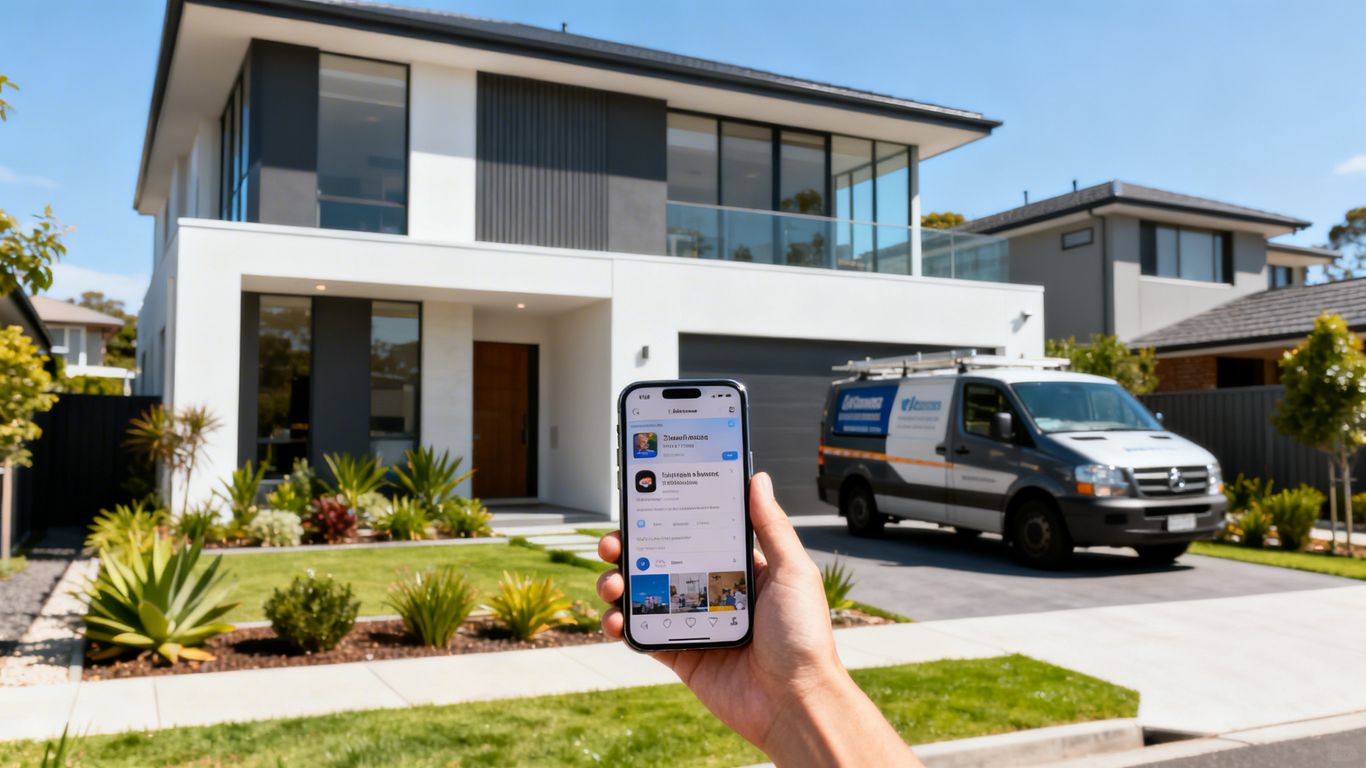
Alright, so 2026 is just around the corner, and if you're in the home services game, you probably know things are changing fast, especially with online ads. What worked last year might not cut it anymore. We're talking about smarter ads, ads that feel more like a conversation, and ads that actually get people to take action. This guide is all about getting your meta ads home services strategy dialed in so you're not just keeping up, but actually getting ahead. Let's get into it.
Key Takeaways
- Use Meta's AI tools like Advantage+ to let the algorithm handle audience, placements, and creative testing for you. It's about feeding the AI good data so it can do its best work for your meta ads home services campaigns.
- Short-form videos and interactive ad formats are big. Think Reels and AR ads. People are watching more video, and they like to play around with ads, so make your content snappy and engaging.
- Get people talking to you. Chatbots can handle initial questions, and then you can bring in human agents for the more serious leads. WhatsApp is a good place for this direct connection for meta ads home services.
- Build your own lists of customers. Since third-party cookies are going away, using Lead Ads and other methods to collect customer info directly is super important for future targeting.
- Track everything. Know which ads are bringing in calls and customers. Look at how much you're spending to get a lead and how much that customer is worth over time. This data helps you spend your money better on meta ads home services.
Leveraging AI-Driven Targeting for Meta Ads Home Services
In 2026, AI is now running the show with Meta Ads for home service businesses. Forget the days of fiddling with interest stacks or building complex lookalikes. The real results come from how you help Meta’s AI find, and nurture, the right leads for your business.
Understanding Advantage+ and Dynamic Audiences
Advantage+ campaigns and Dynamic Audiences will handle most of the heavy lifting in targeting, optimization, and placements right out of the box. Your job now is getting these tools the information they need to succeed. Advantage+ automates audience selection, budget management, and even creative testing. Think of it like putting your best tech on autopilot.
Here are simple steps to make the most from these tools:
- Set clear conversion goals in your campaign (quotes, bookings, calls, etc.).
- Enable automatic placements, let Meta’s AI test and learn where your audience is most active.
- Regularly feed in new creative assets for continual testing.
Home service companies who try to control every detail miss out on the flexibility AI needs to optimize effectively.
Predictive Customer Value Modeling for Home Service Leads
Meta’s AI doesn’t just chase any lead: it prioritizes the folks most likely to become long-term, high-value customers. Using predictive models, your campaigns now focus on where the biggest profits often hide: repeat jobs, service contracts, referral-prone homeowners.
- Train the AI with historical lead data, import values, not just event completions.
- Use custom events, such as completed appointments or contracts signed.
- Regularly review which segments are delivering the best cost per sale and lifetime value.
Sample Lead Data Table:
| Source | Avg. Cost per Lead | Avg. Customer Value | % Repeat Clients |
|---|---|---|---|
| Website Bookings | $37 | $950 | 33% |
| Messenger Leads | $24 | $580 | 18% |
| Instant Forms | $19 | $340 | 7% |
Feeding Meta’s AI the Right Signals
AI thrives on good inputs. The more reliable, timely data you feed Meta’s system, the smarter your targeting gets. This isn’t just about tracking basic conversions anymore: it’s about quality, context, and speed.
- Use Meta’s Conversion API to send real-time, rich event data (appointments set, calls answered, jobs marked as completed).
- Regularly refresh custom audiences, and remove outdated leads.
- Send back negative signals as well (mark unqualified leads, cancellations, or no-shows).
The goal isn’t to micromanage Meta’s AI, but to supply it with a steady stream of up-to-date signals that reflect real business success.
Giving AI the right information up front means fewer wasted impressions and more real business coming through from your ads.
Ad Creative Evolution: Winning Visuals and Messaging in 2026
The way home service businesses win attention on Meta in 2026 is nothing like it was even a couple years ago. Eye-catching, relevant creative is now the real game-changer, because Meta’s ad AI will do the heavy lifting with targeting and delivery, but it still relies on compelling content to feed its algorithm. Let’s break down what actually works for this industry now, and what’s on the horizon.
Short-Form Video for Higher Engagement
Short, punchy videos aren’t just trendy: they’re what the algorithm loves right now. Static images can’t compete anymore. If you’re a home services company, here’s what you should be doing:
- Shoot video clips under 15 seconds that show before-and-after results or smiling customers.
- Add text overlays or subtitles, since most people scroll with sound off.
- Use genuine footage from worksites or real homes instead of stock images.
| Video Type | Avg. Engagement Rate |
|---|---|
| Client Testimonial Clip | 13% |
| Before/After Reel | 15% |
| Static Image | 8% |
Real, quick videos capture attention faster and create a sense of connection: you’re not just selling a service, you’re showing solutions in action.
Personalization with Generative AI
Generative AI isn’t just a buzzword: it’s changing the way brands talk to people. Home service advertisers can use AI to generate hundreds of creative variations, so your ad speaks directly to each viewer:
- Build AI-generated headlines that reference the user’s location (think: "Need a plumber in Plano?").
- Use dynamic images showing home styles matching the recipient’s zip code.
- Auto-adapt offers, like seasonal tune-ups or weather-specific promotions.
List of practical uses:
- Hyper-local messaging for different service areas
- Quick A/B testing with new creative combinations
- Scaling up without a massive design team
Building Trust with Authentic Home Service Content
People are tired of slick, generic ads. They want someone real. In 2026, if your ad feels too polished, viewers scroll right by. Here’s how to create authentic content:
- Show videos of your actual team at work, not models.
- Share unscripted customer feedback, even if it’s not perfect.
- Highlight the small details: branded trucks, tidy job sites, friendly hellos.
The best ads aren’t always the prettiest: they’re the most believable. A homeowner looking for help needs genuine proof, not marketing gloss.
In short, focusing on authentic stories, tailored messaging, and high-energy short-form video will make a home service business stand out on Meta in 2026. Let Meta’s AI do the targeting, but remember: only fresh, real creative actually gets clicks.
Constructing Immersive Ad Experiences for the Home Services Journey

Imagine someone needing a plumber late at night. They’re scrolling Facebook, and they see an ad, not just any ad, but one where they can actually see what it would look like to have a new fixture installed in their bathroom thanks to augmented reality. Suddenly, booking a service feels easy, almost fun. That's where immersive ads come in.
Utilizing Interactive Formats and AR Ads
Interactive ad formats and AR tools help bring home services to life on Meta platforms. Here are a few ways you can make your ads more immersive:
- Use AR overlays to let users visualize home improvements, new paint colors, lighting, or landscaping
- Add quizzes or interactive polls that guide people toward the right service for their needs
- Link your ads to instant experience formats, where users can swipe through before-and-after galleries or tap to book
| Interactive Element | Benefit (2026) |
|---|---|
| AR Overlays | Boosts engagement and time spent |
| Instant Experience/Galleries | Helps users "see" real results |
| Polls/Quizzes | Increases qualified lead submission |
A little interactivity goes a long way, once people can play around with your ad, trust and curiosity build naturally.
Seamless On-Platform Quoting and Booking
Most homeowners don’t want to click away to a different website. In 2026, it's all about keeping everything in one place. Here’s what stands out:
- Instant quote calculators built into the ad itself
- One-tap booking via Messenger or WhatsApp
- Service selection drop-downs or checklists right inside the ad
When you cut down steps, you see more people booking appointments, especially on mobile. People in a hurry appreciate being able to handle everything right there without switching apps.
Optimizing Landing Pages for Mobile Conversions
You’ve got someone interested: they tap your ad. Now, if your landing page isn’t set up for their phone, you’ll lose them fast.
- Make sure your mobile landing pages load in under two seconds
- Keep forms super short, name, contact info, one key question about their service need
- Use click-to-call buttons for immediate action
| Mobile Landing Best Practice | Effect on Conversion Rate |
|---|---|
| Fast Load (under 2s) | 25%+ more completions |
| Short Lead Forms | 40% drop-off reduction |
| Visible Click-to-Call Button | 30% increase in direct calls |
Optimizing for mobile means you’re making it easy for real people, often with messy hands, on noisy job sites, or in the middle of dinner, to become your next best lead.
Conversational Commerce: Maximizing Leads with Meta Messaging
Okay, so let's talk about how you can actually get people to talk to you on Meta platforms and turn those chats into actual business. It’s not just about putting ads out there anymore; it’s about having a conversation. Think of it like this: someone walks into your shop, and instead of just staring at them, you greet them and ask if they need help. That's what conversational commerce is trying to replicate, but online.
AI-Powered Chatbots for Instant Engagement
This is where things get really interesting. We're talking about chatbots that aren't just programmed to say "hello" and "how can I help you?" These AI bots are getting smart. They can actually understand what people are asking, answer common questions about your services (like "What's your pricing for a standard AC tune-up?" or "Do you offer emergency plumbing on weekends?"), and even guide potential customers through the initial steps of getting a quote. The goal is to give people an immediate response, 24/7, so they don't just scroll past. It’s about making that first contact super easy and efficient. We're seeing these bots handle a lot of the initial legwork, freeing up your team for the more complex stuff. It’s a big shift from just running ads to actually starting a dialogue.
Personalized WhatsApp Broadcasts and Retargeting
Once you have someone's attention, you want to keep it, right? WhatsApp is becoming a really direct way to do that. Imagine sending a quick message to people who've shown interest in a specific service, like a special offer on gutter cleaning before the rainy season hits. You can send these out to groups of people who've opted in, making it feel personal. It’s also great for reminding people about something they looked at but didn't buy, or even just sending out helpful tips related to home maintenance. This direct line of communication is pretty powerful for keeping your business top-of-mind. It’s a way to nurture those leads without being overly pushy. You can even use these messages to drive more traffic to your website or specific service pages.
Integrating Human Agents in the Lead Funnel
Now, I know what you might be thinking: "What if the chatbot messes up, or the customer has a really complicated question?" That’s where the human touch comes in. The idea isn't to replace your sales team entirely. It’s about using AI to handle the routine stuff so your human agents can focus on the conversations that really matter. When a chatbot can't quite figure something out, or when a lead seems particularly promising, it can smoothly hand off the conversation to a real person. This ensures that no potential customer feels ignored or frustrated. It’s about creating a system where AI and humans work together, making the whole process smoother and more effective for everyone involved. It’s a smart way to manage your leads and make sure you’re not missing out on opportunities because of a technical glitch or a question the bot couldn’t answer.
Advanced Audience Strategies for Home Services Growth

Getting the right eyes on your ads isn’t just luck, it takes some thought and a bit of testing. In 2026, Meta’s tools have only gotten smarter, but you still need strategy to grow your home services business. Here’s how to use advanced audience tactics that actually move the needle.
Custom and Lookalike Audience Creation Tactics
Building your audience isn’t one-and-done. It’s smart to segment and refresh who sees your ads:
- Upload your existing customer list to create a Custom Audience, these are people who already trust your work.
- Use website tracking (Meta Pixel or Conversions API) to retarget folks who visited critical pages (like your Contact or Service pages) but didn’t book.
- Build Lookalike Audiences: When you upload your best customers, Meta finds people like them in your area. Set similarity from 1% (closest match) to 10% (bigger, but broader).
- Test custom lists by service type or interest (for example: HVAC repair list vs. new AC install list).
- Don’t let audiences age out: refresh your lists monthly as your business grows or shifts focus.
| Audience Type | Source | When to Use | Expected Reach |
|---|---|---|---|
| Custom Audience | Customer database, website hits | Retargeting, re-offers | Small, focused |
| Lookalike Audience | Top 10% of customers | Prospecting | Medium, broad |
| Saved Audience | Location, age, income, interests | Awareness campaigns | Large, general |
Your audience isn’t static: adjusting your segments helps you catch the folks most likely to book a service when their need pops up.
Retargeting Warm Homeowner Leads Effectively
Don’t let hot leads go cold. People who’ve checked your site or clicked an ad are your best shot at new jobs.
- Set up pixel-based retargeting for every visitor who hits key pages.
- Customize ads to match what they already saw. E.g., if they browsed "plumbing repair," hit them with a special offer just for that.
- Exclude folks who have converted to avoid wasting ad spend.
- Experiment with timing: sometimes, a 1-day retarget works; sometimes, it takes a week or two.
- Rotate creative every month so you don’t feel spammy.
Segmenting Audiences by Service Type
Home services isn’t one-size-fits-all: someone who wants landscaping might ignore your electrical ads. Segmenting your audience by the service they’re most interested in keeps things relevant.
- Break your marketing lists down by service or prior interest (AC repair, plumbing, pest control, etc.).
- Create dedicated ad sets and landing pages for each service: this boosts both click-through and conversions.
- For recurring customers, offer cross-sell or upsell promos (for example: “Just had HVAC service? Here’s a discount on duct cleaning!”).
- Use Meta’s dynamic creative to match ads to the viewer’s past behaviors automatically.
Keeping people grouped by real needs makes your ads feel like a helpful nudge, not noise they’ll scroll past in a hurry.
If you want more bookings, remember: the sharper your targeting, the less you spend on bad clicks, and the bigger your growth by year’s end.
Measuring and Optimizing ROI with Data-Driven Approaches
So, you've put your Meta Ads to work for your home services business. That's great! But how do you know if it's actually paying off? It's not enough to just spend money and hope for the best. We need to look at the numbers, plain and simple. Tracking what works and what doesn't is how you make your ad budget go further.
Think about it like this: if you're a plumber, you wouldn't just start replacing pipes without knowing where the leak is, right? Ads are the same. You need to pinpoint where your money is going and what results it's bringing in.
Implementing Dynamic Call Tracking and Attribution
For home services, a phone call is often the first real step a customer takes. That's why knowing which ads lead to those calls is a big deal. Dynamic call tracking assigns a unique phone number to each ad campaign or even specific ads. When someone calls that number, you know exactly where they came from. This helps you see which campaigns are actually driving phone inquiries, not just clicks.
- Track calls by campaign: See which ad sets bring in the most phone leads.
- Attribute revenue: Connect those calls back to actual jobs booked and completed.
- Understand customer journey: Follow the path from ad click to phone call to paying customer.
This kind of detailed tracking is key to understanding your actual return on ad spend. It moves beyond just vanity metrics and gets to the heart of business growth. You can find tools that help with this, like ServiceTitan's Marketing Pro.
Analyzing Cost per Lead and Customer Acquisition
Once you know where your leads are coming from, you need to figure out how much each one costs. Your Cost per Lead (CPL) tells you how much you're spending on ads to get one potential customer to reach out. Then there's Customer Acquisition Cost (CAC), which is the total cost to get a new paying customer.
Here's a quick look at how these might break down:
| Metric | Calculation |
|---|---|
| Cost per Lead (CPL) | Total Ad Spend / Number of Leads |
| Customer Acq. Cost | Total Ad Spend / Number of New Customers |
Knowing these numbers helps you spot inefficiencies. If one campaign has a super high CPL but low conversion to actual customers, it might be time to rethink that strategy. It’s about spending smarter, not just spending more.
Leveraging Cohort and Lifetime Value Analysis
Looking at customer data in groups, or cohorts, can give you a clearer picture over time. Instead of just looking at immediate results, cohort analysis lets you see how customers acquired during a specific period behave later on. Did they become repeat customers? Did they refer others?
This ties directly into Customer Lifetime Value (CLV). CLV is the total amount of money a customer is expected to spend with your business over their entire relationship. For home services, a customer who gets their roof repaired might also need gutter cleaning and then HVAC maintenance later. That's a lot of potential value!
Focusing on CLV helps you understand which types of customers are most profitable in the long run. It shifts your focus from just getting a single job to building lasting relationships that bring in steady revenue. This insight is invaluable for refining your targeting and messaging to attract more of these high-value clients.
By consistently measuring these metrics and adjusting your campaigns based on the data, you're not just running ads; you're building a predictable growth engine for your home services business.
Navigating Privacy Changes and First-Party Data Collection
Okay, so the whole privacy thing with online ads has gotten pretty complicated, right? Things like iOS updates have really changed how we track who sees our ads and if they actually do anything. It’s not like it used to be where you could just rely on all sorts of tracking. For home services, this means we really need to rethink how we get information about potential customers.
Transitioning Away from Third-Party Cookies
Remember those little bits of data, third-party cookies, that websites used to drop on your browser to track you around the internet? Well, they're pretty much on their way out. This is a big deal because a lot of ad targeting relied on them. For your home service business, this means you can't just assume you'll know what someone did on another site after they clicked your ad. We have to find new ways to understand our audience.
- Focus on what you can control: Your own website and your direct interactions with people.
- Think about the user experience: How can you make it easy and beneficial for someone to share their information with you?
- Stay updated: The rules around data collection are always changing, so keep an eye on what Meta and other platforms are saying.
Using Lead Ads to Build Direct Customer Relationships
This is where Meta's Lead Ads really shine, especially for home services. Instead of sending people off your Facebook or Instagram page to a website where they might get lost or distracted, Lead Ads let them fill out a form right there on the platform. It’s super convenient for them, and for you, it means you get their contact info directly. This is your golden ticket to building your own customer list.
Here’s a quick look at why they're so good:
| Feature | Benefit for Home Services |
|---|---|
| In-Platform Forms | Reduces friction, leading to higher completion rates. |
| Pre-filled Info | Makes it even faster for users to submit their details. |
| Direct Data Capture | Builds your first-party data asset immediately. |
Think about it: someone sees an ad for your plumbing services, clicks a button, and their name and phone number are already there. They just hit submit. Boom. You've got a lead. It’s that simple.
The shift away from third-party tracking means the businesses that collect their own customer data directly will have a significant advantage. It's about building trust and offering clear value in exchange for that information.
Ensuring Compliance with Data Regulations
With all this talk about data, you absolutely have to be mindful of the rules. Things like GDPR and other privacy laws are serious business. You can't just collect data however you want. For your home service business, this means being upfront with people about what information you're collecting and why. Make sure your privacy policy is easy to find and understand. When you use Lead Ads, for example, you're agreeing to Meta's terms, but you also need to have your own policies in place for how you'll handle that data once you have it. It’s about being responsible and building long-term trust, not just getting a quick lead.
Wrapping It Up: Your 2026 Meta Ads Game Plan
So, that’s the lowdown on making Meta Ads work for your home services business in 2026. It’s not just about throwing money at ads anymore; it’s about being smart. Think AI, think personalized messages, and definitely think about how people actually interact with ads these days. The platform is changing, and if you want to keep getting customers through your digital door, you’ve got to change with it. Start testing those new ideas now, keep an eye on what’s working, and don’t be afraid to let the tech do some of the heavy lifting. Your business will thank you for it.
Frequently Asked Questions
What is Advantage+ and why is it important for home services ads?
Advantage+ is like a smart helper for your ads on Facebook and Instagram. It uses AI to figure out the best people to show your ads to, where to show them, and how much to spend. For home services, this means your ads can reach homeowners who are most likely to need your help, like fixing a leaky faucet or needing an AC tune-up, without you having to guess who they are.
How can short videos help my home services business on Meta?
Think about how much you like watching short, fun videos! Short videos, like those on Reels, grab people's attention super fast. For home services, you can show quick before-and-after makeovers, a speedy repair, or a friendly tip. This makes your business look cool and helps people remember you when they need a service.
What does 'conversational commerce' mean for getting new customers?
Conversational commerce is like chatting with a helpful store assistant, but online! It means using tools like chatbots or direct messages to talk with potential customers. For home services, this could be a chatbot answering common questions about pricing or availability instantly, or helping someone book an appointment right through a message, making it super easy for them.
Why is first-party data important for ads now?
In the past, ads used information from all over the internet. Now, it's harder to do that. First-party data is information you collect directly from your customers, like their email or phone number when they sign up for a newsletter or ask for a quote. This helps you create ads that feel more personal and are more likely to work, because you know who you're talking to.
How can I tell if my Meta ads are actually working?
You need to track your results! Think of it like checking your grades. You want to know how many people saw your ad, how many clicked on it, and most importantly, how many became actual customers. Tools can help you see which ads are bringing in the most business so you can spend your money wisely.
What are 'lookalike audiences' and how do they help?
Imagine you have a list of your best customers. A 'lookalike audience' is like Facebook finding new people who are very similar to those best customers. It helps you reach more potential clients who are likely to be interested in your home services, expanding your reach to people you might not have found otherwise.