Maximizing Your Window Blinds Performance: A Comprehensive Guide
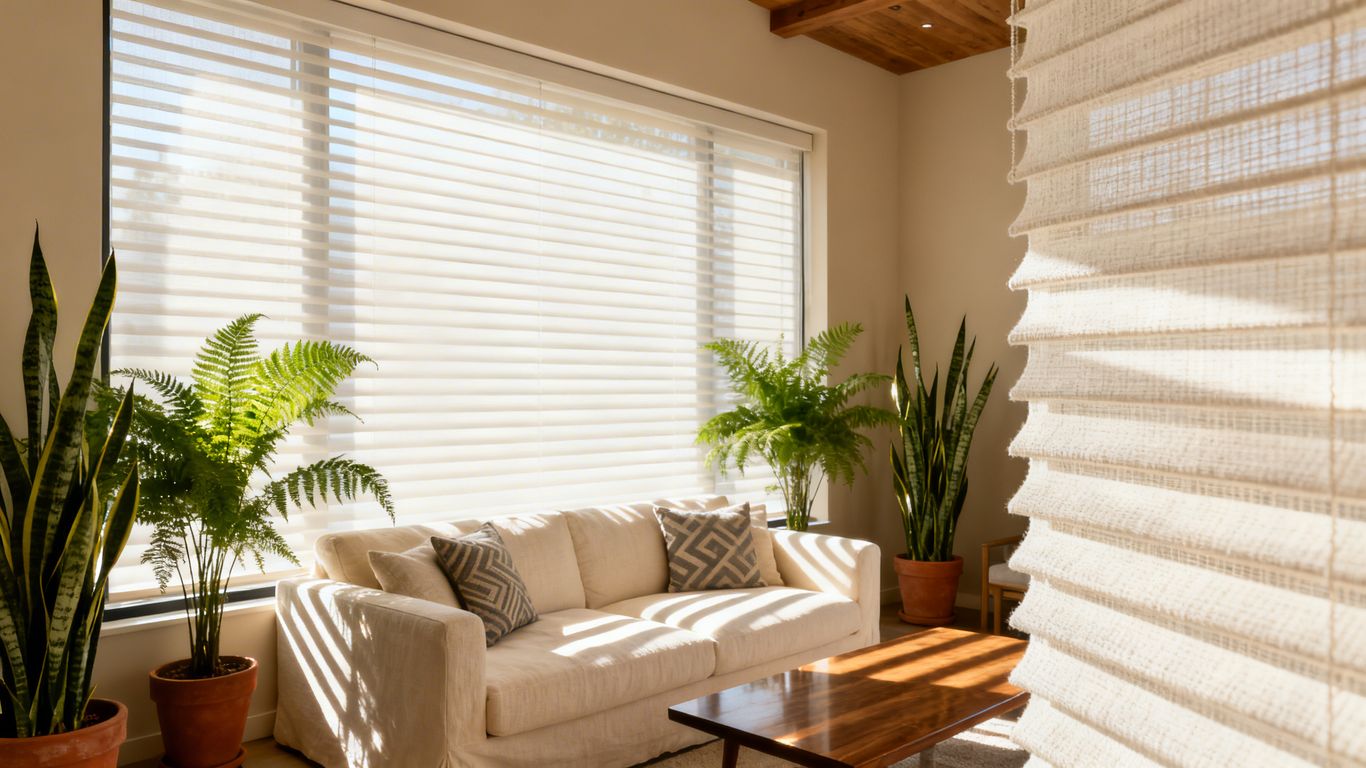
Getting your window blinds to work their best is pretty important for your home. It's not just about how they look, but how they help manage light, keep your space private, and even save a bit on energy bills. This guide will walk you through how to get the most out of your window blinds performance max, from picking the right ones to keeping them in good shape.
Key Takeaways
- Choosing blinds involves balancing light control needs with privacy requirements for each room.
- Material and fabric selection significantly impacts durability, light management, and overall performance.
- Proper installation is vital for longevity, and professional services can be beneficial for complex setups.
- Regular maintenance, like dusting and spot cleaning, helps keep blinds functional and looking good.
- Creative applications and customization can transform blinds into functional design elements.
Understanding Window Blinds Performance
The Role of Light in Interior Design
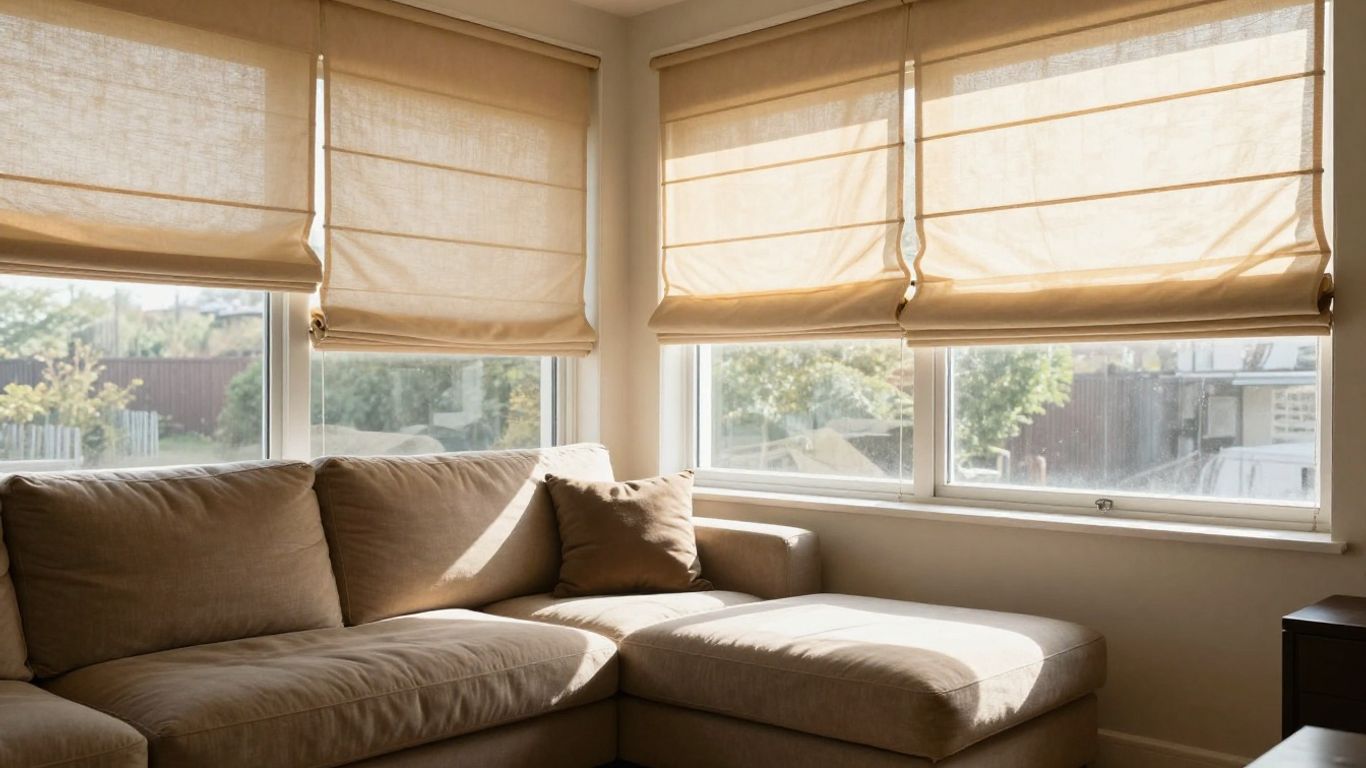
Light is a big deal when you're thinking about how a room feels. It's not just about seeing things; it sets the whole mood. Too much harsh light can make a space feel uncomfortable, while not enough can make it feel gloomy. Getting the light right is key to making a room functional and pleasant. Think about how a bright, sunny kitchen feels versus a dimly lit, cozy den. Light changes everything.
Beyond Aesthetics: Functionality of Blinds
Sure, blinds look nice, but they do a lot more than just dress up your windows. They're actually pretty important tools for managing your indoor environment. They control how much sunlight comes in, which affects how bright or dark a room is. This is super useful for different activities. You might want lots of light for reading or working, but you'll probably want less for watching a movie or sleeping. Blinds give you that control.
Here's a quick look at what blinds help with:
- Light Control: Adjusting the amount of natural light entering a room.
- Privacy: Keeping your space hidden from the outside world when needed.
- Temperature Regulation: Blocking direct sun can help keep a room cooler in summer.
- Glare Reduction: Making it easier to see screens or read without squinting.
Maximizing Window Blinds Performance
So, how do you get the most out of your blinds? It's not just about hanging them up and forgetting about them. You need to think about what you want them to do. Do you need them to block out the sun completely for a home theater, or just soften the light in a living room? Choosing the right type of blind for the job is the first big step.
Picking blinds isn't just about picking a color. It's about how you want to use the space and what kind of atmosphere you're trying to create. Think about the daily routine in each room and how light plays a part in it. This will help you figure out what features are most important.
Choosing the Right Blinds for Optimal Performance
Selecting window blinds isn't just a quick trip to the store: it's about considering how you live, what you need from each space, and how much light or privacy you want. Let’s break down what to look for so your blinds don’t just look good but actually work for your daily life.
Assessing Your Room's Specific Needs
Every room has its own vibe and requirements, so tailor your choice to fit. Ask yourself these questions before you buy:
- Does your bedroom need to be super dark for sleeping, or do you like some morning light?
- Are you trying to cut down on glare in your home office?
- Is privacy more important in rooms facing the street?
Think about how much sun each window gets and what the room is used for: this can totally change which blind works best.
Balancing Light Control and Privacy
The right blinds do more than block light: they help you shape the feel of each room. Here’s how common types stack up:
| Blind Type | Light Control | Privacy |
|---|---|---|
| Blackout Rollers | Complete Darkness | Excellent |
| Solar Shades | Reduces Glare | Moderate |
| Venetian Blinds | Adjustable | High |
| Sheer Shades | Softens Light | Low |
Here’s a tip:
- If you want both, look at blinds that let you tilt or adjust slats.
- Layering with curtains can help boost privacy while staying flexible with light.
Considering Style and Aesthetics
Blinds should tie into your room, not stick out like a sore thumb. Here are a few ways to make sure they fit in:
- Match colors with your walls or major furniture for a seamless look.
- Choose a bold pattern if you want your windows to be a focal point.
- Think about the overall style: modern, classic, minimal, or cozy?
Remember, simple hardware can make blinds look sleeker, while dramatic styles work for statement windows.
Budgetary and Maintenance Factors
Don’t forget, blinds are an investment but you don’t want to spend more than you have to, or end up annoyed by tricky cleaning routines.
- Faux wood or aluminum are low-maintenance and affordable choices.
- Real wood or custom fabric blinds cost more and might need extra care.
- Consider the cost for custom sizing, especially for non-standard windows.
| Blind Material | Initial Cost | Maintenance Needs |
|---|---|---|
| Faux Wood | $$ | Easy (dust/wipe) |
| Real Wood | $$$ | Moderate (special cleaners) |
| Fabric | $-$$$ | Spot clean/wash |
| Aluminum | $ | Very easy |
Sometimes, spending a bit more up front on quality blinds saves you time and money on replacements and cleaning hassles.
Key Features for Enhanced Blinds Performance
When you're looking to get the most out of your window coverings, it's not just about picking something that looks nice. There are specific features that really make a difference in how well your blinds work, day in and day out. Thinking about these details upfront can save you headaches later.
Material Selection for Durability and Function
The stuff your blinds are made of matters a lot. It affects how long they'll last and how they'll perform. For areas that get a lot of sun or moisture, like bathrooms or kitchens, you'll want materials that can handle it. Faux wood blinds, for example, are a solid choice because they look like real wood but don't warp or fade easily. They're also super simple to clean, usually just needing a quick wipe. This makes them great for busy living rooms where they get a lot of use.
- PVC/Composite: Good for moisture-prone areas, resistant to warping and fading.
- Fabric: Offers a wide range of light control options, from sheer to blackout.
- Aluminum: Lightweight and durable, often used in Venetian blinds.
- Wood: Offers natural beauty but requires more care in humid environments.
Choosing the right material means your blinds will stand up better to daily life and keep looking good for years. It's about finding that sweet spot between looks and practicality.
Fabric Choices for Light Management
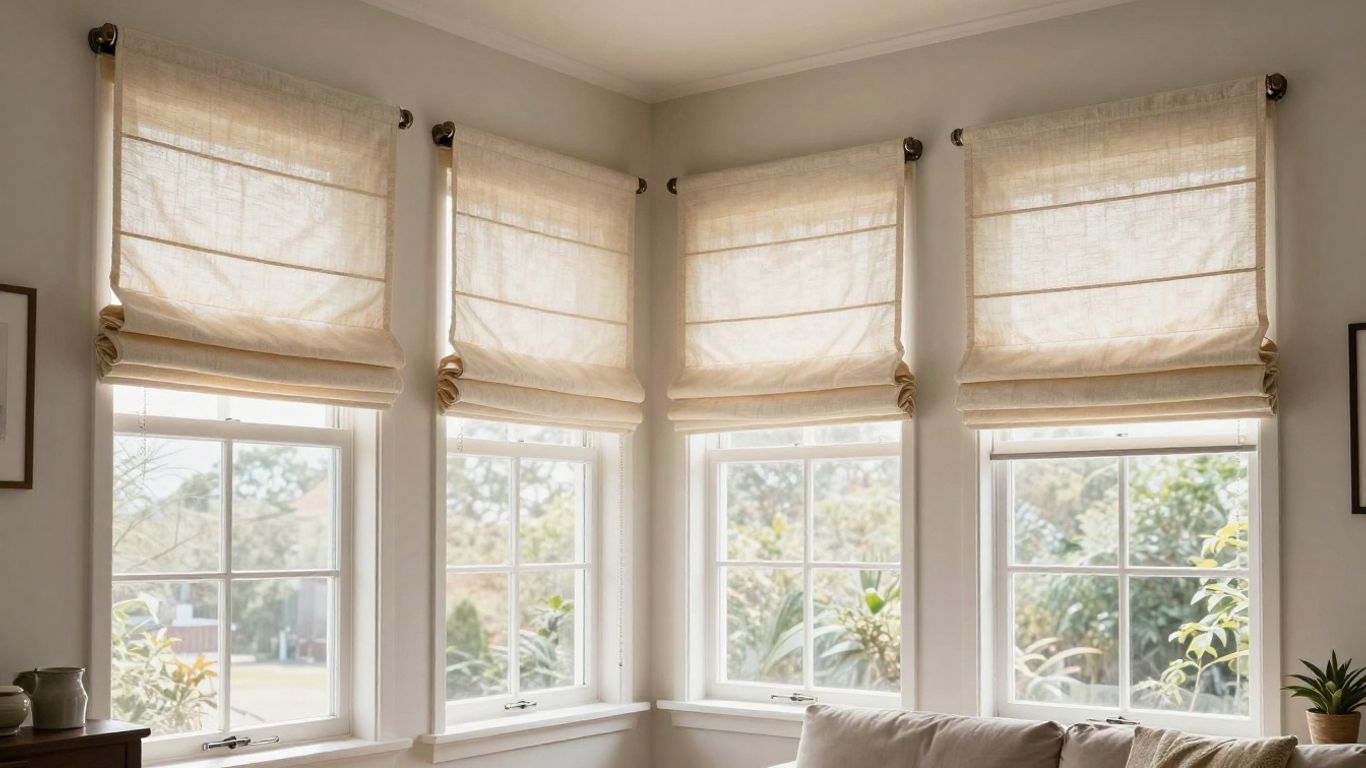
For blinds like roller shades or Roman shades, the fabric is everything. It dictates how much light gets through and how much privacy you get. You can find fabrics that filter light softly, creating a nice ambiance without harsh glare, which is perfect for a home office. Or, you might need blackout fabrics for a bedroom to ensure a good night's sleep. The weave and thickness of the fabric play a big role here. Some fabrics are designed with energy conservation in mind, helping to keep your home cooler in the summer and warmer in the winter. This can really impact your energy bills, making them a smart choice for energy efficiency.
Motorization for Convenience and Control
Let's be honest, manually adjusting blinds can be a chore, especially if you have a lot of them or windows that are hard to reach. Motorized blinds are a game-changer. You can control them with a remote, a smartphone app, or even integrate them into your smart home system. Imagine setting schedules for your blinds to open and close automatically with the sunrise and sunset. This not only adds a touch of modern luxury but also helps with light management and security. It's a fantastic way to get precise control over your environment without lifting a finger.
Maximizing Performance Through Installation and Maintenance
Getting your blinds installed right and keeping them in good shape is a big deal for how well they work and how long they last. It's not just about slapping them up and forgetting about them. A little care goes a long way.
Ensuring Proper Installation for Longevity
Think of installation like building a house: a solid foundation makes everything else better. When blinds are installed correctly, they operate smoothly, look great, and are less likely to break. This means:
- Precise Measurements: Double-checking window dimensions is key. Even a small error can lead to blinds that don't fit right, making them hard to open and close.
- Secure Mounting: Using the right hardware and making sure brackets are firmly attached to the wall or window frame prevents sagging and stress on the mechanism.
- Level Operation: Blinds should hang straight and move evenly. If one side is lower than the other, it puts uneven pressure on the cords or motor, which can cause problems down the line.
DIY Installation vs. Professional Services
So, should you tackle this yourself or call in the pros? It really depends on your comfort level and the type of blinds.
- DIY: For simple roller blinds or basic horizontal blinds, a DIY approach can save you money. You'll need basic tools like a drill, level, and measuring tape. Watching a few video tutorials can be helpful, but always follow the manufacturer's instructions carefully. It's rewarding when you get it right!
- Professional: If you're dealing with complex systems like motorized blinds, large windows, or custom-shaped blinds, hiring a professional is often the smarter choice. They have the experience and specialized tools to get it done perfectly the first time, avoiding potential damage to your blinds or your home.
Proper installation is more than just hanging blinds; it's about setting them up for a long, trouble-free life. It's an investment in their future performance and your peace of mind.
Essential Maintenance Tips for Lasting Performance
Keeping your blinds looking and working their best doesn't take much time. Regular, simple upkeep is the secret.
- Dusting: A soft cloth or a duster attachment on your vacuum cleaner can handle daily dust. Do this weekly to prevent buildup.
- Spot Cleaning: For minor marks, use a damp cloth with a mild soap solution. Always test on an inconspicuous area first and avoid soaking fabric blinds.
- Mechanism Check: Periodically check cords, wands, and motors. Ensure cords move freely and aren't frayed. For motorized blinds, check battery levels or connections as recommended by the manufacturer.
- Deep Cleaning: Follow the manufacturer's guidelines for deeper cleaning. Some materials can be wiped down, while others might require professional cleaning. Never put fabric blinds in a washing machine unless specifically instructed to do so.
Creative Applications for Window Blinds
Layering Blinds for Depth and Control
Think of your window treatments as a wardrobe for your windows. Just like you layer clothes for warmth and style, you can layer blinds to achieve a more dynamic look and better light management. Combining blinds with curtains or drapes adds texture and visual interest. For instance, a sleek roller blind can provide the base light control, while heavier, patterned curtains can be drawn for added privacy or to block out light completely. This approach also allows you to adjust the ambiance throughout the day. You might want filtered light from the blinds during the morning, then close the curtains for a cozy movie night.
Using Blinds as Accent Features
Who says blinds have to be purely functional? They can absolutely be a statement piece in your room. Forget plain white or beige; consider blinds in a bold color, a striking pattern, or even a unique material. A vibrant set of Roman shades in a geometric print can anchor a minimalist living room, drawing the eye and adding personality. Or, perhaps a textured bamboo roller blind can bring a natural, earthy feel to a modern space. The key is to let the blinds complement, not compete with, your existing decor.
Customization Options for Unique Spaces
Sometimes, standard window sizes and styles just don't cut it. That's where custom blinds come in. Whether you have unusually shaped windows, need specific blackout capabilities for a home theater, or want a particular shade to match a custom-designed sofa, customization is your friend. Many manufacturers offer a wide range of options, from fabric choices and hardware finishes to exact sizing. This level of personalization means your blinds won't just fit your windows; they'll fit your lifestyle and aesthetic perfectly.
Don't underestimate the power of small details. Even something as simple as the pull cord or the bottom hem of a blind can be customized to add a unique touch. Think about contrasting colors for the cord or a decorative trim on the hem to really make your window treatments stand out.
Sustainable Choices for Window Blinds
When we think about making our homes more eco-friendly, window treatments often get overlooked. But honestly, they can play a pretty big part in reducing our environmental footprint. It’s not just about picking a pretty pattern; it’s about choosing materials and designs that are kind to the planet and help us save energy.
Exploring Eco-Friendly Material Options
Lots of blinds are made from materials that aren't exactly great for the environment. Thankfully, there are better options popping up all the time. Think about blinds made from natural, renewable resources. Materials like bamboo, jute, and certain types of wood are fantastic choices. They bring a natural beauty indoors and are generally less processed than synthetic alternatives. For instance, Bali Natural Shades are a great example, using materials like bamboo and jute to create a unique, earthy look.
- Bamboo: Fast-growing and renewable, bamboo blinds offer a light yet strong option.
- Jute & Grasses: These natural fibers add texture and a unique visual appeal.
- Recycled Materials: Some manufacturers are now using recycled plastics or fabrics, giving waste a new life.
- Sustainably Sourced Wood: Look for certifications that indicate responsible forestry practices.
Longevity and Waste Reduction
Another big part of sustainability is making things last. Buying blinds that are well-made means you won't have to replace them as often. This cuts down on manufacturing demand and, of course, reduces the amount of waste ending up in landfills. It’s a simple concept: buy better, buy less. Quality blinds, even if they cost a bit more upfront, often save money and resources in the long run. Think about it: how many times have you had to replace something cheap that just didn't hold up?
Choosing durable window treatments is a direct way to minimize waste. Investing in quality construction means your blinds will likely withstand daily wear and tear for years, avoiding the cycle of frequent replacements and the associated environmental impact.
Energy Conservation Through Smart Blinds
This is where blinds can really shine, literally and figuratively. The right blinds can make a noticeable difference in your home's energy use. By blocking harsh summer sun, they keep your home cooler, meaning less reliance on air conditioning. In the winter, they can help trap heat inside, reducing the need for extra heating. Cellular or honeycomb shades, for example, have a unique structure that traps air, acting as an insulator. Even simple roller shades, when made with specific thermal fabrics, can offer significant energy-saving benefits. It’s a smart way to manage your home’s temperature naturally and cut down on those utility bills.
Here’s a quick look at how different types can help:
| Blind Type | Primary Energy Benefit |
|---|---|
| Cellular Shades | Excellent insulation due to trapped air pockets. |
| Roller Shades | Can offer thermal backing for heat reflection/retention. |
| Wood/Faux Wood | Provides a physical barrier against heat transfer. |
| Roman Shades | Fabric choice impacts insulation properties. |
Wrapping It Up
So, we've gone over a lot about window blinds, from how they look to how they work. It's pretty clear they do more than just cover up windows. They really change how a room feels, help keep things private, and can even save a bit on your energy bills. Picking the right ones might seem like a big deal, but really, it's about figuring out what you need for your space. Whether you want total darkness for sleeping or just a bit of shade for the afternoon, there's a blind out there for you. And hey, taking care of them isn't too hard either, just a little dusting now and then keeps them looking good. In the end, good blinds just make your home feel better.
Frequently Asked Questions
What's the best way to pick blinds for a room that gets a lot of sun?
For rooms that get super sunny, you'll want blinds that can block out harsh rays and keep your stuff from fading. Think about shades that are totally dark, like blackout roller shades, or ones made of materials that can handle the sun, like faux wood. You could even use sheer shades under other blinds to soften the light.
Are fancy motorized blinds worth the extra cost for a living room?
Motorized blinds are really cool because you can control them with a remote or even your voice! They're super handy for big windows or ones that are hard to reach. If you like having the latest tech and making things easy, they can be a great upgrade for your living room.
How can I make sure my living room blinds give me enough privacy?
To get good privacy, pick blinds made from thick materials that don't let you see through them. Blinds that cover the whole window when closed, like roller shades or faux wood blinds, are usually the best bet for keeping your space private.
What kind of blinds help save energy?
Some blinds are better at keeping your house warm in the winter and cool in the summer. Blinds that have a special honeycomb shape, called cellular shades, are great for this because they trap air. Roller shades made with special fabrics can also help save energy.
How do I clean my window blinds?
Cleaning depends on the type of blinds. For faux wood or plastic blinds, a damp cloth usually works well. For fabric blinds like roller or Roman shades, you might want to use a vacuum with a brush attachment for dust, or gently spot clean any marks with a mild soap and water. Always check the instructions that came with your blinds!
What's the difference between blinds and shades?
Think of 'blinds' as window coverings with slats that you can tilt, like Venetian blinds. 'Shades' are usually made of one piece of fabric that rolls up or folds up, like roller shades or Roman shades. Both help control light and privacy, but they look and work a bit differently.