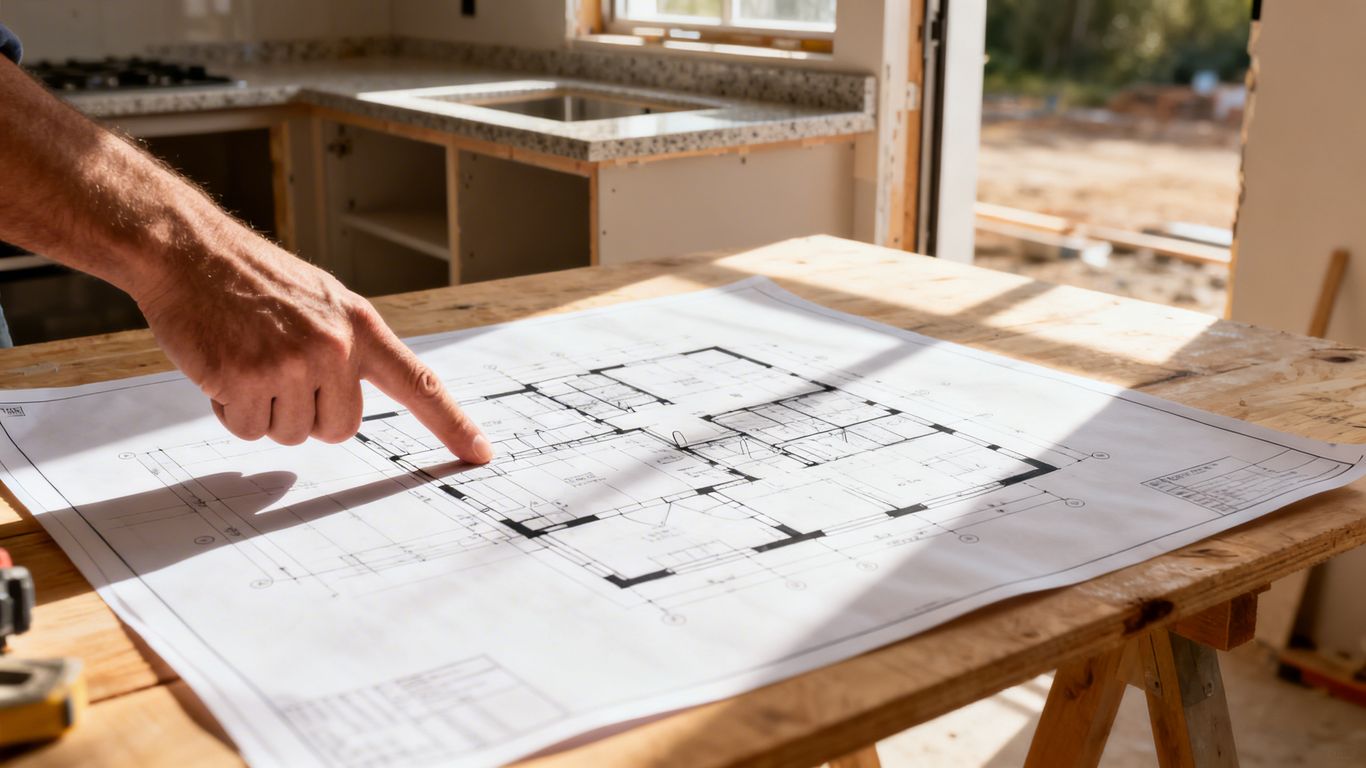
Getting in front of builders when they're just starting a new project is a big deal for countertop sellers. It’s about being there before they've even thought about who's going to supply the tops. This isn't just about having a good product; it's about timing and smart outreach. We’re talking about finding the right countertop new construction builder leads and making sure you’re on their radar at the perfect moment. Let’s look at how to make that happen.
Key Takeaways
- Builders often decide on countertop vendors early in the planning phase, sometimes before material selection is finalized. Knowing this timeline helps you target them effectively.
- Identifying potential countertop new construction builder leads means understanding which builders are active, what kind of projects they do, and if those projects fit your business.
- Reaching out directly through calls, emails, or even in-person visits can be effective, but building ongoing relationships is more important than a single sales pitch.
- Using digital ads on platforms like Google and Meta can put your countertop business in front of builders searching for suppliers or browsing relevant content.
- Showing builders how your countertops install easily, look good, and offer good value helps close deals and build lasting business partnerships.
Understanding The Builder's Decision-Making Timeline
Builders are busy people, and they've got a lot on their plates. Figuring out when they actually decide on things like countertops can make a big difference in how you approach them. It’s not just about showing up when the house is almost done; that’s usually too late.
When Builders Select Countertop Vendors
This is where timing really matters. Most builders lock in their countertop vendors pretty early in the process. Think about it: they need to order materials, schedule installations, and make sure everything fits into their overall construction plan. If they haven't picked someone by the time framing is done, they're probably already behind schedule.
- Early Design Phase: Sometimes decisions are made even before the foundation is poured, especially for custom builds where clients are involved.
- Framing Stage: This is a common point. They need to know what they're working with for measurements and material needs.
- Rough-in Plumbing & Electrical: By this point, the countertop choice should be firm so that sink cutouts and other details can be planned.
The absolute latest a builder wants to finalize a countertop vendor is typically before drywall goes up.
Factors Influencing Vendor Choice
So, what makes a builder pick one countertop supplier over another? It’s not just about the prettiest samples, though that plays a part. They’re looking at the whole package.
- Reliability: Can this vendor deliver on time, every time? Delays cost builders money.
- Price: Obviously, budget is a huge factor. They need to hit their numbers.
- Product Variety: Do they have options that fit different price points and styles for their homes?
- Installation Quality: Who’s doing the actual work? A bad install reflects poorly on the builder.
- Communication: Is the vendor easy to get a hold of and responsive to questions or issues?
Builders often have preferred vendors they've worked with for years. Breaking into that established relationship takes more than just a good price. You need to show them you're a better, more reliable option.
The Critical Window for Engagement
Knowing when they decide helps you figure out when you should be talking to them. You don't want to be the vendor calling when the cabinets are already in and the client is picking paint colors. That’s a tough spot to be in.
- Pre-Construction Meetings: Attend these if possible, or at least know when they happen.
- Project Planning Stages: Get your foot in the door when they're still sketching out plans and budgets.
- Subcontractor Bidding: This is a prime time to get your quote and proposal in front of them.
Missing this window means you’re likely competing for scraps, or worse, not even in the running. It’s all about being there before the decision is made, not after.
Identifying High-Value Countertop New Construction Builder Leads
So, you want to get in front of builders before they've already decided on their countertop supplier? That's smart. But not all builders are created equal when it comes to your business. You need to know who to focus on. It’s about finding the ones who are actually building homes that fit your product and your sales goals. Let's break down how to spot these golden opportunities.
Defining Your Ideal Builder Profile
First off, who are you even trying to reach? Think about the kind of projects that work best for you. Are you selling high-end quartz for luxury custom homes? Or maybe durable, budget-friendly laminate for large-scale tract housing? Your ideal builder profile should reflect this.
Consider these points:
- Project Size: Are you targeting single-family homes, multi-unit dwellings, or commercial projects?
- Price Point: Does the builder typically work in the affordable, mid-range, or luxury market?
- Building Style: Do they focus on modern, traditional, or a specific architectural style that might influence countertop choices?
- Geographic Area: Where are they actively building? Are these areas you can service effectively?
Knowing your sweet spot helps you filter out the noise and focus your energy where it counts. It’s like trying to sell snow shovels in Florida – probably not the best use of your time.
Leveraging Data for Lead Qualification
Okay, you know who you're looking for. Now, how do you find them? This is where data comes in handy. You don't want to waste time chasing down builders who aren't a good fit. There are tools and resources out there that can give you a head start. Think about public records, building permits, and industry databases. These can tell you who is pulling permits for new construction in your target areas. You can also look at existing builder websites and social media to get a feel for their current projects and style. This is a great way to generate more construction leads in 2026.
Here’s a quick look at data sources:
| Data Source | Information Provided |
|---|---|
| Building Permits | New projects, addresses, permit values |
| Public Records | Property ownership, sales history |
| Industry Databases | Builder size, project types, past work |
| Online Portfolios | Project photos, design aesthetics, client testimonials |
Recognizing Signs of Active Projects
This is the really important part. You need to spot builders who are actively in the planning or construction phase for projects that need countertops. It’s not enough that they build houses; you need them to be building now and needing your product soon.
Look for these indicators:
- Recent Permit Applications: Especially for new residential construction.
- Active Job Sites: Driving around your target neighborhoods and spotting new home construction is old-school but effective.
- Website/Social Media Updates: Builders often post about new projects starting or nearing completion.
- Industry News: Announcements about new developments or builder expansions.
You're essentially looking for a builder who is about to make a decision on materials. If they're already pouring foundations, they might have already picked their countertop vendor. The sweet spot is when they're in the framing or early finishing stages, where major material selections are still being made. This is your prime time to connect and show them what you have to offer.
By focusing on builders who fit your profile and are actively engaged in projects that align with your business, you're much more likely to turn those leads into actual sales. It’s about being strategic, not just busy.
Proactive Outreach Strategies for Builders
Getting in front of builders before they've already committed to a countertop vendor is the name of the game. It’s not about waiting for them to call you; it’s about making sure they know who you are and what you can do when they’re in the planning stages. This means being strategic and showing up in the right places at the right time.
Direct Communication Channels
Sometimes, the old-school methods work best. Picking up the phone or sending a well-crafted email can cut through the noise. The key is to be prepared and have something specific to say. Don't just call to say hello; have a reason.
- Phone Calls: Aim for a brief, focused conversation. Introduce yourself, mention you work with builders on new construction projects, and ask if they're currently planning any upcoming builds where countertop selection is on the horizon.
- Emails: Personalize your messages. Reference a recent project of theirs if possible. Keep it concise, highlighting a key benefit you provide, like faster turnaround times or unique material options.
- In-Person Visits: If feasible, a quick drop-in at their office can make a strong impression. Bring a small sample or a brochure. Be respectful of their time; a five-minute chat is better than an unwanted hour-long pitch.
Building Relationships Before the Need Arises
Builders are busy people. They work with vendors they trust and have worked with before. So, how do you break into that circle? You build a relationship before they even have a project that needs your services. Think of it as planting seeds.
- Attend Industry Events: Go to local home builder association meetings, trade shows, or even community development forums. These are places where builders gather and network.
- Offer Educational Content: Share information that helps them. This could be a short guide on new countertop trends, tips for managing material lead times, or even a quick webinar on sustainable material options.
- Sponsor Local Events: Sponsoring a local charity build or a community event where builders are involved can put your name out there in a positive light.
The goal here isn't to make a sale on the first contact. It's about getting on their radar, showing you're a reliable resource, and making them think of you when the time comes. It’s a long game, but it pays off.
Offering Value Beyond Product
Builders aren't just looking for someone to supply countertops. They're looking for partners who can make their job easier and their projects more successful. Think about what else you can bring to the table.
- Logistical Support: Can you help with scheduling deliveries to specific job sites? Do you have a system for managing multiple project timelines simultaneously?
- Design Assistance: Do you have a designer on staff who can help their clients choose the right materials, perhaps even offering a free initial consultation?
- Problem-Solving: What happens when there's an issue on site? Can you respond quickly to fix a problem or replace a damaged piece? Demonstrating you can handle challenges smoothly is a big plus.
Digital Marketing Tactics for Reaching Builders
So, you want to get your countertop business in front of new home builders, right? It’s not enough to just wait for them to find you. You’ve got to be smart about how you show up online. Think about it: when a builder is planning a new project, they’re probably doing some searching, maybe even right on their phone between job sites. We need to make sure you’re there when they do.
Targeted Advertising Campaigns
This is where you can really get specific. Instead of just throwing ads out there hoping someone sees them, you can aim them directly at the people you want to reach. We’re talking about builders, developers, and general contractors. Platforms like Google Ads and even LinkedIn let you set up campaigns that target by job title, industry, and even geographic location. This means your ad budget isn't wasted on people who will never buy countertops for a new build. You can set up ads that highlight your speed of delivery or your range of materials, things that matter to a builder on a tight schedule. The key is to make your ad copy speak directly to their needs, like mentioning quick turnaround times or bulk discounts.
Search Engine Optimization for Builder Searches
When a builder needs a vendor, they’ll likely type something into Google. What do you think they’re searching for? Probably terms like “new construction countertop supplier,” “builder grade countertops [your city],” or “commercial kitchen counter bids.” If your website doesn’t show up on the first page for those kinds of searches, you’re missing out. SEO is about making your website more attractive to search engines like Google. This involves using the right keywords on your site, making sure your site loads fast, and getting other reputable sites to link to yours. It’s a bit of a long game, but it pays off big time by bringing in people who are actively looking for what you do. Getting your site to rank well for these terms is a big win for local construction businesses.
Content Marketing for Builder Audiences
This is about creating useful stuff that builders will actually want to read or watch. Think blog posts about the latest trends in durable kitchen surfaces for multi-unit dwellings, or maybe a short video showing how quickly your team can install a batch of countertops. You could even create a downloadable guide on choosing the best materials for different types of new construction projects. The goal here is to position yourself as a knowledgeable partner, not just another vendor. When builders see you providing helpful information, they’re more likely to trust you when it comes time to make a decision.
Builders are busy. They appreciate clear, concise information that helps them solve problems or make their jobs easier. Don't just talk about your products; talk about how your products and services benefit their projects and their bottom line.
Showcasing Your Countertop Solutions Effectively
So, you've found a builder who's in the market for countertops. Great! Now, how do you actually show them what you've got and why they should pick you? It's not just about having nice-looking slabs; it's about making their job easier and their projects better. Builders need to see how your product fits into their workflow and their bottom line.
Highlighting Durability and Aesthetics
Builders care about how a countertop looks, sure, but they also need it to last. Nobody wants callbacks because a surface chipped or stained easily. You need to show them that your materials can handle the wear and tear of daily life, especially in new homes where families will be using them.
- Scratch Resistance: Demonstrate how your materials hold up against common kitchen accidents. Maybe show a quick video or a comparison chart.
- Stain Resistance: Prove that spills from coffee, wine, or cooking oils won't become permanent marks.
- Heat Tolerance: Builders often get questions about placing hot pans. Show them your product's limits.
- Visual Appeal: Have a good range of colors and patterns. Show them examples in different kitchen styles – modern, traditional, farmhouse, whatever fits the builder's typical projects.
Demonstrating Installation Efficiency
Time is money for builders. If your countertops are a pain to install, they'll look elsewhere. You need to show them that your team can get the job done quickly and correctly, minimizing delays on their construction schedule.
- Pre-fabrication Options: Do you offer custom cuts or edge profiles in your shop? This saves time on-site.
- Template Process: How smooth is your templating? A quick, accurate template means a better fit and faster installation.
- Installer Training: Do you provide any training or resources for installers to make the process smoother?
- Logistics: How reliable is your delivery and scheduling? Builders hate waiting around for materials.
Presenting Competitive Pricing and Support
Let's be honest, price is always a factor. But it's not just the sticker price. Builders want to know they're getting good value and that you'll be there if something goes wrong.
| Material Type | Price Per Sq Ft (Installed) | Warranty Period |
|---|---|---|
| Quartz | $60 - $100 | 10 Years |
| Granite | $50 - $90 | Limited Lifetime |
| Laminate | $25 - $50 | 1-5 Years |
Builders are looking for a partner, not just a supplier. They want to know you'll stand behind your work and be responsive to their needs, even after the sale is made. This includes clear communication about lead times, installation schedules, and any potential issues that might arise during the project.
Think about offering package deals or volume discounts for builders who commit to multiple projects. And make sure your warranty is clear and easy to understand. Nobody likes surprises when it comes to repairs or replacements.
Converting Builder Interest into Partnership
Streamlining the Sales Process
Builders want the steps between interest and agreement to be as hassle-free as possible. Take out the guesswork by setting clear expectations and giving straightforward timelines. Use simple documents, limit back-and-forth, and follow up often. Show them you respect their time and are ready to keep things moving.
Here's a simple checklist you can use to make the process smoother:
- Reply quickly to questions and requests.
- Offer clear, no-surprise pricing.
- Provide sample agreements and product details upfront.
The faster you can answer a builder’s questions, the more likely they are to trust your business and move ahead.
Providing Exceptional Customer Service
Great service is often the deciding factor for builders who have many choices. Make it easy for them to get what they need, before and after the sale. Stay on top of orders, keep communication open, and fix small issues fast before they turn into big headaches.
Consider these key points:
- Follow up after each project milestone.
- Address problems head-on, don't hide from tough conversations.
- Offer quick support, either by phone or in person when needed.
Securing Long-Term Builder Relationships
In this business, one positive experience can mean a long partnership. Find ways to keep in touch with regular updates about products, share project success stories, and remember important dates like project completions or key meetings. Small gestures make a big difference.
Think about these steps:
- Schedule check-ins after each job wraps up.
- Send out newsletters with tips just for builders.
- Thank your builder partners with small gifts or recognition for their loyalty.
You don't have to reinvent the wheel—just make a habit out of showing builders that you value their partnership. They’ll notice, and they’ll keep coming back.
Got people interested in your project? Don't let that excitement fade! Turn those "likes" into real teamwork. We can help you build strong connections that last. Ready to make it happen? Visit our website today to learn how!
Wrapping It Up
So, getting in front of builders before they pick a countertop vendor isn’t rocket science, but it does take some hustle. If you’re running ads, don’t just wait for leads to come to you—go after those new construction projects early. Google Ads can help you target by location and keywords like “new home builder” or “custom home construction.” Facebook and Instagram are great for showing off your work and running lead ads to catch builders before they’ve made up their minds. And don’t forget about LinkedIn—builders and contractors hang out there too. The main thing is to be quick and stay visible. Builders have a lot on their plates, so if you show up first and make things easy, you’ve got a much better shot at winning their business. Keep testing your ads, tweak your landing pages, and follow up fast. That’s how you get ahead in this game.
Frequently Asked Questions
When do builders usually decide on countertop suppliers?
Builders often make decisions about countertop suppliers early in the planning stage of a new home. This can be even before the house plans are finalized, as they need to factor in costs and material availability. Getting in touch with them during this initial design phase is key.
What makes a countertop company a builder's top choice?
Builders look for companies that offer good prices, have a wide selection of stylish and tough materials, and can install them quickly and without problems. Reliability and good communication are also super important to them.
How can I find builders who are starting new projects?
You can look for permit applications in local government offices, check construction sites for 'coming soon' signs, or use online tools that track new building projects. Networking with people in the construction industry also helps a lot.
What's the best way to reach out to builders about my countertops?
Directly calling or emailing them is effective. You could also try visiting their offices to introduce yourself. Building a friendly relationship before they even need countertops can make a big difference later on.
How can digital ads help me connect with builders?
Using ads on platforms like Google or Facebook allows you to target builders specifically. You can show them ads when they search for terms like 'new home materials' or 'kitchen countertops for builders.' This puts your company right in front of them when they're looking.
What should I show builders to convince them to use my countertops?
You should highlight how good your countertops look and how long they last. Also, show them how easy and fast your team can install them. Offering fair prices and great support after the sale is also a big plus.