New Homeowners Need Window Treatments: The 90-Day Buying Window
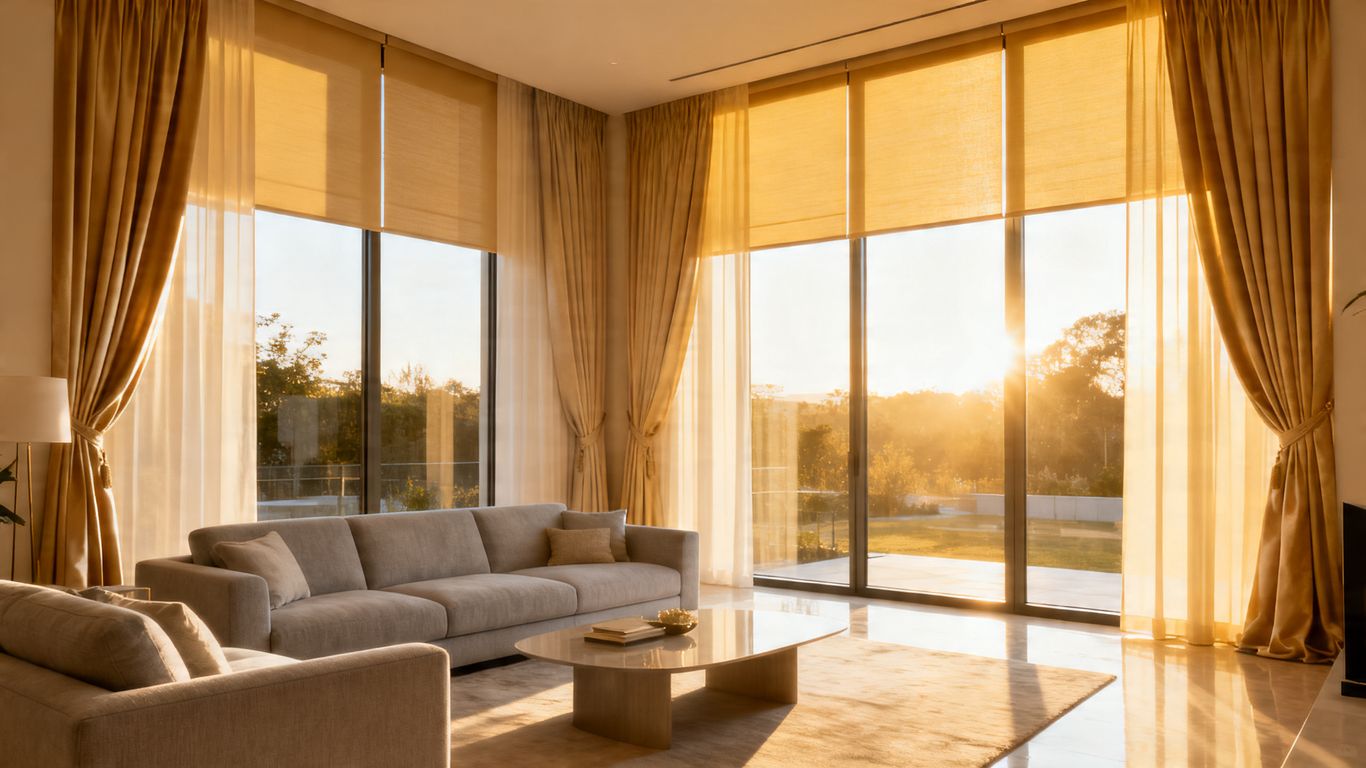
Moving into a new home is exciting, right? You've got boxes everywhere, you're figuring out where the light switches are, and you're probably thinking about paint colors. But don't forget about your windows! Seriously, getting the right window treatments for a new homeowner can make a big difference, and there's a sweet spot, a kind of 90-day buying window, where you're really looking to settle in and make the place yours. This is prime time for businesses that offer window treatments to connect with these new homeowners. Think about it: they're already spending money on the house, and they want it to feel like home, fast. Getting your message out there during this period is key for any window treatment new homeowner targeting strategy.
Key Takeaways
- New homeowners are a prime target for window treatment businesses, especially within the first 90 days of moving in.
- A focused window treatment new homeowner targeting strategy can capture motivated buyers looking to personalize their new space.
- Digital ad platforms like Google Ads and Meta Ads can be used to reach individuals actively searching for home improvement or recently moved.
- Highlighting the benefits of different window treatments, like energy efficiency or light control, can appeal to homeowners' needs.
- Offering packages or consultations specifically for new homeowners can simplify their decision-making process and drive sales.
1. Cellular Shades
So, you've just bought a new house. Congrats! Now comes the fun part: making it feel like home. One of the first things you'll probably notice is that your windows are, well, just windows. They let in light, sure, but they don't offer much privacy or help with temperature control. That's where window treatments come in, and cellular shades are a really popular choice for new homeowners.
These shades are also called honeycomb shades because of their unique structure. They have little pockets, like a honeycomb, that trap air. This trapped air acts as an insulator, which is pretty neat. It means they can help keep your house cooler in the summer and warmer in the winter, potentially saving you some money on energy bills. That's a big deal when you're just starting out with mortgage payments and all those other new home expenses.
When you're looking at cellular shades, you'll find a few different options:
- Single Cell: These have one layer of honeycomb pockets. They're usually the most budget-friendly and offer decent insulation.
- Double Cell: With two layers of pockets, these provide even better insulation and sound dampening. They're a bit thicker but offer more bang for your buck when it comes to energy savings.
- Triple Cell: For maximum insulation and a more luxurious feel, triple-cell shades are the way to go. They're the thickest and offer the best performance, but also come with a higher price tag.
Beyond the cell count, you'll also want to think about the fabric. You can get them in light-filtering fabrics, which let in a soft glow, or blackout fabrics, which block out almost all light. This is great for bedrooms or media rooms. Many companies offer a wide selection of cellular shades and blinds, so you can find colors and textures that match your new decor.
Another thing to consider is how you'll operate them. Cordless options are super popular now, especially if you have kids or pets, because they're safer. Motorized options are also available if you want that extra bit of convenience.
When you're picking out window treatments for your new place, think about what you need most. Is it privacy? Light control? Energy efficiency? Cellular shades can tick a lot of those boxes. They're a solid investment for any new homeowner looking to make their house more comfortable and stylish right from the start. Plus, many places offer free shipping on your purchase, which is always a nice bonus when you're furnishing a whole house.
Honestly, getting these sorted early makes a big difference in how quickly your new house starts to feel like a real home. Don't put it off too long!
2. Roman Shades
Roman shades are a really popular choice for new homeowners, and for good reason. They offer a clean, tailored look that can fit with pretty much any decor style. Unlike some other window treatments, they fold up neatly when you raise them, creating a smooth, flat panel or a more gathered, soft look depending on the style you pick. They bring a touch of elegance without being over the top.
There are a few main types of Roman shades to consider:
- Classic Flat Roman Shades: These have a smooth, flat surface when lowered and fold evenly when raised. They give a very crisp, modern appearance.
- Hobbled (or Waterfall) Roman Shades: These have a softer, more draped look, with folds that cascade down even when the shade is fully lowered. They feel a bit more traditional and luxurious.
- Banded Roman Shades: These have decorative bands or trim along the bottom edge, adding a bit of extra detail.
- Motorized Roman Shades: For ultimate convenience, you can get these with a motor, controlled by a remote or even an app. Pretty neat, right?
When you're thinking about Roman shades, consider the fabric. You can get them in light filtering materials to let some sun in, or go for blackout versions if you need serious light control, like in a bedroom. They're a great way to add both style and function to your windows. You can find a lot of information on different styles to help you decide.
Roman shades are a fantastic middle ground between the softness of curtains and the clean lines of blinds. They're versatile enough for a formal living room or a casual kitchen, and they really do make a space feel more put-together. Plus, they're relatively easy to operate, especially the cordless versions which are great for homes with kids or pets.
Choosing the right window treatments can feel like a big decision, but Roman shades are a solid option that many people are happy with long-term. They're a classic for a reason, and they can really tie a room together. If you're curious about the specifics, there's a great guide to Roman shades that covers all the details.
3. Roller Shades
Okay, so you've got your new place, and the windows are looking a little bare. Roller shades are a super popular choice for a reason. They're pretty straightforward, right? You just pull them down to block light or roll them up. They offer a clean, minimalist look that fits with a lot of different decor styles.
When you're picking out roller shades, there are a few things to think about. The material is a big one. You can get them in light-filtering fabrics that let some sun through, or go for blackout versions if you really want to keep the room dark. Then there's the mechanism: some are spring-loaded, others have a clutch system, and you can even get motorized ones if you're feeling fancy. For a standard 36" x 60" window, basic roller shades typically cost between $150 and $300, which is pretty reasonable when you look at custom blind pricing.
Here's a quick rundown of what makes them a good pick:
- Simplicity: Easy to operate and maintain.
- Versatility: Available in tons of colors, patterns, and opacities.
- Affordability: Often a budget-friendly option compared to other window treatments.
- Space-Saving: They roll up tightly, taking up minimal space when open.
Roller shades are a solid, no-fuss option for new homeowners. They get the job done without a lot of fuss, and you can find them in pretty much any style you can imagine. They're a great starting point if you're not sure where to begin with window coverings.
Think about how much light you want to control. If you need to block out sun completely for a bedroom, a blackout roller shade is your best bet. For a living room where you just want to cut the glare, a light-filtering fabric might be better. It's all about what works for each specific room in your new house. You can find a wide range of options to fit your needs and budget, and they're a great way to start making your new house feel like home. Remember, Roman shades are another popular choice, but roller shades often come in at a lower price point.
4. Vertical Blinds
When you've got those big, wide windows or sliding glass doors, vertical blinds are often the go-to choice. They just make sense for covering those larger expanses. Their design allows for easy operation, letting you slide them open like a curtain or tilt the slats for just the right amount of light.
Think about how much you need to adjust the light throughout the day. Vertical blinds are pretty good at that. You can open them up all the way to let the sunshine stream in, or close them up tight for privacy. They're also a solid option if you're looking for something that's not too fussy to clean. Individual slats can often be swapped out if one gets dinged up, which is a nice little perk.
Here's a quick rundown of why they work well:
- Coverage: Great for large windows and patio doors.
- Light Control: Easy to adjust the angle of the slats.
- Operation: Can slide open or tilt.
- Maintenance: Generally simple to wipe down.
These blinds are particularly useful for covering large windows, wide openings, and tall sliding glass doors due to their effective coverage. They really do a good job of blocking out light when you need them to.
If you have a lot of glass to cover, especially on sliding doors, vertical blinds are definitely worth a look. They offer a practical way to manage light and privacy for those bigger window areas. You can find a variety of styles and materials to fit your home's look, making them a versatile choice for many new homeowners. They're a classic for a reason, especially for sliding glass doors.
They're a practical solution for managing light and privacy across wide expanses. You can find them in many materials, from vinyl to fabric, so you can match them to your decor. It’s a good idea to consider how much sun you get and how much privacy you need when making your choice. For many, they are a straightforward way to dress up large windows without a lot of fuss.
5. Horizontal Blinds
Horizontal blinds are a classic choice for a reason. They're pretty straightforward, letting you tilt the slats to control light and privacy. They're a go-to for many homeowners because they're generally budget-friendly and easy to find. You can get them in a bunch of materials, from vinyl and aluminum to real wood.
When you're picking out horizontal blinds, think about what you need them for. Are you trying to block out sun in a bedroom? Or just add a bit of privacy to a living room? The material really makes a difference here.
- Vinyl: Usually the most affordable option. Good for high-moisture areas like bathrooms or kitchens because they don't warp. They can sometimes look a bit less premium, though.
- Aluminum: Lightweight and durable. They come in lots of colors and finishes. Can be a bit noisy when the wind blows, and they can bend if you're not careful.
- Wood/Faux Wood: Offer a warmer, more natural look. Real wood blinds are beautiful but can be pricey and need care in humid environments. Faux wood blinds mimic the look of real wood but are more resistant to moisture and easier to clean, making them a popular choice for many rooms.
Installation is usually a DIY-friendly job if you're handy. You'll typically need a drill, a level, and a measuring tape. Most blinds come with the necessary hardware.
Horizontal blinds offer a good balance of light control and privacy. You can adjust the angle of the slats to let in just the right amount of light or close them completely for maximum privacy. They're a practical solution for most windows in a new home.
If you're looking for something a bit more substantial and decorative, you might also consider shutters. They provide excellent insulation and a really polished look, adding to your home's curb appeal.
6. Faux Wood Blinds
So, you've just bought a new place and you're thinking about window treatments. Real wood blinds look great, but they can get pricey, and let's be honest, they can warp in humid spots like bathrooms or kitchens. That's where faux wood blinds come in. They give you that classic wood look without the high cost or the worry about moisture.
These blinds are a fantastic middle-ground, offering durability and style at a more budget-friendly price point. They're made from materials like PVC or composite wood, which means they hold up really well against heat and dampness. This makes them a smart choice for pretty much any room in the house, especially those high-traffic areas or rooms prone to humidity. You can find a huge variety of styles and colors, so matching them to your new home's decor is usually pretty straightforward. Plus, many are designed for easy installation, which is a big plus when you're already juggling a million things after moving.
When you're picking them out, think about the slat size. Common options include 1-inch, 2-inch, or even 2.5-inch slats. The bigger the slat, the more light you can let in when the blinds are open, and the more unobstructed your view will be. For example, some white cordless faux wood blinds come with 2-inch slats and are built to handle up to 35 inches wide by 64 inches long windows, perfect for kitchens or bathrooms [5c78].
Here's a quick rundown of why they're a popular pick:
- Affordability: Generally less expensive than real wood.
- Durability: Resistant to moisture, heat, and warping.
- Maintenance: Easy to clean with just a damp cloth.
- Appearance: Mimics the look of real wood convincingly.
You might be tempted to go for the cheapest option you find, but it's worth looking at the quality of the material and the hardware. A slightly better-made faux wood blind will last longer and look better over time, making it a better investment for your new home.
If you're looking for a good balance of looks, function, and price, faux wood blinds are definitely worth a look. You can explore a wide selection of these blinds online to get a feel for what's out there [d504].
7. Real Wood Blinds
Real wood blinds are a classic choice, and for good reason. They bring a natural warmth and a touch of elegance that synthetic materials just can't quite replicate. If you're going for a more traditional or rustic look, these are definitely worth considering. They add a certain depth to a room, making it feel more finished and inviting. Plus, they're pretty durable if you take decent care of them.
The biggest advantage of real wood is its natural beauty and insulation properties. Unlike faux wood, which is essentially plastic, real wood offers a unique grain pattern and a solid feel. This natural material can also help with temperature regulation, keeping your home cooler in the summer and warmer in the winter, which is a nice bonus.
When you're picking out real wood blinds, think about the finish. You've got options ranging from stained to painted. Stained blinds really show off the wood's natural character, while painted ones can offer a cleaner, more uniform look. It really just depends on the vibe you're going for in your new place.
Here are a few things to keep in mind:
- Maintenance: They need a bit more care than faux wood. Dusting regularly is key, and you'll want to avoid getting them too wet. A damp cloth is usually fine, but don't go soaking them.
- Durability: While strong, they can be susceptible to warping in high humidity or extreme temperature changes. So, maybe think twice about putting them in a steamy bathroom unless they're specifically treated for it.
- Cost: Generally, real wood blinds are more expensive than their faux wood counterparts. You're paying for the natural material and the craftsmanship.
Choosing real wood blinds means investing in a timeless look. They're a step up from many other options, offering a solid, natural feel that can really make your new house feel like a home. Just be prepared for the slightly higher price tag and the need for a little extra TLC.
If you're looking for something that feels truly organic and adds texture, you might also want to check out woven wood shades. They offer a different kind of natural beauty that can complement real wood blinds or stand on their own.
8. Sheer Shades
So, you've got your new place, and the windows are looking a little bare. You're probably thinking about blinds or curtains, but have you considered sheer shades? They're kind of a cool middle ground.
These shades let in a ton of natural light while still giving you some privacy. It's like having a soft filter for your windows. They're great for living rooms or dining areas where you want a bright, airy feel but don't want everyone on the street seeing your new couch. They can really make a room feel bigger and more open.
Here's a quick rundown of why they might be a good fit:
- Light Diffusion: They soften harsh sunlight, making it more pleasant.
- Daytime Privacy: People outside can't easily see in during the day.
- Aesthetic Appeal: They add a touch of elegance without being too heavy.
- Versatility: They work well in almost any room, from bedrooms to kitchens. You can find them in many different styles to match your decor.
They're not exactly blackout, so if you need total darkness for sleeping, you might want to layer them with something else, like heavier curtains. But for everyday living, they offer a nice balance.
Sheer shades are a smart choice for new homeowners who want to balance natural light with a sense of privacy. They provide a soft, diffused illumination that can transform the atmosphere of a room, making it feel more welcoming and spacious. It's a way to get that bright, open feel without sacrificing your personal space.
Think about where you want that soft light the most. They're a really popular option for a reason, offering a unique blend of blind functionality and elegant fabric.
9. Blackout Curtains
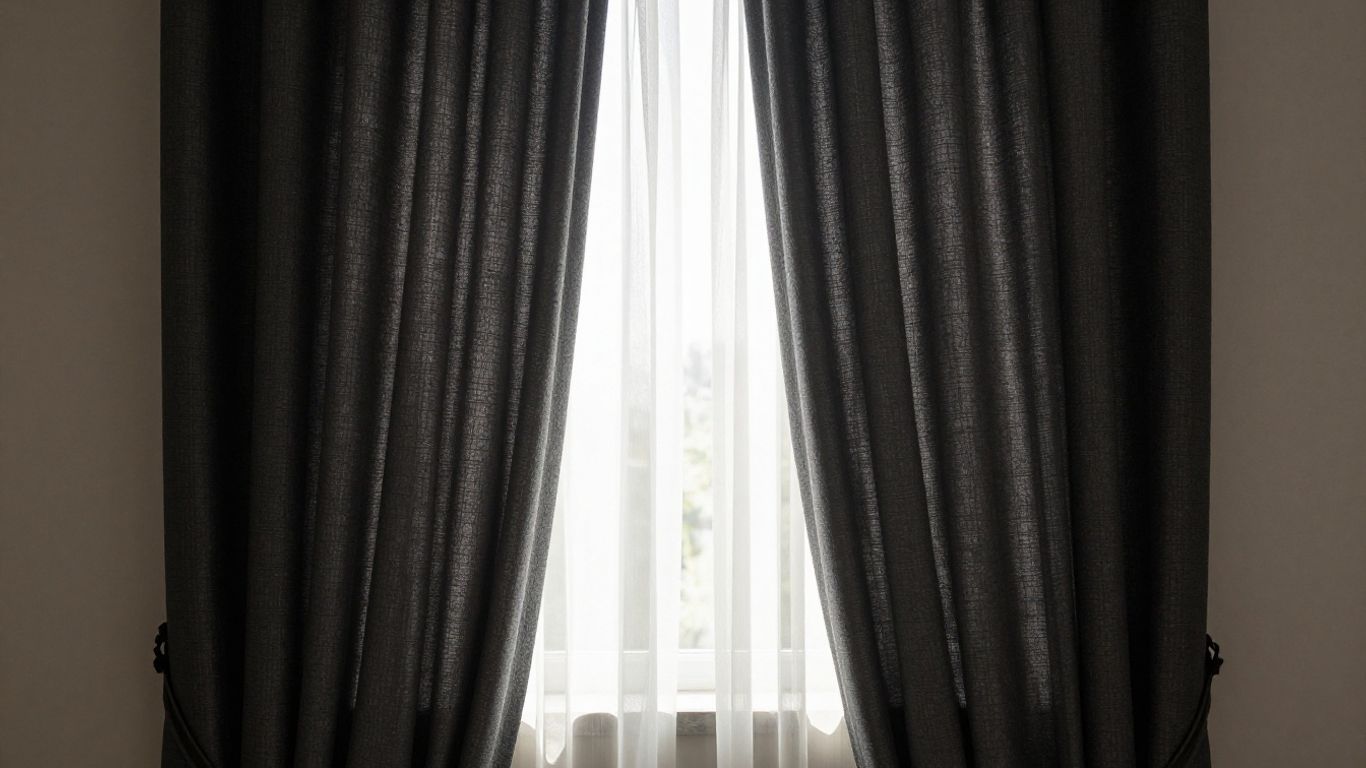
So, you've just bought a new place. Congrats! Now comes the fun part: making it feel like home. One thing you might not have thought about is how much light gets in, especially when you're trying to sleep. That's where blackout curtains come in. These aren't just any curtains; they're designed to block out almost all light.
Think about it. If your bedroom faces east, that morning sun can be pretty intense. Blackout curtains can really help with that, making it easier to sleep in on weekends. They're also great for movie nights, cutting down on glare from windows. Plus, they add a layer of privacy and can even help a bit with noise.
Here's why they're a good idea for new homeowners:
- Light Blocking: Seriously, they block a lot of light. This is their main job and they do it well.
- Sleep Improvement: Less light means better sleep, especially if you're sensitive to it.
- Energy Savings: They can add a bit of insulation, helping keep your rooms cooler in summer and warmer in winter. This means your heating and cooling systems might not have to work as hard, potentially saving you some money on bills. You can find some great options for window treatments.
- Privacy: They offer a good level of privacy, which is always a plus in a new home.
They come in different styles and colors, so you can find something that matches your decor. It’s not just about function; they can look good too. Getting these sorted early can make a big difference in how comfortable your new home feels, especially during those first few months. They really help create a peaceful environment in your bedroom or any room where light control is important.
10. Valances
So, you've picked out your main window treatments, but something still feels a little... unfinished? That's where valances come in. They're like the decorative trim for your windows, adding a polished look without being a whole new window covering.
Valances are essentially short, decorative pieces of fabric or other material that hang across the top of a window. They're not meant to block light or provide privacy on their own, but they do a great job of hiding the hardware for blinds or curtains and adding a splash of style. Think of them as the finishing touch that ties everything together.
Why bother with valances? Well, they can:
- Add a pop of color or pattern to a plain room.
- Soften the hard lines of blinds or shades.
- Help make a window appear taller or wider, depending on how they're hung.
- Conceal the top of your window treatments, like the roller mechanism on a shade or the track for curtains.
There are quite a few styles to choose from, too. You've got your basic straight valances, which are pretty straightforward. Then there are more elaborate ones like gathered, pleated, or even shaped valances. Some people even use cornice boards, which are more rigid and can look quite formal. You can find custom fabric valances and cornice boards in all sorts of colors and styles to match your decor. They're a nice way to accent existing blinds and add a decorative touch.
When choosing a valance, think about the overall style of your room. A very formal room might suit a tailored, pleated valance, while a more casual space could look great with a simple, gathered fabric. It's all about making your windows look their best.
Ultimately, valances are a simple way to add personality and a finished look to your windows. They're a great option if you're looking for a little something extra without a big fuss. You can explore a broad range of window valances available in various materials and designs that offer solutions for light filtering, privacy, and enhancing your home's aesthetic.
Curtains are more than just fabric; they're a key part of your home's style. Think about how they frame your windows and add that finishing touch. Want to see some amazing options that will make your rooms pop? Check out our website for inspiration and ideas!
Don't Miss Your Window
So, you've just bought a new house. Congrats! It’s a lot, I know. But don't forget about those windows. That first 90 days is prime time to get them sorted. Think about it: you're settling in, unpacking boxes, and you want your new place to feel like home, right? Getting window treatments done early means you can actually enjoy your privacy and control the light from day one. Plus, it’s way easier to deal with it now than later when you're already busy with a million other things. Seriously, get those quotes, pick your styles, and get them installed. You'll thank yourself later.
Frequently Asked Questions
Why is the first 90 days so important for new homeowners buying window treatments?
Think of the first 90 days as your "settling in" period. You're figuring out what works in your new place. It's the perfect time to get window treatments because you can address privacy needs right away, control sunlight, and start making the house feel like your own home. Plus, getting them done early means you don't have to worry about it later when you're busy with other moving tasks.
What are cellular shades and why are they a good choice?
Cellular shades, also called honeycomb shades, look like little honeycombs. They're great because they trap air, which helps keep your house cooler in the summer and warmer in the winter. This can save you money on energy bills! They also offer good privacy and come in many colors to match your style.
Are Roman shades hard to use or maintain?
Not at all! Roman shades fold up neatly when you pull them, creating a soft, elegant look. They're pretty simple to operate, usually with a cord or a cordless system. Cleaning them is usually just a matter of dusting or a gentle vacuum, making them easy to care for.
What's the difference between roller shades and solar shades?
Roller shades are a basic type that simply rolls up and down. Solar shades are a type of roller shade, but they're special because they block UV rays and reduce glare from the sun without making your room dark. They let you see outside while protecting your furniture from fading.
When should I consider vertical blinds instead of horizontal ones?
Vertical blinds are usually best for large windows or sliding glass doors. They open side to side, kind of like curtains, which makes them easy to use when you're going in and out. Horizontal blinds, on the other hand, are better for standard windows and tilt open from the top down.
How do I choose the right window treatments for privacy?
For privacy, especially at night, you'll want something that blocks the view from outside. Blackout curtains are the best for complete darkness and privacy. Other good options include cellular shades, Roman shades, or even blinds that you can tilt to let light in but keep people from seeing directly inside.