Key Takeaways
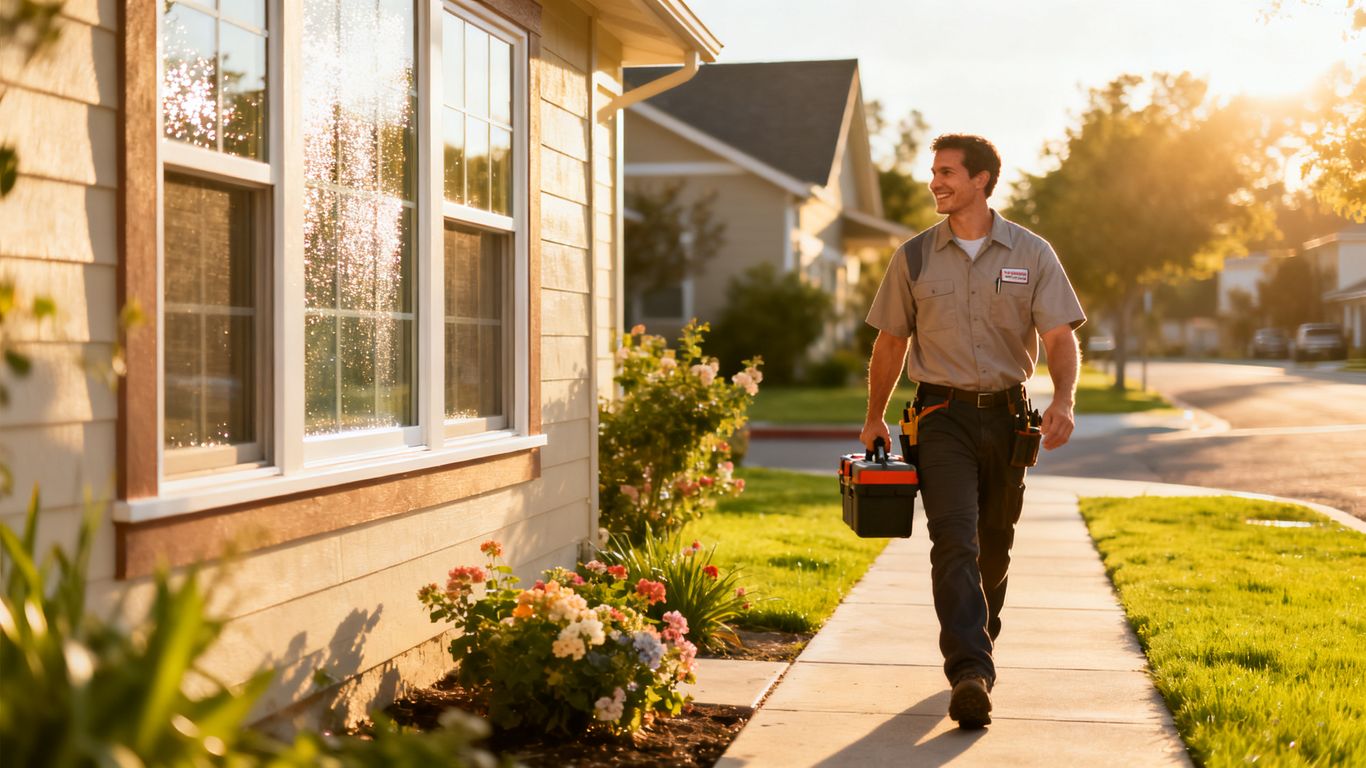
Nextdoor offers a unique environment for window treatment businesses by focusing on local connection and neighborhood-based trust.
- Nextdoor functions as a hyper-local ecosystem where residents frequently trade service provider recommendations.
- Your business profile acts as a digital storefront, requiring high-quality visuals and consistent review management.
- Ad strategy on the platform relies on precision, specifically targeting neighborhoods that match your ideal customer profile.
- Creative assets should move beyond polished stock photos, favoring authentic project imagery that highlights genuine home upgrades.
- Successful campaigns integrate lead forms directly into your CRM to ensure rapid follow-up for every inquiry.
The unique value of Nextdoor for window treatment providers
Window treatment companies succeed on platforms that prioritize word-of-mouth validation and geographic proximity. Unlike broad-reach social media, Nextdoor segments users by specific neighborhoods, ensuring your ad spend reaches people living exactly where you provide service. This hyper-local advertising advantage allows for a focus on specific housing communities often sharing similar architectural styles.
Leveraging hyper-local targeting in residential neighborhoods
Focusing on tight geographic circles ensures that every dollar spent is directed toward homeowners who are within your actual route density. By defining your target areas down to the zip code or specific neighborhood, you reduce wasteful impressions while increasing the likelihood of reaching neighbors who already talk about home improvement projects among themselves.
Capitalizing on the "neighbor recommendation" culture
People turn to their neighbors for advice on everything from contractors to landscaping, viewing these suggestions as more reliable than search engine results. When you maintain a presence where this neighbor recommendation culture thrives, you position your brand as a vetted member of the community rather than an outside solicitor.
Establishing trust through local social proof
Homeowners are inherently cautious about letting contractors inside their homes, making local reputation paramount. When your business is discussed positively within a neighborhood, that social proof becomes the primary driver for lead conversion, effectively pre-selling your reliability before the first phone call occurs.
Setting up your business profile for maximum visibility
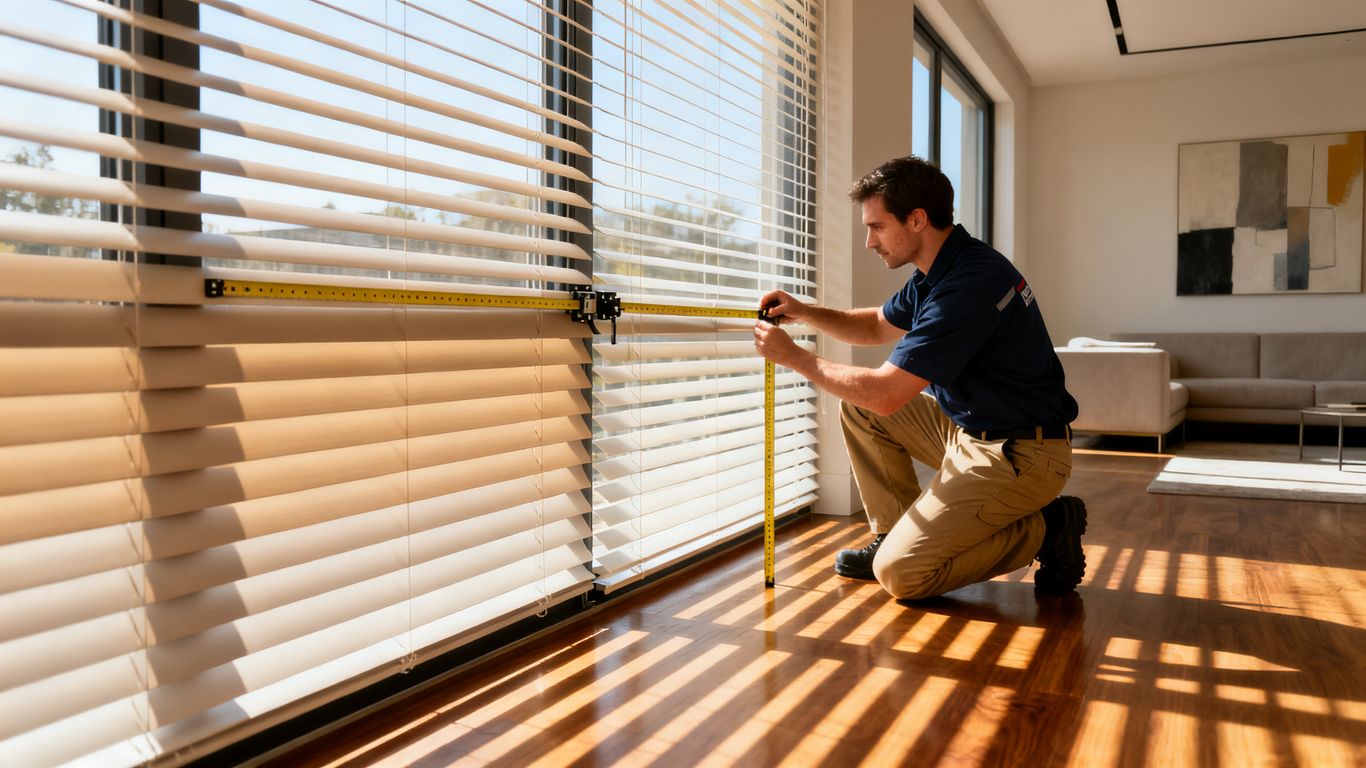
Your profile serves as the foundation for all your neighborhood interactions and acts as a central hub for prospective clients checking your background. A complete, well-maintained profile signals professionalism and ensures that search features correctly associate your business with the specific services you offer. Establishing this digital presence correctly requires careful attention to detail and a commitment to displaying your actual work.
Optimizing your business name and service areas for search
Consistency in how you list your company name and coverage area helps algorithmic visibility within the app's business directory. Ensure that your setup includes all relevant service radius parameters, which helps when local homeowners use the platform as a search tool for finding expert window coverings in their vicinity.
Showcasing your blind installation portfolio with project results
Clients want to see how your products look in real homes. By regularly updating your gallery with high-quality photos of successful installations, you demonstrate your range while providing potential customers with visual ideas for their own spaces.
| Project Type | Room Focus | Benefit Delivered |
|---|---|---|
| Motorized Shades | Living Area | Home Automation |
| Blackout Blinds | Bedroom | Light Control |
| Custom Shutters | Exterior View | Curb Appeal |
These tangible examples help homeowners visualize the impact of your work, making it significantly easier for them to decide on a specific request.
Encouraging authentic customer reviews and recommendations
Reviews on this platform carry significant weight because they are tied to real, verified residents. Proactively asking satisfied clients to share their experience forces organic growth, as their positive feedback is broadcasted to their immediate circle, further cementing your reputation as a trusted local contractor.
Navigating your blind company nextdoor neighborhood ads strategy
Developing a sound ad strategy requires understanding that you are buying access to community segments rather than broad interest groups. A well-planned campaign balances the need for consistent lead volume with the high expectations of a local, tight-knit audience.
Understanding the distinction between local deals and sponsored posts
While sponsored posts function like standard awareness ads, local deals are specifically designed to incentivize immediate action. Mixing both strategies allows you to capture interest through informative content while driving direct project inquiries with specific, time-sensitive offers.
Targeting specific zip codes to prioritize high-value residential areas
Precision at the zip code level ensures you aren't paying for traffic in neighborhoods where your services might be less profitable or too distant logistically. By mapping your targeting to focus on high-value residential zones, you naturally improve your conversion rates and reduce the time spent traveling for smaller, less efficient jobs.
Managing your monthly ad spend for consistent lead flow
Maintaining a predictable lead pipeline requires a steady budget that avoids the feast-or-famine cycle common in seasonal home improvement. By analyzing performance data, you can scale your monthly spend up or down, ensuring you have enough coverage to keep your sales team busy without overextending your operational capacity.
Crafting ad creative that resonates with local homeowners
Ad creative is the difference between a high click-through rate and being completely ignored. Homeowners are savvy and can quickly identify generic, impersonal advertisements that don't relate to their specific residential environment or stylistic preferences.
Using high-quality onsite photographs versus polished stock imagery
Real, everyday imagery of your team working in a local home outperforms generic stock photos because it feels authentic and trustworthy. When homeowners see proof of your past work in their area, they perceive you as a genuine consultant who understands their specific regional housing needs.
Addressing specific homeowner pain points like energy efficiency and privacy
Many homeowners are actively looking for solutions to common issues like heat gain or neighbor oversight. By creating ads that directly speak to these practical needs, you show that your company offers value-driven results rather than just selling products.
- Improved thermal regulation during peak summer months
- Enhanced privacy for ground floor street-facing windows
- Seamless integration with existing smart home setups
- Professional measurement to ensure custom-fit perfection
By centering your messaging on these specific outcomes, you provide a clear reason for a homeowner to consider your scheduling consultation services.
Writing ad hooks that emphasize local reliability and craftsmanship
Your ad copy should sound like a helpful, skilled neighbor, not a corporate sales pitch. Highlighting your commitment to quality materials and meticulous installation helps foster trust before the first point of contact, making the subsequent sales process much smoother.
Measuring campaign performance and lead integration
What gets measured gets improved, and tracking your advertising ROI is non-negotiable for scaling your business. Having a clear view of your metrics allows you to adjust your ad blindness strategy if campaign performance starts to dip, ensuring you remain efficient.
Integrating Nextdoor lead forms with your existing CRM
Automating the transfer of lead data ensures no inquiry remains in a silo, allowing your team to contact prospects while they are still in their research phase. This immediate responsiveness is often the deciding factor in landing a new project over a slower competitor.
Identifying cost-per-lead benchmarks for your specific service territory
Every geographic market has a different competitive intensity, leading to varying costs-per-lead. Monitoring this metric by territory helps you identify which zones deliver the best ROI, allowing you to prioritize those areas in your future planning.
Using custom promo codes to track offline conversion attribution
Even when leads come from online ads, the final conversion often happens over the phone or in person. Custom promo codes help you link these offline sales back to the specific platform campaign that triggered the initial interest.
Building a long-term neighborhood reputation beyond paid ads
Paid advertising drives the initial volume, but your long-term viability depends on becoming an integral part of the neighborhood conversation. Being known as a helpful, reliable expert who shows up for the community is a competitive moat no amount of ad budget can replicate.
Engaging in community conversations to boost organic brand awareness
Participating in threads about local home improvements allows you to demonstrate your expertise without the overt pressure of a sales pitch, naturally attracting interest from those who value your professional insight.
By providing helpful advice or tips on window maintenance, you build the kind of organic awareness that pays dividends over many years.
Positioning the business owner as a helpful local consultant
Instead of just selling products, guide homeowners through the technical nuances of window design. This consultative approach changes the dynamic of the relationship, moving from a transaction to a service partnership where the client feels supported throughout their project.
Handling reviews and public feedback to maintain a five-star image
Managing your online presence includes acknowledging all feedback, especially when challenges arise. A transparent, respectful resolution process for any issues shows that you take your service commitment seriously and builds immense credibility even if a mistake is made.
Conclusion
Navigating the neighborhood advertisement landscape requires an intentional mix of technical precision and local engagement. By focusing on your reputation, high-quality documentation of your work, and consistent responsiveness, you turn this platform into a reliable channel for high-value home service leads.
Frequently Asked Questions
How long does it usually take to see results on Nextdoor ads?
Most businesses begin to see their first inquiries within two to four weeks of scaling their ad spend, though gathering enough data to optimize efficiently usually takes closer to 90 days. Factors like your service pricing, the clarity of your ad message, and the responsiveness of your team significantly influence how quickly you transition from initial impressions to booked consultations.
Can I manage my own ad campaigns without hiring an agency?
Yes, small business owners can manage their own campaigns if they have the time to dedicate to daily monitoring, writing ad copy, and testing creative assets. It requires learning the nuances of the platform's ad manager, keeping a close eye on budget pacing, and maintaining a strict schedule for lead follow-up to ensure that every opportunity is captured.
Does the platform favor businesses that are based in the neighborhood they target?
While your business address doesn't strictly dictate where you can advertise, homeowners often prefer local contractors they trust. Promoting your local heritage and mentioning your long-standing presence in the area can give you a significant conversion advantage over non-local competitors trying to penetrate the same market.
What type of content works best for organic neighborhood interaction?
Helpful advice that solves a homeowner's common problem, such as maintenance tips for blinds or energy saving suggestions, consistently draws more positive engagement than sales-focused promotional posts. Keep your contributions helpful and educational to establish yourself as a resource rather than someone just looking to collect lead information.
Are the lead forms effective for capturing high-intent traffic?
They are highly effective because they simplify the process for users who might be viewing your ad on a mobile device. Because these forms auto-fill user information, the barrier to completing an inquiry is very low, provided your ad copy is clear and specific about the next steps.
What should I do if I get a negative review on the platform?
Address the concern publicly, politely, and promptly, offering to take the conversation to a private channel to resolve the issue. Transparency is key; viewers often judge a business more by how they handle mistakes and criticism than by the perfect reviews, so focus on showing your commitment to customer satisfaction.
Is it possible to target specific types of homes or owners?
While the platform doesn't allow for detailed demographic targeting like household income or specific home age, you can target specific neighborhoods where those demographics reside. By identifying the geographic pockets where your ideal clients live, you can achieve similar results to advanced demographic targeting without violating consumer privacy regulations.