PMax for Countertops: The Setup That Avoids Junk Leads

So, you're running a countertop business and thinking about using Google's Performance Max campaigns. That's smart. But let's be real, just throwing up a generic PMax campaign can feel like tossing your money into a black hole, especially when you're trying to avoid those annoying countertop performance max junk leads. We've seen it happen. A lot. The trick isn't just using PMax; it's using it the *right* way for businesses like yours. We're talking about setting it up so it actually brings in people who want to buy countertops, not just tire-kickers. This guide is about how to get PMax working for you, not against you, and cut down on those wasted ad clicks.
Key Takeaways
- Performance Max campaigns can be great for countertop businesses, but a standard setup often leads to countertop performance max junk leads. You need a specific approach.
- Targeting the right people is key. Think about homeowners who are actively looking for kitchen or bathroom remodels, and use location data to focus on your service area.
- Your ads need to show off what makes your countertops special: the quality, the different materials, and happy customers. Make it look good.
- The page where people land after clicking your ad must be easy to use, especially on phones, and clearly tell them what to do next, like asking for a quote.
- Keep an eye on your campaign. See what's working, what's not, and adjust your targeting and ads. Also, make sure you're tracking what counts as a real lead versus a bad one.
Understanding Countertop Performance Max Campaigns
So, you're thinking about using Google's Performance Max campaigns for your countertop business. That's a big step, and honestly, it can be a game-changer if you set it up right. But here's the thing: just plugging in your basic info and expecting magic isn't going to cut it, especially in a niche like countertops.
Defining Performance Max for Countertop Businesses
Performance Max, or PMax, is Google's automated campaign type. It uses machine learning to find customers across all of Google's channels, Search, Display, YouTube, Gmail, Discover, and Maps, all from a single campaign. For countertop businesses, this means it can theoretically show your ads to people who are actively looking for new countertops, browsing home improvement sites, or even watching videos about kitchen renovations. The goal is to get more leads, faster, without you having to manage a bunch of different campaign types. It's designed to find conversions wherever they might be happening.
The Pitfalls of Generic Performance Max Setup
Now, here's where things can go sideways. A lot of businesses, when they first try PMax, just throw everything at it. They might upload a few images, write some basic ad copy, and set a general budget. This often leads to campaigns that spend money but don't bring in the right kind of leads. You might get clicks from people who are just curious, or worse, people who aren't even in your service area. It's like casting a huge net and hoping for the best, but you end up with a lot of seaweed and very few fish.
- Wasted Ad Spend: Money goes to clicks that won't convert.
- Low-Quality Leads: Inquiries from people who can't afford your services or are too far away.
- Missed Opportunities: Not reaching the high-intent customers who are ready to buy.
Why Countertop Businesses Need a Specialized Approach
Countertops aren't an impulse buy. People spend a lot of time researching materials, styles, and prices. They're often renovating or building, which means they have a specific project in mind and a budget. A generic PMax campaign doesn't understand this nuance. It doesn't know that someone in a different state is unlikely to buy granite from you, or that a homeowner looking for a cheap laminate might not be your ideal customer. You need to guide the AI. You need to tell it what a good lead looks like for your business. This means getting specific with your targeting, your ad content, and how you track what's actually working.
Setting up PMax for countertops isn't just about turning it on and letting it run. It requires a thoughtful approach that considers the specific customer journey for home improvement projects. Without this, you're likely to see your budget disappear without a steady stream of qualified inquiries.
Think of it this way: a general contractor might use PMax broadly, but a specialized countertop installer needs to be more precise. You're selling a significant home investment, and your ad campaigns should reflect that level of detail and intent.
Strategic Audience Segmentation for Countertop Leads
Alright, so you've got your Performance Max campaign humming along, but are you actually talking to the right people? For countertop businesses, just blasting ads everywhere is a recipe for wasted money and a inbox full of tire-kickers. We need to get smart about who we're showing our ads to. Targeting the right homeowners is the secret sauce to getting quality leads that actually turn into sales.
Identifying High-Intent Homeowners
Who's actually looking for countertops right now? It's not just anyone with a house. We're talking about people who are actively renovating, building, or maybe their current countertops are just plain falling apart. Think about homeowners who have recently searched for terms like 'kitchen remodel cost,' 'granite countertop installation,' or 'quartz vs. marble countertops.' These folks are further down the buying journey.
Leveraging Geographic and Demographic Data
Your business probably serves a specific area, right? Don't waste ad spend showing ads to people who are too far away to hire you. Use geographic targeting to zero in on your service area. Also, consider demographics. Are you seeing more success with homeowners in a certain age range, or those with higher household incomes? This data can help you refine your audience.
Excluding Unqualified Lead Sources
This is where we cut out the noise. We don't want to pay for clicks from people who will never buy. Think about who isn't a good fit. Are you getting leads from people looking for DIY countertop kits? Or maybe from rental property managers who only need the cheapest option? We need to actively exclude these groups.
Here are some groups you might want to consider excluding:
- DIY enthusiasts searching for materials only.
- Property managers looking for bulk, low-cost solutions.
- Individuals searching for countertop repair services (unless you offer that).
- People outside your defined service radius.
Setting up these exclusions upfront saves you a ton of money and keeps your sales team focused on promising prospects. It's like putting up a 'no soliciting' sign for your ad campaigns.
By being picky about who sees your ads, you're not just saving money; you're increasing the chances that the leads you get are genuinely interested in what you have to offer. It makes all the difference.
Crafting Compelling Ad Creatives for Countertops
Showcasing Quality and Craftsmanship
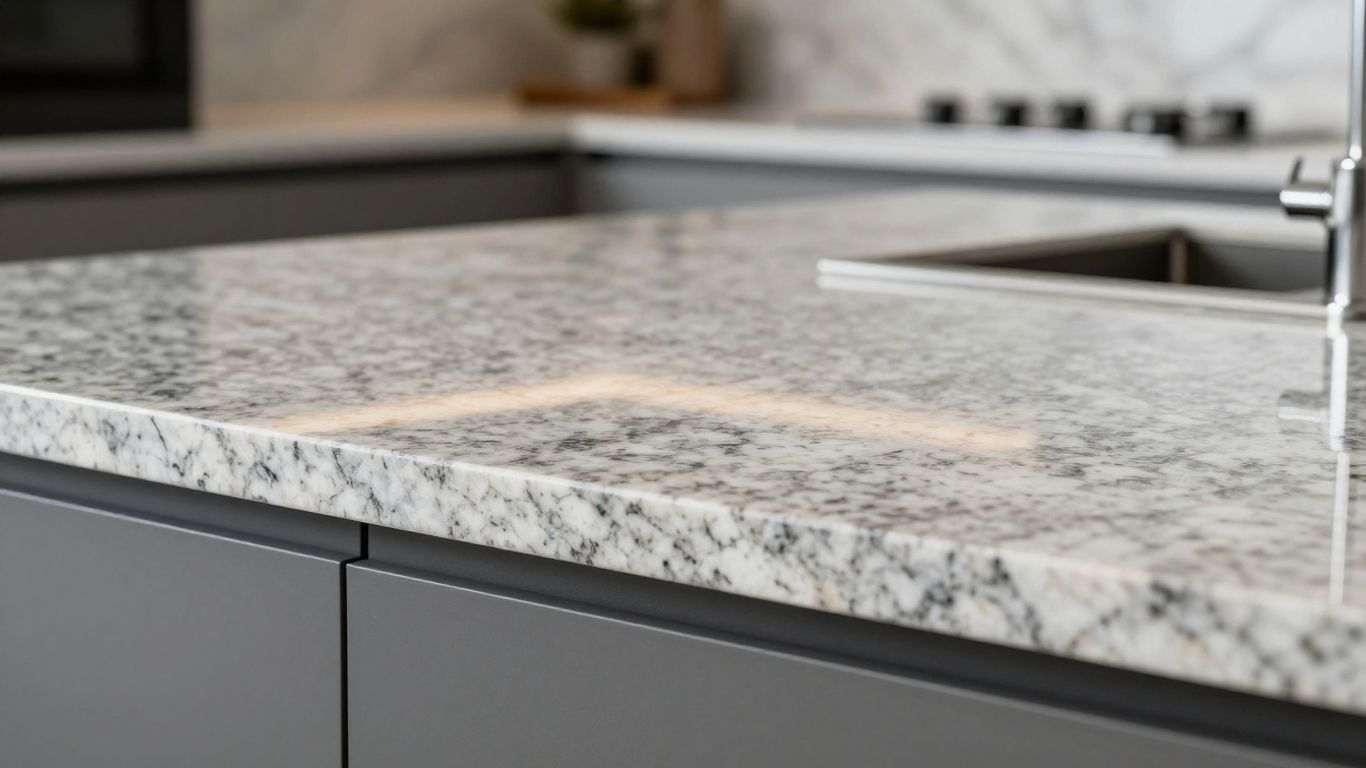
When people are looking for new countertops, they're not just buying a surface; they're investing in their home's look and feel. Your ads need to show that you get this. Think about using images that really highlight the fine details of your work. Is it the smooth finish of granite? The clean lines of quartz? The unique veining in marble? Make sure your visuals do the talking. Your ad copy should echo this visual quality, speaking to the durability and lasting beauty your countertops provide. It’s about selling a dream kitchen or bathroom, not just a slab of stone.
Highlighting Material Options and Styles
People have different tastes, and that’s a good thing! Your ads should reflect the variety you offer. Don't just show one type of countertop. Instead, create ad sets that focus on different materials like quartz, granite, marble, or even more modern options like solid surface or recycled materials. Mention specific styles too: modern, rustic, classic. This helps potential customers see themselves with your product. You could even run A/B tests on different material-focused ads to see which ones get the most clicks.
- Quartz: Known for its low maintenance and wide range of colors.
- Granite: Offers natural beauty and heat resistance.
- Marble: Provides a luxurious, classic look, though it requires more care.
- Solid Surface: Seamless and repairable, great for unique designs.
Using Customer Testimonials Effectively
What’s better than telling people how great your countertops are? Having happy customers tell them! Short, punchy testimonials can make a big difference. Think about pulling out the best line from a positive review and putting it right in your ad. For example, 'Absolutely love my new quartz countertops! They transformed my kitchen!' or 'The installation team was professional and clean.' This builds trust. People trust other people more than they trust ads.
People often look for social proof when making big decisions. Seeing that others have had a good experience with your service can significantly reduce their hesitation and make them more likely to inquire about your products and services. It’s like getting a recommendation from a friend, but on a larger scale.
Here’s a quick way to think about what makes a testimonial work:
- Authenticity: Use real names and locations if possible (with permission, of course).
- Specificity: Vague praise is okay, but specific comments about the product or service are better.
- Benefit-Oriented: Focus on how the countertop improved their home or their life.
- Conciseness: Keep it short and to the point for ad copy.
Optimizing Landing Pages for Countertop Conversions
So, you've got people clicking on your ads: that's great! But if your landing page isn't set up right, those clicks are just wasted money. Think of it like this: you wouldn't send a customer to a messy, disorganized showroom, right? Your landing page is the digital version of that. It needs to be clean, easy to use, and make it super simple for folks to take the next step.
Designing for User Experience and Trust
First impressions count. Your landing page should look professional and trustworthy. Use high-quality images of your countertops, maybe even some finished projects. People want to see what they're getting. Keep the layout simple; don't cram too much information in. A cluttered page is hard to read and can make people leave. Make sure your contact info is easy to find, too. Nobody wants to hunt for a phone number or email address.
Clear Calls-to-Action for Consultations
What do you want people to do when they land on your page? Probably get a quote or book a consultation. Your call-to-action (CTA) needs to be obvious. Use strong action words like "Get Your Free Quote Today" or "Schedule a Design Consultation." These buttons should stand out: maybe a different color than the rest of the page. Don't just have one; place them strategically throughout the page, especially after you've shown off some great countertop examples. We want to make it as easy as possible for potential customers to request a quote.
Mobile-First Design for On-the-Go Inquiries
Lots of people are browsing on their phones these days, especially when they're out and about looking at homes or renovations. If your landing page looks terrible on a smartphone, you're losing business. Make sure it loads fast and looks good on smaller screens. Buttons should be easy to tap, and text should be readable without zooming. It's not just about looking okay; it's about making it easy for someone to fill out a form or call you right then and there.
People often make decisions quickly. If your landing page is confusing or slow, they'll just move on to the next option. A good landing page guides the visitor smoothly towards becoming a lead.
Here are a few things to check:
- Page Load Speed: Use tools to see how fast your page loads. Slow pages lose visitors.
- Mobile Responsiveness: Test it on different phone sizes. Does it look and work well?
- Form Simplicity: Keep your contact forms short. Only ask for what you really need to start the conversation.
- Visual Appeal: Are the images clear and attractive? Does the overall design feel professional?
Advanced Bidding Strategies for Countertop Performance Max
So, you've got your Performance Max campaigns running for your countertop business. That's great! But just letting the AI do its thing without a bit of guidance can lead to wasted ad spend. We need to get smart about how we tell Google Ads to bid.
Maximizing Value with Target CPA
Target CPA, or Cost Per Acquisition, is a pretty straightforward concept. You tell Google Ads how much you're willing to pay for a lead: a qualified lead, that is. For countertops, this might be a quote request or a showroom appointment. The system then tries to get you as many of those as possible within your set budget. It's a good starting point, but it doesn't always account for the value of each lead. Some leads might be worth more than others, right?
Understanding Conversion Value
This is where things get more interesting. Not all leads are created equal. A customer looking for a small bathroom vanity might have a different project value than someone wanting a full kitchen remodel. By assigning different values to your conversions, you're giving the AI more information to work with. For example, you could set a higher conversion value for a kitchen quote request than for a bathroom quote. This helps the system prioritize the leads that are likely to bring in more revenue. It's about getting the right kind of leads, not just any leads. This is a key part of how Google Performance Max works across different channels.
Adjusting Bids Based on Lead Quality
This is where we really start to fine-tune things and avoid those junk leads. You can't just set and forget. You need to look at the data and make adjustments. Here's how:
- Review Lead Source Performance: See which channels or campaigns are bringing in the best leads. Are YouTube ads generating high-value inquiries, or is it mostly search?
- Analyze Conversion Data: Look at the actual outcomes of your leads. Did that lead from a specific audience segment actually turn into a sale? If not, maybe its value needs to be adjusted down.
- Implement Bid Adjustments: Based on your analysis, you might increase bids for certain times of day, locations, or audience types that historically produce better leads. Conversely, you might decrease bids for those that don't.
The goal here is to train the AI. The more accurate information you feed it about what constitutes a good lead and what doesn't, the better it will become at finding those high-quality prospects for your countertop business. It's an ongoing process, not a one-time setup.
Think of it like this: if you're a chef, you don't just throw random ingredients into a pot and hope for the best. You use your knowledge of flavors and ingredients to create a delicious meal. Bidding strategies for Performance Max are similar; you're guiding the AI with your business knowledge to cook up some great leads.
Conversion Tracking for Accurate Lead Qualification
Setting Up Robust Conversion Goals
Look, if you're running Performance Max for countertops, you need to know what's actually working. Generic tracking just won't cut it. We're talking about getting real leads, not just clicks. So, the first step is making sure your conversion goals are set up right in Google Ads. This means tracking things like form submissions, phone calls from your ads, and maybe even quote requests. Without accurate tracking, you're flying blind, and that's a fast way to waste money.
Distinguishing Between Leads and Junk
This is where a lot of countertop businesses stumble. You get a bunch of form fills, but how many are actually people who want new countertops? Probably not all of them. You need to set up your tracking to filter out the noise. Think about adding extra steps to your forms, like asking for a project timeline or budget range. You can also use Google Ads' conversion value feature to assign different values to different types of leads. A lead that's ready to buy next week is worth more than someone just browsing. It’s about quality, not just quantity.
Attributing Success to the Right Channels
Performance Max throws a lot of different ad formats and placements at the wall. It's hard to tell what's bringing in the good leads. That's why proper conversion tracking is so important. You need to see which parts of your PMax campaign are generating the actual sales-ready inquiries. This might involve looking at specific asset groups or even the types of searches that trigger your ads. If you see that certain keywords or audiences are consistently bringing in high-quality leads, you can then tell Google to focus more on those.
Here's a quick breakdown of what to track:
- Form Submissions: Any contact form, quote request, or consultation booking.
- Phone Calls: Calls directly from your ads or website.
- Appointment Bookings: If you have an online booking system.
- High-Value Actions: Things like downloading a brochure or viewing a specific product page for an extended time.
You've got to be smart about what you're telling Google to optimize for. If you tell it to optimize for 'any lead,' you'll get a lot of leads, but most of them will be junk. You need to guide it towards the leads that actually turn into customers. This means thinking about what makes a good lead for your business and setting up your tracking to reflect that.
Continuous Optimization to Avoid Junk Leads
So, you've set up your PMax campaign for countertops, and things are looking good. But here's the thing: setting it and forgetting it is a surefire way to start seeing more tire-kickers than serious buyers. Keeping your campaign sharp and focused is an ongoing job. It’s like tending a garden; you can’t just plant the seeds and expect a perfect harvest without any work. You need to weed out the bad stuff and nurture the good.
Regularly Reviewing Campaign Performance
This isn't a 'check it once a month' kind of deal. You should be looking at your campaign data at least weekly, if not more often. What are you looking for? Well, you want to see where your leads are coming from and, more importantly, what kind of leads they are. Are they filling out the form but never answering the phone? Are they asking about materials you don't even offer? These are clues.
- Lead Source Analysis: See which ad groups, keywords (if you can still see them!), and placements are bringing in the most leads. Then, cross-reference this with your actual sales data. Did that surge of leads from a specific website actually turn into a sale, or did they just waste your sales team's time?
- Conversion Rate Trends: Is your overall conversion rate dipping? Or maybe it's high, but the quality of those conversions is dropping. This means something in your targeting or messaging might be off.
- Cost Per Lead (CPL) vs. Cost Per Acquisition (CPA): Keep a close eye on this. A low CPL is nice, but if those leads never convert to sales, it's just wasted money. You want to see a healthy CPA, meaning you're paying a reasonable amount for actual business.
Iterating on Audiences and Creatives
Your initial audience setup and ad copy were a good start, but the market changes, and so should your campaign. Think about what you're learning from your lead quality reports.
- Audience Refinement: If you notice that leads from a certain demographic are consistently low quality, consider narrowing your audience or excluding that group. Conversely, if a specific interest group is bringing in great leads, maybe lean into that more.
- Creative Testing: Are certain images or headlines getting clicks but not quality inquiries? Try swapping them out. Maybe a picture of a finished, high-end kitchen is attracting looky-loos, while a more practical image of a homeowner discussing options is bringing in serious prospects. Test different calls-to-action too.
- Landing Page Adjustments: If your landing page is getting traffic but few form submissions, or if the submissions are low quality, the page itself might be the issue. Is the information clear? Is it easy to request a quote?
Refining Negative Keywords and Exclusions
This is where you really start to filter out the noise. Even in PMax, there are ways to tell Google what you don't want.
- Search Term Reports (where available): While PMax hides a lot, sometimes you can still get insights into what people are actually searching for. If you see irrelevant terms, add them as negative keywords to your account (even if it's just a broad match negative at the account level).
- Placement Exclusions: If you're seeing your ads on websites that are clearly not relevant to homeowners looking for countertops (think gaming sites or obscure forums), exclude those placements.
- Audience Exclusions: As mentioned before, if a particular audience segment consistently provides poor leads, exclude them. This could be based on age, interests, or even location if you're seeing a pattern.
The goal isn't just to get more leads; it's to get better leads. Think of it like a sieve. Your initial setup catches a lot, but continuous optimization is about making that sieve finer and finer, letting only the truly qualified prospects through to your sales team. This saves time, reduces wasted ad spend, and ultimately, increases your revenue.
Tired of wasting time on leads that go nowhere? Our smart system helps you focus on the good stuff. We make sure you're talking to people who actually want what you offer, so you can grow your business faster. Ready to stop chasing dead ends and start closing deals? Visit our website today to learn how we can help you get better leads!
Wrapping Up PMax for Countertop Shops
So, we've gone over how to set up Performance Max for your countertop business without attracting a bunch of tire-kickers. It's not rocket science, but it does take some attention to detail. Getting your audience signals right and feeding the machine good data is key. If you do that, PMax can really work for you, bringing in actual leads instead of just clicks. Give it a shot, tweak it as you go, and see what happens. You might be surprised at the quality leads you start getting.
Frequently Asked Questions
What exactly is a Performance Max campaign for countertop businesses?
Think of Performance Max, or PMax, as a super-smart ad tool from Google. For countertop companies, it’s designed to find customers across all of Google's platforms, like Search, YouTube, Gmail, and more, all at once. It uses automation to show your ads to people who are most likely to want new countertops, helping you get more leads without you having to manage tons of different ad types.
Why is a basic PMax setup often a bad idea for countertop companies?
A generic PMax setup is like using a one-size-fits-all tool for a custom job. It might show your ads to anyone, even people who aren't serious buyers, maybe they just like looking at kitchen pictures. This can waste your money on leads that will never buy. Countertop businesses need ads that talk to homeowners ready to remodel, not just dreamers.
How can I make sure my PMax ads attract the right kind of customers for countertops?
You need to be smart about who sees your ads. Focus on people who are actively searching for kitchen renovations or new countertops. Use information about where they live and their age to narrow it down. Also, tell Google who *not* to show ads to, like people who are already in your system or live too far away. This helps filter out the noise.
What makes a good ad for countertops that gets people to call?
Your ads should look amazing and show off the beautiful countertops you offer. Use high-quality pictures and videos that highlight the materials, like granite or quartz, and different styles. Mentioning things like 'free design consultation' or 'special financing' can also grab attention. And don't forget to show off happy customers: their words can be very convincing!
How important is the website page where people land after clicking an ad?
It's super important! The page needs to be easy to use and make people feel like they can trust you. It should clearly show what you want them to do next, like 'Request a Quote' or 'Schedule a Visit.' Since many people look at their phones, the page must look great and work perfectly on mobile devices.
How do I know if my PMax campaign is actually bringing in good leads?
You need to track everything carefully. Set up your Google Ads to count when someone fills out a form or calls you: that's a lead! It’s also key to figure out which leads are real opportunities and which ones are just wasting your time. By watching what works, you can tweak your ads, target better audiences, and make sure your money is spent on customers who are ready to buy.