PMax for HVAC: Separate AC Install From Furnace Repair Groups
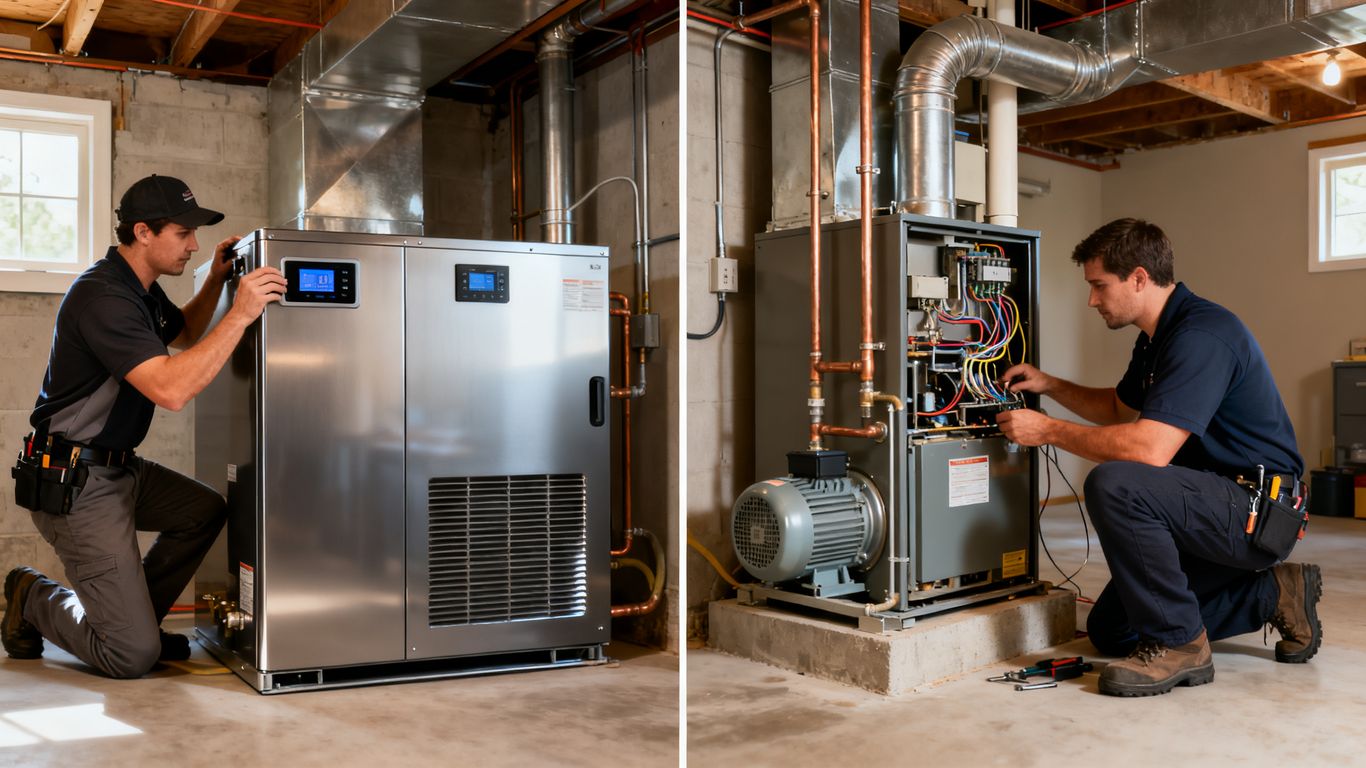
So, you're running an HVAC business and you've heard about Google's Performance Max campaigns. They sound like a magic bullet, right? But here's the thing: not all leads are created equal. Someone looking for a brand new air conditioner in July has a very different need than someone whose furnace just died in January. Trying to lump these two together in one big PMax campaign? It's probably not going to work as well as you'd hope. We need to think smarter about how we separate these services, especially when it comes to HVAC PMax separate AC furnace needs.
Key Takeaways
- Performance Max (PMax) can be a powerful tool for HVAC businesses, but its effectiveness hinges on how you structure your campaigns.
- Treating AC installations and furnace repairs as separate campaigns within PMax is smart. They have different customer needs and buying cycles.
- For AC installs, focus on seasonal demand, use visuals showing cool, comfortable homes, and set bids for new equipment purchases.
- For furnace repairs, highlight urgency, use messaging that addresses heating problems, and make sure your conversion tracking is set up for service calls.
- Use audience data, like past customers or people searching for specific terms, to make your PMax campaigns more targeted for either AC or furnace services.
Understanding PMax For HVAC Services
So, what exactly is this Performance Max thing, and why should HVAC businesses even care? It's basically Google's automated ad system. Think of it as a super-smart tool that tries to find customers for you across all of Google's platforms: Search, Display, YouTube, Gmail, and Discover. It uses machine learning to figure out who's most likely to convert, whether that's booking a service call or requesting a quote.
What is Performance Max?
Performance Max, or PMax as everyone calls it, is Google's way of simplifying ad management. Instead of setting up separate campaigns for different networks, you give PMax your goals, your assets (like images and text), and your budget. Then, it goes to work, showing your ads wherever it thinks it'll get the best results. It's designed to be pretty hands-off, which can be a good thing if you're busy running your business. The goal is to maximize conversions based on the targets you set.
Why PMax for HVAC Businesses?
For HVAC companies, PMax can be a game-changer. You're dealing with services that people often need urgently: a broken AC in the summer heat or a furnace that quits in the dead of winter. PMax can help you show up at those critical moments. It can find homeowners who are actively searching for HVAC help or even those who might be thinking about a new system soon. It's about getting your business in front of the right eyes at the right time, which is pretty important for local service businesses. Building a strong local reputation is key, and PMax can help with that online visibility [eb72].
Key Benefits of PMax Campaigns
There are a few big advantages to using PMax for your HVAC ads:
- Wider Reach: It covers all of Google's ad inventory, meaning more chances to be seen.
- Automation: It handles a lot of the bidding and targeting, saving you time.
- Performance Focus: It's built to drive conversions, which means more leads and calls for your business.
- Data-Driven: It uses Google's machine learning to make smart decisions about where to spend your ad money.
PMax aims to take the guesswork out of online advertising by letting Google's algorithms do the heavy lifting. This can be especially helpful for businesses that don't have a dedicated marketing team.
It's important to remember that while PMax is automated, it still needs good input from you. The quality of your assets and the clarity of your goals directly impact how well it performs. Understanding how it works is the first step to making it work for your HVAC business [3908].
Strategic Separation: AC Install vs. Furnace Repair
Think about it: when someone's AC breaks down in the middle of a heatwave, they're not thinking about a new system installation. They need a fix, like, yesterday. Conversely, someone looking to upgrade their old, inefficient furnace in the fall has a different mindset. They're planning, comparing options, and probably not in a panic. This difference in urgency and intent is exactly why you need to treat AC installation and furnace repair as separate campaigns within your Performance Max strategy. Trying to lump them together is like advertising ice cream in a blizzard: it just doesn't make sense to the person seeing the ad.
Defining Distinct Service Groups
First off, let's get clear on what we're talking about. We're not just talking about 'HVAC services' as one big blob. We need to break it down:
- AC Installation: This is about new systems, upgrades, and planned replacements. People searching for this are often looking for quotes, financing options, and long-term solutions. They might be building a new home or replacing a system that's nearing the end of its life.
- Furnace Repair: This is the emergency stuff. Think broken heat on a freezing night, strange noises, or a system that's just not working right. The searcher is usually stressed and needs a technician now.
- AC Repair: Similar to furnace repair, but for the cooling side. This is for when the air conditioning stops cooling, and the house is getting too hot.
- Furnace Installation: This is the planned replacement or new install for heating systems, usually happening before the cold weather hits.
Tailoring Campaigns for Specific Needs
Once you've got those groups defined, you can build campaigns that speak directly to each one. For AC installs, your ads might focus on energy efficiency, new technology, and financing deals. You're selling comfort and long-term savings. For furnace repair, the message needs to be about speed and reliability. Think "24/7 Emergency Service" or "Fastest Repair in Town." It’s about solving an immediate problem. This is where understanding high-intent keywords really pays off, as you can target people actively searching for solutions to their immediate problems.
When you run a single campaign for everything, you're essentially shouting the same message to everyone, regardless of whether they need a quick fix or are planning a major purchase. This wastes ad spend and confuses potential customers. Separate campaigns allow for precise targeting and messaging that aligns with what the user is actually looking for at that moment.
Optimizing for Conversion Intent
Your optimization efforts should also change based on the service group. For AC installations, you might track form submissions for quotes or calls requesting a consultation. The goal is to get them into the sales funnel. For furnace repairs, the primary conversion is likely a phone call requesting immediate service. You want to make that phone number front and center. Tracking these different conversion types helps Performance Max learn what works best for each specific service, leading to more qualified leads and better results overall. It’s about getting the right message to the right person at the right time, which is the whole point of capturing urgent service searches.
Leveraging PMax For AC Installation Campaigns
So, you've got a bunch of folks looking to get a new air conditioner installed. This is where Performance Max can really shine, but you gotta set it up right. It's not just about throwing money at ads; it's about being smart with it.
Targeting Seasonal Demand for AC
AC installation is super seasonal, right? People start thinking about it when it gets hot, usually in the spring and early summer. PMax can help you tap into that. You can set your campaigns to ramp up as the weather warms up. Think about it: when the temperature starts climbing, so does the search volume for "new AC unit" or "air conditioner replacement." PMax can automatically adjust bids and show ads when people are most likely to be looking.
- Spring Ramp-Up: Begin increasing ad spend and campaign activity in March/April.
- Summer Peak: Maximize budget and reach during May, June, and July.
- Late Season Push: Continue efforts into August for those who waited.
Creative Assets for Cooling Solutions
What kind of pictures and words are you showing people? For AC installs, you want to show cool, comfortable homes. Think bright, airy rooms, happy families, and maybe even a shot of a sleek, new AC unit. Your text should talk about comfort, energy savings, and maybe financing options. People aren't just buying an AC; they're buying relief from the heat and a lower energy bill. Make sure your assets reflect that. You want to make it easy for people to see the benefit of a new system. This is where good Google Ads campaigns come in, showing off what you do best.
Bidding Strategies for New Installs
When someone's looking for a new AC, they're usually planning a purchase. They might not be in a rush like someone with a broken furnace, but they've got a budget and a need. For new installs, you might want to focus on getting leads that are ready to buy. This could mean using bidding strategies that aim for conversions, like getting a quote request or a consultation booked. It's about finding those homeowners who are serious about upgrading. PMax can help find these people across Google's network, not just search.
When setting up your PMax campaigns for AC installations, remember that the user's intent is often about improving comfort and saving money long-term. Your messaging and targeting should align with these desires, highlighting efficiency and the benefits of a modern system.
Getting the right leads is key, and that's what good PPC management aims for. You want to connect with homeowners who are actively looking for these services, not just browsing. This is where specialized help can make a difference, like what Activate Digital Media does for HVAC businesses.
Optimizing PMax For Furnace Repair Campaigns
When your customers' furnaces go out, it's usually not a planned purchase. They're often cold, stressed, and need help now. That's where Performance Max campaigns can really shine for furnace repair services, but you've got to set them up right. It’s not just about showing up; it’s about showing up with the right message when someone’s shivering.
Addressing Urgent Repair Needs
Furnace breakdowns happen at the worst times, often during cold snaps. People search for "furnace repair near me" or "emergency heating service" when they're desperate. Your PMax campaign needs to be ready for these searches. This means making sure your ad copy and landing pages speak directly to the urgency. Think about phrases like "24/7 Emergency Service" or "Fast Furnace Fixes." The goal is to be the first, most reassuring option they see.
- Highlight Availability: Make it clear if you offer emergency or after-hours service.
- Emphasize Speed: Use words that convey quick response times.
- Build Trust: Include reassurances about qualified technicians and fair pricing.
Messaging for Heating System Issues
Your ads need to connect with the specific problem the homeowner is facing. Are they dealing with a furnace that won't turn on, strange noises, or a lack of heat? Tailor your messaging to these common issues. For instance, if you're targeting people searching for "furnace making noise," your ad could say, "Strange Furnace Sounds? We Fix It Fast." This kind of specific messaging shows you understand their problem and have the solution. It's about being relevant in their moment of need. You want to make sure your ads are seen by people who are actively looking for furnace help, not just general HVAC services. This is where smart bidding strategies can help focus your budget on those high-intent searches.
Conversion Tracking for Service Calls
For furnace repair, the ultimate goal is usually a phone call or a booked service appointment. It's super important to track these conversions accurately. If you're not tracking calls from your ads, you're flying blind. Make sure your Google Ads account is set up to record phone calls that come directly from your PMax campaigns. This data is gold. It tells you which ads and keywords are actually bringing in the business. Without it, you can't tell if your campaign is working or just burning through money.
Accurate conversion tracking is the backbone of any successful PMax campaign for service businesses. It allows you to see what's working and what's not, so you can make smart adjustments to get more customers.
Here’s a quick look at what to track:
- Phone Calls: Direct calls from ads and landing pages.
- Form Submissions: Contact forms filled out on your website.
- Appointment Bookings: Online scheduling confirmations.
By focusing on these specific elements, you can make your PMax campaigns for furnace repair much more effective, ensuring you're reaching the right people at the right time with the right message. This approach helps you stand out from competitors and become the go-to service when the heat goes out. Remember, Performance Max campaigns are designed to find customers across Google's network, so optimizing them for urgent needs is key.
Audience Segmentation Within PMax
So, you've got your Performance Max campaigns set up, but are you really talking to the right people? It’s not enough to just throw money at Google and hope for the best. We need to get smart about who we're targeting. Think about it: someone needing a new air conditioner in July has a very different mindset than someone whose furnace just died in January. PMax lets us get pretty granular with this, which is great news for HVAC businesses.
Identifying Homeowners Seeking AC
When it's hot out, people start searching for "air conditioning repair," "new AC unit," or "AC installation cost." These are folks who are likely feeling the heat and need a solution fast, or they're planning ahead for the summer. We can target these searches by focusing on keywords related to cooling, summer months, and specific AC brands or problems. It’s about catching them when they're actively looking for cooling solutions. This means aligning your ad copy and creative assets with the immediate need for comfort. For example, ads mentioning "Beat the Heat" or "Fast AC Service" are going to grab attention better than generic ones.
Reaching Those Needing Furnace Service
On the flip side, when the temperature drops, the furnace searches start rolling in. Think "furnace not working," "emergency furnace repair," or "heating system maintenance." These are often urgent situations. People are cold, maybe even worried about their family's safety. Your PMax campaigns should reflect this urgency. Messaging needs to be direct and reassuring, highlighting your availability and quick response times. Targeting should focus on keywords related to heating, winter, and common furnace issues. It’s a different kind of need, and your ads should speak to it directly.
Utilizing Customer Lists for Retargeting
Don't forget about the people you've already worked with! If you have a list of past customers, maybe from AC installs last year or furnace tune-ups a few months back, you can upload that to Google Ads. This lets you create custom audiences within your PMax campaigns. You can then show them ads for seasonal maintenance, new system upgrades, or even special offers. It’s a smart way to keep your business top-of-mind and encourage repeat business. Plus, it’s often more cost-effective than constantly chasing brand new leads. This is a great way to supplement your SEO and PPC efforts.
When segmenting audiences in PMax, think about the user's intent. Are they browsing for information, comparing options, or ready to buy right now? Tailoring your messaging and targeting to these different stages can make a big difference in how effective your campaigns are. It’s not just about who they are, but what they need at that exact moment.
Creative and Asset Group Best Practices
When you're setting up your Performance Max campaigns for HVAC, the stuff you show people, the ads, the images, the text, really matters. It's not just about throwing anything up there; you need to think about what will make someone pick up the phone or fill out a form.
Developing Compelling Ad Copy
Your ad copy needs to be clear and direct. For AC installs, you want to talk about comfort, efficiency, and maybe even special offers for new systems. For furnace repairs, it's more about urgency and reliability. Think about what someone searching for these services is feeling. Are they hot and bothered because their AC is out? Or are they worried about a cold house and a broken furnace?
- Headline Examples for AC Install:
- "New AC Installation - Stay Cool All Summer"
- "Energy Efficient AC Units - Save on Bills"
- "Fast AC Replacement Service"
- Headline Examples for Furnace Repair:
- "Emergency Furnace Repair - 24/7 Service"
- "Heater Not Working? We Fix It Fast!"
- "Affordable Furnace Service & Repair"
Descriptions should expand on the headlines, giving a bit more detail about why your company is the best choice. Mention things like free estimates, experienced technicians, or warranties. The goal is to make it easy for potential customers to understand what you do and why they should choose you.
Visuals That Resonate with Homeowners
Images and videos are super important. For AC installs, show happy families in cool, comfortable homes, or maybe a clean, professional installation process. For furnace repairs, you might show a friendly technician working on a furnace, or a cozy home interior to represent the comfort you restore. Avoid stock photos that look too generic. People want to see real service, real people.
People often search for HVAC services when they're already experiencing discomfort. Your visuals should offer a sense of relief and professionalism, showing that you can solve their problem quickly and effectively.
Asset Group Structure for HVAC PMax
This is where you organize everything. You'll want separate asset groups for different services, like AC installation and furnace repair. This lets you tailor the text and images specifically to each need. For example, an asset group for AC installs might use images of sunny days and cool interiors, while an asset group for furnace repair would focus on warmth and reliability. You can also test different combinations of assets to see what works best, which is a smart way to optimize PPC campaigns. Remember to include a variety of assets, like different headlines, descriptions, images, and videos. Google uses these to create the best ad combinations. Don't forget to add callout assets to highlight key selling points like "24/7 Service" or "Free Estimates."
Measuring Success: HVAC PMax Performance
So, you've set up your Performance Max campaigns for AC installs and furnace repairs, and you're wondering if it's actually working. It's easy to get lost in all the numbers, but figuring out what's good and what's not is pretty important for your business. We need to look at the right stuff to see if your ad spend is paying off.
Key Performance Indicators for HVAC
When you're running PMax for HVAC, there are a few numbers that really matter. Forget about just clicks; we need to focus on what brings in actual business. Here's a quick rundown:
- Cost Per Lead (CPL): How much does it cost you to get one potential customer's contact information? For HVAC businesses using Google Ads, a common CPL can be around $72 for these types of campaigns. This is a big one.
- Conversion Rate: What percentage of people who see your ad actually take the action you want, like filling out a form or calling?
- Return on Ad Spend (ROAS): For every dollar you spend on ads, how many dollars are you getting back in revenue? This is the ultimate test.
- Number of Qualified Leads: It's not just about quantity; are the leads you're getting actually likely to become paying customers?
Analyzing Campaign Data Effectively
Looking at the data is one thing, but understanding it is another. PMax campaigns use a lot of automation, which is great, but it can sometimes make it harder to see exactly why something is working or not. You'll want to check in regularly.
- Review Asset Group Performance: See which combinations of headlines, descriptions, images, and videos are performing best for each specific service (AC install vs. furnace repair).
- Monitor Search Terms (where available): While PMax is less transparent than standard Search campaigns, sometimes you can get insights into what people are actually searching for when your ads show up.
- Check Geographic Performance: Are your ads working better in certain neighborhoods or towns? This can help you focus your efforts.
The goal isn't just to spend money on ads; it's to make money from those ads. Keep an eye on the metrics that directly impact your bottom line. If a campaign isn't bringing in profitable leads, it's time to tweak it or try something new.
Attribution Models for Service Businesses
How do you know which ad or touchpoint gets the credit when a customer finally calls? That's where attribution models come in. Since PMax runs across many Google products like Search, Maps, and YouTube, understanding the customer journey is key. These automated campaigns try to cover all bases.
- Last Click: This model gives all the credit to the very last ad the customer interacted with before converting. It's simple but might miss earlier influences.
- First Click: This gives credit to the first ad that sparked their interest. It's good for understanding initial awareness.
- Linear: This spreads the credit evenly across all the ads a customer interacted with on their path to conversion. It acknowledges that multiple touchpoints often play a role.
- Data-Driven: If you have enough conversion data, Google's algorithm can figure out the best way to assign credit based on what actually works for your specific account. This is often the most accurate, but it requires a good amount of data to function properly.
Wondering how well your HVAC ads are doing? We've got the inside scoop on how to tell if your Performance Max campaigns are hitting the mark. It's not just about clicks; it's about real results. Want to see how your business can shine? Visit our website today to learn more!
Wrapping It Up
So, when you're setting up your PMax campaigns for HVAC, remember this: treating AC installs and furnace repairs as separate things makes a big difference. It's not just about throwing money at ads; it's about being smart with where that money goes. By splitting them up, you can talk directly to people who need a new AC on a hot day versus someone whose furnace just died in the cold. This kind of focused approach usually means better results and less wasted ad spend. Give it a try, and see how it works for your business.
Frequently Asked Questions
What exactly is a PMax campaign in Google Ads?
Think of PMax, or Performance Max, as a super-smart ad tool from Google. It helps your ads show up everywhere Google has space, like Search, YouTube, Gmail, and even other websites. You give it your goals, like getting more calls for AC repairs, and PMax uses its AI brain to find customers for you, showing them the right ads at the right time.
Why should an HVAC business use PMax campaigns?
HVAC businesses have different needs, right? You need AC installs when it's hot and furnace repairs when it's cold. PMax lets you create separate ad groups for these specific jobs. This means you can show ads about new AC units to people looking for cooling, and ads about fixing furnaces to folks who need heating help. It’s like having two different flyers for two different seasons, but way smarter.
How does separating AC installs from furnace repairs help?
It's all about showing the right message to the right person. Someone searching 'new air conditioner cost' needs a different ad than someone typing 'furnace won't turn on.' By separating them in PMax, you can use pictures of cool, new ACs for install ads and messages about quick fixes for repair ads. This makes your ads more helpful and likely to get a call.
Can PMax help me get more calls for AC installations?
Definitely! PMax is great for this. You can tell it you want to focus on AC installs. Then, you can load it up with pictures of shiny new AC units and ads that talk about saving money on energy bills. When summer rolls around and people start searching for ACs, PMax will be ready to show your ads to them.
What kind of ads work best for furnace repair PMax campaigns?
For furnace repairs, people often need help fast! Your ads should sound urgent and helpful. Think messages like 'Heater Broken? We Fix It Fast!' or 'Emergency Furnace Service Available.' Use images that show a friendly technician or a warm, cozy home. The goal is to make people feel like you can solve their heating problem quickly and reliably.
How do I know if my PMax campaigns are actually working?
Google Ads gives you reports that show how many people saw your ads, clicked on them, and most importantly, how many actually called you or filled out a form. We call these 'conversions.' By tracking these, you can see which campaigns, like your AC installs or furnace repairs, are bringing in the most business. It’s like checking your report card to see how you’re doing!