Post-Storm Roofing Ads: The Facebook Campaign to Launch in 24 Hours
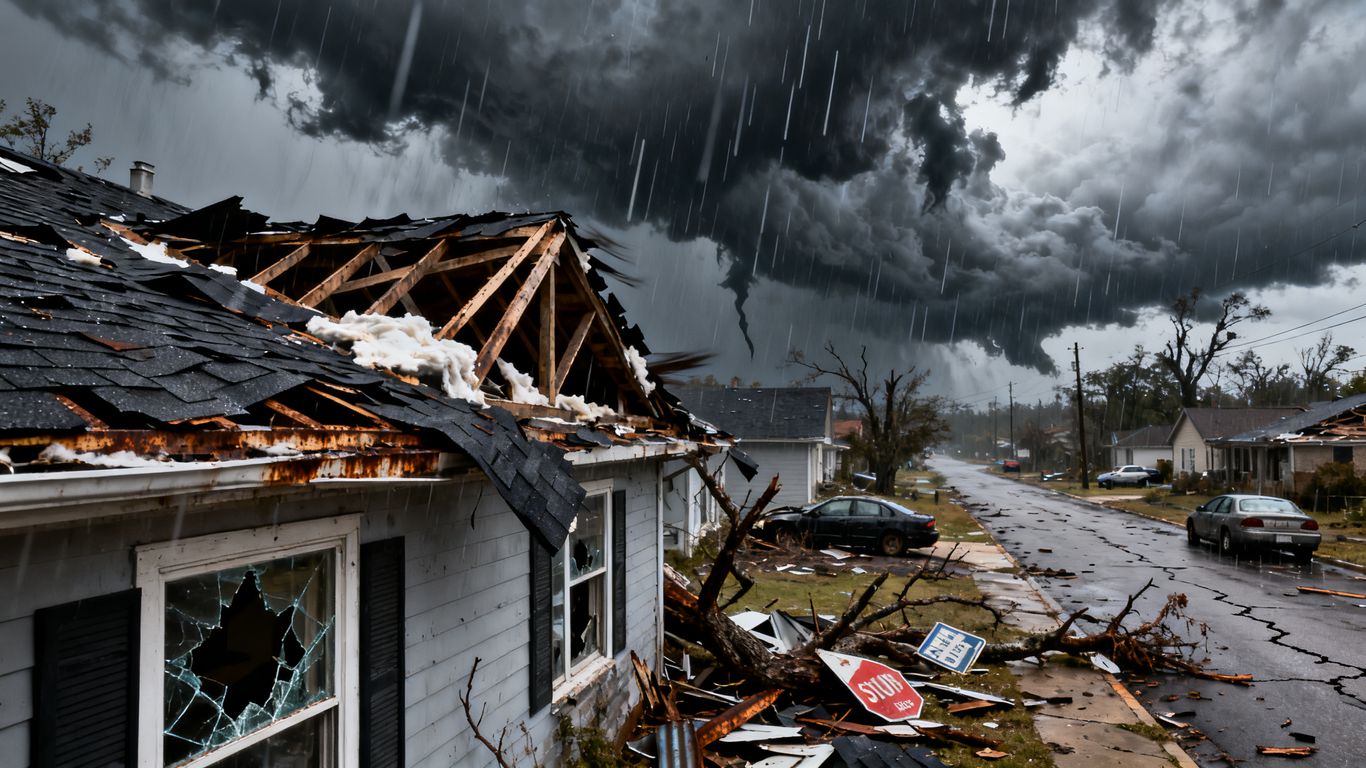
A big storm just blew through, and homeowners are scrambling to find someone to fix their roofs. This means your phone is about to start ringing, or maybe it already is. The trick is to get in front of them *fast*. We're talking about launching Facebook ads for your roofing business within 24 hours of the storm hitting. It’s all about speed and hitting the right people when they need you most. Let's break down how to get your roofer post storm Facebook ads up and running in 24 hours.
Key Takeaways
- When a storm hits, homeowners need roofers *now*. Your Facebook ads need to show up immediately to capture these urgent leads.
- Facebook's targeting tools let you reach people in the exact areas that just experienced the storm, making your ad spend more efficient.
- You can get roofer post storm Facebook ads live in 24 hours by having your setup ready beforehand, like pre-approved ad copy and images.
- Focus your ads on showing you can fix storm damage quickly, highlighting emergency services and building trust with proof like before-and-after photos.
- Make sure your website or landing page is easy to use on a phone and clearly tells people how to get a free estimate right away.
Rapid Response Facebook Ad Strategy For Post-Storm Roofing
When a storm hits, homeowners are scrambling. They need help, and they need it fast. This is where your roofing business can really shine, but you've got to be ready. Speed is the name of the game in storm damage lead generation. If you're not quick, someone else will be. Think about it: a homeowner sees a leak, they grab their phone. The first few companies that pop up and look reliable? Those are the ones they'll call. Waiting even a day can mean missing out on a huge chunk of potential business. It's not just about having a good service; it's about being visible when people are actively looking for it. This is why having a plan in place before the storm is so important. You can't build the ship while you're already in the middle of the ocean. Having pre-approved ad copy and landing pages ready means you can hit the ground running. This approach helps capture 73% more leads compared to waiting 48 hours or more.
Understanding The Urgency Of Storm Damage Leads
Homeowners dealing with storm damage are in a state of immediate need. Their property is at risk, and they're likely feeling stressed and anxious. They aren't browsing Facebook for fun; they're looking for solutions. This means the ads they respond to need to be direct, reassuring, and offer immediate help. They want to know you can fix their problem now.
Leveraging Facebook's Real-Time Targeting Capabilities
Facebook's ad platform is pretty amazing for this kind of situation. You can target people who have just experienced a specific event, like a storm, in a particular area. This means your ads show up for people who are most likely to need your services right away. It’s like having a direct line to homeowners who are actively searching for roof repair. You can get your message in front of the right eyes at the exact moment they're looking for a roofer.
Crafting Compelling Creative For Immediate Impact
Your ad creative needs to grab attention instantly. Think clear, bold images or short videos showing common storm damage issues: maybe a cracked shingle or water stains. The text should be straightforward, highlighting your emergency services and a clear call to action, like "Free Storm Damage Inspection" or "24/7 Emergency Roof Repair."
The goal is to make it incredibly easy for a distressed homeowner to take the next step. They're not in the mood for a long sales pitch; they need reassurance and a clear path to getting their problem solved.
Here’s a quick look at what makes an ad effective right after a storm:
- Speed: Ads go live within hours, not days.
- Clarity: Message focuses on immediate solutions.
- Relevance: Targets homeowners in affected zones.
- Action: Clear call to action for estimates or inspections.
Having these elements ready to go is key to a successful storm response campaign. It's about being prepared so you can be the first responder when disaster strikes.
Launching Your Roofer Post-Storm Facebook Ads In 24 Hours
Alright, so the storm has passed, and you know people are scrambling to find someone to fix their roof. Time is seriously of the essence here. You can't afford to wait around; you need to get your ads up and running, like, yesterday. The goal is to be the first roofer they see when they start searching.
Pre-Campaign Setup For Swift Deployment
Before the wind even dies down, you should have some things ready to go. Think of it as a storm preparedness kit for your marketing. Having your ad account set up, your billing info sorted, and your basic ad creatives (even if they're just placeholders) ready to be tweaked means you shave hours off the launch time. It’s about having a template ready to adapt. You want to be able to swap out a few words and a picture and hit 'go'. This is where having a good Facebook ads company can really speed things up, as they often have pre-built campaign structures.
Audience Segmentation For High-Intent Homeowners
Who are you trying to reach? Not just anyone, right? You want homeowners who are actively looking for roof repairs right now. This means looking at people who live in the areas that were hit. You can also think about people who have recently engaged with roofing content or shown interest in home repair. Segmenting your audience helps make sure your ad spend isn't wasted on people who aren't in the market.
Here’s a quick breakdown of who to target:
- Homeowners in the direct path of the storm: These are your prime targets.
- People who have searched for "roof repair" or "storm damage" recently: They're showing intent.
- Existing customers in affected areas: They might need follow-up or know neighbors who do.
Budget Allocation For Maximum Reach And Conversions
When a storm hits, you need to be ready to spend a bit more to get noticed. It’s a competitive time. You'll want to allocate your budget strategically. A good chunk should go towards reaching as many people as possible in the affected zones, but don't forget to set aside some for retargeting people who have already shown interest. A common approach is to split your budget like this:
| Campaign Type | Allocation | Goal |
|---|---|---|
| Broad Reach (Geo-Targeted) | 60% | Maximize visibility in storm areas |
| Retargeting | 25% | Convert interested leads |
| Lookalike Audiences | 15% | Find new, similar high-intent users |
You're not just throwing money at Facebook; you're investing it to connect with people who have an immediate, urgent need for your services. Think of it as a calculated sprint, not a marathon.
Getting your ads live quickly after a storm is a game-changer. It’s about being present when homeowners are most vulnerable and actively seeking solutions. This rapid deployment is key to capturing those high-value leads before your competitors do. For more on how to capitalize on these moments, check out strategies to grow their business.
Optimizing Facebook Ad Campaigns For Roofing Emergencies
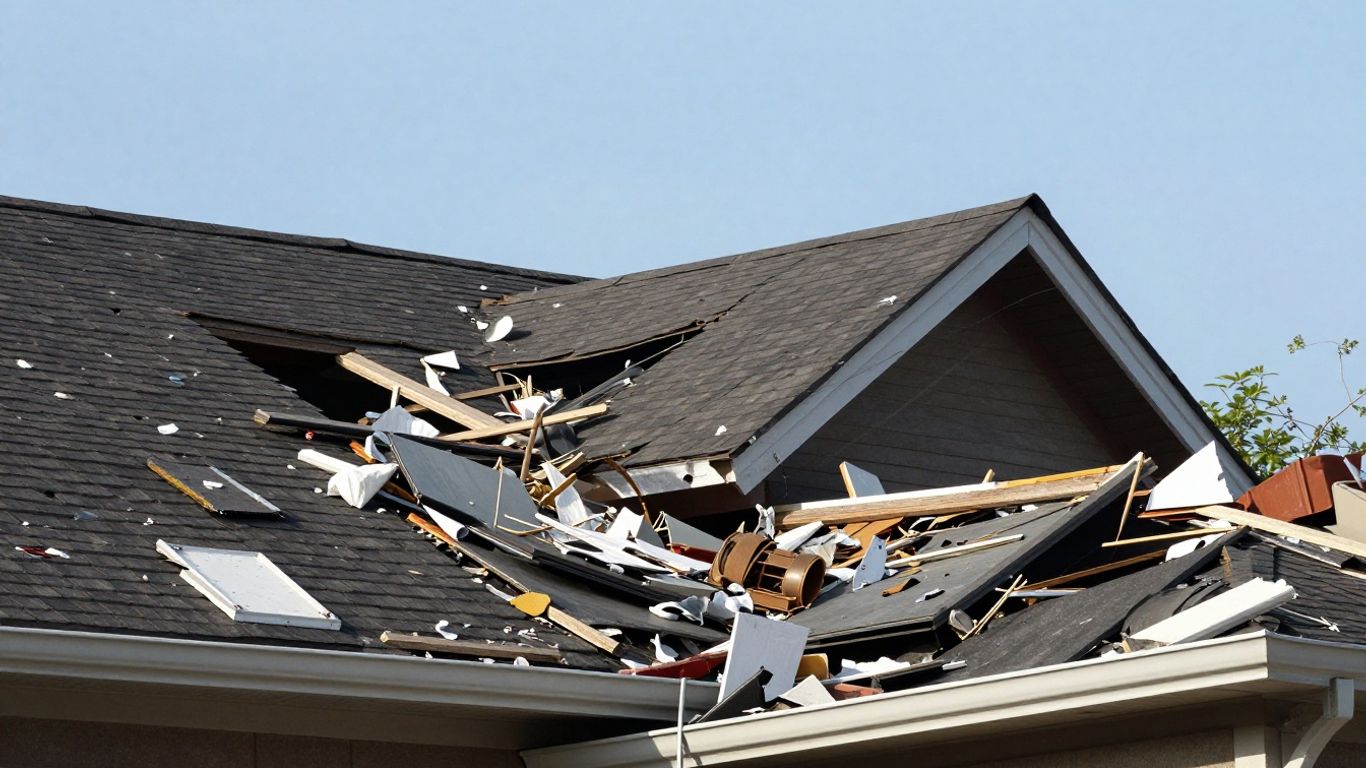
Running Facebook ads after a big storm isn’t like any old marketing push. Everything’s on a tight timeline, and you need to make sure every dollar brings in results fast. Let’s talk about key steps for getting the most from your budget and reaching the folks who really need you right now.
Key Performance Indicators For Storm Response Ads
You’ve got to keep your eye on the right numbers. These will tell you if your campaign is saving the day or just burning cash:
- Cost per lead (CPL)
- Click-through rate (CTR)
- Conversion rate (form fills or calls)
- Response time to incoming leads
| Metric | Ideal Target | Why It Matters |
|---|---|---|
| Cost per lead (CPL) | Under $30 | Keeps ad spend efficient |
| Conversion rate | Above 15% | Shows landing page is working |
| Response time | Under 10 minutes | Increases deal closures |
Staying on top of these numbers will help you pivot quickly if things go off track, instead of waiting days to see results.
A/B Testing Ad Copy And Visuals
Don’t just put up one ad and cross your fingers. Test different headlines, images, and even colors. Sometimes, something surprising works best.
Here’s a basic process:
- Write two or three headlines focused on urgency ("Missing shingles? Act now!").
- Test storm damage photos side-by-side with repair team shots.
- Mix up your calls-to-action (“Schedule Inspection Today,” “Get Repairs ASAP”).
- Watch results for 4-8 hours, then keep the top performer.
On top of that, check out roofing ad tools that make testing even easier: most marketers forget how handy these are when you’re on a quick turnaround.
Monitoring And Adjusting Bids In Real-Time
Bidding on Facebook changes by the minute, especially after a storm. You can’t just set it and hope for the best. Here’s how to handle your bidding:
- Start with a slightly higher bid to gain exposure in storm-hit neighborhoods.
- Set up alerts for big changes in CPC (cost per click).
- Lower your bid as soon as your ad starts getting steady traction.
- If leads pause, try switching to manual bids to control costs.
Keep in mind, Facebook’s real-time engagement tools for roofing services can help boost your chances of being seen right when homeowners are searching for emergency help.
If you’re quick to make these adjustments, you’ll stretch your budget further and connect with more homeowners before your competition does.
Creative Best Practices For Roofing Lead Generation
When a storm hits, people are looking for help now. Your ads need to show them you're the solution. It's not just about saying you fix roofs; it's about showing the problem and your fix.
Showcasing Before-And-After Storm Damage
This is probably the most powerful way to grab attention. People see the mess the storm made and then see your work making it look new again. It’s visual proof that you can handle the damage. Think about a split image: one side shows a roof with missing shingles and debris, the other shows a perfectly repaired roof. This contrast tells a story quickly.
- Visual Impact: Before-and-after photos are instantly understandable.
- Problem/Solution: They clearly show the problem (storm damage) and your solution (repair).
- Credibility: Seeing the results builds trust in your abilities.
Highlighting Emergency Repair Services
Storms don't wait for business hours, and neither should your messaging. Make it clear that you're available for urgent needs. Use phrases like "24/7 Emergency Roof Repair" or "Storm Damage? We're On It!" This tells homeowners you understand their immediate panic and are ready to respond.
- Availability: Emphasize round-the-clock service.
- Speed: Highlight quick response times.
- Reassurance: Offer peace of mind during a stressful time.
Building Trust With Testimonials And Guarantees
People are often stressed and worried after a storm. They want to know they're hiring someone reliable. Including short, positive reviews from other homeowners who faced similar situations can make a big difference. Also, mentioning any guarantees or warranties you offer on your work adds another layer of security. It shows you stand behind what you do. For example, a simple guarantee like "10-Year Workmanship Warranty" can be very reassuring. You can find some great examples of roofing ad strategies that incorporate these elements.
When people are searching for roof repair after a storm, they're not just looking for the cheapest option. They're looking for someone they can trust to do the job right, quickly, and without causing more problems. Your ad creative should speak directly to that need for reliability and speed.
Consider this breakdown for your ad visuals:
| Ad Element | Focus |
|---|---|
| Primary Image/Video | Clear before-and-after storm damage shots |
| Headline | Emergency service, immediate response |
| Body Text | Highlight guarantees, testimonials |
| Call to Action | "Get Your Free Storm Inspection Now" |
Remember, the goal is to make it easy for a stressed homeowner to see you as the best, most trustworthy choice for their immediate roofing needs. Upfrog's services often focus on these immediate response scenarios.
Targeting Homeowners In Affected Areas
When a storm hits, time is of the essence. You need to get your ads in front of the people who need your roofing services right now. That means being smart about who you're showing your ads to. Facebook's targeting tools are pretty amazing for this, letting you zero in on neighborhoods that have actually been impacted.
Geographic Targeting For Storm-Hit Neighborhoods
This is probably the most important part. You don't want to waste money showing ads to folks in sunny California if a hurricane just hit Florida. Facebook lets you draw specific areas on a map or enter zip codes. The goal is to be hyper-local, focusing only on the communities that experienced the storm damage. This isn't just about efficiency; it's about relevance. Homeowners in a storm-hit area are actively looking for solutions, making them much more likely to engage with your ad. You can even set a radius around the storm's path. For example, if you know a certain town got hammered, you can target that town and maybe a 10-mile radius around it. This kind of precise targeting is key for emergency tree services and roofers alike.
Interest-Based Targeting For Homeowners
Beyond just location, you can layer in other targeting options. Think about homeowners who have recently shown interest in home repair or insurance claims. Facebook has data on user behavior, so you can sometimes catch people who are actively searching for solutions related to storm damage. This might include people who have visited certain websites or engaged with specific types of content. It's like finding people who are already thinking about their roof problems.
Excluding Unaffected Areas To Save Budget
Just as important as targeting the right people is not targeting the wrong people. You can set up exclusions in your Facebook ad campaigns. This means telling Facebook, "Don't show these ads to people in these other areas." This is a huge budget saver. If you're targeting a specific county that was hit by hail, you can exclude the neighboring county that was completely missed. This keeps your ad spend focused where it matters most, making sure your budget works harder for you. It's a smart way to avoid wasted impressions and clicks. You can use a three-layer data strategy that includes geographic targeting to really nail this down.
Being precise with your targeting means your ad dollars go further. Instead of shouting into the void, you're speaking directly to homeowners who have a problem you can solve, right when they need you most. It's about being in the right place at the right time, digitally speaking.
Landing Page Optimization For Immediate Conversions
So, you've got people clicking your Facebook ads after a storm. That's great! But what happens when they land on your website? If it's slow, confusing, or doesn't immediately tell them what to do, you're losing business. We need to make sure that landing page works hard for you, especially when folks are stressed about their roof.
Mobile-First Design For On-The-Go Users
Think about it: after a storm, people are using their phones. They're checking damage, calling insurance, and looking for help. Your website needs to look good and work perfectly on a small screen. No one's going to pinch and zoom to find your phone number. We're talking about buttons that are easy to tap, text that's readable without squinting, and forms that don't make you want to pull your hair out.
- Make sure your phone number is a clickable link.
- Keep navigation simple, just the most important stuff.
- Images should load fast and not be too big.
Clear Call-To-Actions For Free Estimates
What do you want people to do? Probably get a free estimate, right? Your landing page needs to shout that. Don't bury it. Have a big, clear button that says something like "Get Your Free Storm Damage Estimate" or "Schedule a Free Inspection." Make it obvious. People are in a hurry; they don't have time to hunt for what they need. A strong call-to-action is key to attracting quality leads.
Fast Loading Speeds For A Seamless Experience
Seriously, if your page takes more than a few seconds to load, people are gone. They'll just go back to Facebook and click on the next roofer's ad. This is especially true after a storm when internet connections might be spotty. Every second counts. We need to trim down any unnecessary code, optimize images, and make sure your server can handle the traffic. A slow page feels like a broken promise when someone needs urgent help.
The goal is to make it as easy as possible for a homeowner to take the next step. If they're worried about their roof, they need quick answers and a clear path to getting help. Anything that slows them down or makes them think too hard is a barrier we need to remove.
Here's a quick check for your landing page:
| Feature | Status (Yes/No) | Notes |
|---|---|---|
| Mobile-friendly | Does it look good on a phone? | |
| Clear CTA Button | Is it easy to find and understand? | |
| Fast Load Time | Test it on different devices. | |
| Contact Info Visible | Phone number and address easy to see? | |
| Relevant Content | Does it talk about storm damage? |
Getting these details right means more people will actually contact you, which is the whole point of running these ads in the first place. It's about making sure your Facebook landing pages do their job effectively.
Want to see more visitors turn into customers right away? We've got the secrets to making your landing page work harder for you. It's all about making small changes that lead to big results. Ready to boost your sales? Visit our website today to learn how!
Wrapping It Up
So, that's the quick rundown on getting a Facebook ad campaign live right after a storm hits. It's not magic, just a solid plan and quick action. You set up the ads, get the targeting right, and make sure your message speaks to people who just had their roofs damaged. It’s all about being there when they need you most. Get this right, and you can really help homeowners and grow your business at the same time. It’s a win-win, really.
Frequently Asked Questions
Why is speed so important when advertising after a storm?
When a storm hits, homeowners are worried about their roofs. They need help fast! The first roofer they see online is often the one they call. So, getting your ads out quickly means you can be the first one they find when they're looking for someone to fix their damage.
How can Facebook ads help find homeowners who need roof repairs right away?
Facebook lets us show ads only to people in areas that were just hit by a storm. We can also target people who are likely to own homes. This way, we're reaching the homeowners who most likely need your services, instead of wasting money on people who don't.
What kind of pictures or videos work best for storm repair ads?
Showing 'before' and 'after' pictures of storm damage is really powerful. It helps people see exactly what you can fix. Also, ads that clearly say you offer 'emergency repairs' and show happy customers can build trust quickly.
How fast can I really get a Facebook ad campaign running after a storm?
With some planning beforehand, like having your ad account ready and knowing who you want to reach, you can launch a campaign in as little as 24 hours. It's all about being prepared to act fast when the storm passes.
Should my website be ready for these ads?
Absolutely! People clicking on your ads need to get information fast, especially on their phones. Your website should load quickly and make it super easy for them to request a free estimate or call you.
How do I know if my ads are working?
We track important numbers, like how many people click your ads, how many fill out a form for an estimate, and how many actually become customers. This helps us see what's working well and what needs to be changed to get even better results.