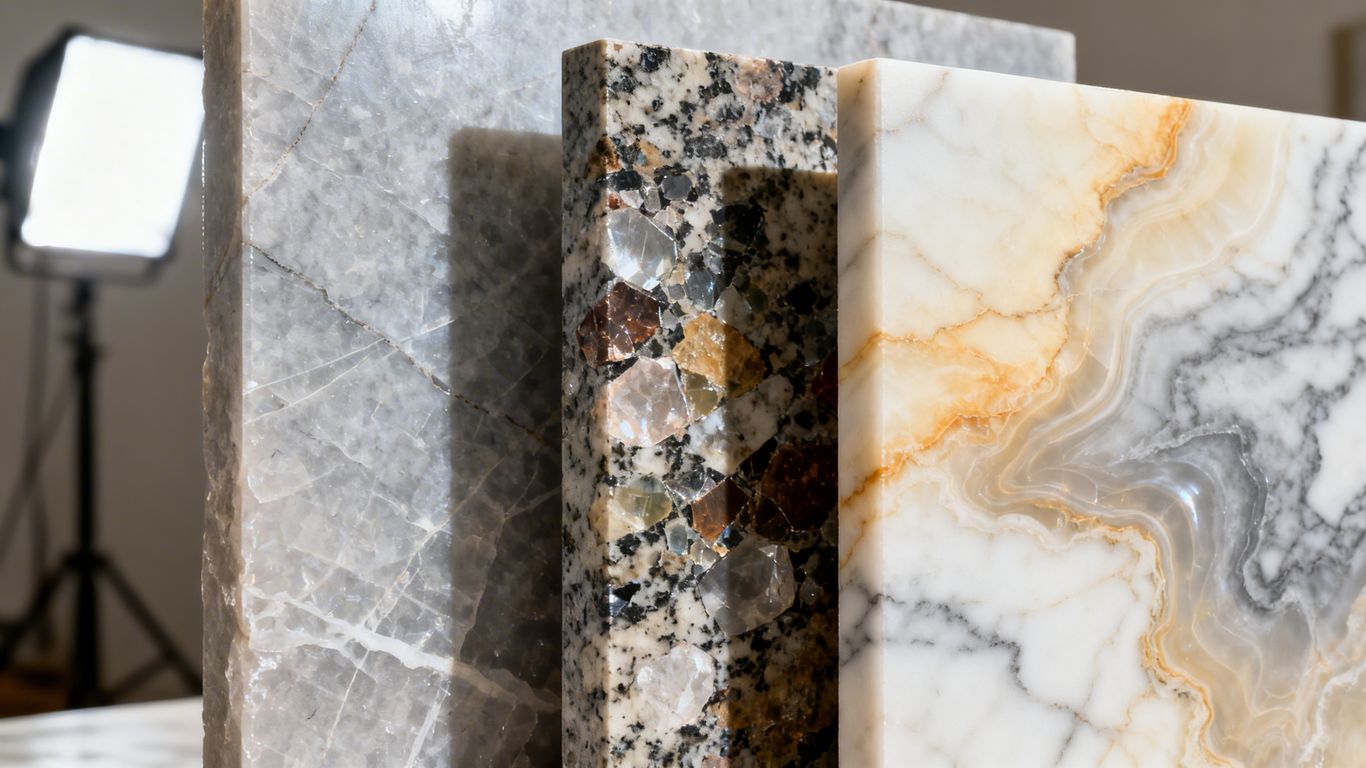
Picking the right countertop material can feel like a big decision for your kitchen or bathroom remodel. You've got options like quartz, granite, and marble, each with its own look and feel. We're going to break down what makes each one tick, looking at how they hold up to daily life, how they look, and what they'll cost. This countertop comparison page SEO guide is here to help you figure out the best fit for your home and your budget, so you can make a choice you'll be happy with for years to come.
Key Takeaways
- When you're looking at countertop materials, think about what matters most for your kitchen – is it looks, toughness, or price? This countertop comparison page SEO guide breaks it all down.
- Quartz is engineered, offering a lot of color choices and being pretty low-maintenance. It's a popular pick for a reason, especially if you want something that doesn't need a lot of upkeep.
- Granite is a natural stone, so every slab is unique. It's tough and can handle heat well, but it usually needs sealing to avoid stains.
- Marble has that classic, high-end look, but it's softer than granite and quartz. It can scratch and stain more easily, so it's better for kitchens where you're not doing a ton of heavy-duty cooking.
- Consider your daily routine. If you have a busy family or entertain a lot, you'll want something durable. If you prefer a more relaxed pace, you might have more flexibility with material choice.
Understanding Countertop Materials For Your Next Project
Picking out new countertops can feel like a big decision, and honestly, it is. You're not just choosing something that looks nice; you're picking a surface that needs to handle a lot of daily action. From chopping veggies to setting down hot pans, your countertops are workhorses. So, let's break down the main players you'll likely run into.
The Allure of Natural Stone
When people think of fancy kitchens, they often picture natural stone. We're talking about granite and marble here. They're quarried right out of the earth, which means every slab is one-of-a-kind. You get these beautiful, unique patterns and colors that you just can't replicate with anything else. Granite is known for being tough and pretty resistant to heat and scratches, making it a solid choice for busy kitchens. Marble, on the other hand, is super elegant with its veining, but it's softer and can stain or etch more easily. It's more of a statement piece, really. If you're looking for something truly special, natural stone is worth a look, but you've got to be prepared for its quirks. It's a big part of what makes a kitchen feel truly unique.
Engineered Stone Options
Then you have engineered stones, with quartz being the big name. These aren't dug out of the ground in one piece. Instead, they're made by mixing ground-up natural quartz with resins and polymers. This process gives you a material that's incredibly strong and non-porous. What does non-porous mean for you? It means it doesn't soak up liquids, so spills like wine or coffee are much less likely to leave a permanent mark. Plus, they come in a huge range of colors and patterns, some mimicking natural stone, others totally modern. You get a lot of consistency with engineered stone, which can be a good thing if you want a specific look without any surprises.
The Practicality of Laminate
Laminate countertops are often seen as the budget-friendly option, and for good reason. They're made by pressing together layers of paper or fabric with resin, then covering it with a decorative print and a clear protective layer. The big win here is the price point – you can get a great look without spending a fortune. They've come a long way too; you can find laminates that look surprisingly like granite or wood. However, they're not as durable as stone or quartz. They can scratch, chip, and they don't do well with heat. If you're on a tight budget or need something that's easy to install and replace, laminate is definitely worth considering. It's a practical choice for many homeowners.
Choosing the right countertop material is a balancing act. You're weighing looks against how much work you want to put into upkeep and how much you're willing to spend upfront. Thinking about your daily routine in the kitchen is key to making a choice you won't regret later.
Durability And Maintenance Showdown
Let's be honest: no one wants a countertop that cracks, chips, or stains right out of the gate. The big names—quartz, granite, and marble—all have strengths and weak spots. How they stand up to daily abuse and what you'll need for upkeep can make or break your choice.
Scratch Resistance Comparison
Some folks think stone is invincible. Not quite. Here's how the main contenders stack up:
| Countertop | Scratch Resistance | May Need Cutting Board? |
|---|---|---|
| Quartz | High | Not strictly, but wise |
| Granite | Very high | Optional |
| Marble | Low | Absolutely |
- Quartz resists most knife marks (but it's not a superhero).
- Granite is tough—good for rough handling.
- Marble scratches really easily, so treat it gently.
If you've got kids who like to "cook" or roommates who are hard on surfaces, marble's probably not your best bet.
Heat Tolerance Levels
Put down that hot skillet! Not all stones love sudden temperature swings.
| Material | Direct Heat Safe? | Risk of Discoloration |
|---|---|---|
| Quartz | No | Yes |
| Granite | Yes (mostly) | Rare |
| Marble | No | Yes |
- Granite shrugs off most hot pots without blinking.
- Quartz can burn or discolor, so use trivets.
- Marble doesn't do well with heat—watch out for ugly marks.
You might think all stone can take the heat, but that’s just not true.
Sealing And Stain Prevention
Here's where most people get tripped up: maintenance. Some materials ask for more TLC than others. If you're not the regular-upkeep type, pay attention:
- Quartz, since it's engineered, doesn't need sealing. It's pretty forgiving where spills are concerned.
- Granite should be sealed once a year for best results, or you risk stains sinking in over time. According to this rundown on granite and quartz pros and cons, granite may be the tougher stone, but kind of a pain to keep up.
- Marble wants constant care: sealing every few months, plus instant cleanup after every spill (especially wine or lemon juice).
If you're a set-it-and-forget-it kind of person, quartz is likely your low-fuss champion here. On the other hand, if you love tradition and don't mind a chore or two, granite or marble could work, but just be prepared.
Aesthetic Appeal And Design Versatility
When you're picking out countertops, how they look and how well they fit your kitchen's style really matters. It's not just about how tough they are; it's about making your kitchen feel like you.
Color Palettes And Patterns
This is where things get fun. You've got a huge range of choices, from the wild, veiny look of natural stones to the consistent, clean patterns of engineered materials.
- Quartz: Think of quartz as the chameleon. It can mimic marble, granite, or even concrete. You'll find solid colors, subtle speckles, and bold patterns. It's pretty much guaranteed to have a look that matches your vision.
- Granite: Granite is all about natural beauty. Each slab is unique, with swirls, flecks, and veins that tell a geological story. You can get anything from dark, dramatic patterns to lighter, more subdued looks.
- Marble: If you want that classic, luxurious feel, marble is your go-to. It's famous for its soft, cloudy patterns and distinctive veining. The subtle elegance of marble is hard to beat for a high-end kitchen. However, it does require more care.
It's worth looking at materials like quartzite too. It offers a similar look to marble but with much better durability, making it a great choice for busy homes that still want that sophisticated vibe. You can find some really beautiful quartzite slabs that look almost identical to marble, but they hold up better to daily use.
Edge Profiles And Finishes
Beyond the surface color and pattern, the edges and finish of your countertop play a big role in the overall look. These details can really change the feel of your kitchen.
- Edge Profiles: Do you want something simple and modern like a straight edge, or something more traditional and decorative like a bullnose or ogee edge? The edge choice can make a big difference.
- Finishes: Most materials come in different finishes. A polished finish is shiny and reflective, while a honed finish is more matte and subtle. There are also brushed or leathered finishes that add texture.
Seamless Integration Into Your Kitchen
Making sure your new countertops fit perfectly with your cabinets, backsplash, and appliances is key. It's about creating a cohesive look.
The right countertop material doesn't just sit there; it becomes a central part of your kitchen's design. It ties everything together, from the cabinets to the lighting, and really sets the tone for the whole space. Think about how the material's texture and color will interact with the other elements in your kitchen.
When you're planning, it's a good idea to get samples of the materials you like. Seeing them in your kitchen's lighting, next to your cabinets, will help you make the best choice. Don't forget to consider how the material will look over time, too. Some materials, like marble, develop a patina, which some people love.
Investment Value And Long-Term Cost
When you're picking out countertops, it's not just about how they look right now. You've got to think about what they'll cost over time, too. This means looking at the price tag when you buy them, how much it costs to get them put in, and even what they might be worth later if you decide to sell your house.
Initial Material Expenses
Let's talk money upfront. The price of countertops can swing pretty wildly. Quartz, being engineered, often sits in the middle. Granite, being natural, can range from mid-tier to super high-end depending on the specific type and where it comes from. Marble, well, marble is usually the priciest of the three, especially if you're going for those dramatic veins. The upfront cost is a big piece of the puzzle for most budgets.
Here's a rough idea of what you might expect, though prices change:
| Material | Typical Price Range (per sq ft, installed) |
|---|---|
| Quartz | $50 - $150 |
| Granite | $40 - $200+ |
| Marble | $75 - $250+ |
Installation Considerations
Don't forget installation costs! This isn't usually a DIY job, especially for stone. You'll need pros to measure, cut, and fit everything perfectly. Some materials are heavier and trickier to handle, which can bump up the labor costs. Complex edge profiles or cutouts for sinks and cooktops also add to the bill. It’s smart to get a few quotes to compare.
Resale Value Impact
Think about your home's value down the road. High-quality countertops, like granite or quartz, are generally seen as a good investment. They can make your kitchen look more appealing to potential buyers and might even help your home sell faster. Marble can be a bit of a wildcard; some buyers love its classic look, while others worry about the maintenance. A well-chosen, durable countertop is usually a win-win for your wallet, both now and later.
Picking countertops is a balancing act. You want something that fits your budget today but also holds up well and looks good for years to come. It's about finding that sweet spot between initial outlay and long-term satisfaction.
Performance Metrics For Homeowners
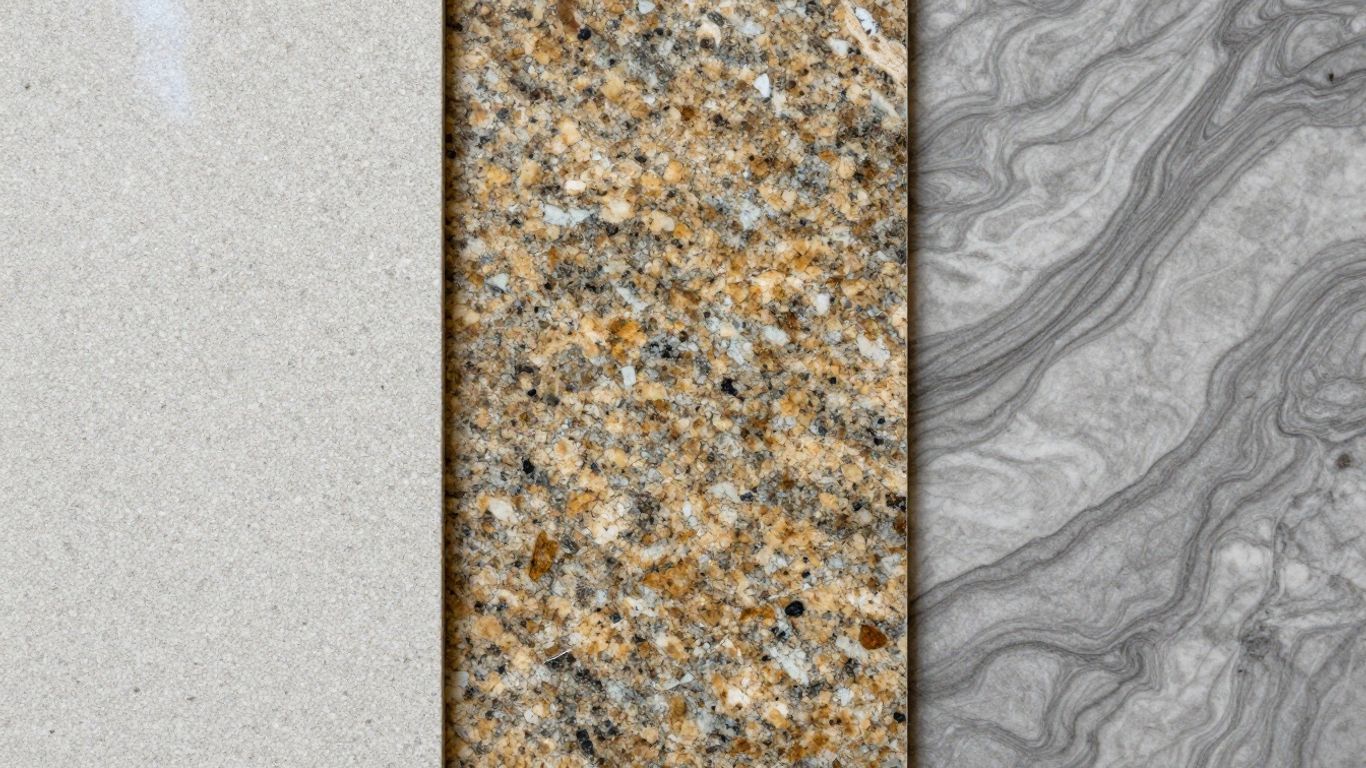
When you're picking out countertops, you want them to hold up, right? It's not just about looks; it's about how they handle the everyday grind. Let's break down how quartz, granite, and marble stack up when it comes to real-world performance.
Impact Resistance
Think about dropping a mug or a heavy pot. How well does your countertop take a hit? Granite, being a natural stone, is pretty tough. Quartz, because it's engineered with resins, can sometimes be a bit more prone to chipping or cracking under a sharp, direct impact compared to granite. Marble, while beautiful, is the most susceptible to chips and cracks due to its softer nature. Quartz offers an excellent blend of affordability, resilience, and aesthetic appeal.
| Material | Impact Resistance Rating (1-5, 5=Best) |
|---|---|
| Granite | 4 |
| Quartz | 3.5 |
| Marble | 2 |
Waterproofing Capabilities
Nobody wants water stains or damage. This is where the porosity of the material really matters. Granite and marble are natural stones, and they can absorb liquids if they aren't sealed properly. This means spills can lead to stains. Quartz, on the other hand, is non-porous. It's made with resins that fill in the gaps, so liquids just bead up on the surface. This makes it super easy to clean and resistant to staining.
- Quartz: Naturally non-porous, excellent water resistance.
- Granite: Porous; requires regular sealing for good water resistance.
- Marble: Highly porous; needs frequent sealing and immediate spill cleanup.
Keeping your countertops sealed, especially natural stones like granite and marble, is a game-changer for preventing stains and water damage. It's a simple step that makes a big difference in how your kitchen looks over time.
Daily Wear And Tear
Beyond big impacts or spills, how do these materials handle the constant use? Granite is a solid performer, resisting scratches and general wear pretty well. Quartz is also very durable and scratch-resistant, often outperforming granite in this area thanks to its engineered composition. Marble, however, shows wear more easily. It can scratch, etch from acidic substances (like lemon juice or vinegar), and dull over time with regular use, giving it a more 'lived-in' look that some people love, but others find less desirable for a pristine kitchen. For a balance of durability and looks, granite can also be a cost-effective option.
Choosing The Right Countertop For Your Lifestyle
Okay, so we've talked a lot about what makes quartz, granite, and marble tick – their strengths, their weaknesses, how they look, and what they cost. But honestly, the best countertop isn't just about the material itself; it's about how it fits into your life. Think about your kitchen. Is it the command center for a whirlwind family, a stage for your inner chef, or a quiet spot for morning coffee? Your daily routine should really guide your choice.
Busy Family Kitchen Needs
If your kitchen is ground zero for homework, snack spills, and the general chaos of family life, you need something that can take a beating and still look good. Durability is king here. You don't want to be constantly worrying about scratches from dropped toys or stains from juice boxes. Quartz often shines in this scenario because it's non-porous and very tough. Granite is also a strong contender, but it needs good sealing to keep those accidental spills from becoming permanent marks. Marble, while beautiful, is probably the least forgiving for a high-traffic family zone. It's prone to etching and staining, which means more cleaning and more stress.
- Impact Resistance: Look for materials that won't chip or crack easily when pots or pans are accidentally dropped.
- Stain Resistance: Non-porous surfaces are your best friend to avoid permanent marks from common kitchen culprits like tomato sauce, wine, or markers.
- Ease of Cleaning: A quick wipe-down should be all that's needed for most messes.
For a busy household, the goal is to spend less time worrying about your countertops and more time enjoying your family. Prioritize materials that offer peace of mind.
Entertainer's Dream Countertops
If you love hosting, your countertops are likely a focal point. You want something that looks fantastic and can handle the occasional party spill or hot dish. This is where aesthetics really come into play, but practicality still matters. Marble can be stunning for this – imagine a beautiful island for serving drinks and appetizers. However, you'll need to be diligent about coasters and trivets. Granite offers a wide range of unique patterns that can be conversation starters. Quartz also provides a sleek, modern look that many entertainers prefer, and its low maintenance means you can focus on your guests, not your counters, after the party.
- Visual Appeal: Consider how the color and pattern will complement your kitchen's overall style and your serving ware.
- Heat Tolerance: If you often place hot dishes directly on the counter, check the material's limits.
- Surface Finish: A polished finish might look more formal, while a honed or leathered finish can offer a more relaxed vibe.
Low-Maintenance Living Solutions
For those who prefer to spend their free time doing anything but cleaning, low-maintenance is the name of the game. This is where engineered materials often win. Quartz is a top pick because it's naturally resistant to stains and doesn't require sealing. You can wipe it down with soap and water, and you're good to go. Granite, if properly sealed, can also be quite low-maintenance, but you'll need to reapply sealant periodically. Marble, on the other hand, demands more attention. It needs regular sealing and prompt cleanup of spills to prevent damage. If your mantra is 'less work, more life,' then quartz is likely your best bet.
| Material | Sealing Required? | Stain Resistance | Etching Risk |
|---|---|---|---|
| Quartz | No | Very High | Low |
| Granite | Yes (periodic) | High | Medium |
| Marble | Yes (regular) | Medium | High |
Picking the perfect countertop for your kitchen can feel like a big decision. Think about how you use your kitchen daily. Do you love to cook and bake, or is it more of a quick stop for snacks? Your daily routine and how you live will help you choose a surface that's tough enough for your needs and looks great too. For more tips on finding the best fit for your home, visit our website today!
So, Which Countertop Material Wins?
Alright, so we’ve gone through quartz, granite, and marble. Each has its own thing going on, right? Quartz is super low-maintenance and tough, great if you just want something that looks good and doesn't need much fuss. Granite is a classic for a reason – it’s durable and has that natural, unique look. Marble? Well, it’s beautiful, really beautiful, but you’ve got to be ready to baby it a bit. Think about your kitchen, your style, and honestly, how much time you want to spend cleaning. For most homeowners looking for a balance of looks and practicality, especially when you’re thinking about selling down the line, quartz often hits that sweet spot. But hey, if you’re all about that high-end look and don’t mind a little extra care, marble or a well-sealed granite could be your pick. Ultimately, the best choice is the one that fits your life and your budget. Don't forget to factor in installation costs and warranty too – those details can really add up.
Frequently Asked Questions
Which is easier to keep clean: quartz, granite, or marble?
Quartz is the easiest to keep clean because it doesn’t need sealing and doesn’t stain easily. Granite comes next, but it needs to be sealed every year. Marble is the hardest to maintain because it stains quickly and can be scratched by acids like lemon juice.
Do quartz, granite, or marble countertops handle heat better?
Granite and marble can handle hot pots and pans better than quartz. Quartz can get damaged by high heat because it’s made with resin that can melt or change color. It’s best to use a trivet or hot pad with all three, but especially with quartz.
Which countertop is best for a busy kitchen?
Quartz is best for busy kitchens because it’s tough, doesn’t stain, and is simple to clean. Granite is also strong but needs a little more care. Marble looks great but scratches and stains easily, so it’s not the best for heavy use.
How do these materials affect my home’s resale value?
Granite and quartz both help your home’s resale value because buyers like them and they last a long time. Marble looks fancy, but some buyers might worry about keeping it clean. Laminate doesn’t add much value, but it’s cheap to install.
Is quartz or granite more expensive?
Quartz and granite are usually close in price, but it depends on the color and design you pick. Rare colors or patterns cost more. Marble is often the most expensive because it’s harder to find and work with.
Do I need to seal my countertop?
You don’t need to seal quartz because it’s non-porous. Granite and marble both need sealing to stop stains and damage. Granite usually needs sealing once a year, while marble might need it more often.