Ranking Higher in Pest Control LSAs: The Profile Optimizations Most Exterminators Skip

Key Takeaways
A stronger LSA profile starts with choices your team can actually support, not a wider service menu for its own sake. These adjustments can make your advertising more aligned with the jobs you want and the leads you can handle.
- Select job types that fit your expertise, capacity, and business goals.
- Set service areas based on practical drive times and crew coverage.
- Keep hours, contact details, licenses, and profile content current.
- Make review requests and lead responses part of the normal workflow.
- Track lead quality and use what you learn to refine your exterminator LSA ranking strategy.
1. Choose the pest control job types you actually want
A long list of services may look appealing, but it can invite calls your team is not equipped or prepared to take. Start by reviewing the work that is profitable, within your licensing and training, and a good fit for your current capacity. The right profile is not necessarily the one with the most options checked.
Think through the jobs you want more of, the ones you can handle consistently, and the ones you would rather refer elsewhere. If a service requires special equipment, a particular technician, or more time than your schedule allows, be honest about whether it belongs in the profile. A clear service mix helps keep the expectation set by the ad closer to the work you can deliver.
Then revisit your selections when your staffing, seasonality, or service mix changes. Local Services Ads are one part of a broader customer acquisition plan; this pest control LSA basics overview can help put profile decisions in context. Keep the focus on an accurate fit rather than assuming that adding every available job type will improve visibility.
2. Set service areas around realistic drive times
A service area should reflect where you can reliably send a technician, not every town that appears close on a map. Traffic, dispatch location, appointment windows, and the length of a typical job all affect whether a call from the edge of your territory makes operational sense. A lead that is hard to serve can become a poor experience even if it looks promising at first.
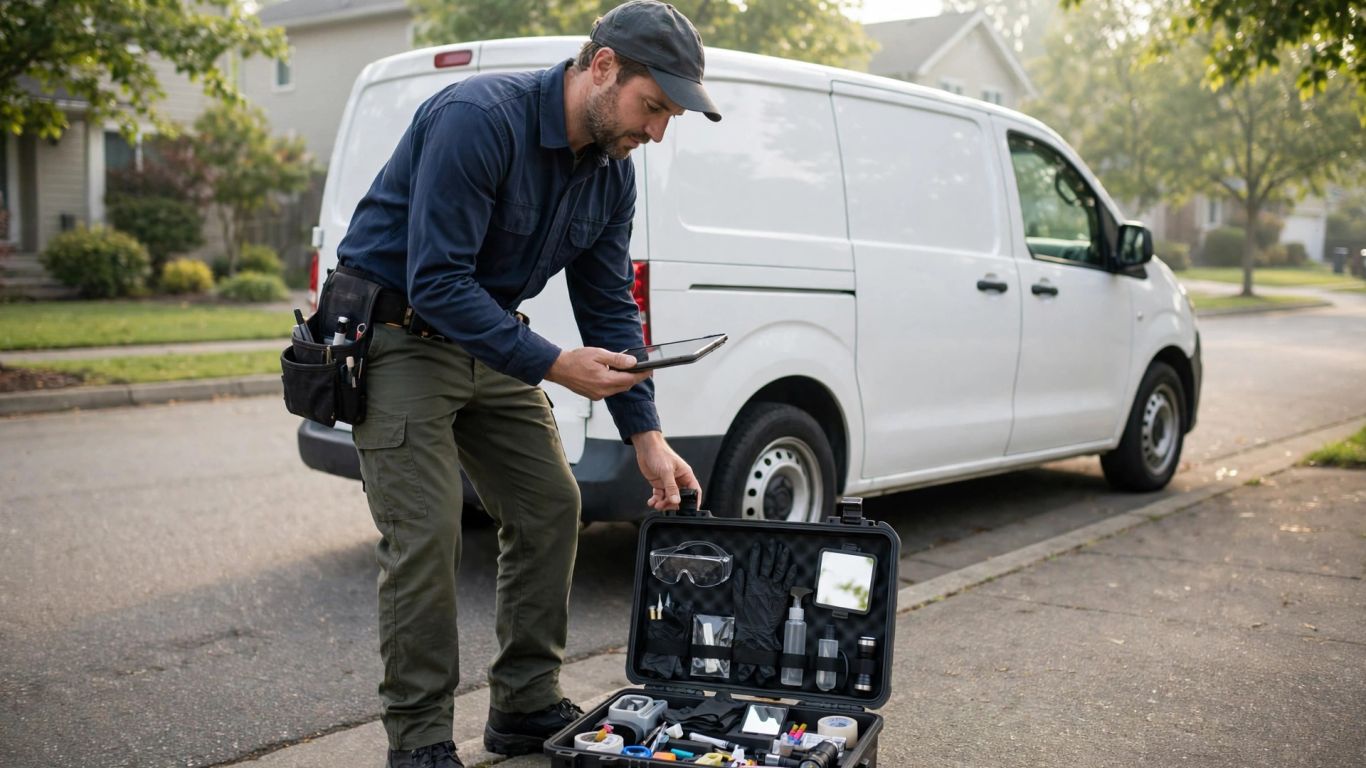
Review your recent jobs and note where travel time routinely stretches the schedule. That practical view can help you distinguish a genuinely reachable customer from one who is only nearby in straight-line distance. Consider whether a technician can get there promptly and still make the rest of the day work.
Recheck the map when you add a crew, change your base of operations, or see demand shift seasonally. Resist the temptation to expand territory just to cover more map area; a smaller service footprint that your dispatch team can cover well may be more useful than a broad one that creates delays. Record the reason for each adjustment so you can judge its impact on lead quality later.
3. Keep business hours aligned with live lead coverage
The hours shown on your profile should match the hours when someone can respond to a new inquiry. Listing broad availability without dependable coverage can create missed calls and frustrated prospects. Start with the people and systems you actually have in place, including weekends or after-hours shifts if those are part of your operation.
Map out who monitors calls and messages during each advertised window. If the office closes at five but a trained person can still answer and route inquiries, define that process; if nobody can respond after five, avoid suggesting otherwise. An honest schedule gives the team a workable standard and makes it easier to notice where coverage is breaking down.
Review the hours around holidays, seasonal peaks, and staffing changes. A profile can become inaccurate simply because a temporary schedule becomes permanent without anyone updating it. Make one person responsible for checking the published hours against the dispatch calendar, then confirm the change is reflected wherever customers may find your business.
4. Complete every relevant profile detail
An incomplete profile leaves customers and your own team to fill in gaps. Work through each relevant field, including business information, service details, and contact methods, and check that the language describes what you actually offer. Accuracy matters more than polished copy that promises services or availability you cannot provide.
A simple audit can keep the review concrete. Use a short table to connect each profile area with the question your team should answer before calling it complete.
| Profile area | What to verify | Why it matters |
|---|---|---|
| Business details | Name, phone, and address information | Customers can identify and contact the right business |
| Services | Selected job types match current work | Leads align with the jobs your team accepts |
| Hours | Published schedule matches live coverage | Inquiries arrive when someone can respond |
| Credentials | Required details are current | Verification information stays accurate |
Work through the rows with the person who owns each detail, rather than treating the profile as a one-time setup task. Grow Nearby manages Google Local Services Ads for pest control companies, including setup and verification. If you handle the process in-house, use the same kind of field-by-field review whenever your business changes.
5. Add current photos that show your team and work
Photos can help a prospective customer picture who will arrive and what your business does. Choose current, authentic images of your team, vehicles, and ordinary work settings instead of relying on a collection that no longer resembles the company. Images should be clear and appropriate for the service, without exposing a customer’s home or personal information.
Set a small routine for refreshing the photo set after a vehicle change, uniform update, or new team member. Ask permission before using images from a job, and avoid showing identifiable property details unless the customer has agreed. The goal is a truthful impression, not a staged gallery that creates expectations your crew cannot meet.
When reviewing photos, ask whether they are recent, recognizable, and useful to a homeowner deciding whom to contact. Remove anything blurry, outdated, or unrelated. A few credible images are more helpful than a large set that does not reflect the business as customers will experience it today.
6. Build a steady stream of genuine customer reviews
Reviews are a record of customer experiences, and they take time to build. Make the request part of a consistent closeout process rather than asking only when a job went unusually well. That steady habit is easier to maintain and gives customers a natural opportunity to share their experience in their own words.
Choose a simple moment to ask, such as after the technician confirms the work is complete or during a follow-up. Keep the request neutral and avoid steering customers toward a particular rating or offering an incentive in exchange for a review. The point is to invite honest feedback, not manufacture a reputation that may not hold up.
Read new reviews for patterns in communication, punctuality, and service expectations. When someone raises a concern, respond calmly and take the conversation toward a practical resolution without sharing private details. A regular review routine also makes it easier to notice when feedback points to an operational issue that needs attention.
7. Respond to new leads quickly and consistently
A lead only becomes a real opportunity if someone takes responsibility for it. Set a clear process for who answers calls and messages, how inquiries are routed, and what happens when the first person is unavailable. The process should work on a busy day, not only when the office is quiet.
A short response standard helps keep the handoff clear. The exact timing will depend on your staffing, but the steps should be easy to follow and repeat:
- Assign an owner for each incoming lead.
- Return missed calls and messages as soon as coverage allows.
- Record the contact attempt and the customer’s stated need.
- Route out-of-scope requests to the right person or next step.
Use the same basic process across the team, then review a sample of leads to see whether it is being followed. If response gaps keep appearing at certain times, adjust coverage rather than simply asking staff to move faster. Consistency makes it easier to understand whether a lead was unqualified or simply left waiting.
8. Track and dispute invalid leads
Not every inquiry will turn into an appropriate job. Keep a simple record of what happened after each lead arrives, including whether it was a wrong number, outside your service area, unrelated to your work, or a real prospect who did not book. Without notes, it is difficult to separate lead quality problems from missed follow-up or scheduling friction.
Use a consistent set of categories and capture the details while they are fresh. When an inquiry appears to meet the platform’s criteria for review, follow the current process for submitting a dispute and include the information that supports your explanation. Avoid treating every unbooked call as invalid; a customer who chose not to schedule is different from a call that was clearly irrelevant.
For a clearer view of call outcomes, Grow Nearby handles call tracking as part of its Local Services Ads work for pest control companies. Regardless of who manages the account, keep the lead notes tied to the inquiry so you can spot recurring issues and make a well-supported decision about whether to dispute it.
9. Keep licenses, insurance, and business information current
Verification details are easy to overlook once a profile is live, but they still need attention when the business changes. Keep copies of relevant documents organized and note their renewal dates so an expired item does not catch the team by surprise. Check that the information on file matches the current business and the work you are advertising.
Create a reminder well before each renewal, with a named person responsible for confirming the updated document or detail is submitted where needed. Also review contact information, business name, and other profile details after a move, phone change, ownership change, or adjustment to the operating structure. Small inconsistencies can slow down an otherwise routine update.
Do not assume that a past approval means every future detail is correct. Confirm changes in the account and retain a record of what was updated and when. This is basic maintenance, but it protects the accuracy of the profile and gives you a clean starting point if a verification question comes up.
10. Review profile performance and adjust your exterminator LSA ranking strategy
A useful review looks beyond the number of leads. Compare inquiries with booked work, travel burden, job type, and the time your team spent responding. That view helps distinguish a profile change that brought in better-fit customers from one that merely increased activity.
Set a recurring check-in and compare similar periods where possible, especially when seasonality affects demand. Note what changed in job selections, coverage, hours, or staffing, then avoid making several major adjustments at once if you want to understand what made a difference. Ranking is not a switch you can control with one profile edit, so treat each change as a test of fit and operations rather than a guarantee of placement.
For pest control companies, Grow Nearby provides ongoing optimization for Local Services Ads. Whether you manage the work internally or with support, use the findings to make the next practical adjustment: tighten an area, update coverage, or improve how leads are handled. For broader local visibility beyond paid inquiries, consider how local pest control SEO supports a different part of the customer journey.
Plan Your Next Step
If you want to turn this profile review into a focused marketing plan, schedule a conversation and set aside time to discuss what your team can support and measure.
Conclusion
A stronger LSA profile is built through accurate service choices, realistic coverage, dependable response habits, and regular review of lead quality. Treat each adjustment as an operational decision, keep the details current, and let real customer and dispatch outcomes guide your next move rather than chasing a ranking promise.
Frequently Asked Questions
What affects pest control Local Services Ads visibility?
A mix of factors can affect visibility, and no single profile change guarantees a higher position. Keep business details accurate, choose relevant services, maintain coverage you can support, and respond to inquiries reliably.
Should I select every pest control service available?
No. Select services that match your expertise, licensing, equipment, and capacity. A narrower, accurate service mix may produce inquiries that fit the work your team is prepared to do.
How large should my service area be?
Base it on realistic drive times, technician availability, and the schedule you can maintain. Revisit the area when staffing or demand changes instead of expanding it solely to cover more territory.
Do reviews help an exterminator profile?
Reviews give prospective customers insight into other customers’ experiences. Ask consistently for honest feedback, respond professionally, and use recurring themes to identify areas where service can improve.
How quickly should I respond to an LSA lead?
Respond as soon as your coverage and workflow allow, and make sure each lead has a clear owner. Track missed calls and delayed responses so you can fix gaps in the schedule or handoff.
What should I do with an irrelevant lead?
Record what happened and keep enough detail to distinguish an irrelevant inquiry from a valid lead that did not book. If it appears eligible for review, use the platform’s current dispute process and provide a clear explanation.
How often should I review my LSA profile?
Review it on a regular schedule and whenever your hours, territory, services, contact information, or credentials change. A recurring check helps catch small inaccuracies before they become operational problems.