Responding to Negative Pest Control Reviews: 'The Bugs Came Back' Without Losing Your Mind

Key Takeaways
A negative review about recurring pests deserves a thoughtful response, not a rushed defense. Start by checking the facts, then show the customer and future readers what you’ll do next.
- Verify the service history, treatment details, and any follow-up commitments before replying.
- Acknowledge the customer’s frustration without sharing private account information.
- Offer a practical next step and a clear way to reach the right person.
- Avoid promising a result you can’t guarantee; commit to reviewing the concern instead.
- Track recurring complaints so you can address unclear expectations and service gaps.
Pause, investigate, and verify what happened
A review saying “the bugs came back” can stir up frustration, especially when your team believes it followed the plan. Before writing anything public, slow down and establish what happened, what was promised, and what the customer may still be seeing. The goal is not to win an argument in public; it’s to make your response accurate and useful. A few minutes with the service record can change the tone of the reply.
Check the service history, treatment notes, and technician’s observations
Start with the appointment record and the technician’s notes, rather than relying on memory or assumptions. Look for the location treated, the conditions observed, any access limitations, and recommendations left for the customer. The record may also help you distinguish between a completed visit and a follow-up that was discussed but never scheduled. A simple review of the facts gives you a sound basis for replying without disclosing those details publicly.
| Record to check | What it may clarify |
|---|---|
| Service date and scope | Which visit the reviewer may mean |
| Technician observations | What conditions or activity were noted |
| Recommendations | Whether any customer action was discussed |
| Follow-up record | Whether another visit was offered or arranged |
Use this as an internal fact check, not as material to paste into a public reply. If the notes are incomplete, say you’d like to learn more rather than filling in the gaps with a guess.
Confirm the pest, treatment date, and any promised follow-up
The phrase “the bugs” can refer to different pests, and the reviewer may be describing activity in a different area or at a different time than the original service. Confirm what pest was reported, when the treatment took place, and whether a callback or other follow-up was promised. If the review does not provide enough detail, keep your public response general and invite the customer to contact your team. That gives you a chance to match the concern to the correct service record.
Consider pest life cycles and conditions that can affect results
A customer may see activity after a treatment and assume nothing changed. The timing and nature of visible activity can depend on the pest and on conditions in or around the property, so avoid making a blanket judgment from a short review. Check what your technician explained at the appointment and whether the customer received clear guidance about what to watch for. If the expectation was unclear, that is useful information even before you know whether the service needs another look.
Separate a genuine service gap from a mismatch in expectations
Sometimes the record points to a missed follow-up or a concern that was not addressed. In other cases, the service may have been completed as planned, but the customer expected a different timeline or outcome. These possibilities call for different conversations, but neither is a reason to argue in a review thread. You can recognize the reported problem while privately confirming what happened and what options apply.
Write a calm, specific public response
Your reply is for the customer, but it is also for the next person comparing local businesses. A defensive answer can make a small dispute look bigger, while a vague “please call us” can feel like a brush-off. Keep the response composed and grounded in what you can verify. If you want examples of approaches for different kinds of feedback, see these Google review response tips.
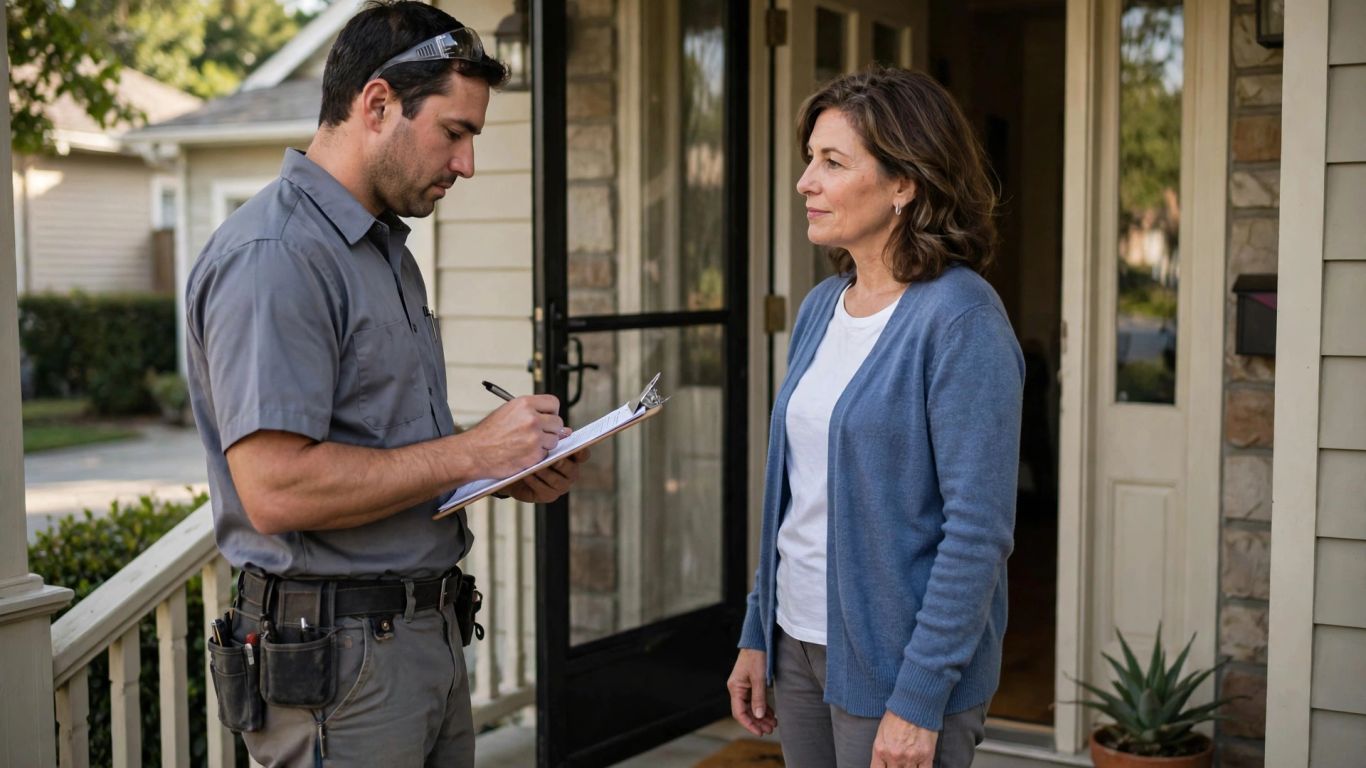
Acknowledge the customer’s frustration without getting defensive
Begin by recognizing that seeing pest activity again is frustrating. You do not need to agree with every detail of the review to show that you take the experience seriously. Avoid correcting the customer point by point or explaining why the business was right. A brief, human acknowledgment gives the exchange a calmer starting point.
Show you’re taking the reported recurrence seriously
Make clear that you’re willing to look into the report, rather than implying that the customer has misunderstood the service. You can say that you’d like to review the visit and learn what they are seeing now. Keep the language specific to the concern but not so detailed that you reveal information about a particular account. The response should signal attention, not make a diagnosis from a few lines of text.
Keep private details and account information out of the reply
A public response is not the place to confirm someone’s address, service history, payment, or treatment details. Even if a reviewer has included personal information, don’t repeat it in your reply. Move the conversation to a private channel where your team can verify identity and discuss the account appropriately. Publicly, you can simply invite the person to contact the team member who handles service concerns.
Avoid guarantees or claims you can’t support
Don’t promise that a callback will eliminate every pest, or claim that a treatment always works within a fixed period unless your business can support that statement. The facts may not be clear yet, and pest activity can depend on circumstances beyond what a review describes. You can still be reassuring by committing to review the concern and explain the next available step. A measured response reads as more credible than an absolute promise.
Use a clear response structure
When you are unsure what to write, a reliable structure can keep the reply focused. It helps you acknowledge the experience, show a willingness to act, and offer a private route to continue the conversation. The structure should guide your tone, not turn every response into a canned script. A few details tailored to the review will make it sound more personal.
Thank the reviewer and recognize the concern
Open with a simple thank-you for bringing the issue to your attention, then name the concern in plain language. For example, you might recognize that the customer is frustrated to see pest activity again after service. That does not require admitting a failure before you have checked the record. It simply shows you read the review and understand the issue being raised.
Briefly explain the next step you’re prepared to take
Tell the reviewer what you can do now, such as reviewing the service notes or asking a team member to discuss the report with them. Avoid listing internal procedures or making the public response a debate about the details. A short, concrete next step is more helpful than generic assurances. It also gives future readers a clear sense that the concern will not be ignored.
Invite the customer to contact a named person or direct line
A reply should make it easy for the customer to reach someone who can help. Where possible, name a service manager or provide a direct contact method that your business uses for customer concerns. Don’t ask the reviewer to post personal details publicly, and avoid sending them through a confusing chain of departments. A direct route can help the private conversation begin with less friction.
Close with a commitment to review the issue, not a promise of a specific outcome
Finish by stating that your team is ready to look into the report. You might also explain that you’ll review the service history once the customer gets in touch. To keep a response from becoming a checklist, think of the core elements as a short sequence:
- Recognize the frustration in a respectful, direct way.
- State the next step your team can actually take.
- Give the customer a clear private contact route.
- Commit to reviewing the concern without guaranteeing a result.
Together, those points create a complete reply without locking you into an outcome before you understand the situation. Edit the wording to fit the review, and keep the public message concise.
Adapt your pest control company review response to the situation
A good pest control company review response should reflect what you know about the case, and what you still need to confirm. A customer who qualifies for a follow-up needs a different reply from someone asking about a service agreement or a reviewer you cannot identify. The tone can stay consistent while the next step changes. When you avoid a one-size-fits-all script, the response is more likely to feel relevant and fair.
When the customer is eligible for a callback or re-treatment
If your records show that a callback or re-treatment is available under the applicable service terms, say that you’re ready to help arrange the next step. Keep any account-specific details private, and don’t imply that a visit is already scheduled unless it is. You can acknowledge the concern publicly and ask the customer to contact the appropriate team member to confirm arrangements. Follow your actual policy rather than offering something simply to quiet the review.
When the service agreement or warranty needs clarification
If the customer’s eligibility depends on the agreement or warranty, avoid interpreting its terms in a public thread. Invite them to connect with someone who can review the applicable details with them. Be clear that you want to clarify what the agreement covers, not suggest an outcome before checking it. That keeps the reply helpful while leaving room to explain the terms accurately in private.
When you can’t identify the customer from the review
A reviewer may use a different name or leave out details that would help your team locate the service. Don’t accuse them of being a non-customer or demand personal information in public. Say that you’d like to investigate, then ask them to contact your service team with the information needed to identify the visit. If they do get in touch, make sure the staff member follows through rather than sending them back to the review page.
When the review contains inaccurate claims or abusive language
If a statement appears inaccurate, correct it calmly and only when you can verify the facts. A public reply should not become a line-by-line argument; explain that you’d like to review the concern privately and let the record guide what you say. If the language is abusive, keep your response professional and avoid mirroring it. You can set a respectful tone without repeating inflammatory wording or exposing private information.
Take the conversation offline and follow through
Moving a complaint out of a public review thread is useful only if the handoff works. The customer should know who to contact, what information to provide, and when to expect a response. Your team should also be able to see what has already been said so the customer does not have to start from scratch. A public reply starts the process; consistent follow-through is what gives it meaning.
Make it easy for the customer to reach the right team member
Give a direct phone number or a monitored email address, and identify the person or team responsible for the follow-up. Check that the contact route is current and that someone will respond during the timeframe you state. If the reviewer contacts a general inbox, ensure the message reaches the person who can review service concerns. A clear handoff saves the customer from repeating the same story to multiple people.
Document the complaint, review response, and resolution
Record the review, your public reply, the customer’s private contact, and the actions taken to address the concern. Keep the notes factual and useful for the next team member who may need to step in. This does not mean turning the review into a judgment about the customer; it means preserving the service history and the commitments your team made. Good documentation also makes it easier to notice when similar issues come up again.
Explain what happens next and when the customer should expect an update
Once you have the customer’s details, explain the next step in plain language and give a realistic time for an update. If you cannot resolve the question during the first contact, say when and how you will follow up. Avoid giving a timeline you cannot meet, especially if the review requires input from another team member. A reliable update is better than a fast promise that disappears.
After the conversation, check whether the promised update actually happened. That small operational habit matters: a professional public reply can lose credibility if the private follow-through stalls.
Ask the customer to update the review only after the issue is resolved
Do not make a review change the price of help, or pressure someone to remove criticism before you investigate. Focus first on understanding the complaint and following through on whatever action is appropriate. If the issue is resolved, you may politely let the customer decide whether they want to update their review. Their feedback should remain their choice.
Turn recurring complaints into service improvements
One negative review may describe a single frustrating visit, but similar comments over time can reveal a process that needs attention. Look for patterns in the service records and in the language customers use, while avoiding assumptions based on one account. The point is not to chase every star rating; it is to find preventable confusion or gaps in follow-up. If the same complaint keeps surfacing, treat it as useful operational feedback.
Look for patterns by pest type, treatment, technician, or season
Review complaint themes over time and group them in ways your team can act on. You might compare the reported pest, the service date, the technician, or the time of year, while remembering that a pattern is a prompt to investigate rather than proof of a cause. Note whether complaints point to repeat visits, unclear expectations, scheduling, or communication. That context helps managers decide what to examine next.
Review how technicians set expectations about visible activity after treatment
Ask whether customers leave appointments understanding what activity may continue, what they should monitor, and how to ask for help if concerns remain. This is not about giving every customer the same speech regardless of pest or service. It is about making sure the explanation is clear and appropriate to the visit. If reviews suggest customers are surprised afterward, revisit the way expectations are communicated.
Check whether callback policies are clear before the first appointment
Customers should know how to request a callback and what service terms apply before a concern arises. Review whether your booking conversations, written materials, and technician explanations all communicate the same policy. If the details are difficult to find or easy to misread, a later disagreement may be as much about communication as eligibility. Clear policies can help both customers and staff know what to expect.
Use feedback to improve training, scheduling, and customer communication
When a pattern points to a change worth testing, make the action specific: update a training conversation, review a scheduling handoff, or clarify how customers can reach the service team. Then check whether the change reduces the same kind of confusion in later feedback. Reviews won’t explain every cause, but they can help your team decide where to look. Treat them as one input alongside service records and direct customer conversations.
Conclusion
When a customer says the bugs came back, the strongest response begins with a pause: check the record, acknowledge the frustration, and offer a clear next step without promising more than you know. Follow through privately, document what happened, and use recurring feedback to improve how your team communicates. If you’re working on a broader marketing plan for your home service business, you can schedule a conversation to discuss where to focus next.
Frequently Asked Questions
Should a pest control company respond to every negative review?
A thoughtful response can show that the business takes feedback seriously. Prioritize a calm, relevant reply that protects customer privacy and gives a useful next step.
How quickly should I reply to a pest control review?
Reply when you have checked enough information to respond accurately, and avoid letting a concern sit without acknowledgment for an extended period. If an investigation will take time, a brief initial reply can explain that you’re reviewing it.
What should I say when a customer claims pests returned after treatment?
Recognize the frustration, say you’d like to review the concern, and invite the customer to contact the right team member privately. Avoid arguing or guaranteeing a particular result before you understand the situation.
Should I mention the customer’s service history in a public reply?
No. Keep account details, addresses, treatment information, and other private facts out of the public response. Ask the customer to contact your team through a private channel instead.
Can I offer a callback in my public response?
You can explain that you’re prepared to review whether a callback is available, or offer one if your records confirm the customer qualifies. Follow your service terms and don’t imply an appointment is arranged before it is.
What if I can’t find the customer’s account?
Avoid accusing the reviewer of being a non-customer. Say you’d like to investigate and provide a private contact route where the person can share details needed to locate the service.
Should I ask the customer to remove a negative review?
Don’t pressure someone to change or remove feedback as a condition of getting help. Address the concern first, then let the customer decide whether they want to update their review.