Roofing Google Ads: Why Your CPL Is $228 and How to Halve It
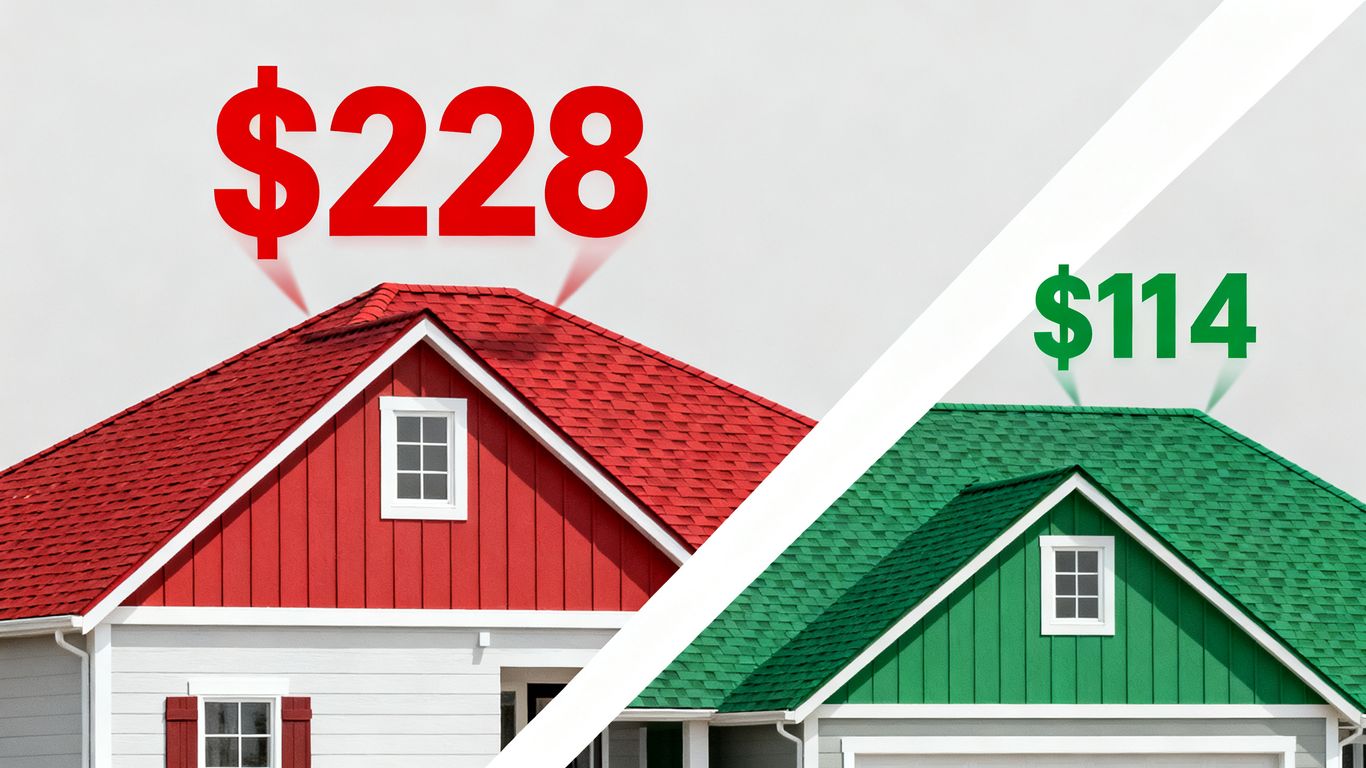
So, your roofing Google Ads are costing you a fortune, right? That $228 per lead feels like a punch to the gut, especially when you know there's a better way. It’s like trying to fix a leaky faucet with duct tape: it might stop the drip for a bit, but it’s not a real solution. We see this all the time with roofing companies. You're spending good money on ads, but the leads aren't coming in cheap, and you’re left wondering where all that cash is going. The good news? It doesn’t have to be this way. We're going to break down why your roofing Google Ads CPL is so high and, more importantly, how to cut that $228 CPL in half. Let's get this fixed.
Key Takeaways
- Your high roofing Google Ads CPL of $228 isn't a mystery; it's usually a mix of targeting the wrong people, ads that don't grab attention, a confusing website, and bidding strategies that miss the mark.
- Stop casting too wide a net with keywords. Focus on terms people actually use when they're ready to hire a roofer, and use negative keywords to block wasted clicks.
- Make your ads speak directly to homeowners needing roofing work. Highlight what makes you the best choice and test different versions of your ads to see what works.
- Your website's landing page needs to be as good as your ad. Make it easy for people to contact you, ensure it loads fast, and works well on phones.
- Smart bidding and budget choices matter. Pick the right bid strategy for your goals, adjust bids based on performance, and put your money where it gets the best results for roofing Google Ads.
Understanding Your Roofing Google Ads CPL
So, you're seeing a Cost Per Lead (CPL) of $228 for your roofing Google Ads, and it feels like a punch to the gut. That's a pretty hefty price tag for a single potential customer. Let's break down why this number might be so high and what it really means for your business.
The True Cost of Acquiring a Roofing Lead
When we talk about CPL, we're not just looking at the money you hand over to Google. It's the total amount spent on advertising to get one person to fill out your form or call your business. This includes ad spend, but also the time your team spends managing campaigns, creating ads, and analyzing results. For roofing companies, getting a good lead is tough. You're often competing with many other local businesses, all trying to grab the attention of homeowners who need a new roof or repairs. The average cost for a roofing lead can swing wildly, but it's not uncommon to see figures between $150 and $300. This means that $228, while high, might not be completely out of the park for some areas or campaigns, but it definitely signals room for improvement. It's important to know what a typical cost per lead for roofers looks like in your market.
Why Roofing Ads Command Higher Costs
Roofing is a high-value service. A new roof can cost thousands of dollars, so the potential return on investment (ROI) for a roofing company is significant. This high potential profit means more companies are willing to spend more on advertising to get those leads. Think about it: if you can get one new roofing job from an ad, it can easily pay for hundreds of leads. This competition drives up the price. Plus, people searching for roofers often have an urgent need: a leak, storm damage, or a failing roof. They're not just browsing; they're looking to buy. This urgency makes those keywords more expensive. The typical range for roofing leads reflects this competitive landscape.
Benchmarking Your Current Cost Per Lead
Before you can lower your CPL, you need to know where you stand. Is $228 an anomaly, or is it the norm for your campaigns? You should be tracking your CPL regularly. Here’s a simple way to start:
- Calculate Total Ad Spend: Add up everything you spent on Google Ads for a specific period (e.g., a month).
- Count Total Leads: Tally up all the qualified leads generated from those ads during the same period.
- Divide Spend by Leads: Total Ad Spend / Total Leads = Your CPL.
It's also smart to compare your CPL to industry averages, but remember that location and competition play a big role. A CPL of $228 might be acceptable in a super-competitive metro area, but it's likely too high in a smaller town.
Understanding your CPL is the first step. Without knowing the exact number and what influences it, you're just guessing. It's like trying to fix a leaky faucet without knowing where the drip is coming from.
Once you have a clear picture of your current CPL and understand the factors driving it up, you can start making targeted changes to bring that number down.
Diagnosing the $228 CPL Culprits
So, your roofing Google Ads are costing you a pretty penny, $228 per lead to be exact. That's a tough pill to swallow, especially when you know there are better ways to spend your marketing dollars. It's easy to just accept it, but that's not how you grow a business. We need to figure out why it's so high. Usually, it comes down to a few common mistakes that, once fixed, can make a big difference. Let's break down the usual suspects.
Ineffective Keyword Targeting
This is a big one. Are you showing up for searches that actually matter? If your ads are appearing for terms like "roofing supplies" or "how to fix a leaky roof yourself," you're probably attracting people who aren't ready to hire a professional. That's money down the drain. You want to be in front of homeowners actively looking for a roofing contractor.
- Broad Match Madness: Relying too heavily on broad match keywords can pull in a ton of irrelevant traffic. Think of it like casting a giant net and hoping for the best: you'll catch a lot of junk.
- Ignoring Search Intent: Not understanding what the searcher really wants is a common pitfall. Someone searching "roof replacement cost" might be ready to buy, while someone searching "DIY roof repair" is definitely not.
- Lack of Specificity: Generic terms like "roofing" are too broad. You need to get specific, like "asphalt shingle roof repair" or "emergency roof leak service near me."
Poor Ad Copy and Creative
Your ad is the first impression. If it's boring, unclear, or doesn't speak to the homeowner's needs, they're just going to scroll past. Think about it: would you click on an ad that doesn't grab your attention or tell you what you need to know?
- Generic Messaging: Ads that say "We do roofing" aren't going to cut it. What makes you different? What problem do you solve?
- No Clear Call to Action: What do you want people to do after seeing your ad? "Call Now for a Free Estimate" is much better than just listing your services.
- Ignoring Mobile Users: Most searches happen on phones. If your ad text is too long or doesn't look good on a small screen, you're losing potential customers.
Suboptimal Landing Page Experience
This is where many roofing businesses stumble. You've spent money getting someone to click your ad, and now they're on your website. If the page they land on is confusing, slow, or doesn't match the ad's promise, they'll leave. The landing page is where the conversion actually happens, or doesn't.
- Mismatch with Ad: If your ad promises a "free roof inspection" but the landing page talks about siding, people get confused and bounce.
- Cluttered Design: Too much text, hard-to-find contact information, or a confusing layout will drive visitors away.
- Slow Load Times: In today's world, nobody waits for a slow website. If your page takes more than a few seconds to load, especially on mobile, you've lost them.
The journey from a Google search to a booked job is a delicate chain. If any single link, from the keyword you bid on to the form on your landing page, is weak, the whole process breaks down, and your CPL skyrockets.
Flawed Bidding Strategies
How you bid on keywords and manage your budget has a direct impact on your CPL. If your bidding is too aggressive on the wrong terms or not aggressive enough on the right ones, you're not optimizing your spend.
- Manual Bidding Errors: Setting bids too high across the board or too low for competitive terms can hurt performance.
- Ignoring Performance Data: Not reviewing which keywords, ads, or campaigns are actually bringing in leads and adjusting bids accordingly is a recipe for high costs.
- Lack of Budget Control: Not setting daily or campaign budgets can lead to overspending on underperforming areas, leaving less for what actually works. Understanding the true cost of roofing leads is the first step to fixing these issues.
Strategic Keyword Refinement for Lower CPL
So, your Cost Per Lead (CPL) is through the roof, and you're wondering where all that money is going. A big part of the puzzle often lies in how you're telling Google you want to find customers. We're talking about keywords here. If you're just throwing a bunch of general terms out there, you're probably paying for a lot of clicks from people who aren't actually looking to hire a roofer right now. It's time to get smarter about who you're talking to.
Moving Beyond Broad Match
Broad match keywords are like shouting your business name into a crowded stadium. You might hit the right person, but you'll also get a lot of noise. For roofing, terms like "roof repair" might bring in people looking for DIY tips, articles about roofing history, or even just curious onlookers. This wastes your ad spend. Instead, think about being more specific. Using phrase match or exact match for terms like "emergency roof repair near me" or "asphalt shingle roof replacement cost" tells Google you're looking for people with immediate needs and specific interests. This kind of focused approach helps cut down on irrelevant clicks and brings in leads who are closer to making a decision.
Leveraging Negative Keywords Effectively
Negative keywords are your best friends when it comes to trimming fat from your ad spend. They tell Google exactly what you don't want your ads to show up for. Think about it: if you only do residential roofing, you don't want to pay for clicks on "commercial roofing contractors" or "industrial roof maintenance." Similarly, if you're not offering free quotes, add "free quote" as a negative if it's bringing in tire-kickers. Building a solid list of negative keywords is an ongoing process, but it's one of the most effective ways to stop wasting money on unqualified traffic. It’s about filtering out the noise so you can hear the serious inquiries.
Here are some common categories to consider for negative keywords:
- DIY/How-To: "how to fix," "DIY roof repair," "learn roofing"
- Jobs/Careers: "roofing jobs," "careers in roofing," "hiring roofers"
- Information/News: "roofing statistics," "types of roofing materials explained," "roofing association"
- Competitors (if not strategic): "[Competitor Name] reviews," "[Competitor Name] pricing"
- Unwanted Services: "roof cleaning service" (if you only do repairs/replacement), "gutter cleaning" (if not offered)
Identifying High-Intent Long-Tail Keywords
Long-tail keywords are longer, more specific phrases that people type into search engines when they're further along in their decision-making process. For roofing, these might be things like "best company for flat roof repair in [Your City]" or "cost of replacing a 30-square asphalt roof." These phrases usually have lower search volume, but the people searching for them are often very close to hiring someone. They know what they need and are actively looking for a solution. By targeting these specific, high-intent phrases, you're more likely to get clicks from people ready to get a quote or book a service. This is where focusing on buyer intent rather than just keywords really pays off for roofing companies in 2026.
Targeting the right keywords isn't just about showing up; it's about showing up for the right people. Think of it like fishing: you wouldn't use the same bait for a trout as you would for a shark. Your keywords need to match the specific needs of the customer you want to catch. This careful selection process directly impacts how much you pay for each lead, making it a cornerstone of lowering your CPL.
Optimizing Ad Creative and Messaging
Your ad copy and visuals are the first handshake with potential customers. If they're not compelling, people will just scroll past. For roofing, this means being clear, direct, and trustworthy right from the start. Your ad needs to tell people exactly what you do and why they should pick you.
Crafting Compelling Headlines and Descriptions
Think about what someone searching for a roofer is actually looking for. They probably have a problem: a leak, storm damage, or just an old roof. Your headline should grab their attention and address that need. Use keywords they're likely searching for, like "Emergency Roof Repair" or "New Roof Installation." Keep it short and to the point.
- Headline 1: Emergency Roof Repair - 24/7 Service
- Headline 2: Free Roof Inspection - Local Experts
- Headline 3: Asphalt Shingle Roofing - Get a Quote
Descriptions are where you can add a bit more detail. Mention your service area, any special offers (like free estimates), and what makes you different. For example, "We offer fast, reliable roof repairs in [Your City] with over 20 years of experience. Licensed and insured. Call us now for a free quote!"
People are often stressed when they need a roofer. Your ad should offer a solution and a sense of relief. Avoid overly salesy language; focus on helpfulness and reliability.
Showcasing Your Unique Selling Propositions
What makes your roofing business stand out? Is it your warranty, your speed, your customer service, or a specific type of roofing you specialize in? Make sure this comes through in your ads. If you offer a 50-year warranty, that's a big deal and should be highlighted. If you're known for quick storm damage repairs, say so.
- 50-Year Shingle Warranty
- Same-Day Emergency Service
- Family-Owned & Operated
- BBB Accredited Business
A/B Testing Ad Variations
Don't just set your ads and forget them. Google Ads lets you test different versions of your ads to see which ones perform best. This is super important for lowering your cost per lead. Try changing headlines, descriptions, or even the call to action. You might be surprised by what works.
For instance, test an ad focusing on price versus one focusing on quality or speed. See which one gets more clicks and, more importantly, more leads. This kind of testing is how you find out what really connects with potential customers and helps improve your Google Ads performance.
Enhancing Landing Page Conversion Rates
So, you've got people clicking on your ads. Great! But if they're not actually filling out your form or calling you, that click is costing you money for nothing. Your landing page is where the magic (or the disaster) happens. It's the final stop before a lead becomes a lead, and if it's not working hard enough, your CPL will stay stubbornly high.
Aligning Landing Pages with Ad Promises
This is a big one. People click an ad because it promised them something: maybe a free quote for a new roof, or a discount on repairs. If they land on a page that looks nothing like the ad, or talks about something completely different, they're going to bounce. It’s like ordering a pizza and getting a salad; you’re not happy.
- Make sure your headline matches the ad copy. If the ad says "Emergency Roof Repair," the landing page headline should be something similar.
- Use consistent imagery. If your ad shows a picture of a shingled roof, your landing page should too.
- Reinforce the offer. If the ad mentioned a "10% Discount," make sure that discount is clearly visible on the landing page.
The disconnect between what an ad promises and what a landing page delivers is a common reason why visitors leave without taking action. It erodes trust instantly.
Streamlining Lead Capture Forms
Nobody likes filling out long forms. If you're asking for their life story just to get a quote, they'll probably just leave. Keep it simple. The fewer fields you ask for, the more likely someone is to complete it.
Here’s a quick checklist for your forms:
- Only ask for essential information. Name, phone number, and maybe address are usually enough for a roofing quote. Do you really need their email right away?
- Use clear labels. Make sure people know what each field is for.
- Consider a multi-step form. For more complex information, breaking it down into smaller steps can feel less overwhelming.
Improving Page Load Speed and Mobile Experience
If your page takes forever to load, especially on a phone, people will just give up. Most people are searching for roofers on their phones these days. If your site isn't fast and easy to use on mobile, you're losing leads. Think about how quickly you click away from a slow website: your potential customers do the same thing. A fast, mobile-friendly page is key to capturing those high-intent searchers, directly impacting your website traffic value.
- Optimize images: Large image files are a common culprit for slow loading times.
- Minimize code: Cluttered code can slow things down.
- Test on different devices: Make sure your page looks and works great on both phones and desktops.
Mastering Bidding and Budget Allocation
Alright, so you've got your keywords dialed in, your ads are looking sharp, and your landing pages are converting like crazy. That's awesome! But if your bidding strategy is all over the place, or your budget isn't going where it should, you're still leaving money on the table. Let's talk about getting smart with your money.
Choosing the Right Bidding Strategy
Google Ads offers a bunch of ways to bid, and picking the right one can make a huge difference. For roofing, where leads are valuable, you're probably looking at strategies that focus on getting you those calls or form fills. If you've got a good amount of conversion data, something like Target CPA (Cost Per Acquisition) can be really effective. It tells Google what you're willing to pay for a lead, and it tries to hit that number. For newer campaigns, or if you just want to get as many leads as possible without worrying too much about the exact cost per lead initially, Maximize Conversions is a solid choice. It's all about getting you the most bang for your buck, so to speak. AI can help with this.
Implementing Bid Adjustments
Don't just set it and forget it. You need to tell Google where to put more focus. Think about it: are people searching on mobile more likely to call you right away for an emergency roof repair? Probably. So, you might want to bid higher for mobile users. What about certain times of day when people are more likely to be looking for roofing services? Or specific locations within your service area that tend to bring in better leads? Bid adjustments let you fine-tune your bids based on these factors. It's like giving your best customers a little extra attention.
Here are some common bid adjustments you should consider:
- Device: Increase bids for mobile if you see more immediate leads from phones.
- Location: Bid higher in areas that historically provide more valuable leads.
- Time of Day: Adjust bids based on when your target audience is most active.
- Audience: If you're using audience targeting, you can adjust bids for specific groups.
Allocating Budget to Top-Performing Campaigns
This is where you really start to see your CPL drop. You need to know which campaigns, ad groups, and even keywords are actually bringing in the leads that turn into jobs. Don't just spread your budget evenly. If one campaign is consistently delivering high-quality leads at a great price, give it more money. If another is just burning through cash with no results, it's time to either fix it or cut it. Regularly review your performance data to see where your money is working hardest. Smart budget allocation is key to getting more leads without spending more overall.
You're not just throwing money at Google; you're investing it. Every dollar should have a purpose, and that purpose is to bring in more roofing jobs. If a part of your account isn't pulling its weight, it's dragging down your overall CPL and needs to be addressed. It’s about being strategic, not just spending.
It might seem like a lot to keep track of, but getting your bidding and budget right is one of the most direct ways to lower that $228 CPL. It takes a bit of work, but the payoff is huge.
Leveraging Advanced Roofing Google Ads Tactics
So, you've tweaked your keywords, polished your ads, and made your landing pages slick. That's great! But if your CPL is still stubbornly high, it might be time to look at some of the more advanced features Google Ads offers. These aren't just for the big guys; even smaller roofing businesses can see real benefits.
Utilizing Audience Targeting Effectively
Think about who you're actually trying to reach. Are you targeting homeowners in a specific neighborhood who have shown interest in home improvement? Or maybe people who have visited your website before but didn't convert? Google Ads lets you get really specific with audiences. You can target people based on their interests, their past online behavior, or even people who are similar to your existing customers. This means your ads are shown to folks who are more likely to need a new roof, not just anyone who happens to type in "roofing company."
- Remarketing Lists for Search Ads (RLSA): Target people who have visited your site before when they search on Google again. This is a goldmine for getting repeat business or converting those who were on the fence.
- In-Market Audiences: Reach people who are actively researching or planning to buy services like roofing.
- Custom Audiences: Create your own audience based on specific interests or search terms relevant to your services.
Exploring Performance Max for Home Services
Performance Max campaigns are Google's way of automating a lot of the campaign management. You give it your goals, your assets (like images and text), and it figures out where to show your ads across Google's network: Search, Display, YouTube, Gmail, and Discover. For home services, this can be pretty effective because it casts a wide net but still uses Google's smarts to find potential customers. It's a good way to test out different placements without managing them all separately. Many businesses are seeing good results with these advanced Google Ads strategies for 2026.
Performance Max can be a powerful tool, but it requires good input. Make sure your assets are high quality and your conversion goals are clearly defined. It's not a 'set it and forget it' solution, but it can automate a lot of the heavy lifting.
Implementing Conversion Tracking Accurately
This is probably the most important part. If you don't know what's working, how can you fix what's not? Accurate conversion tracking means you know when someone fills out your contact form, calls your business, or even gets a quote. Without this, you're flying blind. You can't tell if a campaign is actually bringing in leads or just costing you money. Make sure your tracking is set up correctly, and that you're tracking the right actions. This data is what tells you which keywords, ads, and audiences are actually leading to business. It's the backbone of any successful campaign, whether you're looking at Google Ads or SEO for lead generation.
Want to make your roofing business stand out online? We can help you use smart Google Ads tricks to get more customers. Imagine your ads showing up right when people need a new roof! Visit our website today to learn how we can boost your business.
So, What's the Takeaway?
Look, paying $228 for a lead in roofing ads isn't the end of the world, but it's definitely not ideal. We've gone over why those costs can get so high: think messy campaigns, targeting the wrong people, or just not having a good landing page. The good news is, it doesn't have to stay that way. By cleaning up your ad setup, being smarter about who you show ads to, and making sure your website actually turns visitors into calls, you can absolutely bring that CPL down. It takes some work, sure, but cutting that cost in half means more jobs booked without spending more money. Start with the basics we talked about, and you'll see a difference.
Frequently Asked Questions
What does CPL mean for my roofing ads?
CPL stands for Cost Per Lead. It's the average amount of money you spend on Google Ads to get one person to become a potential customer, like filling out a form or calling you. For roofers, this can sometimes be as high as $228, but we'll show you how to bring that cost down.
Why are roofing ads so expensive on Google?
Roofing is a big job, and people usually only need a new roof every 15-20 years. This means there aren't as many people looking for roofers at any given time compared to, say, pizza. Plus, when someone needs a roof, they usually need it fast and are willing to pay a good amount for a reliable company. This competition and high value make the ads pricier.
How can I make my Google Ads find the right customers?
You need to be smart about the words people type into Google when they're looking for a roofer. Instead of using general words, focus on words that show someone is ready to hire, like 'roof repair near me' or 'asphalt shingle roof replacement quote.' Also, tell Google which words NOT to show your ads for, like 'DIY roof repair' or 'roofing jobs.'
What's the deal with my landing page and why does it matter?
Your landing page is the webpage people see after clicking your ad. If it's confusing, slow, or doesn't clearly ask them to become a lead (like fill out a form), they'll leave. Making your landing page match your ad, easy to use on phones, and quick to load helps turn visitors into leads.
How do I know if my bidding strategy is working?
Google Ads has different ways to bid on ads. Some focus on getting clicks, others on getting leads. You need to pick the strategy that best matches your goal, usually, getting leads for roofers. You also need to tell Google to bid more for people who are more likely to become customers and less for others. Watching your CPL closely helps you see if your bids are too high.
What are 'negative keywords' and why should I use them?
Negative keywords are words you tell Google NOT to show your ads for. For example, if you're a roofer and don't want to show ads to people looking for jobs, you'd add 'jobs,' 'careers,' or 'hiring' as negative keywords. This stops you from wasting money on clicks from people who will never hire you.