Roofing Landing Page That Converts Storm Clicks Into Free Inspections
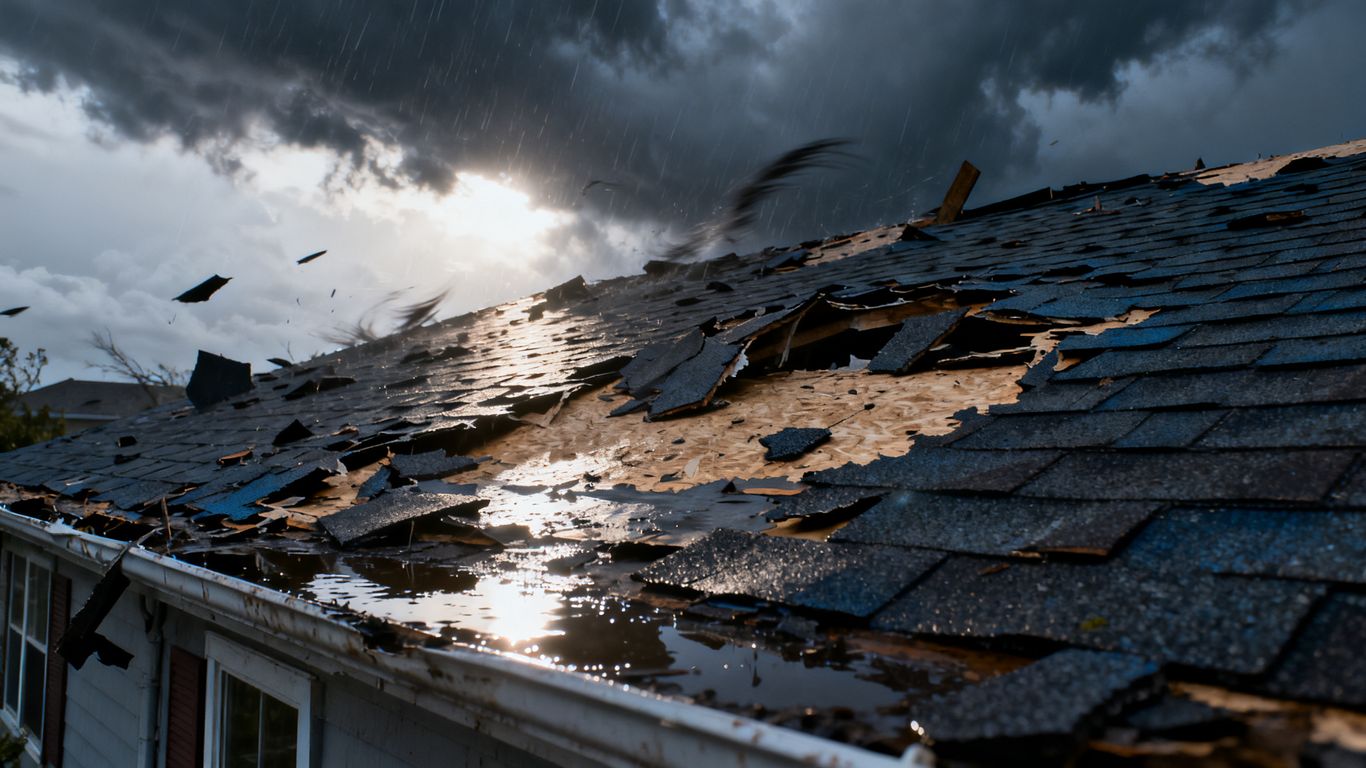
When a storm hits, homeowners are looking for quick help with their roofs. They're probably searching on their phones right after the wind dies down. Getting them to click your ad and then fill out a form for a free inspection is the whole point. Your landing page is where that happens, so it needs to work hard. This isn't just about having a website; it's about making a specific page designed to turn those worried clicks into actual appointments for a roofer landing page storm damage inspection.
Key Takeaways
- Your roofer landing page storm damage inspection needs to grab attention fast. Think of it as your digital front door for people with urgent roof problems.
- When people search for roofers after a storm, they want help *now*. Your page should show you can provide that help quickly.
- The main goal is turning ad clicks into free inspection appointments. Make it easy for people to take that next step.
- Use clear headlines and pictures that build trust. Your call-to-action needs to be obvious, telling people exactly what to do to get their roof checked.
- Make sure your ads match what people see on the landing page. Use simple forms and a mobile-friendly design so people can book an inspection easily, even on their phones.
Capturing Storm-Damaged Leads: The Crucial First Impression
When a storm hits, homeowners are often in a panic. They need help, and they need it fast. Your roofing company's website, especially its landing page, is usually the very first place they'll look. Think of it as your digital front door. If it's welcoming, clear, and shows you can help, they're more likely to stick around. If it's confusing or looks unprofessional, they'll probably just click away and find someone else. This initial contact is your biggest chance to make them feel confident you're the right choice.
Why Your Roofer Landing Page Is Your Digital Front Door
Your landing page isn't just another page on your site; it's a specific destination designed to get someone to take a particular action, like requesting a free inspection. For storm damage, this page needs to immediately tell people you understand their problem and have a solution. It's where someone who just saw a tree branch on their roof lands after clicking an ad or a search result. It needs to be super clear about what you do and what they should do next. A messy or slow-loading page here is like having a broken door that won't open: people won't bother.
The Urgency of Storm Damage: Meeting Homeowners When They Need You Most
Storms create immediate problems. Hail can dent shingles, high winds can lift them, and falling debris can cause direct damage. Homeowners know that small issues can quickly turn into big, expensive problems like leaks and mold if not addressed. They're not browsing casually; they're actively looking for a reliable roofer right now. This means your landing page needs to reflect that urgency. It should communicate that you're ready to respond quickly and handle their emergency.
- Immediate Need: Homeowners are often dealing with visible damage and potential water intrusion.
- Fear of Escalation: They worry about further damage if repairs aren't made promptly.
- Trust Factor: They need to quickly decide if they can trust you with their home.
The speed at which a homeowner searches for a roofer after a storm is directly related to the severity of the damage and their fear of it worsening. Your landing page must acknowledge this urgency and provide a clear path to immediate assistance.
Translating Clicks into Consultations: The Core Goal
Ultimately, the main job of your storm damage landing page is to turn a click from an ad or search result into a scheduled free inspection. Every element on the page should work towards this single objective. This means making it incredibly easy for someone to request that inspection. If they have to hunt for a phone number or fill out a complicated form, you'll lose them. The goal is to make the next step as simple and appealing as possible, moving them from a worried homeowner to a client who has booked a consultation. Finding good partners for lead generation can help with this, as some agencies specialize in driving qualified roofing leads.
Here's a quick look at what makes a page effective:
- Clear Problem/Solution: Immediately state you handle storm damage and offer inspections.
- Easy Contact: Prominent phone number and a simple contact form.
- Trust Signals: Show licenses, insurance, and positive reviews.
Choosing the right lead generation companies can also significantly impact how many of these clicks turn into actual appointments.
Designing For Immediate Impact: Elements Of A High-Converting Page
When a homeowner's roof takes a beating from a storm, they're not browsing for the prettiest website. They need help, and they need it fast. Your landing page is the first thing they see, so it has to make a good impression right away. Think of it as your digital front door, if it's confusing or uninviting, they'll just go somewhere else.
Headline That Speaks Directly To Storm Concerns
Your headline is prime real estate. It needs to grab attention and tell people exactly what you do and why they should care, especially after a storm. Forget generic slogans. You want something that acknowledges their problem head-on. Something like, "Storm Damaged Roof? Get Your Free Inspection Today!" or "Hail Damage? We Fix Roofs Fast." It should be clear, concise, and speak to the immediate need. This directness helps homeowners feel understood and signals that you're the solution they're looking for.
Compelling Visuals: Showcasing Expertise and Trust
People want to see that you know what you're doing. Photos of your team working on roofs, before-and-after shots of storm repairs, or even a short video showing your process can build confidence. Avoid stock photos if you can; real images of your work are much more convincing. It shows you're a legitimate business with real people who can handle the job. Good visuals are part of design elements that guests value.
Clear Call-To-Action: Guiding Users Towards Inspection
Once you've got their attention, you need to tell them what to do next. Your call-to-action (CTA) should be obvious and easy to find. Big buttons that say "Request Free Inspection," "Get My Free Quote," or "Schedule Your Assessment Now" work well. Don't make them hunt for it. The easier you make it for them to take the next step, the more likely they are to do it. This is a key part of high-converting landing pages.
Here’s what makes a good CTA:
- Action-oriented language: Use verbs that prompt action.
- Prominent placement: Make it stand out on the page.
- Clear benefit: Remind them what they get (e.g., "Free Inspection").
The goal is to make the path from realizing they have a problem to contacting you for a solution as smooth as possible. Every element on the page should guide them toward that final click or form submission.
Crafting Irresistible Offers For Storm Damage Inspections
So, a storm rolls through, and suddenly your phone is ringing off the hook. People are worried about their roofs, and they need help, like, yesterday. Your landing page is where they land after clicking your ad, and what you offer them right then and there can make or break whether they actually book that inspection. It’s not just about saying you can fix their roof; it’s about making them feel confident and secure enough to take the next step.
The Power of 'Free' In A Crisis
Let's be real, nobody wants to spend money when they're already stressed about storm damage. Offering a free inspection is like a breath of fresh air for a homeowner. It removes a major barrier, cost, and shows you're willing to put in the effort to assess the situation without them having to open their wallet first. This simple offer can dramatically increase the number of people who decide to move forward. It’s a smart way to get your foot in the door and show them what you can do. Think of it as a no-risk way for them to get peace of mind.
Highlighting Speed and Availability
When a storm hits, time is of the essence. Homeowners are anxious about leaks and further damage. Your offer needs to reflect this urgency. Make it clear that you can get out there quickly. Phrases like "Same-Day Inspections Available" or "We're Ready When You Are" can be really effective. People want to know you're not going to make them wait weeks for an assessment.
Here’s a quick breakdown of what to emphasize:
- Rapid Response: How soon can you realistically get to their home after they request an inspection?
- Extended Hours: Are you available outside of typical 9-to-5 hours, especially after storm events?
- Local Presence: Mentioning you're nearby can imply faster arrival times.
This kind of messaging helps calm nerves and positions you as the go-to solution when they need it most. It’s about being there for them during a stressful time.
Building Trust Through Guarantees and Testimonials
Even with a free inspection, people want to be sure they're choosing the right roofer. That's where trust comes in. Showcasing what other people have said about your work is super important. Real stories from satisfied customers can make a huge difference.
People are often wary of contractors after a storm, fearing they might be taken advantage of. Demonstrating reliability and a track record of good work through genuine feedback helps alleviate these concerns and builds confidence in your services.
Consider including:
- Customer Reviews: Short, impactful quotes from happy clients.
- Before & After Photos: Visual proof of your quality work (though not on the landing page itself, link to a gallery).
- Warranties/Guarantees: If you offer any guarantees on your work, mention them clearly. This shows you stand behind what you do. You can find some great ideas for roofing websites that incorporate these elements effectively. Also, remember that direct mail can complement your online efforts, with postcards highlighting your presence and offering free inspections in storm-affected areas, potentially linking to your landing page via QR codes, as seen in effective direct mail strategies.
Optimizing The User Journey For Roofer Landing Page Storm Damage Inspection
So, you've got people clicking on your ads after a big storm. That's great! But what happens next is what really counts. We need to make it super easy for them to take the next step, which is getting that free inspection. Think of your landing page like a helpful guide, not a confusing maze.
Streamlining The Form Submission Process
Nobody wants to fill out a novel, especially when their roof might be leaking. Keep your forms short and sweet. Ask only for the absolute essentials. What's the minimum you need to schedule an inspection? Probably name, address, and a phone number or email. Anything more can feel like a chore and might make people click away. A simple, quick form is your best friend here.
Here’s a good way to think about it:
- Name: So you can personalize communication.
- Address: To know where the damage is.
- Phone Number/Email: To actually schedule the inspection.
If you're using a tool like Leadpages to build your page, they often have features that make forms really straightforward.
Mobile-First Design For On-The-Go Homeowners
Let's be real, most people are checking their phones. After a storm, they might be driving around, looking at damage, or talking to neighbors. Your landing page needs to look and work perfectly on a small screen. Big buttons that are easy to tap, text that's readable without zooming, and forms that don't require tiny finger movements are a must. If it's clunky on mobile, you're losing a ton of potential customers.
Reducing Friction: What To Avoid On Your Page
Friction is anything that slows down or stops a user from completing their goal: getting that inspection. So, what slows people down?
- Too many choices: Don't overwhelm them with options. Focus on the free inspection.
- Confusing navigation: If they can click away to other parts of your site easily, they might get distracted. Keep them focused on the task.
- Slow loading times: If the page takes ages to load, especially on a mobile connection, they're gone.
- Pop-ups that block content: While sometimes useful, aggressive pop-ups can be really annoying and make people leave.
Think about the homeowner's mindset after a storm. They're stressed, worried, and want a quick, reliable solution. Your landing page should reflect that understanding by being as straightforward and helpful as possible. It's about making their problem easier to solve, starting with that inspection request.
Getting your page right for search engines is also key, especially for terms like "roof repair after storm" or "emergency roof inspection" storm damage roof repair. Making sure your page loads fast and is easy to use helps with both user experience and search rankings.
Leveraging Ad Copy To Drive Qualified Traffic
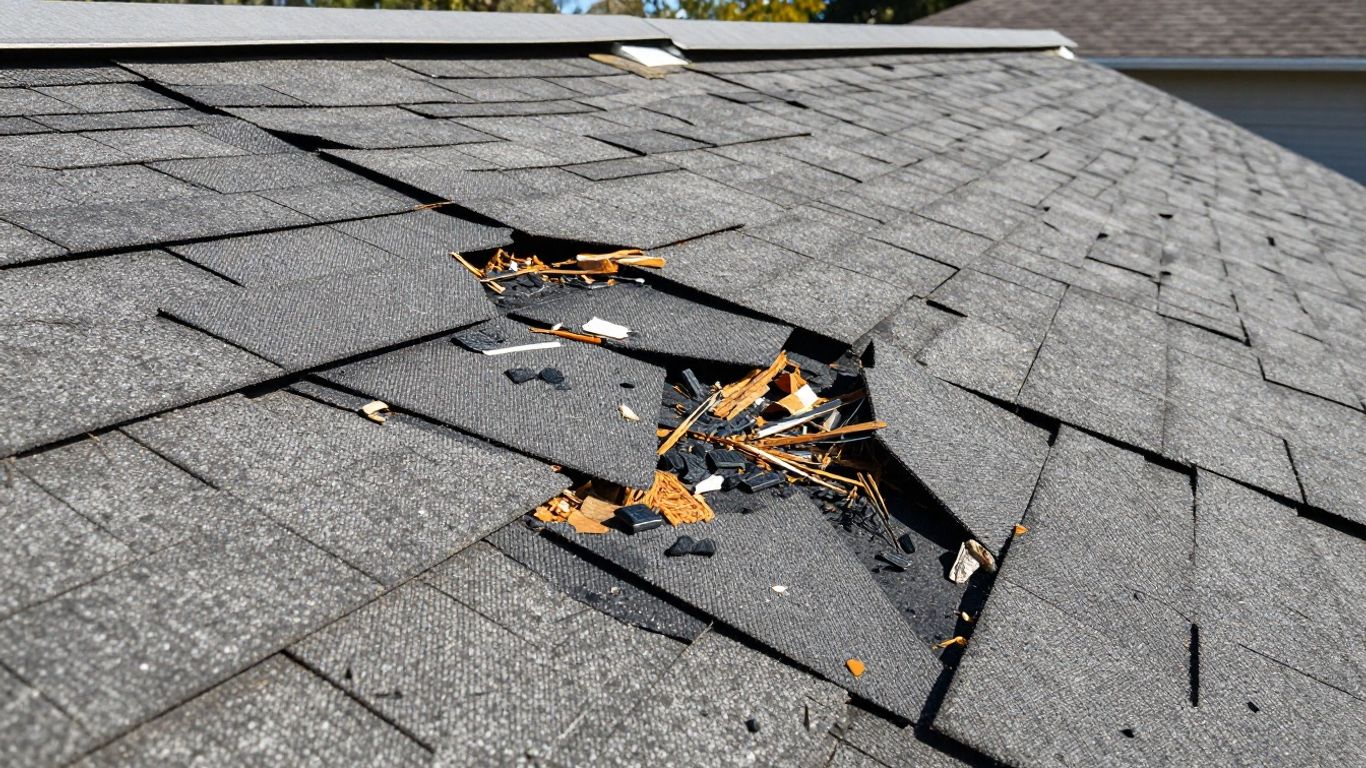
So, you've got this great landing page ready to go, designed to grab storm-damaged leads and turn them into free inspection appointments. That's awesome. But how do you get the right people to even see it? That's where your ad copy comes in. Think of your ads as the signposts pointing people towards your digital front door. If the signposts are confusing or point in the wrong direction, nobody's going to show up.
Matching Ad Messaging To Landing Page Content
This is super important. Your ad copy and your landing page need to be like two peas in a pod. If your ad promises a "Free Storm Damage Inspection Today!" but the landing page is all about general roof repairs and doesn't mention "free" or "storm damage" prominently, people are going to bounce. They clicked because they thought they found a solution to their immediate problem, and if they don't see that solution right away, they're gone.
- Headline Consistency: The main headline in your ad should mirror the primary headline on your landing page. If you're advertising "Urgent Roof Repair After Hailstorm," make sure that's the first thing they see when they land.
- Offer Alignment: If your ad mentions a "Free Inspection," the landing page must clearly state and offer that free inspection. No bait-and-switch.
- Problem/Solution Match: Address the specific pain point mentioned in the ad (e.g., "Leaky Roof from Recent Storm?") on the landing page and immediately present your inspection as the solution.
Keywords That Resonate With Storm-Affected Homeowners
When people are dealing with storm damage, they're usually searching with specific terms. You need to be there when they type those words into Google or Bing. Think about what someone whose roof just got hammered by hail would actually search for. It's not just "roofing company." It's more like:
- "roof damage after storm near me"
- "hail damage roof repair quote"
- "emergency roof tarping service"
- "wind damage roof inspection"
- "best roofer for storm damage [your city]"
Using these kinds of specific keywords in your ad campaigns helps filter out folks who aren't actually experiencing storm damage right now. You want to attract people who have an immediate need, not just someone casually browsing for future roof work. This kind of targeted approach is a big part of SEO lead generation services.
Creating Urgency In Your Ad Extensions
Storm damage doesn't wait, and neither should your ads. You can use ad extensions to really drive home the need for quick action. These little additions can make a big difference in getting that click.
- Sitelink Extensions: Add links to specific pages on your site, like "24/7 Emergency Service" or "Schedule Your Free Inspection Now."
- Callout Extensions: Use these to highlight key benefits like "Fast Response Times," "Insurance Claim Assistance," or "Licensed & Insured."
- Countdown Customizers: If you're running a limited-time offer, like a free inspection for the next 48 hours after a storm, use countdown customizers to show how much time is left. This creates a real sense of urgency.
When people are stressed about storm damage, they're looking for immediate help and reassurance. Your ad copy needs to reflect that. It should be direct, address their immediate problem, and clearly state how you can help, fast. Don't make them think too hard; they've got bigger things on their mind, like a potentially damaged roof.
By making sure your ad copy is perfectly aligned with your landing page and speaks directly to the urgent needs of storm-affected homeowners, you'll bring in much more qualified traffic. This means more people clicking with the intent to book an inspection, which is exactly what you want for your roofing business marketing efforts.
Measuring Success: Tracking Conversions For Your Inspection Leads
So, you've put together a great landing page, your ads are running, and people are clicking. That's awesome! But how do you know if it's actually working? It's not just about getting clicks; it's about getting those clicks to turn into actual free inspections. That's where tracking comes in. Without it, you're basically flying blind, spending money without knowing what's paying off.
Setting Up Accurate Conversion Tracking
First things first, you need to tell your advertising platforms what a
Knowing if your efforts are paying off is super important. For your inspection business, this means keeping an eye on how many leads turn into actual jobs. It's like seeing how many people who visit your store actually buy something. Want to learn more about how to make sure you're getting the most out of your leads? Visit our website today to discover simple ways to track your success!
So, What's the Takeaway?
Look, getting people to click on your ads when their roof is leaking is one thing, but getting them to actually book a free inspection? That's the real win. We've talked about how a good landing page can make that happen. It’s not just about pretty pictures; it’s about making it super easy for someone stressed about storm damage to take the next step. Think clear calls to action, simple forms, and showing them you’re the right choice. Get this right, and those storm clicks won't just be clicks anymore: they'll be appointments on your calendar. It really boils down to making the user's experience as smooth as possible when they need you most.
Frequently Asked Questions
Why is my roof important after a storm?
Think of your roof as your home's shield. After a storm, it might have hidden damage like cracks or missing shingles. If left unfixed, this can lead to bigger problems like leaks, which can damage your walls and ceilings, and even cause mold to grow inside your house. Getting it checked quickly is key to preventing these costly issues.
What should I look for on a roofer's website?
When you're looking for a roofer, especially after a storm, check their website for clear contact info and a simple way to ask for help. See if they show pictures of their work and if they have good reviews from other customers. A good website makes it easy to trust them and get the help you need fast.
How do I know if I need a free roof inspection?
If you saw strong winds, hail, or heavy rain during a recent storm, it's a good idea to get a free inspection. Even if you don't see obvious damage from the ground, there could be issues you can't see. It's better to be safe and get it checked out, especially since many roofers offer these inspections for free.
What happens during a free roof inspection?
A roofer will usually come to your home and carefully look at your roof. They'll check for things like damaged or missing shingles, dents from hail, and any signs of leaks or wear. They'll then tell you what they found and if any repairs are needed. It's a chance to understand your roof's condition without any cost.
How fast can a roofer fix my storm-damaged roof?
Many roofing companies understand that storm damage needs quick attention. They often try to schedule inspections and repairs as soon as possible after a storm. When you contact them, ask about their availability and how quickly they can start working on your roof to get it fixed and protect your home.
What if I'm not sure if my insurance will cover the roof repair?
Don't worry! Most roofers who specialize in storm damage are very familiar with insurance claims. They can often help you understand what your policy might cover and guide you through the process. It's a good idea to ask the roofer about their experience with insurance when you first talk to them.