Stop Paying for 'DIY Roof Repair': The Negative Keyword Bible

To really get the most out of your Google Ads for your roofing business, you need to be smart about who sees your ads. Focusing on the right people means not wasting money on folks who aren't going to hire you. Here are the main things to remember:
Key Takeaways
- Don't pay for clicks from people searching for 'DIY roof repair': they want to do it themselves, not hire you.
- Use negative keywords in Google Ads to block searches that waste your money and bring in unqualified leads.
- Regularly check your search term reports to find new 'DIY' or other irrelevant terms to add to your negative list.
- Focus your ad campaigns on keywords that show people are looking for professional roofing services, like 'roof replacement cost' or 'local roofing company'.
- A good negative keyword strategy helps you spend your ad budget more wisely and attract customers who are ready to pay for your services.
Understanding The 'DIY' Searcher Mentality
When someone types "DIY roof repair" into a search engine, what are they really looking for? It's not always about actually wanting to get up on the roof with a hammer and some shingles. Often, it's a starting point, a way to figure out what's wrong and what needs to be done before calling in the pros. Think about it like this: you wouldn't search for "brain surgery at home" if you had a headache, right? You'd search for "headache causes" or "how to relieve headache." The roof is similar.
Why Homeowners Search For DIY Roof Repair
People search for DIY roof repair for a bunch of reasons. Sometimes, it's a small issue, like a single missing shingle after a storm. They think, "Hey, I can probably fix that myself." Other times, they're trying to get a general idea of the problem before they even talk to a contractor. They want to understand the scope of work, maybe learn some terms, and feel a bit more informed. It's about gathering information and feeling a sense of control. This can lead to a real sense of accomplishment [2b84].
- Initial Problem Assessment: Trying to figure out if it's a minor fix or a major issue.
- Cost Estimation: Getting a ballpark idea of what repairs might cost.
- Learning & Education: Understanding the basics of roofing to communicate better with professionals.
- Temporary Fixes: Looking for quick, simple solutions for minor damage.
The Costly Misconception Of DIY Savings
The biggest trap here is the idea that doing it yourself will always save money. Sure, for some very simple tasks, that might be true. But with roofing? It's a different ballgame. You need special tools, safety equipment, and frankly, the knowledge to do it right. One wrong step can turn a small leak into a massive water damage problem, costing way more in the long run. Plus, you're often paying for materials that might not be the best quality if you're not buying from a professional supplier. It's a gamble that rarely pays off for homeowners trying to tackle significant roof work [d4b1].
Identifying The Intent Behind 'DIY' Queries
So, how do you tell if a "DIY" searcher is a potential customer or just someone browsing? Look at the other words they use. Are they searching for "how to replace a roof shingle"? That's probably not a paying customer. But if they're searching for "roof leak repair cost" or "asphalt shingle replacement near me," they're much closer to needing professional help. You need to figure out if they want to learn about DIY or avoid DIY by hiring someone.
The searcher's journey often starts with a problem. They use 'DIY' as a way to explore solutions, not necessarily to perform the work themselves. Your goal is to intercept them as they realize the complexity and cost involved, and then present your professional services as the better, safer option.
The Perils Of Targeting 'DIY Roof Repair' Keywords
So, you're a roofing contractor, and you're thinking about running some ads. Makes sense, right? You want to get the phone ringing. But then you see keywords like 'DIY roof repair' and think, 'Hey, maybe people looking to fix their own roof will eventually need a pro!' This is a common trap that can seriously drain your advertising budget.
Wasted Ad Spend On Unqualified Leads
When someone searches for 'DIY roof repair,' they're usually not looking to hire someone. They're looking for instructions, videos, or maybe even cheap materials to do the job themselves. They're not ready to sign a contract or write a check for professional services. Showing them your ad is like trying to sell a fancy sports car to someone who just wants to borrow a wrench. It's a mismatch, and you end up paying for clicks from people who will never become customers. It’s a big reason why many roofing companies struggle with their PPC campaigns.
Low Conversion Rates And Frustrated Prospects
Because these searchers aren't in buying mode, your ads won't convert well. You'll see a lot of clicks, but very few calls that turn into actual jobs. This leads to a low conversion rate, which makes your advertising look like it's not working. It's not just about the money; it's also about the experience. Imagine calling a roofer after watching a YouTube video on patching a leak, only to be met with a sales pitch for a full roof replacement. It's annoying for them and a waste of your time.
Damage To Your Brand Reputation
Constantly showing up for searches where you can't actually help can also hurt how people see your business. If potential customers repeatedly see your ads when they're looking for something else entirely, they might start to ignore you or even get annoyed. It dilutes your message and makes it harder for genuinely interested customers to find you when they are ready to hire a professional. You want to be seen as the go-to expert for roofing needs, not just another ad popping up when someone wants to learn how to shingle a small section themselves.
Targeting 'DIY' terms means you're advertising to people who are actively trying not to hire you. It's like a plumber advertising to people searching for 'how to fix a leaky faucet yourself.' They're looking for information, not a service call.
Crafting Your Roofing Negative Keyword Strategy
So, you've figured out that people searching for 'DIY roof repair' aren't your ideal customers. That's great! But how do you actually stop your ads from showing up for them? This is where building a solid negative keyword strategy comes in. It's like putting up a fence around your target audience, keeping out the folks who aren't going to hire you.
Essential Negative Keywords For Roofing Contractors
Let's start with the obvious ones. If you're a roofing contractor, you definitely don't want to show up for searches related to learning how to do the job yourself. Think about terms like:
- DIY roof repair
- How to fix a roof
- Roof repair tutorial
- Roofing for beginners
- Do it yourself roofing
- Roof patch kit instructions
These are the low-hanging fruit. You should also consider terms related to specific tools or materials that a DIYer might search for, but a homeowner looking to hire wouldn't. For example, if you don't offer specialized metal roofing installation, you might add "standing seam metal roofing tools" as a negative.
Beyond The Obvious: Uncovering Hidden Negatives
This is where things get interesting. Sometimes, the terms that seem harmless can actually be costing you money. Think about searches that indicate someone is looking for information, not a service. This could include:
- Roofing association meetings
- Roofing industry news
- Roofing certification programs
- Roofing job openings
- Roofing supply store hours
Also, consider terms related to free services or very low-cost options. If you're a premium service provider, you might want to add things like "free roof inspection" or "cheap roof shingles" if those aren't part of your business model. It's about getting really specific about who you don't want to attract. You can find some great tips on Google Search Ads for roofing companies that touch on this.
Leveraging Search Term Reports For Refinement
Your Google Ads account is a goldmine of information. The Search Term Report shows you exactly what people typed into Google to trigger your ads. This is your best friend for finding those hidden negative keywords. Regularly checking this report (weekly is a good start) can reveal:
- Unexpected search queries that are wasting your budget.
- New variations of DIY terms you hadn't thought of.
- Terms related to specific roofing problems you don't solve (e.g., "chimney cap repair" if you only do full roof replacements).
Building a robust negative keyword list isn't a one-time task. It's an ongoing process of monitoring, analyzing, and refining. Think of it as tending a garden; you need to pull the weeds regularly to let the good stuff grow.
For instance, if you see a lot of searches for "asphalt shingle cost per square foot" and you don't want to compete on price alone, you might add that phrase. It's all about making sure your ad spend is focused on people who are ready to hire a professional roofer, not those who are just browsing or planning a weekend project. You might even find terms related to other home improvement projects that aren't roofing-specific, like "gutter cleaning cost" or "siding installation near me."
Implementing Negative Keywords In Google Ads
Okay, so you've figured out which words you absolutely don't want your ads showing for. That's great! But how do you actually tell Google Ads to steer clear of them? It's not as complicated as it sounds, and there are a few ways to do it. Getting this right means your ad money goes towards people actually looking to hire a roofer, not someone just curious about fixing their own leaky shingle.
Campaign-Level Vs. Ad Group-Level Negatives
Think of it like this: campaign-level negatives apply to your entire campaign. If you add "free" as a campaign-level negative, it won't show up for any ad group within that campaign. Ad group-level negatives are more specific. You might use them if a particular ad group has a slightly different focus. For example, if you have an ad group specifically for "roof repair" and another for "new roof installation," you might add "repair" as a negative keyword to the "new roof installation" ad group, and vice-versa.
Here's a quick breakdown:
- Campaign-Level: Broadest reach, affects all ad groups in the campaign.
- Ad Group-Level: More targeted, affects only the specific ad group.
Choosing the right level depends on how you've structured your campaigns. For broad terms like "DIY" or "how to," campaign-level is usually the way to go. For more nuanced exclusions, ad group-level gives you finer control.
Utilizing Shared Negative Keyword Lists
Now, imagine you have a bunch of campaigns running, and you want to exclude the same set of words across all of them. Do you really want to go into each campaign and add "free," "jobs," "training," and "DIY" over and over? No way. That's where shared negative keyword lists come in handy. You create a list once, add all your common negative keywords to it, and then apply that list to multiple campaigns. It saves a ton of time and makes managing your account way simpler. You can create a new list right from the Keywords section in Google Ads.
This is super useful for common terms that are almost never going to lead to a paying customer for a roofing service. Think about terms related to employment, education, or even just general information gathering that doesn't involve immediate hiring.
Regularly Reviewing And Updating Your Lists
This isn't a set-it-and-forget-it kind of deal. The search landscape changes, and so do the ways people look for services. What you exclude today might be a relevant search term tomorrow, or new irrelevant terms might pop up. You need to keep an eye on your Search Terms report in Google Ads. This report shows you exactly what people typed into Google to trigger your ads. If you see a bunch of searches that aren't relevant but are still costing you money, add those terms to your negative keyword lists. This process is key to adding negative keywords effectively.
Regularly checking your search terms report is like doing a quick tune-up on your car. It helps you catch small issues before they become big, expensive problems. It ensures your ad spend is always working as hard as possible for you.
Optimizing For High-Intent Roofing Searches
So, you've gotten rid of those pesky 'DIY' terms. Great! Now, let's talk about attracting the people who actually want to hire you. This means shifting your focus to keywords that show someone is ready to pay for professional help. It’s about finding those searchers who aren't looking to pick up a hammer themselves, but rather need a reliable roofer.
Focusing On Service-Oriented Keywords
Think about what someone needs when they're looking for a roofer. They're not just browsing; they have a problem that needs fixing. Keywords like "roof replacement cost," "new roof installation," or "gutter repair near me" signal a clear need for your services. These are people who have likely already decided they need professional work done. The goal is to be the first, most relevant answer when they search for a solution.
Targeting Location-Specific Search Terms
People usually want a roofer who is close by. They want someone they can trust in their community. So, make sure you're bidding on terms that include your service area. Think "roofing contractor [Your City Name]" or "best roofers in [Your Neighborhood]." This helps filter out people who are too far away to be practical clients. It's a simple way to cut down on wasted ad spend and connect with homeowners who are geographically inclined to hire locally. You can find some great ideas for this by looking at local SEO strategies.
Highlighting Professionalism And Expertise
Your ad copy and landing pages should scream 'professional.' Use words that convey reliability and skill. Instead of just "Roof Repair," try "Expert Roof Leak Repair Services" or "Certified Roofing Professionals." Mentioning things like "free estimates," "licensed and insured," or "years of experience" can make a big difference. People want to feel confident they're hiring the right team for the job.
When someone searches for roofing services, they're often dealing with a stressful situation. Your ads and website should immediately communicate that you are the calm, capable solution they need. Clarity about your services and your professional approach builds trust before they even pick up the phone.
The Financial Impact Of Smart Negative Keyword Usage
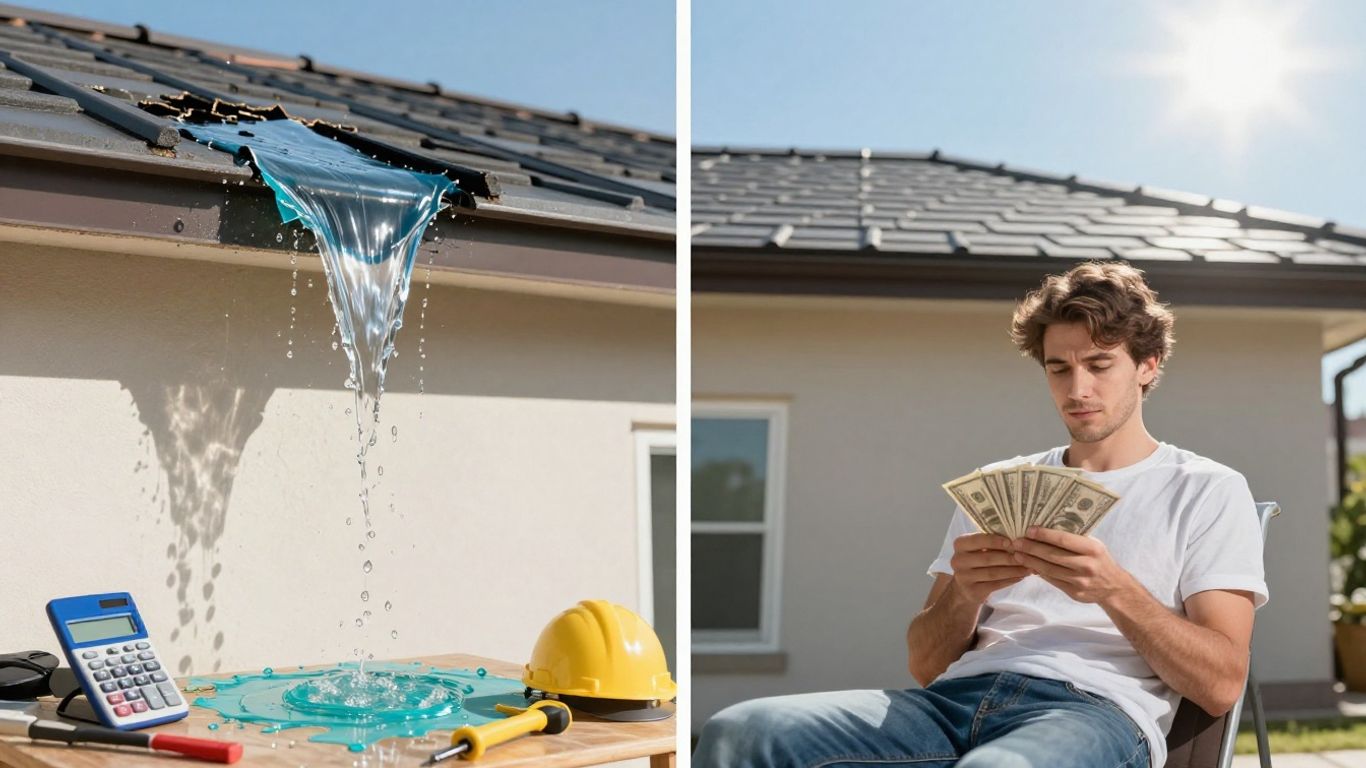
So, you've been diligently adding negative keywords, right? It might seem like a small thing, but trust me, it makes a huge difference to your bottom line. Think about it: every click on an ad that's completely off-target is money straight out the window. When you stop those irrelevant clicks, your budget suddenly stretches a lot further. It's like finding extra cash in your pocket you didn't know you had.
Maximizing Your Advertising Budget
When you're running ads, every dollar counts. If your ads are showing up for searches like "how to patch a small roof leak yourself" or "free roof repair tips," you're basically paying for people who aren't going to hire you. They're looking for instructions, not a professional service. By using negative keywords, you tell Google, "Hey, don't show my ad for these kinds of searches." This means your ad budget is spent on people who are actually looking for a roofer, not a DIY guide. It's a smart way to make sure your money is working harder for you. This is a core part of making your PPC advertising more efficient.
Improving Return On Ad Spend (ROAS)
What's the point of spending money on ads if they don't bring in business? That's where Return on Ad Spend, or ROAS, comes in. When you filter out the DIY crowd, the people who do click your ads are much more likely to be serious potential customers. They're looking for someone to do the job, and they have the budget for it. This means a higher percentage of your clicks turn into actual leads, and more importantly, paying jobs. Your ROAS goes up because you're getting more bang for your buck. It's not just about spending less; it's about spending smarter to get better results.
Attracting More Qualified, Paying Customers
Ultimately, this whole process is about getting more of the right kind of customers. You want homeowners who recognize the value of professional work and are ready to pay for it. By excluding searches related to DIY projects, you're naturally filtering for people who understand that roofing is a job for experts. This means fewer calls from people asking for advice and more calls from people ready to schedule an estimate. It streamlines your sales process and helps you focus your energy on closing deals with clients who are a good fit for your business. It's about quality over quantity, and that's where the real profit is.
The goal isn't just to get clicks; it's to get clicks from people who are ready and willing to hire you. Negative keywords are your best tool for making that happen, cutting out the noise so you can hear the calls that matter.
Using smart negative keywords can really change how much money your ads make. It's like putting up a fence to stop your ads from showing up for searches that won't bring you customers. This means your ad money isn't wasted. Want to learn more about how to make your ads work better and save money? Visit our website today to discover the secrets to successful online advertising!
Conclusion
So, you've seen how chasing 'DIY roof repair' searches can really drain your ad budget without bringing in paying customers. It's like trying to sell a fancy new roof to someone who just wants to watch a YouTube video on how to patch a small leak themselves. By using negative keywords, you're basically telling Google, 'Hey, don't show my ads to these people.' This means your ads get seen by folks who actually need a professional roofing job done. It's not about blocking good searches; it's about stopping bad ones. Implementing a smart negative keyword strategy, especially with the 'DIY' terms, is a game-changer for roofing contractors looking to get more qualified leads and make their ad spend work smarter, not harder. Think of it as cleaning up your customer list before you even start talking to them. It saves time, saves money, and ultimately, helps you land more jobs.
Frequently Asked Questions
Why shouldn't I show ads for 'DIY roof repair'?
When someone searches for 'DIY roof repair,' they're usually looking for instructions or videos on how to fix their roof themselves. They aren't looking to hire a professional roofer. Showing them your ad is a waste of money because they're not going to call you for a job.
What exactly are negative keywords?
Think of them like a 'do not show' list for your ads. You tell Google Ads certain words or phrases you DON'T want your ads to show up for. So, if you add 'DIY' as a negative keyword, your ad won't appear when someone searches for 'DIY roof repair'.
How do I find these 'DIY' type keywords to block?
The best way is to look at your Google Ads 'Search Terms' report. This report shows you the actual searches people typed into Google that triggered your ads. You'll often see 'DIY,' 'how to,' 'free,' or 'tutorial' mixed in with your main keywords. Just add those you don't want to your negative keyword list.
Can I block 'DIY' for all my ads?
Yes, you can add 'DIY' as a negative keyword at the campaign level, meaning it applies to all ad groups within that campaign. Sometimes, you might want to block it only for specific ad groups if other terms are okay in that context. It's good to think about where it makes sense.
What happens if I don't use negative keywords?
If you don't use negative keywords, your ads might show up for searches you don't want. This means people who click your ad aren't likely to become customers. Your ad money gets spent on clicks that don't lead to jobs, and your overall results will be worse.
Besides 'DIY,' what other words should I consider blocking?
You should also block words like 'jobs,' 'careers,' 'training,' 'school,' or 'salary' if you're not trying to hire people. Blocking terms like 'free,' 'cheap,' or 'quote only' can also help filter out people just looking for price comparisons instead of actual service.