The 5-Email Drip Sequence That Closes Door Replacement Estimates
Key Takeaways
A effective door replacement email drip campaign serves as the backbone for nurturing leads from initial interest to a closed sale. By automating key touchpoints, you can maintain engagement and consistently convert homeowners into satisfied clients.
- Segment your audiences based on their specific needs to increase relevance.
- Use data-backed lead scoring to prioritize homeowners who are ready to buy.
- Incorporate social proof to build trust during the nurturing process.
- Shift from automated emails to personal outreach when a lead signals high intent.
- Track performance metrics like open rates and conversions to optimize your results.
Setting up the infrastructure for your door replacement drip campaign
Building a reliable backend processes ensures that every lead is handled professionally without manual intervention. You need a system that captures inquiries and automatically triggers the correct sequence of communications to keep your business at the forefront of their minds.
Choosing the right CRM or email automation platform
Selecting professional CRM software is the foundational step for any business owner planning to scale their outreach. A robust system allows you to organize potential clients, track their engagement, and ensure that no inquiry slips through the cracks during busy installation cycles. Having a centralized database where you can manage contact info, service history, and project measurements is invaluable for providing consistent customer experiences.
Defining your prospect segments based on quote urgency
Not every homeowner is in the same stage of the buying journey when they first contact you. To communicate effectively, you should organize your list into groups based on their stated timeline and specific service interest to ensure personalized messaging.
- Immediate buyers seeking urgent repairs.
- Homeowners comparing price points for future projects.
- Prospects looking for specific door materials or security features.
- Past customers potentially interested in seasonal maintenance or upgrades.
By categorizing these leads, you avoid sending irrelevant information to people who just want a fast estimate.
Integrating your web estimate form with marketing automation
Connecting your online intake forms directly to your database eliminates the risk of human error and delayed responses. When a prospect submits their information after reading a post on why replace windows, the CRM should instantly log this request and initiate the workflow. This creates a seamless transition from the initial interest to the first contact, reinforcing that you are a business that values efficiency and professionalism.
Establishing lead scoring to prioritize active homeowners
Assigning point values to specific prospect behaviors helps your sales team know exactly who to call. By prioritizing individuals who repeatedly interact with your digital communications, you ensure that your limited time is spent on the most promising opportunities for conversion.
| Engagement Type | Score Value | Priority Level |
|---|---|---|
| Opening an email | 5 | Low |
| Clicking a link | 15 | Medium |
| Requesting a callback | 50 | High |
This method allows you to focus your energy on the homeowners most ready to buy while still keeping colder leads warmed up through automated content cycles.
The first email: Immediate confirmation and value proposition
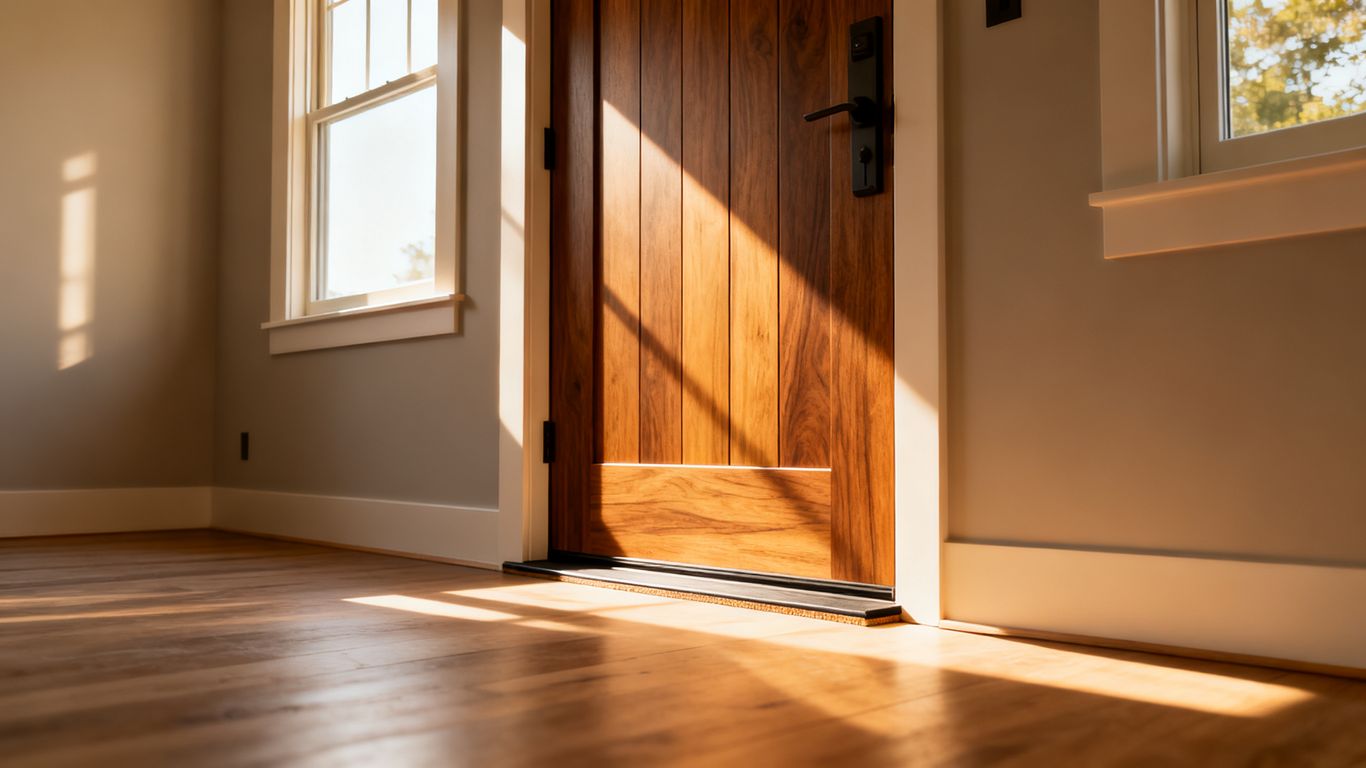
Confirming receipt of a lead's inquiry represents your first chance to establish rapport and authority. You want to thank them for their interest while quickly showing why your expertise is a cut above common alternatives. This message sets the tone for your entire professional relationship.
Crafting subject lines that secure high open rates
Your subject line needs to be direct and informative enough to avoid being ignored. Instead of generic titles, use specific references to their inquiry, such as "Your door estimate details" or "Next steps for your entry project," to make the content feel essential. This approach consistently yields better results than vague marketing-speak.
Reaffirming the value of a professional door replacement
In this first email of your door replacement email drip campaign, briefly highlight the professional standards you uphold in every project. Remind the recipient that choosing a expert service ensures safety, structural integrity, and better security for their home. By emphasizing these benefits, you steer the conversation away from simple price considerations toward quality and long-term peace of mind.
Including logistical details and what to expect next
Transparency is your best friend when managing client expectations for home improvements. Explicitly state the timeline for when they can expect to hear back or explain how you will proceed with a site visit to measure their space. When a client knows exactly what happens next, they feel more confident in continuing the interaction.
Adding a clear call to action to lock in the site visit
End your initial communication with a straightforward invitation to move forward with a scheduled appointment. Whether it involves booking an appointment or providing a phone number, make it very easy for them to commit. Providing a simple path to the next step reduces friction and helps keep the momentum moving forward.
The middle sequence: Building trust and handling objections
Once the initial excitement subsides, you need to provide consistent content that reassures the customer of their decision. This stage of the drip sequence addresses common questions and removes the mental hurdles that stop someone from agreeing to a project.
Sharing social proof and customer testimonials
Prospects want to see that other homeowners have had great results working with your team. Include stories and visual examples that illustrate your success in transforming homes similar to theirs. This type of social proof is essential for validating their investment.
Addressing common concerns regarding material quality
Customers often worry about whether their investment will stand up to the local weather or daily wear. Use this space to explain the specific qualities of the materials you use, helping them understand that your product is designed for longevity. Dealing with objections related to roof signs of age or other structural issues nearby is also a great way to show your broader expertise.
Showcasing your craftsmanship through visual content
Humanizing your brand requires showing the faces behind the work and the precision of your installation. High-quality images of finished hardware or the intricate details of a properly seated threshold demonstrate a level of care that customers appreciate. This visual focus reinforces that what they are paying for is skill and attention to detail.
Explaining the long-term energy efficiency benefits
Modern door replacements offer significant value beyond curb appeal, particularly through improved insulation. Briefly explain how a high-quality door helps maintain home temperatures, which saves on energy costs throughout the year. Connecting your service to long-term cost benefits makes the project feel like a smart financial decision rather than just a cosmetic expense.
The closing emails: Creating urgency and incentivizing action
When a lead stalls, a gentle push, coupled with a sense of urgency, is often required. You need to remind the prospect why they inquired initially while offering a final reason to commit now rather than later.
Utilizing scarcity regarding seasonal installation windows
Remind your prospects that there are limited spots available for installations during the upcoming season. If you are preparing for winter-ready drip campaigns, highlight that early scheduling avoids the cold-weather rush. This creates a natural reason to act that doesn't feel forced.
Implementing a time-sensitive limited offer or discount
Sometimes a small incentive can tip a prospect over the line toward booking. Offer a limited-time discount or exclusive value-add that expires within a specific window, such as a bonus low-voltage lighting design consultation for their exterior. Keeping the offer time-sensitive ensures that the prospect makes a definitive decision quickly.
Testing different tone variations to prompt a final response
If your previous messages were very formal, try shifting your tone slightly for the final emails to be more conversational or inquisitive. A simple question like, "Are you still thinking about your project?" can often elicit a response from someone who was too busy to reply previously.
Knowing when to move a lead from email to a personal follow-up
Automation is powerful, but not a replacement for direct human outreach in the final stage. If a lead has interacted with multiple emails but hasn't committed, it may be time for a personal phone call from your sales lead to reach out and offer assistance personally.
Optimizing performance and tracking lead attribution
Data-driven adjustments allow you to focus on the messages that truly work. You should regularly review how your correspondence influences real-world bookings to ensure your marketing efforts continue to provide a sustainable competitive edge.
Establishing KPIs for email campaigns in home services
Define your success by clear benchmarks like open rates, click-through rates, and ultimately, booked appointments. Understanding these metrics helps you identify which parts of the sequence are performing well and which segments might need adjustments to their timing or content.
Using UTM parameters to track email-driven conversions in Google Analytics
Attributing where your leads come from is vital for improving your overall ad spend. By adding UTM parameters to every link in your campaign, you gain clear insights in automated email strategy tracking into which email topics are generating actual conversions across your website.
Analyzing click-through rates by door product category
Monitor which specific door styles or materials drive the most clicks from your readers. If decorative front doors get significantly higher interest than patio doors, you can adjust your sequence to emphasize those products in future marketing efforts.
Iterating on drip content using A/B testing
Constantly test slight variations in your subject lines or call-to-action phrasing to see how they impact your engagement. Even minor tweaks to your automated garage door outreach messaging can lead to substantial improvements in your overall response rates over time.
Technical best practices for delivery and open rates
Maintaining a clean sender reputation is the only way to ensure your emails arrive in the inbox rather than the junk folder. Adhering to these standards builds long-term trust with email providers and your subscribers alike.
Avoiding spam filters with proper email authentication
Ensure your domain settings like SPF and DKIM are correctly configured with your email service. These technical tags prove to providers that you are a legitimate sender, which prevents your messages from being ignored or flagged automatically by spam filters.
Mobile-first design considerations for project invoices
Most homeowners will read your correspondence on their phone. Make sure your email layouts are clean, use simple buttons for calls to action, and avoid complex graphics that look messy on small touchscreens to ensure your Mobile App Privacy policy or general project info remains readable.
Personalization through automated merge tags
Using merge tags to include the homeowner's name in the subject line or body text adds a personal touch that increases open rates. When an email feels like it was addressed to the individual rather than a faceless list, they are much more likely to engage with your content.
Maintaining list hygiene to ensure high sender reputation
Regularly remove addresses that bounce or have been inactive for long periods. Keeping your email list updated means better delivery metrics and helps you stay compliant with standard mailing practices, protecting your ability to reach future prospects.
Conclusion
Implementing a structured email sequence for your door replacement business allows you to nurture prospects automatically while maintaining a high level of customer service. By focusing on personalization, segmenting your lists, and constantly optimizing based on performance data, you create a reliable path for growth that keeps your schedule full. As you refine this approach, you will find that your email efforts are not just about sending messages, but about building lasting relationships with the homeowners who trust you with their property.
Frequently Asked Questions
How often should I send emails in a drip sequence?
It is generally best to space out emails so you stay top-of-mind without becoming an annoyance. Start with a confirmation immediately, follow up a few days later, and then move to a weekly cadence until the prospect opts in or expresses firm desire to stop.
What makes an effective email for home services?
Effective emails prioritize clear value, direct language, and an easy path to take action. They should focus on solving the customer's problem rather than just listing features, keeping the message relevant to their specific project needs.
Should I include heavy graphics in my emails?
Keep visual content lightweight and mobile-friendly to ensure the emails load quickly and look great on any device. Over-designing can often lead to emails being marked as promotional or even spam, so focus on high-quality but simple imagery.
How do I know if my leads are actually interested?
Engagement metrics such as email opens, link clicks, and direct replies are the best indicators of interest. Prospects who interact with your content multiple times are typically much closer to a buying decision than those who never open your messages.
When is the best time to send door replacement emails?
Research indicates that weekend mornings often work well for home maintenance topics, as people have more time to think about their property improvements. However, testing different send times for your specific audience is the most reliable way to find your peak engagement hours.
How can I make my emails feel more personal?
Personalization starts with using merge tags to address recipients by name and referencing specific project details like the style of door they inquired about. Consistent, helpful content that addresses the unique concerns of a homeowner will always feel more personal than a generic brochure.
What do I do if a lead never responds?
If you have completed your full drip sequence without any direct response, move those stagnant contacts to a long-term newsletter list rather than keep trying to force a sale. Continue providing occasional value until they are ready to re-engage, respecting their space while leaving communication lines open.