The Google Ads Structure That Cut This Fabricator's CPL by 41%

Running Google Ads for a granite fabricator isn’t always as simple as it seems. At first, things can get messy: money goes fast, and sometimes the phone just doesn’t ring. That’s what happened with one fabricator until we tried a different approach. By changing up the granite fabricator PPC campaign structure, we saw a big drop in the cost per lead. Here’s how we did it, step by step.
Key Takeaways
- Breaking campaigns into smaller groups helps you spend money where it matters most.
- Getting specific with keywords and locations means you stop wasting cash on the wrong clicks.
- Writing ads that mention your city and what makes your shop special can catch more local eyes.
- Negative keywords are a lifesaver for blocking out folks who just want to DIY or aren’t ready to buy.
- Watching your numbers and letting Google’s smart bidding do its thing can keep your costs down over time.
Understanding The Granite Fabricator's Initial PPC Challenges
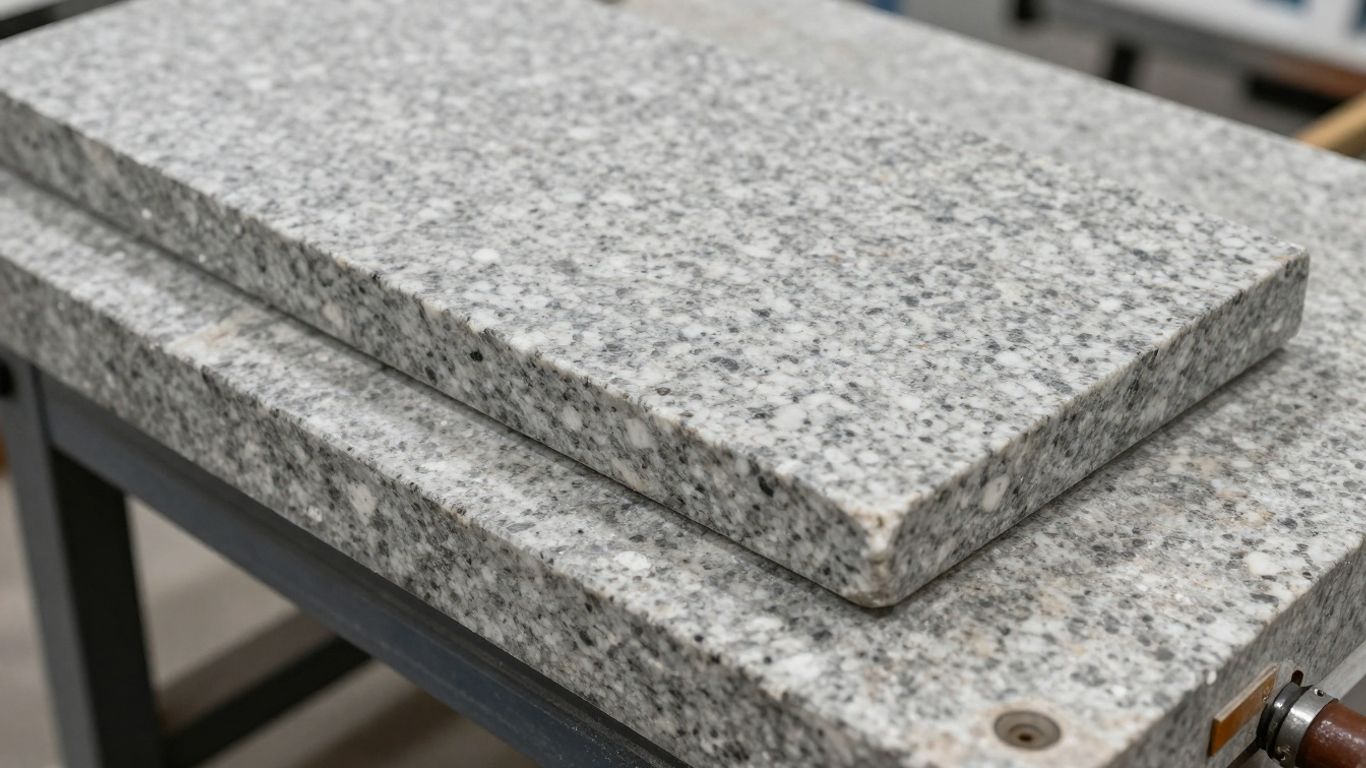
Before we get into how we turned things around for this granite fabricator, let's talk about where they were coming from. Like many businesses, they were already running Google Ads, but the results just weren't there. They were spending money, sure, but the phone wasn't ringing with qualified leads. It was a classic case of throwing money at the problem without a clear strategy.
Identifying Wasted Ad Spend
This fabricator was seeing a lot of clicks, but not many actual jobs coming from them. The ad spend was going up, but the return wasn't following. It felt like they were paying for people to just browse, not to actually get a quote or book a consultation. We dug into their account and found a lot of clicks coming from searches that were just too broad. Think about it: someone searching for "granite" might just be curious, looking for pictures for a Pinterest board, or even researching how to clean granite countertops. That's not someone ready to buy.
The Problem With Broad Targeting
Their campaigns were set up using very general keywords. This meant their ads showed up for a huge range of searches, many of which had nothing to do with someone needing a granite countertop installed in their home. For example, they were bidding on terms like "granite" or "kitchen countertops." While these terms are related, they don't signal purchase intent. This broad approach meant their budget was being spread too thin, reaching people who weren't in the market for their services.
Low Conversion Rates
Because the targeting was so wide, the people clicking the ads often weren't the right fit. They might have been looking for DIY granite kits, wholesale suppliers, or even just general information. This mismatch naturally led to very low conversion rates. The fabricator wasn't getting enough actual leads, people ready to discuss their project and get a quote, from the clicks they were paying for. It was frustrating, and frankly, a waste of their marketing dollars.
Designing A Granular Campaign Structure For Fabricators
So, the old way of running Google Ads for this granite fabricator just wasn't cutting it. It was like throwing spaghetti at the wall and hoping something stuck. We needed a smarter setup, something that actually spoke to people looking for specific stone work. That's where a granular campaign structure comes in. It’s all about breaking things down into smaller, more manageable pieces.
Service-Specific Ad Groups
Instead of one big ad group for 'granite countertops,' we split it up. Think separate ad groups for 'granite kitchen countertops,' 'granite bathroom vanities,' and even 'granite fireplace surrounds.' This way, when someone searches for 'granite kitchen countertops,' they see ads specifically about kitchen countertops, not just general granite stuff. It makes the ads way more relevant.
- Kitchen Countertops: Ads focus on kitchen remodels, durability for cooking, and common kitchen sizes.
- Bathroom Vanities: Messaging highlights moisture resistance, aesthetic appeal for bathrooms, and vanity-specific dimensions.
- Outdoor Kitchens: Ads talk about weather resistance, heat tolerance, and suitability for outdoor living spaces.
- Fireplace Surrounds: Content emphasizes design, heat resistance, and aesthetic integration with home decor.
Geographic Segmentation
Granite fabrication is a local business. You're not shipping slabs across the country. So, we broke campaigns down by specific towns or service areas. This means ads for someone in 'Springfield' only show to people searching within or near Springfield. It cuts down on wasted clicks from people too far away to be practical customers. We could even adjust bids based on how profitable certain areas were. For example, if we saw a lot of leads coming from a particular zip code that converted well, we'd bid a bit higher there.
Targeting locally means your ad spend goes towards people who can actually visit your showroom or have you come to their home. It’s about being present where your customers are, not just everywhere.
Keyword Theming
Within each service-specific ad group, we organized keywords by theme. So, in the 'granite kitchen countertops' ad group, we had themes like 'granite kitchen slabs,' 'granite kitchen installation,' and 'granite kitchen prices.' This helps Google understand exactly what the searcher is looking for and show the most fitting ad. It’s a much cleaner way to manage keywords than just stuffing a bunch of related terms together. This approach is key for metal fabricators looking to connect with clients actively searching for specific services, as mentioned in digital marketing strategies.
This focused approach ensures that every keyword is directly tied to a specific service and location, making the entire ad account much more efficient.
Optimizing Ad Copy For Local Granite Searches
So, you've got your campaigns structured, your keywords are sorted, and now it's time to talk about what people actually see: your ads. For a granite fabricator, this means making sure your ad copy speaks directly to folks in your area who are looking for countertops, vanities, or maybe even outdoor kitchens. It’s not enough to just say 'Granite Fabrication.' You need to give people a reason to click your ad over the next one.
Highlighting Unique Selling Propositions
What makes your shop different? Maybe you offer a faster turnaround time than anyone else in town. Perhaps you have a special selection of exotic stones, or your design consultation is completely free. These are the things that grab attention. Think about what a customer really wants. They want quality, they want it done right, and they probably want it without a huge headache.
- Speedy Installation: "Granite Countertops Installed in 7 Days!"
- Exclusive Materials: "Discover Rare Marble & Quartzite Selections."
- Free Design Help: "Get a Free Kitchen Design Consultation."
- Local Craftsmanship: "Family-Owned & Operated Since 1998."
Call-To-Action Clarity
Once you've got their attention, tell them what to do next. Don't make them guess. A clear call-to-action (CTA) is super important. It’s the nudge that turns a browser into a lead.
Here are some examples that work well:
- "Call Today for a Free Quote"
- "Visit Our Showroom This Weekend"
- "Get Your Custom Granite Estimate Now"
- "Request a Callback from Our Experts"
Location-Specific Messaging
People searching for granite are usually looking for someone local. They want to visit a showroom, see the slabs, and talk to someone who understands their neighborhood's style. So, mention your city or region. It shows you're part of the community and makes the ad feel more relevant.
People often search with local intent. Mentioning your service area directly in the ad copy can significantly improve click-through rates because it immediately signals relevance to the searcher. It's a simple tweak that makes a big difference.
For example, instead of just "Granite Countertops," try "Your Local [City Name] Granite Experts" or "Best Granite Slabs in [County Name]." This kind of targeted language helps filter out people who aren't in your service area, saving you ad spend and attracting more qualified leads.
Leveraging Negative Keywords For Precision
So, we've talked about setting up campaigns and writing ads, but there's another piece of the puzzle that's super important for not wasting money: negative keywords. Think of them as the gatekeepers for your ad spend. They stop your ads from showing up when someone searches for something that has nothing to do with what you actually do.
Excluding Irrelevant Search Terms
For a granite fabricator, this is a big deal. People might search for "granite cleaner" or "how to polish granite." While related, these aren't people looking to buy or install granite countertops. They're looking for DIY solutions or maintenance tips. If your ads show up for those searches and someone clicks, that's money down the drain. We need to add terms like these to our negative keyword list.
Here are some common areas to consider for negative keywords:
- DIY & Repair: "DIY granite," "repair granite," "fix granite," "refinish granite"
- Cleaning & Maintenance: "granite polish," "granite cleaner," "how to clean granite"
- Related but Different Materials: "quartz countertops," "marble countertops," "laminate countertops" (unless you also offer these)
- Jobs & Education: "granite installer jobs," "learn granite fabrication," "granite apprenticeship"
Refining Audience Reach
Negative keywords aren't just about stopping irrelevant clicks; they help you zero in on the right people. By telling Google what you don't want to show up for, you're implicitly telling it what you do want. This helps the algorithm understand your ideal customer better. For instance, if you only do custom kitchen countertops, you might add negatives for "bathroom vanity tops" if that's not a service you offer.
Preventing Clicks From DIYers
This is probably the most common pitfall for businesses like granite fabricators. The internet is full of people wanting to do things themselves. While that's great for them, it's not great for your ad budget. You want to attract people who are ready to hire a professional, not those looking for a weekend project. Adding terms like "DIY," "how to," "tutorial," and "instructions" to your negative list can significantly cut down on wasted clicks from the do-it-yourself crowd.
The goal with negative keywords is to create a filter. You're not just blocking bad searches; you're actively guiding your ad spend towards the most promising opportunities. It takes a bit of thought upfront, looking at what people might search for that's close but not quite right, and then being diligent about adding those terms as you see them appear in your search term reports.
Implementing A Smart Bidding Strategy
Granite fabricators watched costs drop and leads climb when they shifted to a smarter approach with Google Ads bidding. Here’s what that looked like, broken down into the steps that made the difference for local lead generation.
Focusing On Conversion Value
Gone are the days of focusing just on traffic. The real money came when the campaigns focused on conversions that mattered: inquiries for estimates, site visits, and phone calls. Switching from manual bidding to conversion value made every dollar count more.
- Tracked which lead actions brought the most revenue.
- Used Google’s Maximize Conversion Value bidding algorithm.
- Adjusted conversion values based on job size or profit margin.
| Lead Type | Avg. Value |
|---|---|
| Quote Request | $2,000 |
| General Inquiry | $600 |
| Phone Call | $950 |
Automated Bid Adjustments
Manual tweaks took hours, and often missed key trends. Once automation was in place:
- Bids rose for high-converting search terms automatically at busy times.
- Low-performing keywords had spend trimmed back without manual effort.
- Ad schedules were refined based on when locals actually searched for fabricators.
Using automated bidding was like having an extra set of hands optimizing ads 24/7. It reacted faster than anyone could on their own, especially during those early morning or weekend spikes.
Continuous Performance Monitoring
No campaign runs perfectly on autopilot. The real gains came from reviewing performance every week:
- Checked if Cost Per Lead was dropping and conversion volume was rising.
- Flagged high-spend, low-conversion terms for further review.
- Adjusted geographic bid modifiers to avoid paying extra in low-value areas.
If something looked off, like a sudden spike in cost, quick updates kept things moving. After all, data changes every week, and being willing to adapt made sure no lead got left on the table.
The Impact Of This PPC Structure On Lead Generation

So, what happened after we switched things up? The results speak for themselves. This new campaign setup didn't just tweak performance; it fundamentally changed how many qualified leads the fabricator was getting. It was like going from a blurry picture to a crystal-clear photograph: suddenly, we could see exactly who was interested and what they wanted.
Measuring Cost Per Lead Reduction
Before, the cost to get a potential customer, or lead, was pretty high. We were spending a good chunk of change for inquiries that often didn't pan out. After implementing the granular structure, service-specific ad groups, and tighter keyword theming, we saw a significant drop.
| Metric | Before | After |
|---|---|---|
| Cost Per Lead (CPL) | $150 | $88 |
| Percentage Decrease | N/A | 41% |
That 41% reduction in CPL wasn't just a number; it meant more budget available for other marketing efforts or simply more profit in the bank.
Analyzing Conversion Volume Increase
It wasn't just about spending less per lead; we also started getting more leads overall. The precision targeting meant that the ads were shown to people actively looking for granite fabrication services in their area, not just anyone browsing online. This led to a noticeable uptick in the total number of qualified inquiries.
- More phone calls from people ready to discuss projects.
- An increase in quote requests submitted through the website.
- Higher engagement with specific service pages, indicating stronger intent.
Attributing Success To Campaign Design
It's easy to see a good result and just say 'the ads worked.' But in this case, the success was directly tied to the structure we put in place.
The shift from broad, unfocused campaigns to a highly organized, segmented approach allowed us to speak directly to the needs of local customers searching for specific fabrication services. This relevance, combined with clear messaging and smart bidding, cut through the noise and attracted genuinely interested buyers.
Every element, from the negative keywords filtering out DIYers to the location-specific ad copy, played a part. It was a complete overhaul, and the payoff was a much more efficient and effective lead generation machine.
Using this new PPC structure can really boost the number of leads your business gets. It helps you reach more people who are interested in your services. Want to see how it works for you? Visit our website to learn more and get started today!
So, What's the Takeaway?
Look, it's easy to get lost in all the Google Ads settings. We've seen it happen. But this fabricator's story shows that a well-thought-out structure can really make a difference. Cutting that cost per lead by nearly half? That's not pocket change. It proves that taking the time to organize your campaigns, group your ads logically, and really think about your keywords pays off. It’s not about having the fanciest setup, but the smartest one for your business. If you're feeling overwhelmed, maybe it's time to step back and look at how your ads are put together. You might be surprised at what you find, and more importantly, the results you can get.
Frequently Asked Questions
What does 'CPL' mean in advertising?
CPL stands for Cost Per Lead. It's how much money you spend on ads to get one person interested in your business, like someone asking for a quote on granite countertops.
Why is breaking down ad groups by service important?
Imagine you sell granite and marble. If someone searches for 'granite installers,' you want your ad to talk specifically about granite. Breaking down ad groups by service means your ads are super relevant to what people are actually looking for, which helps get more people to click.
How does location help with ads?
If you're a local business, you only want to show ads to people nearby. By targeting specific areas, you don't waste money showing ads to folks who can't even hire you. It's like putting up flyers only in your neighborhood.
What are 'negative keywords' and why use them?
Negative keywords are words you tell Google *not* to show your ads for. For example, if you install granite, you might add 'DIY' or 'granite repair' as negative keywords so people trying to do it themselves or fix their own counters don't see your ads and waste your money.
What is 'smart bidding' in Google Ads?
Smart bidding uses Google's technology to automatically set your ad bids to get you the best results, like more leads or sales, without you having to constantly adjust prices. It learns what works best over time.
How can I make my ad messages better?
Make your ads clear and exciting! Tell people what makes you special, like if you offer free design help or have the fastest installation. Also, make it super easy for them to know what to do next, like 'Call Us Today!' or 'Get a Free Quote Now!'