The Landing Page That Books In-Home Window Treatment Consultations
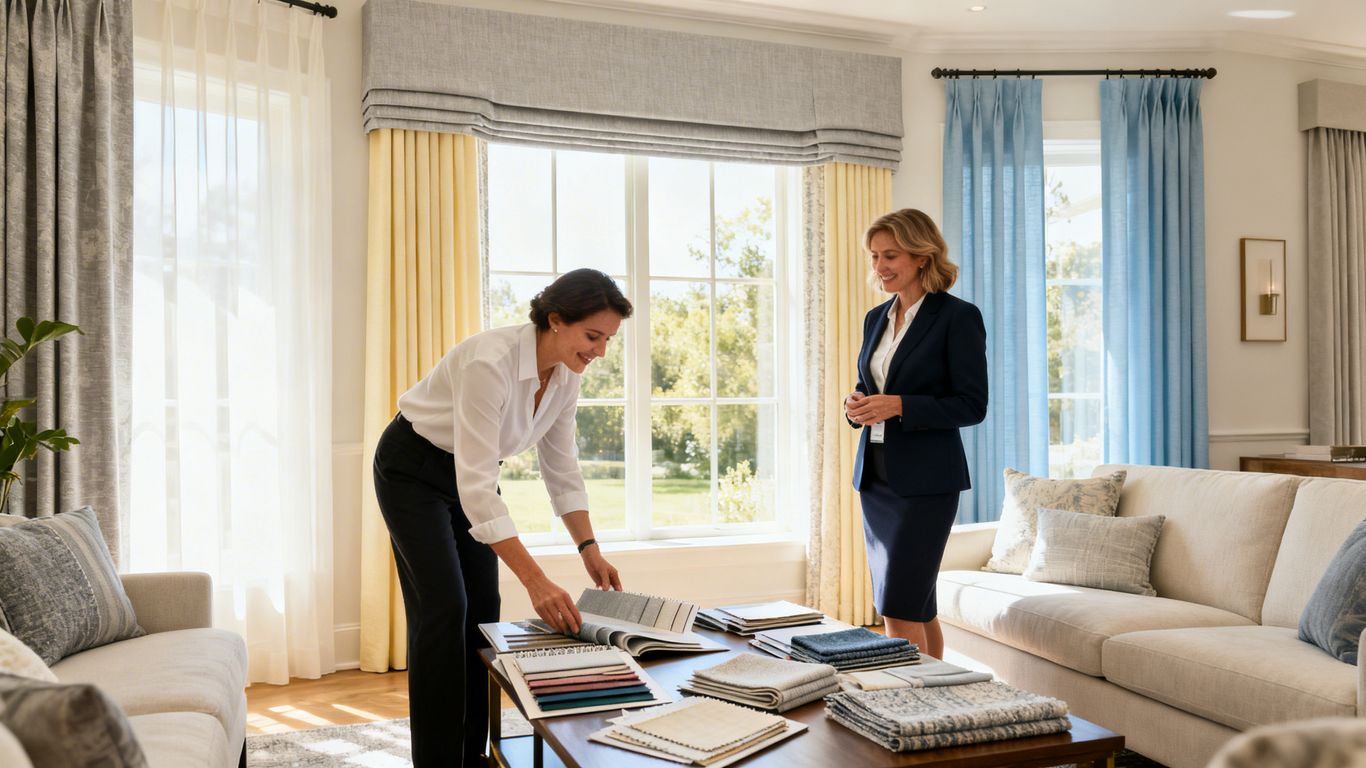
So, you've got a business that does window treatments, and you want more people to book consultations right from your website. It sounds simple, but getting that window treatment landing page consultation booked isn't always straightforward. We're talking about making a webpage that really works, pulling in people who are ready to buy and making it super easy for them to take that next step. Let's break down how to make your window treatment landing page consultation a success.
Key Takeaways
- Make sure your landing page talks directly to what people searching for window treatments actually want. They're usually looking for solutions, not just products.
- A good landing page needs clear calls to action, simple forms, and information that builds trust. Think about what makes someone click 'Book Now'.
- The booking process should be quick and easy, especially on a phone. Nobody wants to jump through hoops to schedule an appointment.
- Use Google and Meta Ads to get the right people to your page. Think about who you're trying to reach and what they're looking for.
- Keep an eye on what's working. Track bookings and see how people use your page so you can make it better over time.
Designing Your Window Treatment Landing Page Consultation
So, you want a landing page that actually gets people to book an in-home window treatment consultation? That's the goal, right? It's not just about having a page; it's about making it work for you. We need to think about what someone is looking for when they land on your site.
Understanding User Intent for Window Treatment Consultations
When someone searches for "window treatments" or "blinds consultation," they're usually past the "just looking" stage. They've got a problem or a need. Maybe their current blinds are broken, they're redecorating, or they're building a new home and need everything done. They're looking for solutions, and they want it to be easy. They want to know you can help them solve their window covering problems.
Think about it: what are they really trying to achieve?
- Getting privacy for a bedroom.
- Reducing glare on a TV screen.
- Improving a home's energy efficiency.
- Making a room look better.
- Finding treatments that are easy to clean or operate.
Your landing page needs to speak directly to these needs. It's about showing them you get it and that you have the answers.
People aren't just buying blinds; they're buying comfort, style, and a solution to a problem they've been dealing with. Your page should reflect that understanding.
Key Elements of a High-Converting Landing Page
What makes a page actually convert visitors into appointments? It's a mix of things, really. You need to be clear and direct.
- A Clear Headline: It should immediately tell people what you do and what they can get. Something like "Book Your Free In-Home Window Treatment Consultation" is pretty straightforward.
- Benefit-Oriented Copy: Don't just list features. Explain how those features help the customer. Instead of "We have cellular shades," try "Cellular shades that help keep your home cooler in the summer and warmer in the winter."
- A Strong Call to Action (CTA): This is the button or link that tells people what to do next. It needs to stand out and be obvious. "Schedule My Consultation" or "Book Now" are good examples.
- Trust Signals: People need to feel comfortable booking someone to come into their home. This means showing reviews, testimonials, or any professional affiliations you have.
- Simple Form: Don't ask for too much information. The fewer fields, the better. Name, email, phone number, and maybe a brief note about what they're looking for is usually enough.
Crafting Compelling Copy for Consultation Bookings
Writing copy that actually makes people click that "book" button is an art. You want to be persuasive without being pushy. Start by thinking about the pain points your potential clients have.
- Address the Problem: "Tired of harsh sunlight ruining your furniture?" or "Struggling to find window treatments that match your style?"
- Present Your Solution: "Our expert consultants will help you find the perfect fit for any room."
- Highlight the Value: "Get personalized advice and see fabric samples in your own home: all for free!"
- Create Urgency (Optional): "Limited spots available this month for free consultations."
Keep sentences short and to the point. Use words that are easy to understand. Avoid sounding like a robot. Imagine you're talking to a neighbor about their window problems: that's the tone you want.
Optimizing Your Window Treatment Landing Page for Conversions
So, you've got a landing page designed to get people to book an in-home window treatment consultation. That's a great start, but just having the page isn't enough. We need to make sure it actually works, you know? It needs to be easy for people to use and convince them that booking a consultation is the right next step for them. Let's talk about how to make that happen.
Streamlining the Consultation Booking Process
This is where a lot of pages fall short. If it takes too long or too many steps to book, people will just leave. Think about it: you're busy, they're busy. We need to make this as quick and painless as possible.
- Keep the form short. Only ask for what you absolutely need to schedule the appointment. Name, phone number, and maybe address are usually enough to start. You can get more details later.
- Clear call-to-action buttons. Make sure the button to book or request a consultation is obvious. Use action-oriented text like "Book Your Free Consultation" or "Schedule My Appointment Now."
- Offer flexible scheduling options. If possible, let people pick a date and time that works for them. A simple calendar integration can make a big difference.
The easier you make it for someone to take the next step, the more likely they are to actually take it. Don't make them jump through hoops.
Mobile-First Design for On-the-Go Clients
More and more people are browsing and booking things on their phones. If your page looks clunky or is hard to use on a small screen, you're missing out on a huge chunk of potential clients. Your landing page needs to look and work great on any device, but especially on smartphones.
Here's what to focus on:
- Responsive design: The page should automatically adjust its layout to fit the screen size. No pinching and zooming required.
- Large, tappable buttons: Buttons and links should be big enough to tap with a finger without accidentally hitting something else.
- Fast loading times: Mobile users are often on slower connections. Optimize images and code so the page loads quickly.
A/B Testing Your Landing Page Elements
How do you know what's really working? You test it. A/B testing, or split testing, is where you show two different versions of your landing page to different groups of visitors and see which one performs better. It’s like trying out different headlines or button colors to see which one gets more people to click.
Here are some things you can test:
- Headlines: Try different ways of saying what you do and the benefit of a consultation.
- Call-to-action text: "Book Now" versus "Get My Free Quote."
- Form length: A shorter form versus one with a few more fields.
- Images or videos: Does a picture of a happy customer help more than a video explaining the process?
| Element Tested | Version A | Version B | Winner (Based on Bookings) |
|---|---|---|---|
| Headline | "Window Treatment Consultations" | "Get Expert Advice for Your Windows" | Version B |
| CTA Button | "Book Now" | "Schedule My Visit" | Version A |
By testing these elements, you can make data-driven decisions to improve your landing page's performance over time. It’s not about guessing; it’s about finding out what actually gets results.
Driving Traffic to Your Window Treatment Landing Page
So, you've got this killer landing page all set up to book those in-home window treatment consultations. That's awesome! But, like a great party with no guests, it won't do much good if nobody sees it. Getting the right people to your page is the next big step. We need to make sure homeowners who are actually thinking about new blinds or curtains find you when they're looking.
Leveraging Google Ads for Consultation Leads
Think about when you need something. Where do you usually go first? Probably Google, right? That's exactly where we want to be. Google Ads lets you show up right when someone types in something like "custom blinds near me" or "in-home drapery consultation." It's like having a signpost pointing directly to your landing page.
Here's how to make it work:
- Keyword Research: Find out what terms people are actually searching for. Don't just guess. Use tools to see what's popular and relevant to your services.
- Ad Copy: Write ads that are clear and tell people exactly what you do. Mention "free consultation" or "in-home appointment" right in the ad.
- Targeting: Set your ads to show up only to people in your service area. No point spending money on folks who are too far away.
- Landing Page Match: Make sure your ad talks about the same thing as your landing page. If the ad says "Schedule Your Free Blinds Consultation," the page should be ready for them to do just that.
The goal here is to catch people with intent: they're actively looking for what you offer.
Meta Ads Strategies for Reaching Homeowners
Facebook and Instagram (Meta Ads) are great for reaching people who might not be actively searching right now, but who fit the profile of a potential customer. Think about who owns a home, maybe recently moved, or has shown interest in home decor. Meta's targeting options are pretty detailed, which is a big plus.
- Audience Building: You can target by location, age, interests (like "interior design" or "home renovation"), and even life events (like "recently moved").
- Visuals: Since these platforms are visual, use attractive photos or short videos of beautiful window treatments. Show off your work!
- Call to Action: Make it clear what you want them to do. Buttons like "Learn More" or "Book Now" that lead directly to your landing page are key.
- Retargeting: If someone visited your landing page but didn't book, you can show them ads later on Facebook or Instagram to remind them.
It's about showing your services to people who are likely to need them, even if they weren't actively searching on Google at that exact moment. Think of it as planting a seed for future projects.
Integrating SEO for Sustainable Traffic
While paid ads give you quick results, Search Engine Optimization (SEO) is your long-term play. This is about making your website (or even just your landing page if it's on your main site) show up higher in Google's free search results. It takes time, but the traffic is often more consistent and can be cheaper over time.
What to focus on:
- Local SEO: Make sure your business is listed correctly on Google Business Profile. Get reviews! People trust local businesses they find through search.
- On-Page Optimization: Use those keywords we talked about (like "window treatments," "blinds," "shades," "consultation") naturally within your landing page's text, headings, and image descriptions.
- Content: If you have a blog, write articles about choosing window treatments, the benefits of professional installation, or design trends. This attracts people looking for information.
- Mobile-Friendliness: We'll talk more about this later, but Google really likes sites that work well on phones. Make sure your page is easy to use on any device.
Getting traffic is a mix of immediate action and steady growth. Paid ads get you seen now, while SEO builds your presence for the future. Both are important for filling that consultation calendar.
Measuring Success of Your Window Treatment Landing Page
So, you've put together this great landing page, right? It looks good, the copy is sharp, and you're hoping it brings in a flood of people wanting to book consultations for new window treatments. But how do you actually know if it's working? You can't just cross your fingers and hope for the best. We need to look at the numbers. Figuring out what's working and what's not is key to making your page do its job better.
Tracking Consultation Bookings Effectively
This is the most direct way to see if your page is paying off. You need a clear system to count every single consultation that comes through the landing page. This means making sure your booking form is set up right and that it's actually sending the information where it needs to go. Think about it like this: if you don't count the sales, how do you know if the store is busy?
Here's a simple way to keep tabs:
- Form Submissions: Every time someone fills out your consultation request form, that's a potential booking. Make sure your website platform or CRM logs these.
- Call Tracking: If you have a phone number on the page, use a call tracking service. This gives each lead a unique number, so you know it came from the landing page, not just a general business call.
- Unique Links/Codes: For specific ad campaigns pointing to the page, you might use unique links or offer a special code mentioned only on that page. This helps tie bookings back to specific marketing efforts.
Analyzing User Behavior on Your Landing Page
Beyond just counting bookings, it's super helpful to watch how people actually use your page. Are they getting stuck somewhere? Are they reading everything, or just skimming? Tools like Google Analytics can show you this stuff. It's like watching someone shop in your store: you see where they pause, what they look at, and where they might get confused.
Some things to look for:
- Bounce Rate: If a lot of people leave your page right away without clicking anything, something might be off. Maybe the page didn't load fast enough, or the message isn't what they expected.
- Time on Page: People spending a good amount of time usually means they're engaged. If they're there for ages but not booking, they might be overwhelmed or unsure of the next step.
- Click-Through Rates (CTRs): See how many people click on your main call-to-action button (like "Book Your Consultation"). A low CTR means the button isn't grabbing attention or the offer isn't convincing enough.
- Scroll Depth: How far down the page are people scrolling? If they're not reaching the booking form, the content above it might not be compelling enough to keep them interested.
Watching how people interact with your page gives you clues about what's working and what needs a tweak. It's not just about the final booking; it's about the journey they take to get there. Small changes based on this behavior can make a big difference.
Calculating Return on Ad Spend for Consultation Campaigns
This is where the money talk happens. You're spending money on ads to get people to your landing page, so you need to know if that spending is actually making you money. It's pretty straightforward: compare how much you spend on ads to how much revenue those ads bring in from booked consultations.
Here’s a basic breakdown:
- Total Ad Spend: Add up all the money you put into ads (Google Ads, Meta Ads, etc.) that direct traffic to this landing page over a specific period.
- Total Revenue from Consultations: Figure out the total value of consultations booked because of those ads. This might involve tracking which consultations turned into actual sales and their value.
- ROAS Calculation: Divide your Total Revenue by your Total Ad Spend. For example, if you spent $500 on ads and got $2,000 in revenue from those consultations, your ROAS is 4 ($2000 / $500 = 4). This means for every dollar you spent, you got four dollars back.
Keeping an eye on these metrics helps you understand if your landing page is a money-maker or just a money-drain. It guides where you should put your advertising budget next.
Advanced Strategies for Window Treatment Landing Page Consultation
Personalization and Dynamic Content
These days, people want a window treatment experience that feels like it was made just for them. If your landing page can speak directly to each visitor, like mentioning their city or showing blinds in their favorite colors, it goes a long way. Dynamic text, location-based recommendations, and options tailored to specific rooms or needs can make your page feel more personal and engaging.
A few ways to add a touch of personalization to your landing page:
- Show products relevant to the visitor's location or typical weather
- Suggest solutions based on the type of home (apartment, single-family, condo)
- Use forms that pre-fill details if you already have them from an earlier visit
Even something as small as greeting a returning visitor by name can make your booking form seem less like a faceless transaction and more like service from a friendly neighbor.
Building Trust with Social Proof and Testimonials
If someone’s going to invite you into their home for a consultation, they want to feel safe and confident. That’s where social proof steps in. Client testimonials, ratings, and project photos can feed that sense of security. Honest reviews and real before-and-after images show you’re the real deal.
Here's a simple table showing types of social proof you can use:
| Type | Example |
|---|---|
| Customer Testimonials | “Tom installed our shades perfectly” |
| Star Ratings | ★★★★★ 4.8 from 132 reviews |
| Project Photos | Before & After images |
| Media Mentions | "As seen on HGTV" |
A few tips to make your social proof shine:
- Keep it recent and relevant
- Use first names, cities, or photos if your clients say it’s okay
- Place testimonials near booking buttons to reassure people when they’re ready to act
Retargeting Past Visitors for Consultation Bookings
A lot of people will check out your page, get distracted, and then forget. Retargeting is your second chance to remind these folks about your service. Set up ads to follow up with visitors who left before booking a consultation.
Three simple retargeting ideas:
- Show ads featuring a special offer for returning visitors: maybe 10% off their first consultation.
- Target people who almost finished the booking form but stopped halfway.
- Send reminder emails (if you have their address) summarizing what they were interested in.
Most folks don’t book on their first visit, but a gentle reminder can push them to finally set that in-home consultation.
Want to make your window treatment website a hit? We've got some cool tricks up our sleeves to help you get more customers. Learn how to make your landing page super effective and get people excited about your services. Ready to boost your business? Visit our website today to discover how we can help you shine!
So, What's the Takeaway?
Look, getting people to book appointments online isn't some magic trick. It's about making it super easy for them. For window treatment businesses, that means a landing page that cuts to the chase. Show them what you do, make the 'book now' button impossible to miss, and don't ask for a million details upfront. We've seen it work time and again with clients running ads on Google, Facebook, you name it. When the page is clear and the offer is good, the bookings follow. It’s not rocket science, but it does take paying attention to the small stuff that makes a big difference for your customers.
Frequently Asked Questions
What is a landing page for window treatments?
Think of a landing page as a special webpage created just to get people to book an in-home window treatment consultation. It's not like a regular website page; it focuses on one main goal: convincing visitors to schedule a visit from a consultant. It's designed to be super clear and easy to use, making it simple for homeowners to take the next step.
Why do I need a specific landing page for consultations?
A dedicated landing page works much better than a general website page for booking consultations. It's built with a single purpose in mind: getting that appointment booked! This means it has fewer distractions and a clear call to action, like a big button that says 'Book Your Free Consultation.' This focused approach helps turn more interested visitors into actual appointments.
What makes a landing page good at getting consultations booked?
A great landing page has a few key things. First, it clearly explains the benefit of a consultation, like getting expert advice and seeing samples at home. It needs eye-catching pictures of beautiful window treatments. Most importantly, it has a super simple way to book, often a form that only asks for a few details, and a prominent button to click. Making it easy is the name of the game!
How do I get people to find my window treatment landing page?
You can use online ads, like those on Google or Facebook. When someone searches for 'new blinds' or 'window treatments for my living room,' your ad can lead them straight to your landing page. We also make sure your page shows up when people search for related terms on Google, which is called SEO. It’s all about putting your page in front of the right eyes at the right time.
What happens after someone books a consultation on the landing page?
Once someone fills out the form and clicks 'Book Now,' they'll usually see a confirmation message. Your team then gets an alert about the new booking. We track these bookings carefully to see how well the landing page is working. Then, your team reaches out to the homeowner to confirm the appointment details and get ready for the in-home visit.
Can I see if my landing page is actually working?
Absolutely! We use special tools to track every single consultation booked through the landing page. We can see how many people visited the page, how many filled out the form, and how many actually became booked appointments. This helps us understand what's working well and where we can make improvements to get even more bookings.