They Browsed Motorized Shades: Now Show This Retargeting Sequence
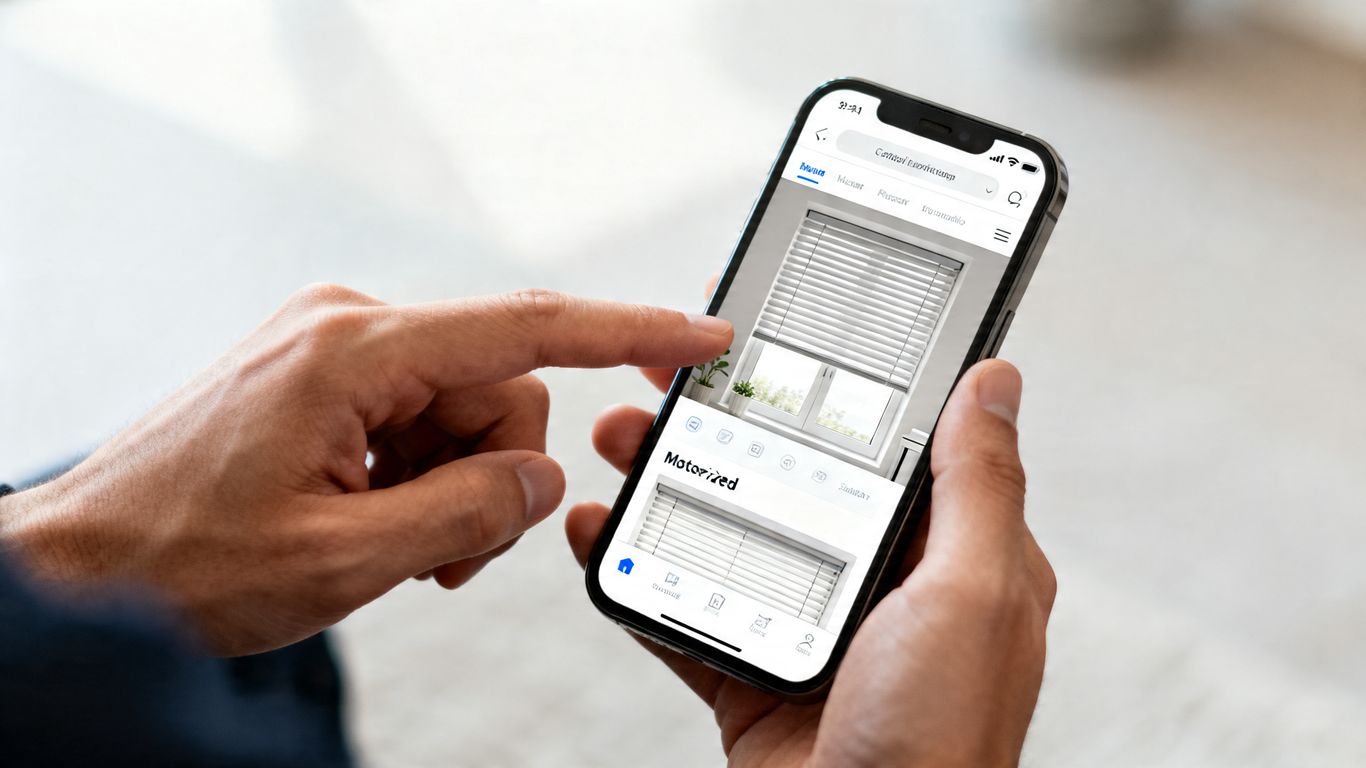
So, someone checked out your motorized shades, maybe even added them to a cart, but didn't buy. What now? You can't just let that lead go cold. This is where a smart retargeting sequence comes in. It's like a gentle nudge, reminding them why they liked your shades in the first place and showing them what they're missing. We'll walk through how to set up a solid motorized shade retargeting sequence that actually works, turning those browsers into buyers.
Key Takeaways
- Figure out who's really interested in motorized shades by watching what they do on your site.
- Build your motorized shade retargeting sequence with clear goals and a step-by-step plan.
- Use Meta Ads with dynamic product ads and specific targeting for homeowners, plus lookalike audiences.
- Set up Google Ads, including search campaigns for specific shade types and Local Service Ads for quick leads.
- Make your ads and landing pages work together, showing off benefits and making it easy to get a quote.
Understanding The Motorized Shade Shopper
So, you've got folks checking out motorized shades on your site. That's great! But who are these people, really? Just knowing they looked at shades isn't enough. We need to figure out what's driving their interest and where they are in their buying journey. It’s like trying to guess what someone wants for dinner just because they walked past a restaurant: you need more clues.
Identifying High-Intent Browsers
Not everyone who clicks on a motorized shade is ready to buy. Some are just curious, maybe redecorating on a budget, or even just looking for inspiration. We need to spot the ones who are serious. Think about people who spend a good amount of time on the product pages, maybe compare a few different styles, or even add something to their cart before thinking better of it. These are the folks who are likely further down the path.
Here are some signs to look for:
- Time Spent on Page: Longer visits to product or category pages often mean deeper interest.
- Multiple Page Views: Users who browse several different shade types or brands show they're exploring options.
- Interaction with Features: Clicking on details like fabric samples, color swatches, or motorization options.
- Use of Calculators or Configurators: If you have tools to help them figure out sizes or costs, using these is a big signal.
Decoding User Behavior on Your Site
What are they doing on your site? That's the real question. Are they just glancing at pictures, or are they digging into the specs? Did they look at the "how-to-measure" guide? That tells you they're thinking about installation. Did they check out your "smart home integration" page? That means they're interested in the tech side of things. Every click, every scroll, every second spent on a page gives us a little piece of the puzzle.
Consider these common paths:
- The Researcher: Starts broad, looks at different window treatments, then narrows down to motorized options. Might compare features and prices across several brands.
- The Problem Solver: Has a specific need: maybe a large, hard-to-reach window, or a desire for better light control. They're looking for a solution.
- The Tech Enthusiast: Primarily interested in the smart home aspect, app control, and voice commands. The automation is the main draw.
Segmenting Potential Motorized Shade Buyers
Once we have a better idea of who's looking and what they're doing, we can group them. This isn't about putting people in boxes forever, but about understanding their immediate needs. Are they looking for blackout shades for a bedroom? Or maybe light-filtering ones for a living room? Are they focused on energy efficiency, or is the convenience of remote control the biggest selling point?
We can group them like this:
- Budget-Conscious Browsers: Looked at basic models, maybe compared prices. Might respond to deals.
- Feature-Focused Shoppers: Spent time on pages detailing motor types, control options, and smart home compatibility.
- Style-Driven Consumers: Focused on fabric, color, and how the shades will look in their home. Might be interested in design inspiration.
Understanding these different types of shoppers helps us tailor our messages. We don't want to talk about smart home tech to someone who just wants a simple, affordable way to cover a window. It's all about speaking their language.
Ultimately, the goal is to move beyond simple page views and understand the 'why' behind their visit. This deeper insight is what makes retargeting actually work, turning casual browsers into confident buyers.
Crafting Your Motorized Shade Retargeting Sequence
So, you've got folks checking out your motorized shades. That's great! But just because they looked doesn't mean they bought. That's where a smart retargeting sequence comes in. It's like a gentle nudge, reminding them why they were interested in the first place and making it easy for them to come back and finish the job. The goal is to guide them back to your site and convert that interest into a sale.
Defining Campaign Objectives
Before you even think about ads, what do you want this retargeting to do? Are you trying to get them to request a quote, make a direct purchase, or maybe just sign up for a newsletter about smart home tech? Having clear goals helps shape everything else.
- Increase Quote Requests: Get more people to fill out your contact form.
- Drive Direct Sales: Encourage immediate purchases for standard sizes.
- Boost Engagement: Get users to watch a demo video or download a brochure.
- Gather Leads: Collect email addresses for future marketing.
Structuring Your Retargeting Funnel
Think of your retargeting sequence like a series of steps. Someone who just looked at a product page needs a different message than someone who added it to their cart but didn't buy. You want to meet them where they are.
- Initial Nudge (1-3 days after visit): Remind them of the product they viewed. Maybe show them the exact shade or a similar one. Keep it simple.
- Benefit Focus (3-7 days after visit): Highlight why motorized shades are awesome. Think convenience, energy savings, or that cool smart home vibe. Show them what they're missing.
- Urgency/Offer (7-14 days after visit): If appropriate, introduce a limited-time offer, free shipping, or a special discount to encourage a decision.
- Last Chance (14-21 days after visit): A final reminder, perhaps with a slightly stronger offer or a clear call to action to complete their purchase or request a consultation.
Setting Up Key Performance Indicators
How will you know if your retargeting is actually working? You need to track specific numbers. These are your Key Performance Indicators, or KPIs.
- Click-Through Rate (CTR): How many people click on your retargeting ads after seeing them?
- Conversion Rate: What percentage of people who click your ad actually complete the desired action (like requesting a quote)?
- Cost Per Acquisition (CPA): How much does it cost you, on average, to get one customer through this retargeting sequence?
- Return on Ad Spend (ROAS): For every dollar you spend on these ads, how many dollars are you getting back in revenue?
Setting clear goals and tracking the right numbers from the start means you won't be flying blind. You'll know what's working and what needs a tweak, making your ad spend much more effective. It's all about making smart adjustments based on real data, not just guessing.
Leveraging Meta Ads For Motorized Shades
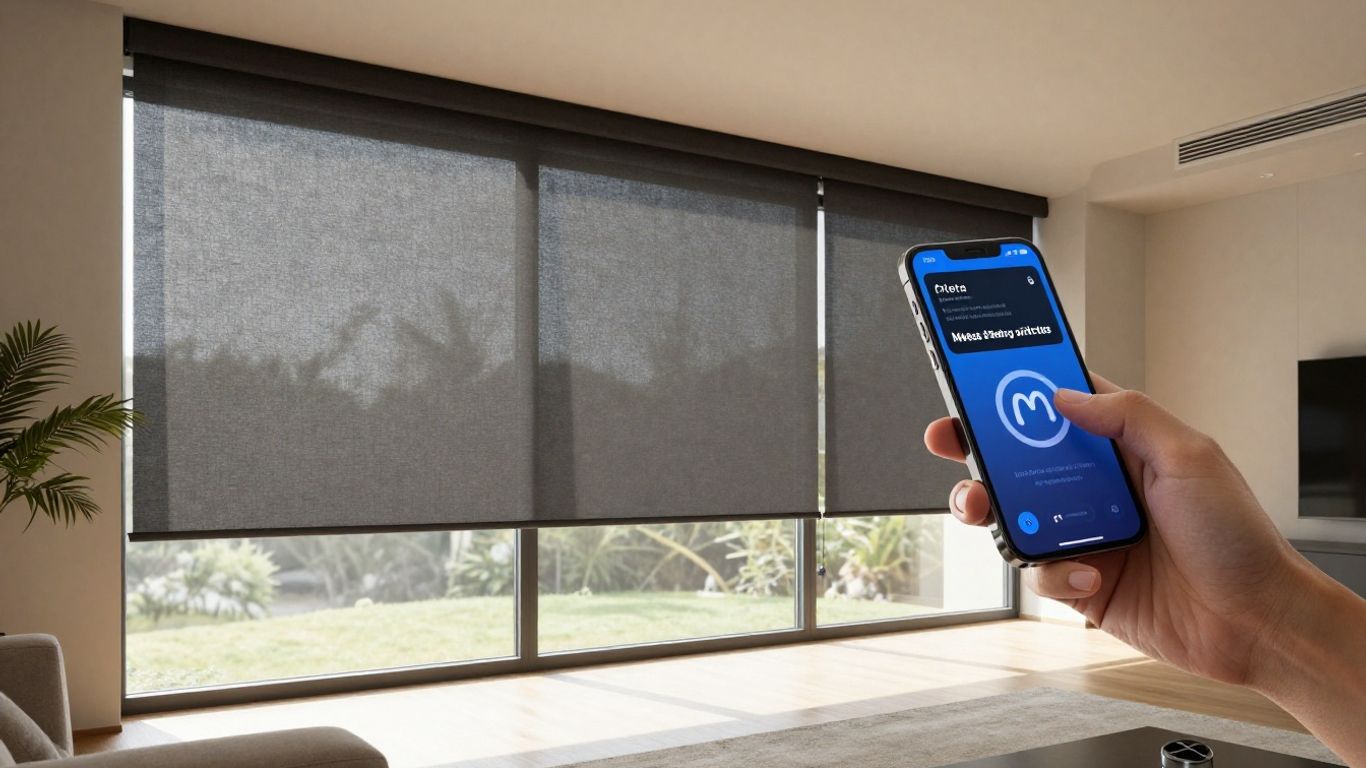
Meta Ads, which includes Facebook and Instagram, can be a really effective place to find people interested in motorized shades. It’s not just about showing them a picture; it’s about connecting with them where they already spend time online.
Dynamic Product Ads For Window Treatments
This is where you show people the exact shades they looked at on your website. If someone browsed your collection of blackout motorized shades, a dynamic ad can pop up on their Facebook feed showing those specific shades. It’s like a helpful reminder without being pushy. This personal touch can significantly increase the chances of them coming back to complete their purchase.
Here’s how it works:
- Catalog Setup: You need a product catalog with all your motorized shades, including good photos, prices, and descriptions.
- Pixel Integration: Your Meta Pixel tracks website visitors and their actions, like viewing a product or adding it to their cart.
- Ad Creation: Meta automatically uses this data to show ads featuring the products people showed interest in.
Interest-Based Targeting For Homeowners
Beyond people who've already visited your site, Meta lets you target folks based on their interests. Think about who buys motorized shades. It’s often homeowners, people interested in home improvement, smart home technology, or interior design. You can set up ads to show up in the feeds of people who fit these profiles.
Some good interests to target include:
- Home renovation and DIY projects
- Smart home devices (like Alexa, Google Home)
- Interior design magazines and blogs
- Luxury home goods
- Specific window treatment brands
Lookalike Audiences Based On Existing Customers
This is a smart way to find new customers who are similar to your best ones. You upload a list of your current customers (or people who have taken a specific action, like requesting a quote) to Meta. Then, Meta finds other users on its platform who share similar characteristics and behaviors. It’s like finding twins of your ideal customers.
This method helps you expand your reach to a relevant audience that's more likely to be interested in what you're selling, without having to guess who they might be.
It’s a powerful tool for growth because you’re not starting from scratch; you’re building on the success you’ve already had.
Optimizing Google Ads For Motorized Shade Leads
So, you've got folks checking out your motorized shades on your site. That's great! Now, how do you get them to actually buy? Google Ads can be a real workhorse here, but you gotta use it right. It's not just about throwing money at it; it's about being smart with your campaigns.
Search Campaigns Targeting Specific Shade Types
When someone is actively searching for motorized shades, they're usually pretty far along in their buying journey. Think about what they're typing into Google. Are they looking for "blackout motorized blinds," "somfy motorized shades," or "app controlled window treatments"? Your search campaigns need to match these specific terms. This is where you capture the highest intent shoppers.
Here's a breakdown of how to set these up:
- Keyword Research: Use tools to find what people are actually searching for. Don't guess!
- Ad Group Structure: Group similar keywords together. If someone searches for "cordless motorized shades," show them an ad specifically about cordless options.
- Ad Copy: Write ads that directly address the search query. Mention "motorized," the type of shade, and a clear call to action like "Get a Free Quote."
- Negative Keywords: This is super important. Add terms like "DIY," "repair," or "manual" so you don't waste money on people who aren't looking to buy new motorized shades.
Performance Max For Broader Reach
Performance Max campaigns are Google's way of saying, "Let us handle the placements." They use automation to show your ads across all of Google's channels: Search, Display, YouTube, Gmail, and Discover. This is good for reaching people who might not be actively searching but are still interested in home improvement or smart home tech.
- Asset Groups: You'll provide text headlines, descriptions, images, and videos. Google then mixes and matches these to find the best performing combinations.
- Audience Signals: Give Google hints about who you want to reach. This could be people who have visited your site, specific interests (like "home automation"), or demographics.
- Conversion Goals: Clearly define what you want to achieve, like "quote requests" or "online purchases."
Performance Max can be a bit of a black box, but when it works, it works well for finding new customers.
Local Service Ads For Immediate Inquiries
If you have a physical business or serve a specific geographic area, Local Service Ads (LSAs) are a game-changer. These appear at the very top of Google search results, above regular ads. They focus on building trust with features like the Google Screened badge and customer reviews.
- Eligibility: You'll need to pass a background check and meet certain criteria.
- Pay Per Lead: Unlike other ad types, you pay for actual leads (phone calls or messages), not clicks.
- Profile Management: Keep your business hours, service areas, and reviews up-to-date.
For businesses focused on local sales and installations, LSAs can be incredibly effective at generating immediate, high-quality leads. They cut through the noise and put you directly in front of people ready to make a decision.
Remember, the key with Google Ads is to test, test, and test again. What works for one business might not work for another, so keep an eye on your data and make adjustments.
Creative Strategies For Motorized Shade Ads
Okay, so you've got people looking at motorized shades. That's great! But how do you actually get them to click and buy? It's all about showing them why they need these shades, not just that they exist. We need to make it feel like a solution to a problem they didn't even know they had, or a way to make their life just a little bit better.
Showcasing Convenience and Lifestyle Benefits
Think about it. Who buys motorized shades? People who like things easy, people who want their home to feel a bit more modern, or maybe folks who just want to impress their friends. Your ads should paint that picture. Instead of just showing a shade going up and down, show someone relaxing on the couch, hitting a button on their phone, and the shades gliding shut to block the afternoon sun. Or maybe a parent wrangling a baby, and they can adjust the light with a voice command. That's the stuff that makes people think, 'Yeah, I could use that.'
- Morning Routine Upgrade: Imagine waking up gently as the shades slowly open, letting in natural light. No jarring alarms needed.
- Movie Night Perfection: Instantly darken the room for the best viewing experience with a single tap.
- Energy Savings Made Easy: Schedule shades to close during the hottest part of the day, keeping your home cooler without you lifting a finger.
- Pet and Child Safety: No dangling cords to worry about. Just smooth, quiet operation.
Highlighting Smart Home Integration
Lots of people are getting into smart homes these days. If your motorized shades can connect to Alexa, Google Home, or Apple HomeKit, you have to shout about it. It's not just about shades anymore; it's about making their whole house work together. Show an ad where someone says, 'Hey Google, close the living room shades,' and it just happens. It makes the whole setup feel futuristic and super convenient.
People are looking for ways to simplify their lives and make their homes more comfortable. Smart home tech, including motorized shades, fits right into that desire. It's about control and ease.
Utilizing User-Generated Content and Testimonials
Honestly, people trust other people more than they trust ads. If you can get real customers to share pictures or videos of their motorized shades in action, that's gold. A short video of someone saying, 'I used to hate fiddling with my old blinds, but these motorized ones are a game-changer!' is way more convincing than anything you can write. It shows authenticity and real-world satisfaction. You could even run a contest asking people to share their 'shade moments' for a chance to win something.
- Before & After Photos: Show a room with old, clunky blinds next to a room with sleek motorized shades.
- Short Video Reviews: Ask customers to record a quick clip explaining their favorite feature.
- Customer Spotlight: Feature a happy customer and their setup on your social media or website.
Landing Page Optimization For Conversions
So, you've got someone interested in motorized shades, right? They clicked your ad, maybe even spent some time looking at different styles. Now, they've landed on your website. This is where the magic, or the disaster, happens. Your landing page needs to be more than just a pretty picture; it needs to guide that interested person towards actually asking for a quote or making a purchase. It's the bridge between their interest and your sale.
Tailoring Landing Pages To Ad Creative
Think about it: if your ad showed off sleek, modern shades for a minimalist living room, the landing page shouldn't be a chaotic jumble of every shade you sell. It needs to match. If the ad promised a specific discount, that discount should be front and center on the page. This consistency makes people feel like they're in the right place and builds trust. It’s like ordering a specific burger at a restaurant: you expect to get that exact burger, not a random sandwich.
- Match the headline: The main heading on your landing page should echo the ad's promise.
- Visual alignment: Use similar colors, fonts, and imagery.
- Message consistency: Reinforce the benefits or offers mentioned in the ad.
Streamlining The Quote Request Process
Nobody likes filling out long, complicated forms. If you want people to request a quote for motorized shades, make it easy. Keep the form short. Ask only for the absolute essentials. Maybe just name, email, and a brief description of what they're looking for. If you need more details, you can always follow up later. A complicated form is a surefire way to lose a potential customer.
Here’s a quick look at what a streamlined form might ask for:
| Field Name |
|---|
| Your Name |
| Email Address |
| Phone Number |
| Brief Project Desc. |
Building Trust With Social Proof
People want to know that others have had a good experience with your company and your motorized shades. Showing off positive reviews, testimonials, or even case studies can make a big difference. It tells potential customers that you're reliable and that your products are good. Think about it: would you rather buy from a stranger or someone with a bunch of happy customers?
Displaying real customer photos or short video testimonials can be incredibly persuasive. It adds a human element and makes your claims feel more genuine. People connect with other people, not just corporate logos.
Here are some ways to build that trust:
- Customer Reviews: Feature star ratings and written feedback.
- Testimonials: Include quotes from satisfied clients, ideally with their name and location.
- Trust Badges: If you have any certifications or awards, show them off.
- Before & After Photos: Show the impact of your motorized shades.
Measuring Success In Your Motorized Shade Retargeting
So, you've put together this whole retargeting sequence for motorized shades. That's great! But how do you know if it's actually working? It's easy to just set it and forget it, but that's not how you get the best results. You've got to look at the numbers.
Tracking Key Conversion Metrics
First off, what are you trying to achieve? Is it getting people to request a quote, download a brochure, or maybe just visit a specific product page? You need to know what a 'win' looks like for your campaign. Then, you track those actions. Most ad platforms let you set up conversion tracking. For motorized shades, common goals might be:
- Quote Requests: This is usually the big one. Someone fills out a form asking for pricing.
- Consultation Bookings: For more complex projects, people might want to talk to someone first.
- Product Page Views (Specific Shades): If someone keeps looking at the 'Smart Roller Shade X', that's a good sign.
- Add to Cart (if applicable): If you sell directly online, this is a clear indicator.
Analyzing Return On Ad Spend
This is where things get really interesting. Return on Ad Spend, or ROAS, tells you how much money you're making for every dollar you spend on ads. It's pretty straightforward:
ROAS = Total Revenue from Ads / Total Ad Spend
For motorized shades, you'll want to track the revenue generated specifically from customers who came through your retargeting campaigns. If you spent $500 on ads and made $2,500 in sales from those ads, your ROAS is 5x. That's a pretty good start.
| Metric | Value |
|---|---|
| Total Ad Spend | $500 |
| Total Revenue | $2,500 |
| Return on Ad Spend | 5x |
If your ROAS is low, you might need to adjust your ad spend, your targeting, or even the offers you're presenting.
Iterative Testing And Refinement
Campaigns aren't static. What works today might not work next month. You have to keep tweaking things. This means testing different ad copy, different images or videos, different calls to action, and even different audience segments.
Don't be afraid to experiment. Small changes can sometimes lead to big improvements in how many people actually buy your motorized shades. Keep an eye on what's performing well and what's not, and adjust your strategy accordingly. It's a continuous process of learning and improving.
Think about A/B testing your ad creatives. Show one group of people an ad highlighting the convenience of motorized shades, and another group an ad focusing on the smart home integration. See which one gets more clicks and, more importantly, more conversions. This kind of testing helps you zero in on what truly motivates your potential customers.
Wondering how well your motorized shade ads are doing? Figuring out what's working and what's not is key to getting more people to buy. We can help you track your results and make sure you're spending your money wisely. Ready to see your sales go up? Visit our website today to learn how we can boost your business!
Wrapping It Up
So, you've got folks checking out motorized shades. That's a good sign they're interested, right? Don't just let them wander off. A smart retargeting sequence, hitting them up on Facebook or Instagram with ads that show off those shades again, maybe even a special offer, can really bring them back. It’s about staying top-of-mind when they’re ready to buy. We’ve seen it work time and again for home service businesses: a little nudge at the right moment makes a big difference in closing the deal.
Frequently Asked Questions
Why should I use retargeting ads for motorized shades?
Retargeting ads are super helpful because they show your ads again to people who already checked out your motorized shades. Think of it like a friendly reminder! These folks are already interested, so showing them ads again makes it more likely they'll come back and buy.
What's the best way to find people interested in motorized shades online?
You can find them by looking at who visits your website and checks out your shade options. Also, platforms like Facebook and Instagram let you target people who like home improvement or smart home stuff. Google Ads can show your ads to people who are actively searching for 'motorized blinds' or 'smart window coverings'.
How do I make my retargeting ads look good?
Show off how cool motorized shades are! Use pictures and videos that highlight how easy they make life, like controlling them with your phone or voice. Also, show real people using them and share happy customer reviews. People love seeing how it fits into a nice, modern home.
What should I do after someone clicks my ad for motorized shades?
Send them to a special webpage (a landing page) that's all about motorized shades. Make it super easy for them to get a price quote or ask questions. The faster and simpler it is, the more likely they are to become a customer.
How do I know if my retargeting ads are working?
You need to track a few things. See how many people click your ads, how many fill out a form to get a quote, and how much money you spend versus how much you make from those sales. This helps you see what's working and what needs to be changed.
Can I use Meta (Facebook/Instagram) and Google Ads together for motorized shades?
Absolutely! Using both is a smart move. Meta ads are great for showing off the lifestyle benefits and reaching people who might not be actively searching yet. Google Ads are perfect for catching people who are already looking for motorized shades right now. Together, they cover more people and different stages of buying.